

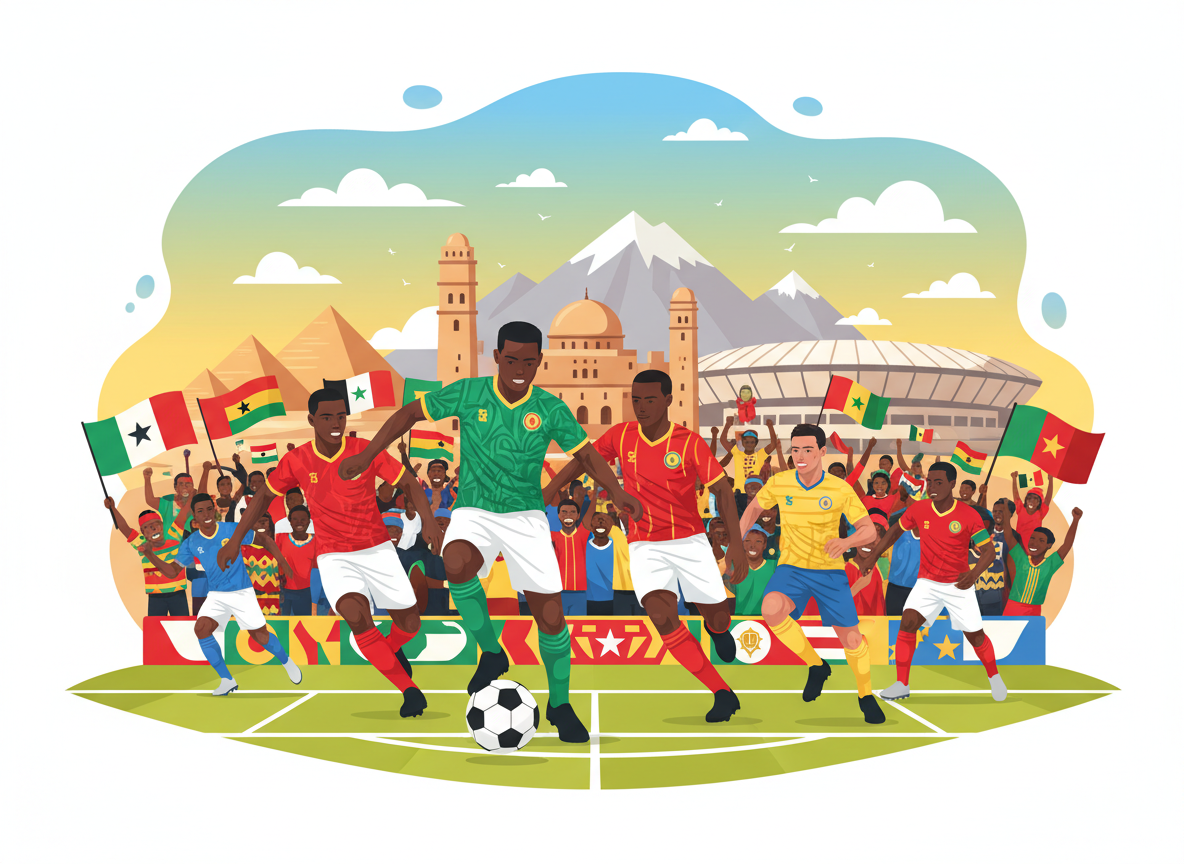
What if I told you that a football competition starting with just three teams could grow to define the spirit of an entire continent? Ever wondered how a humble beginning in 1957 sparked a legacy that now captivates millions?
I often find myself reflecting on this. That first tournament in 1957 was held in Khartoum, Sudan. Only three nations participated. Yet, from that small seed, something monumental grew.
This event is more than just a championship. When I look at the cup nations, I see the collective dreams of passionate fans. It’s a mirror for the continent’s broader social evolution.
I invite you to join me on this journey. We’ll explore the deep, emotional soul of the beautiful game. This guide will help you understand why this tournament remains a cornerstone of football culture.
Key Takeaways
- The competition began in 1957 in Sudan with only three participating teams.
- It has grown into the premier international men’s football event on the continent.
- The tournament’s legacy is deeply tied to the continent’s social and cultural identity.
- Each edition tells a unique story of resilience, triumph, and collective passion.
- Understanding this history provides insight into the sport’s powerful role beyond the pitch.
- The event’s evolution reflects broader changes and aspirations across the nations involved.
Origins and Early Tournaments of the Africa Cup of Nations
Have you ever considered how a simple proposal in a Lisbon meeting room would ignite a continental football legacy? I still remember reading about that pivotal third FIFA congress in June 1956. It was there the Confederation of African Football was first proposed.
CAF Formation and Inception
That moment was a turning point. Visionary leaders saw the need for a dedicated body. They wanted to foster the beautiful game across the continent.
The formation of CAF guaranteed a proper stage for national teams. It was the essential first step. This move created a permanent fixture for international competition.
The 1957 Inaugural Tournament
The first Africa Cup kicked off the following year. Only three sides participated in that tournament 1957 in Khartoum.
South Africa was disqualified due to apartheid policies. This left Egypt, Ethiopia, and Sudan. The passion was raw, but the standard was set.
Egypt emerged as the inaugural champion. They defeated Ethiopia 4-0 in the final. Lifting that first trophy marked the beginning of a storied tradition.
Every time I reflect on that edition, I’m amazed. From such a humble start, a legendary event was born. It shaped the dreams of players and fans for many years.
Africa Cup of Nations in the 1950s and 1960s
The political winds of the 1960s didn’t just redraw maps. They influenced who took the field in the continent’s biggest competition. This era was a bridge from a simple knockout event to a complex championship.
Impact of Socio-Political Changes
I often think about how world events shaped the tournament. For a few years, Egypt played under the name United Arab Republic. This was a direct result of political union.
Every team that traveled to a cup nations held event felt these shifts. The host country choice itself was a political statement at times. It added a layer of meaning beyond the football.
Evolution of the Competition Structure
The 1968 edition was a game-changer. It was the first time eight teams competed. This expansion allowed for a group stage format.
Suddenly, the path to the final became more strategic. I believe this structure made the finals even more dramatic. It also brought the action to living rooms via television.
That single change transformed the entire feel of the cup. The trophy was now pursued through a marathon, not just a sprint. It marked the birth of the modern tournament we know.
Ghana’s Rise and Early Dominance
Sometimes, a single victory on home soil can launch a dynasty that echoes for decades. I remember learning about Ghana’s ascent in the 1960s. Their story is one of passion meeting opportunity.
1963 Breakthrough and Home Advantage
Ghana won their first trophy in the 1963 edition as hosts. The energy from the crowd was palpable. I imagine it gave the team an incredible psychological edge.
That final was a masterclass in using home advantage. They cemented their place in the competition’s lore that day. It was a defining moment for the entire tournament.
This success proved a well-organized national side could dominate for years. They played with a mix of tactical discipline and raw talent. Every time they reached the finals, they brought intense focus.
Ghana’s four titles, starting in 1963, showed their dominance in the Africa Cup of Nations. This wasn’t a fleeting moment. It was the result of sustained commitment to football.
Critical Turning Points in africa cup of nations history
In every long-running event, a few moments stand out as genuine forks in the road. They shift perceptions and cement legacies. The 1974 final is a perfect example of such a pivotal point.
Key Matches and Controversies
I find the 1974 decider utterly fascinating. Zaire and Zambia drew 2-2, forcing a replay. It remains the only time a final has been replayed in this competition’s long story.
That same edition saw an incredible individual feat. Mulamba Ndaye scored nine goals, a record that still stands today. I believe such brilliance in a high-pressure tournament defines a player’s legacy.
| Year | Turning Point | Lasting Impact |
|---|---|---|
| 1974 | Final required a replay (Zaire vs Zambia) | Unique event highlighting intense rivalry and drama. |
| 1974 | Mulamba Ndaye scores 9 goals | Set a single-tournament scoring record that remains unbroken. |
| 1976 | Morocco wins first title after close final | Marked the rise of a new footballing power in the region. |
These moments are more than just stats. They capture the raw passion and high stakes that make this event so compelling. Understanding them is key to feeling the tournament’s true soul.
The Thrilling 1970s: Champions and Format Innovations
Looking back, the 1970s weren’t just about football; they were a decade where the game’s soul was truly forged under pressure. Six different nations lifted the trophy between 1970 and 1980. This showed a thrilling level of unpredictability.
Historic Replays and Close Finals
I find it fascinating how close the matches were. The 1974 final needed a replay, a rare event that highlighted the intense rivalry. Every edition seemed to push teams to their absolute limit.
Morocco’s first title win in 1976 was a significant moment. It proved new powers could emerge. Then, Ghana secured their third trophy in 1978, becoming the first team to achieve that feat.
Format innovations, like firm group stages, made the competition more strategic. This forced national sides to adapt their tactics constantly. The 1970s set the stage for the modern tournament we see today.
The 1980s: Cameroon’s Dominance and Regional Rivalries
When I think of the 1980s, I picture a decade where one team’s sheer willpower reshaped the entire landscape of continental football. Cameroon’s relentless drive became the story. They reached the championship match three consecutive times.
They claimed the trophy in 1984 and again in 1988. That consistency set a new benchmark. I find it fascinating how they defined an era.
Rivalry Battles and Tactical Shifts
This period wasn’t just about one team. Nigeria’s first championship win in 1980 signaled a powerful shift. West African football was rising.
Regional rivalries added intense fire to every match. I believe the tactical innovations were crucial. Teams like Algeria introduced new strategic layers.
Every final felt like a battle of wills. The competition became more professional. It solidified the event’s premier status globally.
| Year | Champion | Runner-up | Significance |
|---|---|---|---|
| 1980 | Nigeria | Algeria | Nigeria’s first title, heralding a new power. |
| 1984 | Cameroon | Nigeria | Cameroon’s first win, beginning their dynasty. |
| 1988 | Cameroon | Nigeria | Back-to-back titles, cementing dominance. |
The 1980s remain a highlight in the tournament’s long story. It showcased incredible talent and fierce pride. That decade truly changed the game.
South Africa’s Return and 1990s Expansion
I recall the palpable sense of hope in 1996, as a nation celebrated its return and the competition itself underwent a profound change. The 20th edition of the Africa Cup of Nations was a landmark moment.
It was about more than just football. It was a powerful symbol of a new chapter.
Breakthrough Post-Apartheid
South Africa’s return to the tournament was historic. After years of isolation, they didn’t just host; they won the trophy on home soil.
I find that victory in the final remains a cherished memory. It was a unifying moment for the nation and the continent.
That triumph proved the event could be a catalyst for positive change. It marked a true breakthrough in the competition’s history.
Expansion to Sixteen Teams
The 1996 edition also saw a major format shift. The tournament expanded to include sixteen teams for the first time.
This was a necessary step for growth. It allowed more nations to compete for glory on the biggest stage.
Every team had to adjust to the new structure. It created more matches and intensified the drama throughout the finals.
I believe this expansion provided a vital platform. It showcased the incredible depth of talent across all the continental cup nations.
Egypt’s Treble and the Global Spotlight in the 2000s
I often reflect on periods of absolute dominance, and Egypt’s run in the 2000s stands as a monumental chapter. They achieved what many thought impossible: winning three consecutive titles in 2006, 2008, and 2010.
This incredible feat captured the world’s attention. The global spotlight fixed firmly on this continental competition.
Record-Breaking Tournament Wins
That treble cemented their status as the most successful team. It is incredible to note they have won the tournament seven times in total.
Every final during this era was a showcase of tactical brilliance. They proved they could lift the trophy under any pressure.
I believe that achievement may not be matched for many years. The 2000s were a defining time for the event.
The level of play reached new heights with every edition. Egypt’s success brought unprecedented prestige to the entire contest.
Shifts to Odd Years and Modern Challenges of AFCON
The rhythm of a continental championship changed forever in 2013, moving to a new beat in odd-numbered years. I find it remarkable how this africa cup nations adapted its schedule. It was a pivotal time for the event.
This shift was designed to avoid clashing with the FIFA World Cup. It ensured the world’s best players could compete in both premier events. The change marked a new chapter for the tournament.
Scheduling Revisions and Global Impact
The competition has been held every two years since 1968. That tradition now faces modern tests. Balancing the international calendar with host needs is a constant challenge.
The 2021 edition was postponed to 2022 due to the pandemic. This showed incredible resilience. It proved the event could withstand global crises.
I believe these revisions are essential for long-term sustainability. The global impact grows as more players from participating teams excel worldwide. Their success elevates the entire football landscape.
| Year | Scheduling Change | Primary Rationale | Key Impact |
|---|---|---|---|
| 2013 | Switch to odd-numbered years | Avoid clash with FIFA World Cup cycle | Enabled top player participation in both major tournaments |
| 2022 | Postponement from 2021 | Global health pandemic | Demonstrated organizational flexibility and resilience |
| Ongoing | Biennial tradition since 1968 | Maintain consistent continental showcase | Creates predictable, highly anticipated finals every two years |
Looking at the history, adaptability keeps this cup relevant. Each nation strives for that coveted trophy. The ability to evolve ensures its future shines brightly.
Future Outlook and Expanded Tournament Formats
Peering into the future, I see a tournament poised for its most dramatic transformation yet. The rhythm we’ve known for decades is about to change. This shift promises to redefine how we experience continental glory.
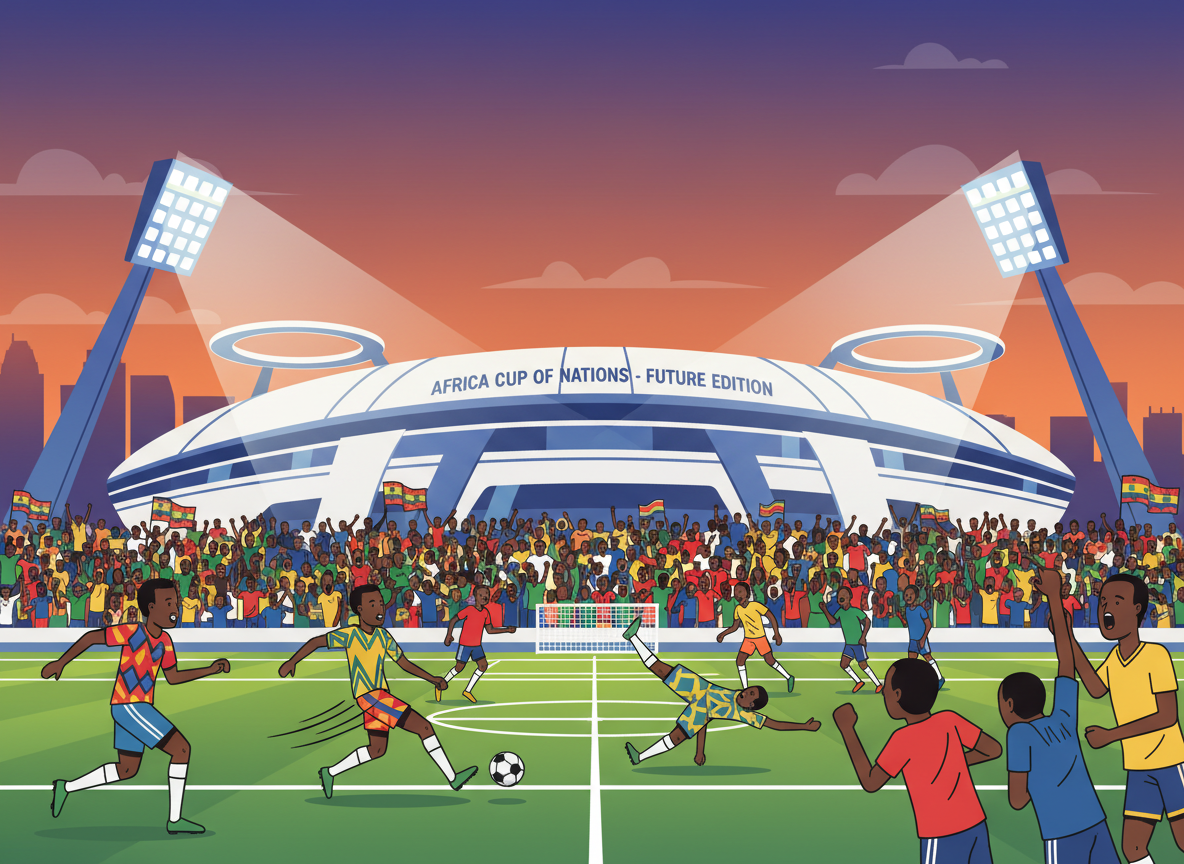
The recent edition held from December 2025 to January 2026 was a spectacular success. It showcased the vibrant growth of the africa cup nations. The passion on display was simply incredible.
Quadrennial Plans and Increasing Prize Money
Starting in 2028, the competition will move to a quadrennial cycle. This means a four-year wait between each tournament. I believe this change will make lifting the trophy feel even more special.
It will mirror the prestige of other major global events. The increased prize money is another exciting development. It will motivate every national team to perform at their absolute peak.
I imagine future finals becoming even more intense. The best football talent will converge with greater focus. This evolution honors the rich history while building a brighter tomorrow.
The africa cup nations story continues to unfold. Its ability to adapt over the years ensures its place as a cornerstone of the sport. I can’t wait to see what the next chapter holds.
Conclusion
Concluding this exploration, the true power of this event lies in its ability to unite and inspire across generations. Reflecting on the journey from the first tournament 1957 to today, I’m struck by its enduring legacy.
This competition has always been about more than just football. Whether it’s Egypt winning the trophy seven times or the expansion to sixteen teams, each edition tells a deeper story.
From the early days of the United Arab Republic to modern shifts like odd-numbered years, the tournament has constantly evolved. It has stayed relevant through decades of change.
Looking ahead, I’m confident this continental championship will keep inspiring players and fans. The passion of every national team ensures it remains a highlight of international football. Thank you for joining me on this journey.