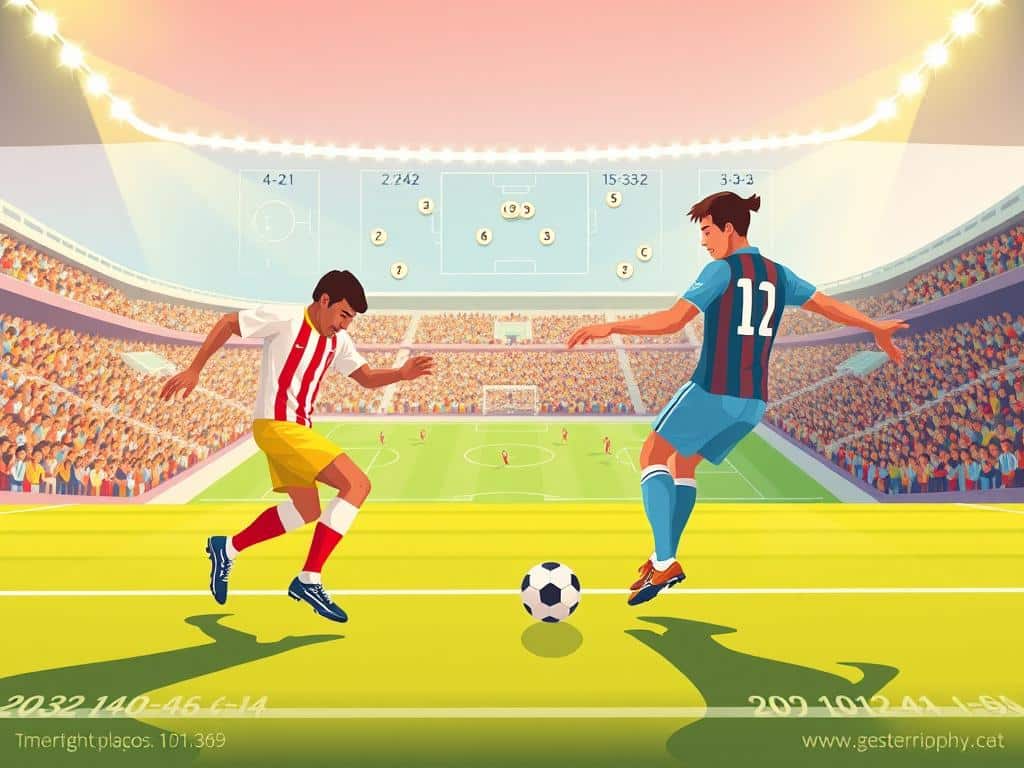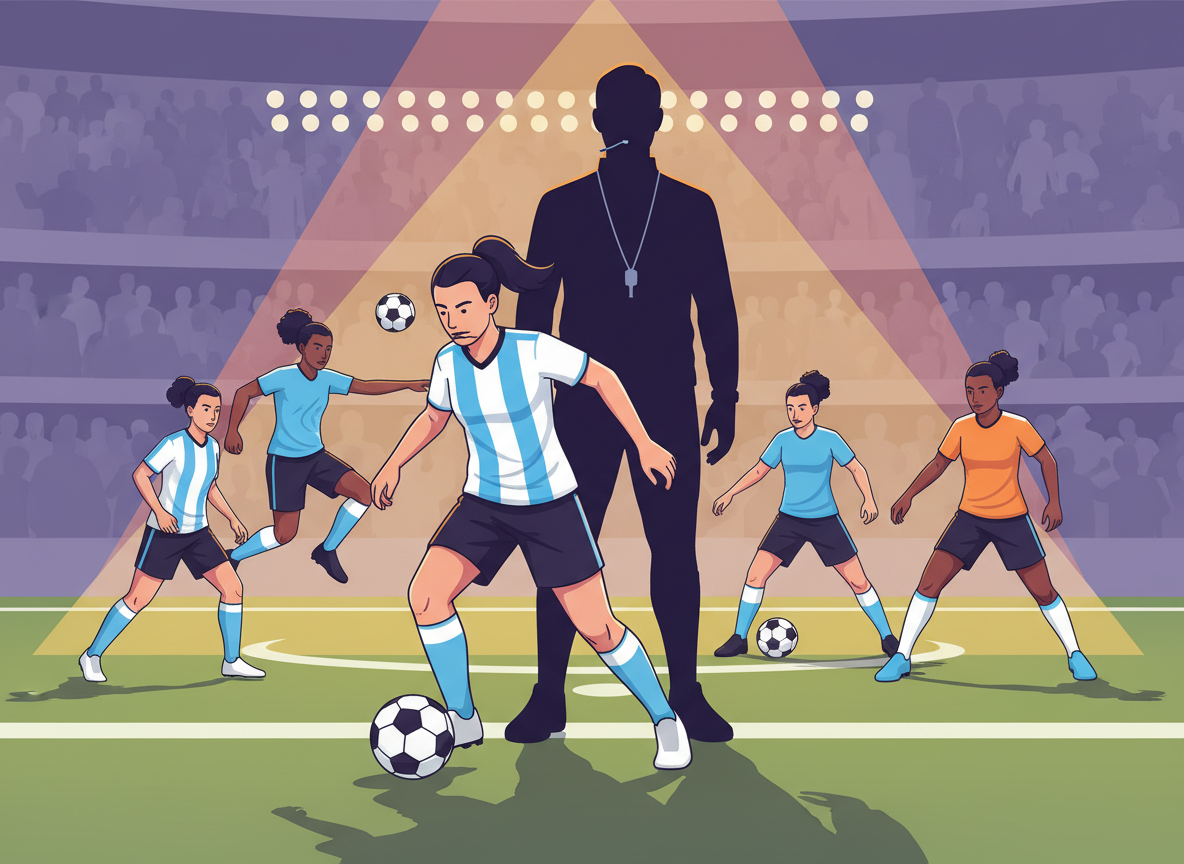


The phrase small sided games benefits captures why coaches and parents watch players light up during tight, intense scrimmages. I’ve seen 3v3 sessions turn nervous kids into decision-makers, with more touches, sharper passes, and repeated finishing actions that feel like the real match.
Use this introduction as a quick blueprint: set the field right, pick a clear format, and tweak rules so every rep teaches a specific skill. You’ll get practical setup tips that fit tonight’s training and build real on-field confidence for your players.
Key Takeaways
- High transfer to match play: short, game-like reps improve decision timing.
- 3v3 formats boost touches, passing, and finishing under pressure.
- Simple rule tweaks let you target technical and tactical skills in one drill.
- Sessions increase player confidence through repeated, relevant practice.
- Practical templates are ready to use for tonight’s training session.
Why coaches and players gravitate to small-sided games in training
Coaches pick compact formats because they turn practice into real problem-solving under pressure. The result is more touches, faster choices, and clearer habits that carry to matches.
Research backs this up: the DFB recommends 3v3 for U6–U9 to maximize active play and quick transitions. Reviews by Clemente (2021) and Sarmento (2018) show these formats unite technical, tactical, and physical development more effectively than isolated drills.
The appeal is simple. Players stay involved, face repeated match-like decisions, and learn to read teammates and opponents. Youth groups earn the biggest jump: fewer bodies means more actions per minute and faster learning.
- Everyone plays, nobody stands — coachable moments happen in motion.
- Coaching points stick because the whole team shares the same picture.
- Sessions save time by combining fitness, technique, and tactics into one drill.
What small-sided games are and why game realism matters
Think of these drills as condensed soccer where every touch counts and decisions come fast. Small-sided games are scaled versions of soccer: fewer players, a reduced field, and simple rules that keep opponents, direction, and scoring intact.
Keep the opponent live. Keep the play moving toward true goals. Remove either and you weaken match-like situations and tactics. Realism trains perception and timing better than isolated drills.
Keeping opponents, direction, and scoring at the core
Let the game create the teaching moments. Use minimal rules that shape behavior but do not script play. If a setup fails to produce the decisions you want, nudge constraints—change one variable, not the model.
Ecological validity: training that transfers to real matches
When practice mirrors match information, players learn to scan, time runs, and read teammates. Studies show match-derived setups improve decision-making more than decontextualized drills.
- Essence: opponents + direction + goals = transfer
- Scale: reduce field and numbers to highlight tactics
- Rules: guide, don’t dictate
| Feature | Practice Setup | Match Transfer |
|---|---|---|
| Players | Fewer players (3v3–4v4) | More touches, faster choices |
| Field | Reduced area | Similar spacing and pressure |
| Rules | Minimal constraints | Shaped tactics without scripting |
Evidence-backed small sided games benefits that show up on game day
Short, intense matches produce clear, measurable outcomes. Research and on-field data give coaches concrete reasons to choose these formats.
More touches under pressure: what 3v3 data tells us
In a fenced 3v3 each outfielder averaged 71 touches in ten minutes. That compares to 57 in 5v5 and 37 in 7v7.
Per player actions included about seven finishing attempts, 14 passing actions, and 12 challenges. The extra ball contacts accelerate learning and confidence.
Fitness gains comparable to running
Meta-studies show these formats match running for aerobic and anaerobic gains. You train fitness and decision-making at the same time.
Tactical awareness: scanning, spacing, and transitions
- Agility rises from repeated accelerations and direction changes under pressure.
- Goalkeepers join play as sweepers and face 1v1s, getting match-like reps.
- Short coaching cues fit the flow, so feedback sticks without killing rhythm.
| Metric | 3v3 (10 min) | 5v5 (10 min) | 7v7 (10 min) |
|---|---|---|---|
| Touches per outfielder | 71 | 57 | 37 |
| Finishing attempts | 7 | — | — |
| Passes | 14 | — | — |
| Challenges/duels | 12 | — | — |
Takeaway: Use these numbers when you explain design choices to staff and parents. It’s not just fun—it’s effective sport science.
Designing SSGs that actually improve skills, decisions, and confidence
Choose one clear outcome and build every rule around it. Start with a simple game and add only the constraints needed to nudge behavior. That keeps play realistic and lets players discover solutions.
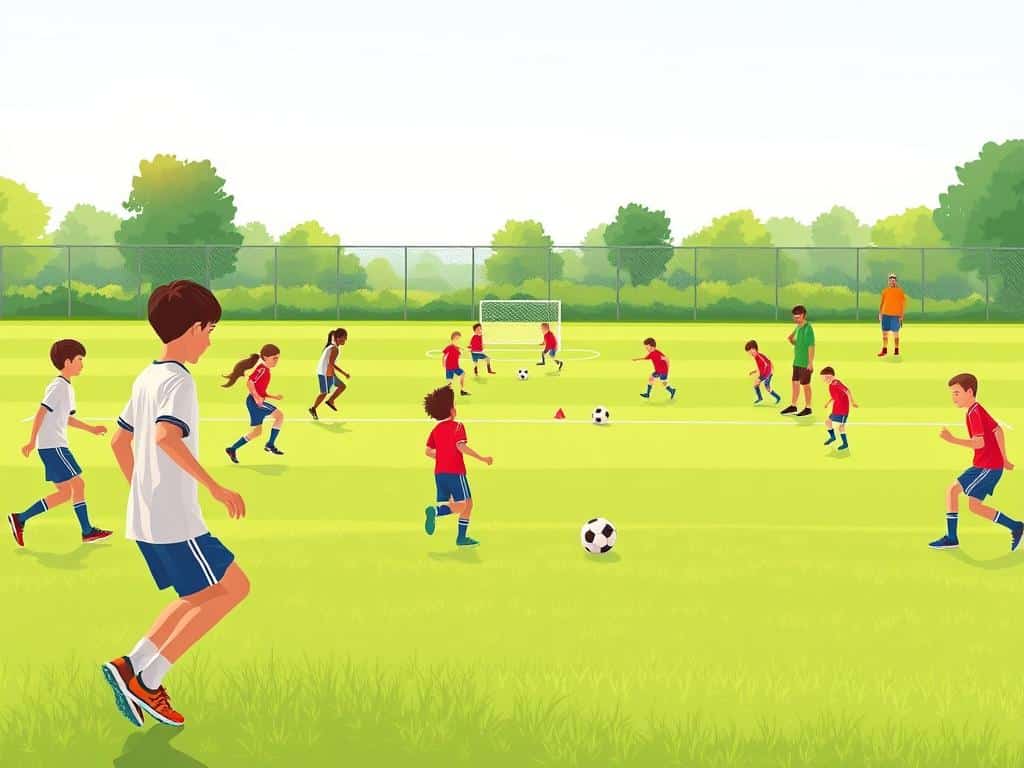
Use constraints to guide behavior, not limit creativity
Limit touches when you want faster circulation and quicker decisions. Remove touch limits to teach ball protection and composure under pressure.
When to limit touches, add neutral players, or tweak scoring
- Neutral players: add one or two to create overloads for possession or to open passing lanes.
- Number tweaks: run 3v2 or 4v3 to train pressing traps, outlets, or fast switches.
- Bonus scoring: award extra points for one-touch finishes to reinforce desired tactics without lecturing.
- Time constraints: force urgency on attacks and improve transition reactions.
| Design Lever | When to use | Effect on players |
|---|---|---|
| Touch limits | To speed play or circulation | Faster decisions; more switching |
| Neutral players | Work on possession or progression | Creates overloads; clearer passing lanes |
| Number formats | Train pressing or escape routes | Higher decision load; tactical clarity |
| Bonus scoring / time | Emphasize finishing or urgency | Focus on end actions and transitions |
Keep coaching short. Give one cue between bouts. Track one metric and change only one lever if the behavior does not appear. That makes your training measurable and repeatable.
Right-size the field with Relative Pitch Area (RPA)
Adjusting pitch size is a fast way to dial up 1v1 work or open the game for longer carries. RPA keeps your practice realistic by linking area to the number of players on the pitch.
How to calculate RPA and why it preserves realism
RPA = field length × field width ÷ total number players. That formula preserves the tactical picture so spacing and timing feel like match play.
Worked example: 3v3 on 30×20 yards
30 × 20 = 600 square yards. With six players, 600 ÷ 6 = 100 yd² per player (≈100 m²).
That area supports quick combinations, tight support angles, and frequent touches on the ball.
When to tighten space and when to open it
- Tighten space to force 1v1s, quick receiving, and immediate pressure.
- Open the field to encourage long carries, switching play, and ball striking from distance.
- Fenced pitches keep the ball live and increase intensity. Open touchlines add restarts and brief rhythm changes.
- Re-measure RPA whenever you add goalkeepers, neutrals, or change the number players so sessions stay match-relevant.
| Action | Effect | When to use |
|---|---|---|
| Reduce RPA | More duels and faster support | Train pressing, 1v1s |
| Increase RPA | Longer runs and striking chances | Work on switches and crossing |
| Fenced vs open | Continuous play vs restart rhythm | Control intensity and recovery |
Choosing formats by age, level, and goals
Pick formats that match who you coach and what you want them to learn. Match the setup to the age of your group and the tactical level you expect.
Youth focus: 3v3 and 4v4
For young players, use 3v3 and 4v4 to boost touches and decisions. The DFB’s guidance for U6–U9 supports this: frequent contact builds confidence fast.
Advanced teams: tactical depth and pressing cues
As level rises, increase area and numbers. Larger RPAs create time for coordinated pressing, cover, and switches. Use 6v6 or 8v8 for structured team problems.
Goalkeeper integration and distribution
Include keepers early. Let them sweep behind the line and start play. This trains distribution and reading of transitions.
- Match format to objective: 3v2 for finishing, 4v3 to break pressure, 6v6 for team shape.
- Keep rotations short so players stay involved and sharp.
- Revisit choices each cycle as age and level change.
| Age group | Recommended format | Area / RPA tip | Primary objective |
|---|---|---|---|
| U6–U9 | 3v3 / 4v4 | Small RPA; fenced where possible | Touches, decisions, joy |
| U10–U12 | 4v4–6v6 | Moderate RPA; add neutrals | Buildup, receiving under pressure |
| Teens / advanced | 6v6–8v8 | Larger RPA; train pressing triggers | Tactical depth, cover, switches |
| Goalkeeper focus | Any format | Allow leaving box; add distribution drills | Sweeper actions, start play |
Rules and environment that shape behavior
Field edges and restart rules quietly steer how teams behave and learn during practice. Setups that keep the ball live raise intensity. Open lines add restarts that change rhythm and spacing.
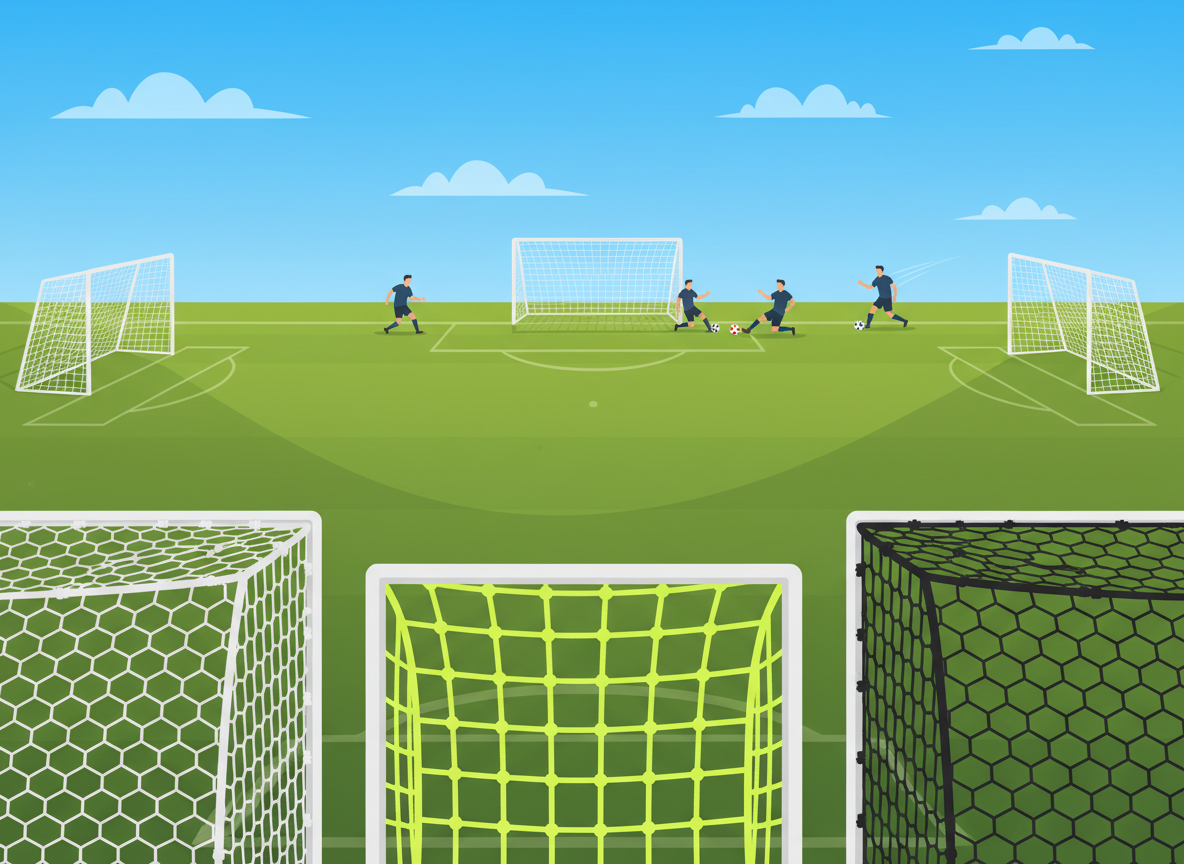
Walls, throw-ins, and corner constraints
Walls keep tempo high and increase repetitions. Fenced formats remove throw-ins and corners and can keep ten minutes of continuous play.
Out-of-bounds force restarts and slow the session. Pick short-corner rules for quick near-post patterns. Let open corners invite varied delivery and aerial work.
- Rolling restarts favor ground passes and speed of play.
- Traditional throws add contested restarts and varied technique.
- As a coach, change one rule at a time to see the effect on players and time on task.
| Environment | Effect | When to use |
|---|---|---|
| Walls | Higher tempo; more touches on the ball | Work on quick combinations |
| Open field | Stops, throws, tactical spacing | Train restarts and aerial play |
| Restart method | Roll = speed; throw = contest | Target passing vs technique |
Session planning: progressions, loads, and measurable outcomes
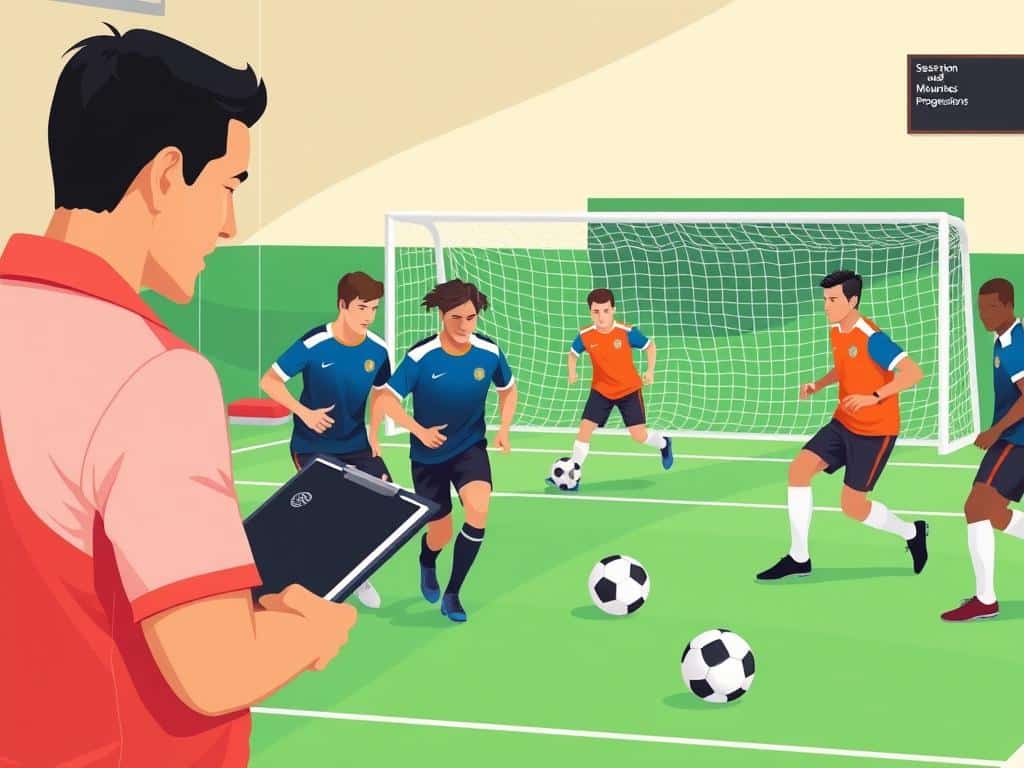
Plan each practice as a clear chain: start with a brief warm-up, move into focused drills, then finish with a conditioned match that mirrors real play. This order helps players see why each activity matters.
Warm-up to game-like: open with a rondo to prime scanning and first touch. Follow with a directional SSG to work transitions. End with a conditioned game that repeats the match cues you want to see.
Controlling intensity
Manage load by changing field size, time, and player numbers. Larger area per player or tight time limits raises intensity. Shrinking space or limiting touches shifts focus to technique.
Easy monitoring
- Simple markers: RPE from players, heart rate when available, plus tallies of passes, goals, and transition wins.
- Keep blocks short: 3–5 minute bouts with 60–90 seconds rest to protect quality and focus.
- Record one metric per block. Change only one variable if progress stalls.
Weekly alignment and reflection
Schedule heavier training early in the week and sharper, shorter sessions before match day. Finish each session with a 60-second reflection: one win, one work-on. Players own their development when they name it.
| Phase | Duration | Primary measure |
|---|---|---|
| Rondo warm-up | 6–8 min | First touches / scanning |
| Directional SSG | 9–12 min (3–4 bouts) | Passes / transitions |
| Conditioned match | 8–10 min | Goals / RPE |
Sample SSG blueprints you can run today
Here are plug-and-play session plans that deliver high-touch soccer work and clear coaching aims. Each activity shows the goal, a simple scoring rule, and one coaching cue so players stay in the flow.
- Finishing Frenzy 3v3 — 30×20 yards (RPA ≈100 yd²), fenced, two small goals. Continuous play for 10 minutes. Aim: quick combos and frequent shots. Cue: “Play forward and finish!”
- Possession Plus 4v4+2 — 36×24 yards, two-touch for attackers, goals count only after a switch. Aim: improve passing tempo and scanning. Cue: “Switch early, keep your head up.”
- Press and Break 5v4 — 40×28 yards, defending team gets two points for winning and scoring within 8 seconds. Aim: pressing triggers and counter attacks. Cue: “Hunt the ball, then explode.”
- Other variants — Wide Channels 4v4 with end zones; GK Distributor 3v3+GK with keeper roaming; One-Touch Finish Bonus across formats; Technical Boost by shrinking area and three-touch cap.
| Activity | Area | Primary aim |
|---|---|---|
| Finishing Frenzy 3v3 | 30×20 yd | Touches, finishing |
| Possession Plus 4v4+2 | 36×24 yd | Passing, scanning |
| Press and Break 5v4 | 40×28 yd | Pressing, counters |
Tip: Run each activity for 3–5 minute bouts with one metric to track (passes, shots, or turnovers). Change only one rule between rounds to see clear progress.
Common mistakes that kill learning—and how to fix them
Little coaching errors can quietly stop learning in its tracks. I’ve seen bright sessions waste time because of predictable mistakes. Below I call out those errors and give practical fixes you can use right away.
Over-coaching and stopping the flow too often
If you stop the game every minute, players lose rhythm and learning stalls. Fix it by giving one clear cue between rounds. Let the next bout test the idea instead of re-teaching in the middle of play.
Mismatch between constraints and the skill you want to see
When rules don’t match your outcome—like forcing two-touch when you want dribble moves—you block the very behavior you need. Align rules with goals. Change one variable at a time and observe.
- Too many static lines or drills: Replace long lines with live drills that force choices.
- Dominant teams: Re-balance numbers or shrink the field so both teams learn.
- Fields too large for age: Right-size area to protect development and confidence.
- Vague scoring: Use clear win conditions tied to the theme (bonus points for a switch before a goal).
- Feedback overload: Praise the desired behavior once, then return to play.
- No measurement: Track one or two simple stats so you know if a tweak worked.
| Mistake | Immediate Fix | Why it works | Watch-for metric |
|---|---|---|---|
| Stopping play too often | Coach between rounds only | Keeps rhythm; players self-correct | Decision quality next bout |
| Wrong constraints | Match rule to target skill | Enables desired actions | Frequency of target action |
| Unbalanced teams | Adjust numbers/area | Equal challenge for both sides | Possession flips / goals |
| Vague feedback | One cue; one praise | Protects confidence; reinforces behavior | Player confidence / RPE |
Observe-and-adapt: watch one bout, tweak only one lever, then re-test. If you want a deeper tactical read, see a focused piece on quick transition setups in our guide to counter-attacking tactics. Small changes, clear data, and fewer interruptions create faster development for your teams and players.
Safety, load management, and confidence building
Player safety and smart load control make every session more productive and more fun. When we design training, protection and progress must go hand in hand.
Balancing high involvement with adequate recovery
Use short, intense bouts of 3–5 minutes so quality stays high and fatigue-related errors drop. Plan rests and quick water breaks to keep focus and morale up.
Adjust RPA to change demand: larger area raises running and agility needs; tighter area increases contact and duels. Rotate squads so fresh legs drive better choices and confidence on the ball.
Teach clean body shape in duels and safe contact to protect joints. For return-to-play, start with lighter formats and shorter time, then scale toward full match demands.
- Monitor perceived exertion and willingness to continue — players learn when they feel in control.
- Embed short checks between bouts: breath, readiness, and simple mechanics.
- Keep tone positive and precise so commitment rises and anxiety falls.
| Bout length | RPA | Rest | Effect |
|---|---|---|---|
| 3–5 min | Small (tight) | 60–90 sec | High touch density; technical focus |
| 4–6 min | Moderate | 90–120 sec | Balanced work: skill + sprinting |
| 6–8 min | Large (open) | 120+ sec | More running and match-like transitions |
Conclusion
The fastest way to raise match readiness is to train with condensed, decision-rich activity. Use small-sided games so practice mirrors the pressures of real soccer and forces the choices players need to make in a match.
Evidence is clear: 3v3 touch counts, smart Relative Pitch Area choices, and meta-reviews all show better transfer to match play. National bodies now back smaller formats because they deliver integrated soccer gains across fitness, tactics, and technique.
You have the levers—format, RPA, rules, and timing. Pick a blueprint, tweak one variable, and watch how players respond. Track effort, touches, transitions, and goals. Grab cones, run the activity, and let practice teach—your team will feel the difference this week.