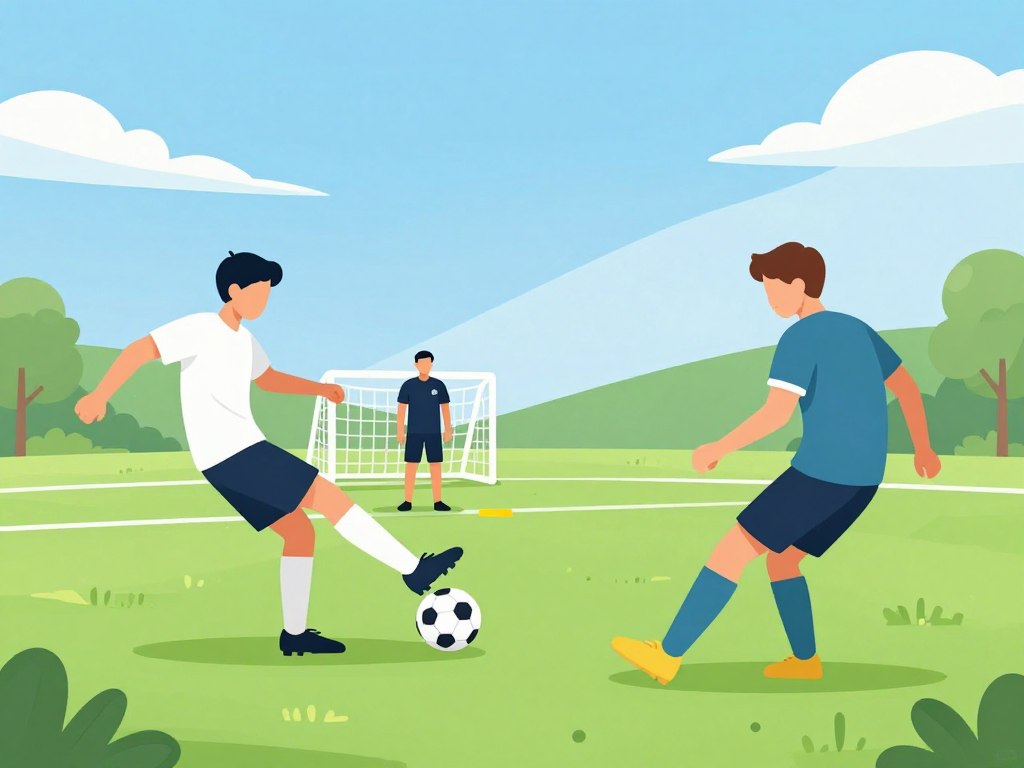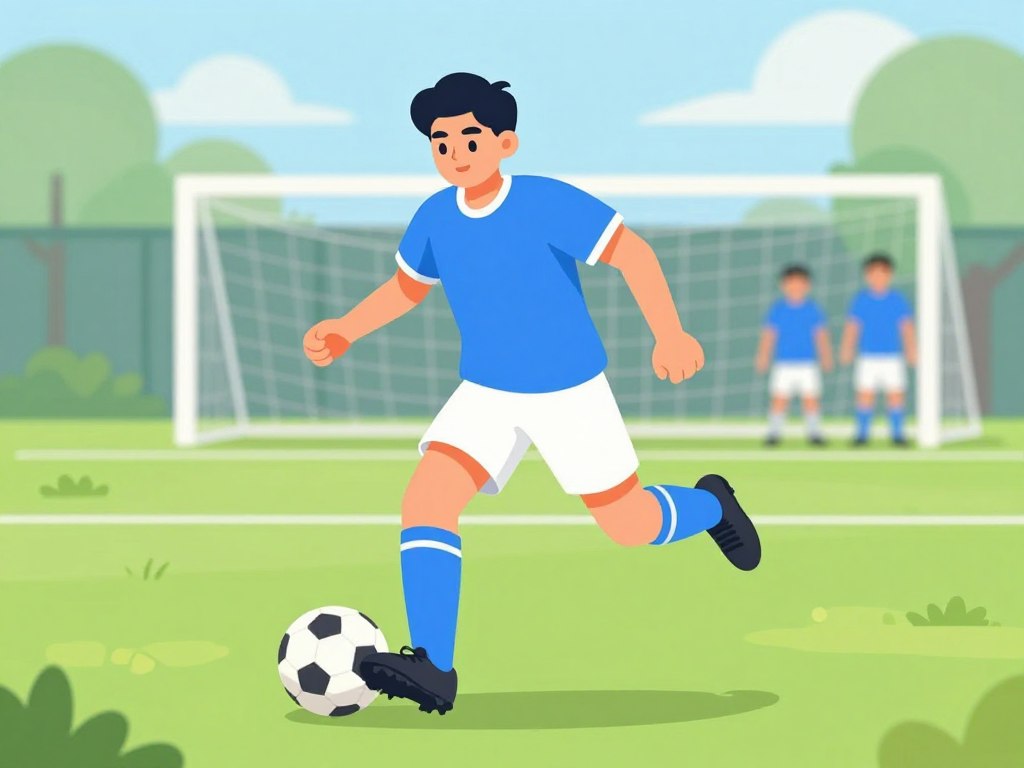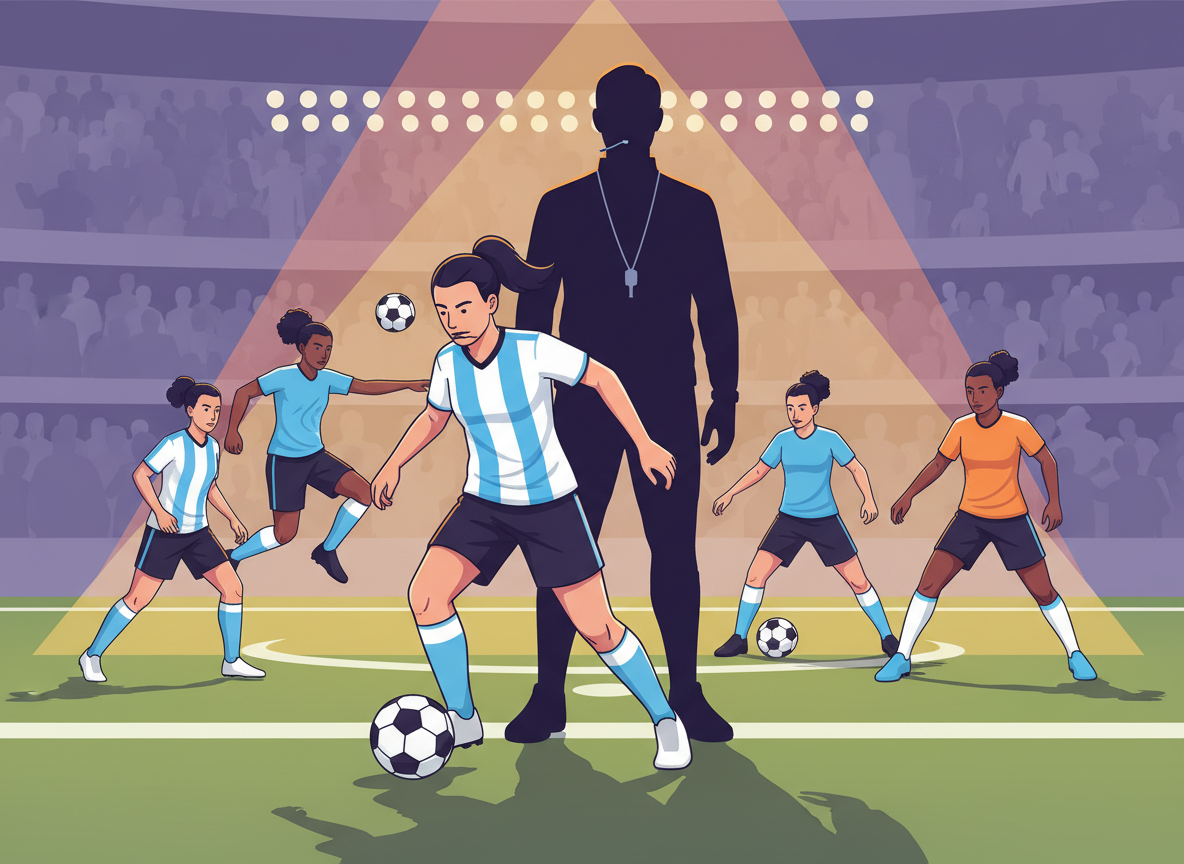

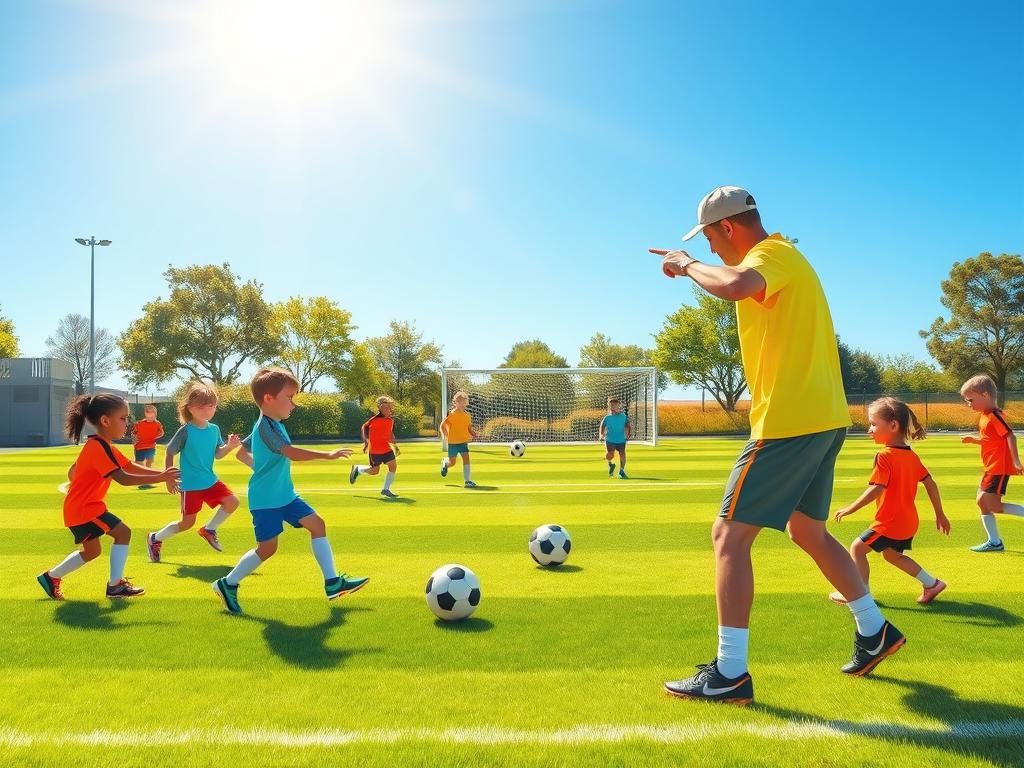
The phrase how to coach youth soccer effectively matters because every session should count for young players. I’ve seen coaches turn short practices into big gains with clear drills and simple rules.
Expect a step-by-step way that puts players first. You’ll get repeatable drills, quick arrival routines, and small-sided play that mirror game decisions.
We focus on development, not busywork. Clear goals, three coaching points, and a few balls are all you need. This plan respects your time and builds strong habits that last beyond a season.
Key Takeaways
- Turn practice minutes into meaningful learning with simple, repeatable drills.
- Use small-sided games to speed decision-making for young players.
- Set clear goals and three coaching points for every activity.
- Keep communication tight and arrival routines efficient.
- Build strong team culture while protecting player well-being.
- End with a practical toolkit for practice night and match day.
Core principles that make youth soccer coaching work today
Principles must be simple, shared, and practical. Start each session with a clear theme and two techniques that link to that theme. Repeat those techniques across drills so skills stick.
See players as people first. Respect builds trust and speeds development. A calm, fair reaction from the coach models behavior for the team.
Plan with purpose and protect ball rolling time. If players spend more time listening than moving, cut an instruction and add a short drill.
- Catch good habits: praise scanning, quick support angles, and brave 1v1 attempts.
- Use constraints-led drills: limited touches for faster decisions or end zones for width.
- Invite ownership: let a player lead warm-up once a month.
| Principle | Action | Quick example |
|---|---|---|
| Plan with purpose | Set session theme + 2 techniques | Passing under pressure, 10-minute progression |
| Respect first | Model calm, fair responses | Two-minute parent check-in after practice |
| Player ownership | Rotate leadership roles | Player-led warm-up or final game choice |
| Track learning | 10-second exit checks | Ask soccer players what they learned |
Plan with purpose: building training sessions that maximize learning
Pick one theme and three coaching cues. Then build every drill so the picture on match day is clear.
Set clear goals and three concise coaching points
Start each training session with a simple target: example — wide play. Use three cues such as early pass wide, first touch forward, low driven cross. Say them once, show a 45‑second demo, and let players repeat.
Balance fun, challenge, and repetition
Use a tight session arc: arrival with the ball, a small-sided technical game, an expanded game with a constraint, and free play that rewards your goal. Run two or three small areas to cut lines and give more ball touches.
- Fit the plan to your age group and level: short demos for U8, layered challenges for U13.
- Rotate constraints across times: two-touch, must pass wide, bonus for overlaps.
- Choose drills that serve the theme; replace nostalgia drills that don’t match your goals.
| Phase | Purpose | Example |
|---|---|---|
| Arrival | Quick ball work, wake up feet | 1v1 warm-up, 6 minutes |
| Technical small-sided | Practice the cue under pressure | 3v2 to wide target, 8 minutes |
| Expanded game | Link skill to tactical choice | 6v6 with must-pass-wide rule, 12 minutes |
| Reflection | Embed learning and plan tweaks | 5-minute player share and coach notes |
Finish every session with two notes: one success and one stretch. Document what landed; those records will help players develop next practice.
Small-sided games as the engine of player development
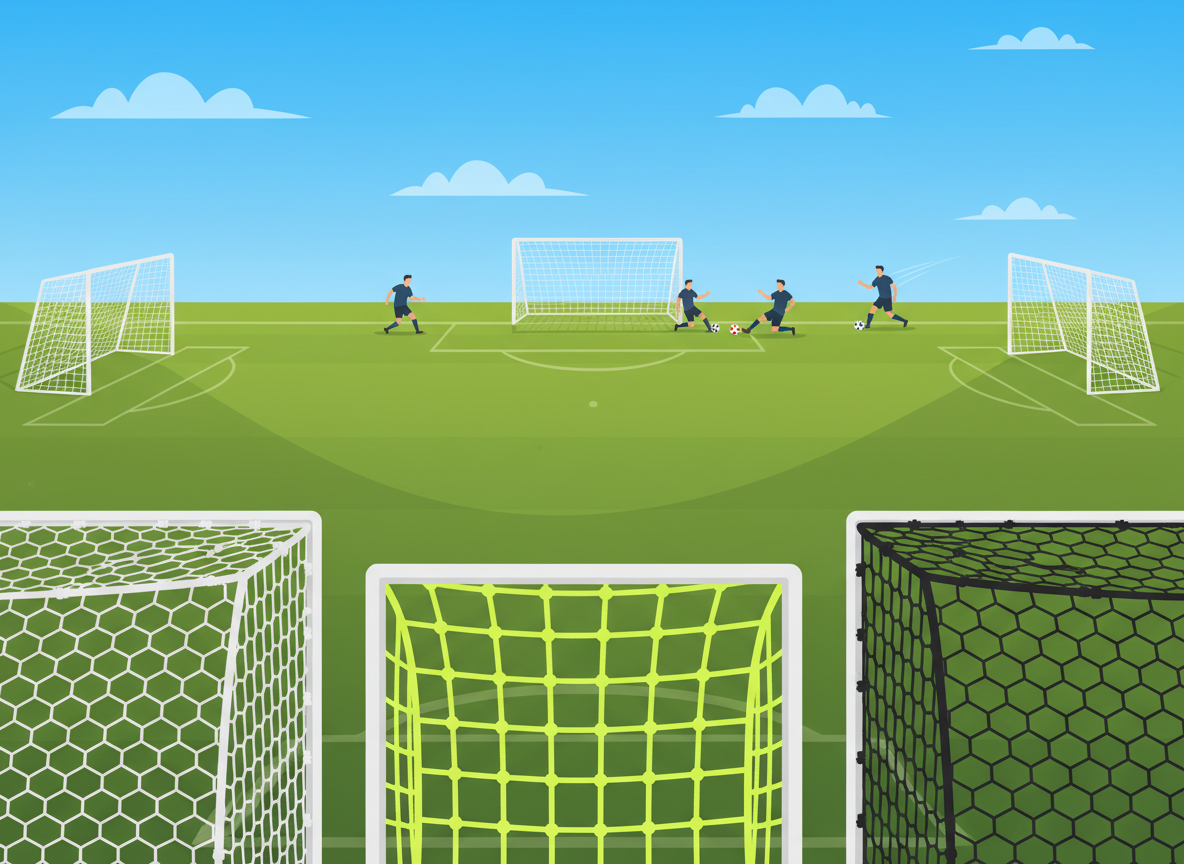
Small-sided games crank up touches and force real decisions in tight spaces. Fewer players equals more ball work, more choices, and faster learning. These formats fit any field and need only cones and small goals.
Why fewer players and more ball touches accelerate skills
Start small. A 2v2 to two pug goals keeps work rate high and gives each player repeated reps with the ball. That repetition builds confidence and sharpens technique.
Sample progressions: 2v2 to 4v4 with simple constraints
- 2v2: First to three at pug goals. Quick rotations, short rests.
- 3v3: Add end zones—carry in to score. Encourages dribbling and support angles.
- 4v4: Wide channels give bonus points for crosses and early service.
- Variants: 3v3+1 neutral, two-touch in middle third, winner-stays ladder.
| Format | Constraint | Primary focus |
|---|---|---|
| 2v2 | First to 3, rotate | Touches, 1v1 decisions |
| 3v3 | End zone scoring | Dribbling, support |
| 4v4 | Wide channels, cross bonus | Width, early service |
Count target plays—through-balls, overlaps, wall passes—to track learning. For lists of proven progressions and counter ideas, see counter-attacking tactics.
Arrival activities that engage players from the first minute
Make arrivals plug-and-play so players start with a ball and purpose. Set two or three small grids before anyone shows up and the session begins the moment they check in.
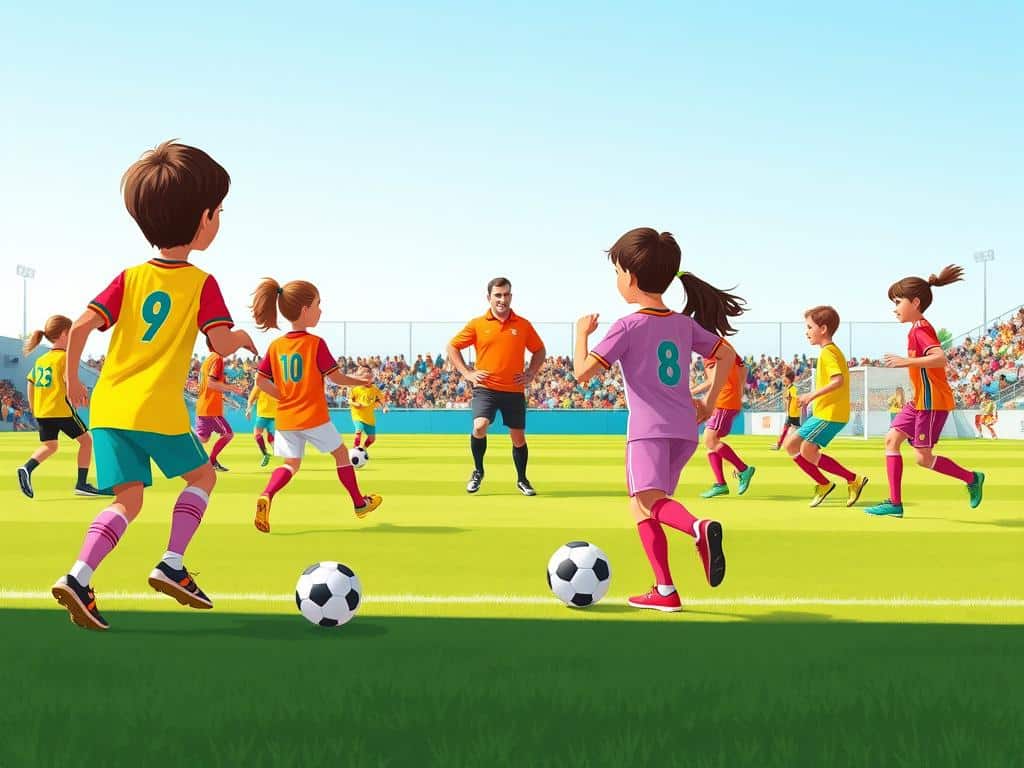
Ball-at-their-feet starters that reduce downtime
Rondos, dribble gates, and short 1v1s keep feet busy and choices sharp. Demo once, ten seconds of instruction, then let play teach.
Easy-to-set-up games that scale
- Gates Dribble: 60 seconds to score through as many gates as possible; beat your score next round.
- Parallel grids: run the same drill in duplicate to split the group and cut lines.
- 1v1 king-of-the-hill: winners move up, others rotate down for steady touches.
Quick challenges to prime decision-making
Blow the whistle and demand an immediate action: turn away from the nearest defender and find space. These micro-challenges build scanning without long talks.
| Starter | Setup | Goal | Why it works |
|---|---|---|---|
| Gates Dribble | Small cones gates, 1 ball each | Beat personal score in 60s | Competitive, high touches, no lines |
| Rondo | 4v1 in 6×6 grid | Keep possession, quick passing | Promotes scanning and pressure play |
| 1v1 Mini-Court | 3×5 yard boxes, quick rotation | Win the duel, rotate winners | Loads of repetitions, simple scoring |
| Two-touch Passing Mission | Pairs, through-gates, count passes | Two-touch rhythm, accuracy | Builds tempo and focus quickly |
Keep instructions under ten seconds, demo once, then coach with short cues. Finish arrivals with a two-minute “what did you notice?” before the main training session begins. This protects time and sends every player into practice ready and engaged.
Communication that sticks: praise, clarity, and calm coaching
Short, kind phrases help players act faster and learn more. Speak at their level, bend down, and use simple language that makes sense in the moment.
Use laser-specific praise so players understand what to repeat. Try: “Loved your first touch away from pressure.” Or, “Nice support angle—that gave space for the pass.”
Deliver the positive sandwich in one breath. Example: “Great scanning before the pass — next, open your body to see both sides — keep trusting quick choices.”
Keep corrections short and actionable. Say one action and one outcome: “Check shoulder — play forward if free.” Then move on.
- Speak calmly; your tone models respect in tense moments.
- Ask questions: “What did you see?” invites decision-making and keeps it fun.
- Limit huddles to 30 seconds; coach on the move and use shared cues: “Body shape!” “Open up!” “Face forward!”
Close loops by praising a player after they apply a correction. Jot two phrases that worked and one to replace. This builds a personal language bank for your approach.
| Goal | Phrase | When |
|---|---|---|
| Specific praise | “Loved your first touch away from pressure.” | After a rep |
| Quick correction | “Check shoulder — play forward if free.” | During drill |
| Sandwich | “Great scan — open body next time — keep trusting choices.” | Short huddle |
how to coach youth soccer effectively on game day
A clean, steady pregame routine sets players up to play with confidence. Arrive early and move through a short checklist. That gives you time and keeps the team calm.
Pregame routine: field check, equipment, warm-up, water, and words
Start with a five-minute field check: remove rocks, mark sprinkler heads, and flag uneven zones so players stay safe.
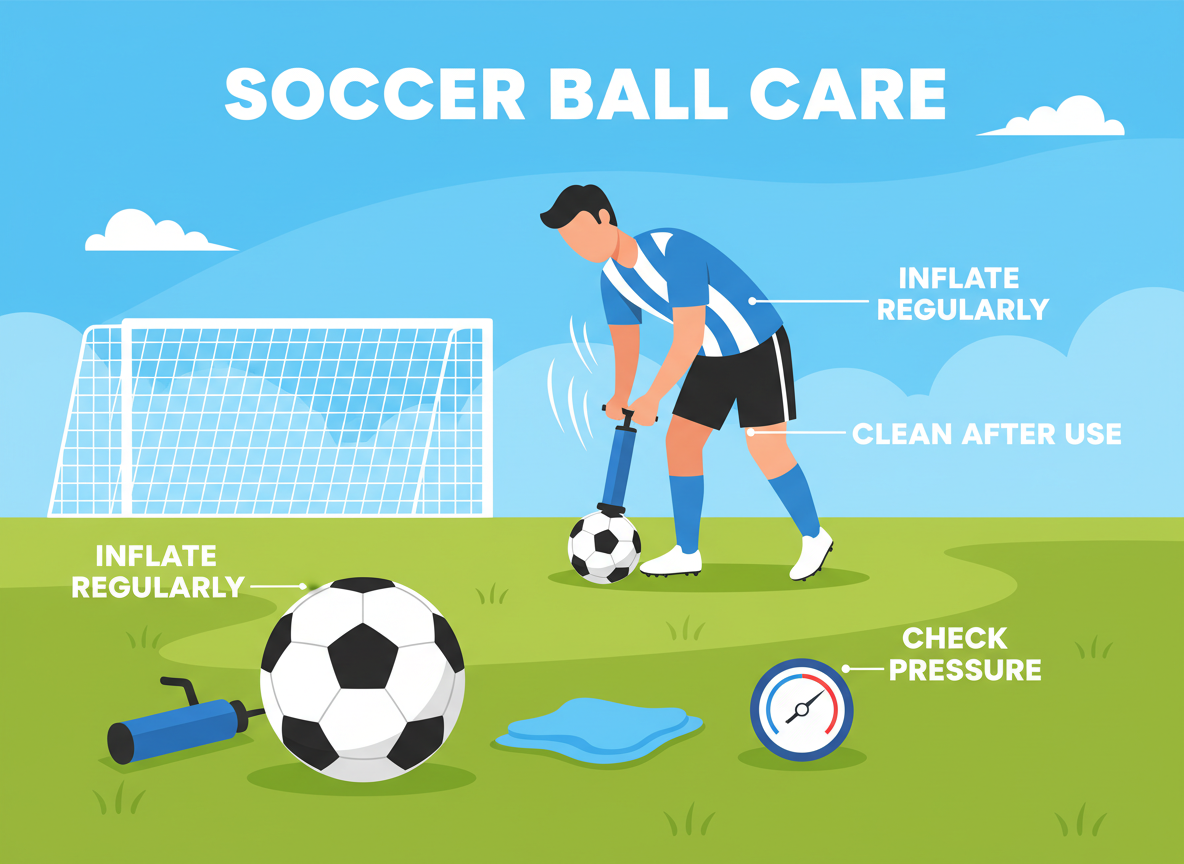
Verify uniforms, shin guards, cleats, plenty of balls, and a spare pump. Quick checks stop last-minute scrambles.
Warm up with light, ball-based activities like rondos, dynamic movement, and short sprints. Keep intensity low so legs stay sharp.
Give a water break before kickoff and remind players of one simple team theme that ties to recent drills and arrival activities.
Delivering a strong pregame talk without clichés or pressure
Keep the talk under 60 seconds. Be calm and distraction-free.
- Sample line: “Be brave on the ball, help a teammate, show respect.”
- Swap pressure: say “Let’s show our habits and enjoy the game,” not “We must win.”
- Emphasize fun, effort, and sportsmanship.
Managing substitutions, roles, and sideline behavior with respect
Assign first-half positions and the first two substitution windows before kickoff.
Track minutes with a simple rotation chart so every player gets balanced time and learning opportunities.
Model sideline behavior: call the next action, praise effort and fair play, and speak respectfully with referees.
| Item | What to do | Why it matters |
|---|---|---|
| Field check | 5-minute sweep for hazards | Player safety and fewer interruptions |
| Equipment | Uniforms, shin guards, balls, pump | No last-minute delays |
| Warm-up | Rondos, dynamic moves, short sprints | Sharpness without fatigue |
| Pregame talk | 60 seconds: calm, clear theme | Focus and positive energy |
After the game, name two team positives and one growth area, then release families. Save detailed review for the next practice.
Safety and well-being: creating a positive, secure environment
A fast safety routine sets a calm tone and protects learning time. I start every session with a two-minute field sweep and an equipment check. That small habit keeps players confident and ready for focused training.
Field inspection and equipment checks every session
Walk the pitch before warm-ups. Remove glass, mark holes, and note sprinkler heads.
Verify shin guards, cleats, pumps, and spare balls. Document any concerns and tell parents right away.
Age-appropriate workloads and managing player energy
Match intensity to the age group. Younger youth thrive on short, varied blocks. Older players can take longer reps with built-in rest.
- Workload guideline: U8–U10: 20–30 minute sessions of focused work; U11–U13: 30–45 minute progressions.
- Set hydration checks on the clock in hot times and watch for dizziness or overheating.
- Prioritize techniques and controlled contact before adding intensity.
Modeling sportsmanship for players and parents
Lead by example at every whistle. Applaud effort, thank the referee, and insist on handshakes after the game.
Use a calm reset when emotions spike: gather the group, breathe together, then restart with a simple constrained drill.
| Step | Action | Why it matters |
|---|---|---|
| Field scan | 2 minutes before session | Fewer interruptions; safer practice time |
| Equipment check | Verify gear at arrival | Prevents last-minute delays |
| Cooldown | Light stretch + short body check-in | Reduces soreness and builds trust |
Protect return-to-play: when in doubt, rest the player and inform parents. Share weekly minutes and intensity so families know your plan for long-term development.
Partnering with parents to build a strong soccer culture
Begin by sharing your season plan in ten minutes so families know what success looks like beyond the scoreline. I use this brief huddle to explain my approach, season goals, and how we measure progress: habits, minutes, and mindset.
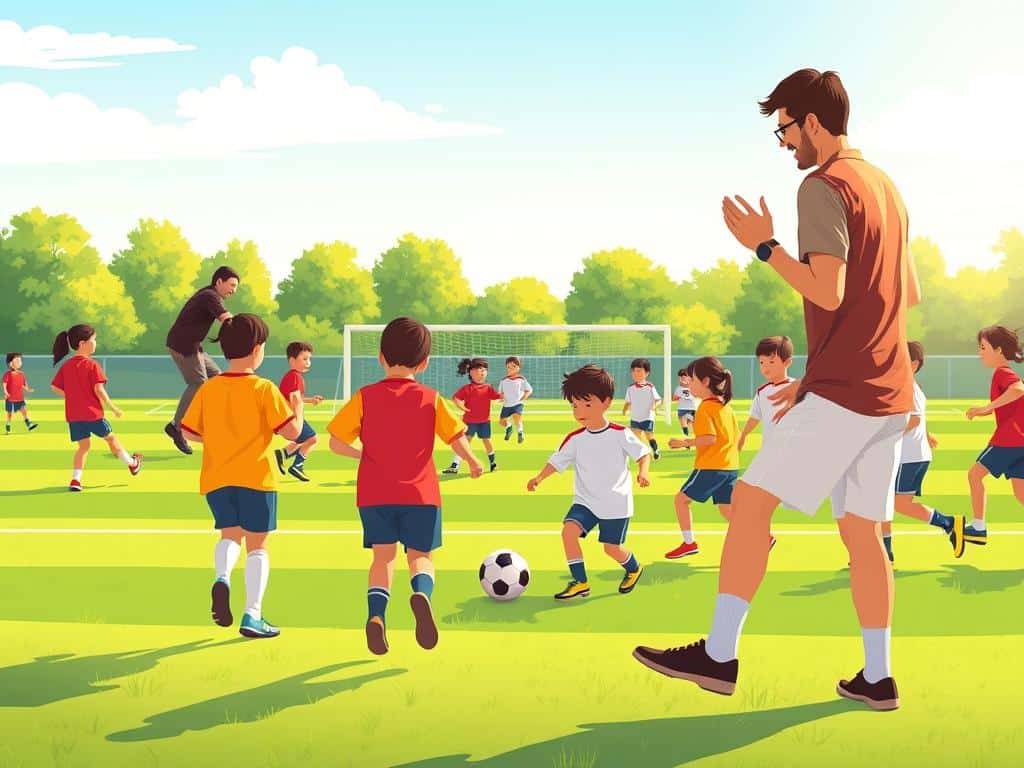
- Host a 10-minute parent huddle on day one: share theme, evaluation methods, and one key habit you’ll track.
- Define sideline roles: cheer effort, avoid tactical coaching during games, and show respect for officials.
- Send a weekly note: session theme, two focus habits, and one quick tip parents can use at home.
Make playing-time and fairness transparent. Publish your rotation policy early and name a parent liaison who handles routine questions.
| Action | What to say | Why it helps |
|---|---|---|
| 10-min huddle | “We focus on skill habits, minutes, and joy.” | Builds trust and reduces sideline conflict |
| Weekly note | Theme, two drills, one home tip | Parents see the why and can encourage players |
| Game-day norm | Ask open questions after games | Keeps focus on learning and fun |
Celebrate off-field wins—homework, kindness, or practice habits. Keep lines open: ask parents to raise concerns early and privately. That collaboration builds strong club culture and helps players thrive.
Let them lead: empowering young players on and off the ball
Give young players small, real choices and you’ll watch their confidence grow quickly. These moments let players develop leadership while they learn practical skills and habits.
Decision-making, team selection, and conflict resolution
Rotate mini-captains: pick a warm-up game, lead stretches with the ball, and name one focus for the session. Try a 60-second script: “I’ll pick gates dribble. My focus is quick scans.”
Self-select scrimmages: Once a week let teams form themselves. Watch negotiation. Step in only to nudge balance.
Fast conflict script: Each player gets 10 seconds to state their view. Then each suggests one fair fix. The coach confirms and moves on. This builds problem-solving and social skills.
Encouraging responsibility: packing gear and setting goals
- Assign gear roles: cones captain, ball manager, bibs lead. Each role rotates weekly.
- Set simple personal goals: “Two forward passes after scanning” or “One take-on in the final third.” Debrief briefly after games or drills.
- Create micro-opportunities in games: let the leader pick restarts or which side to overload this round.
- Run a player-led rondo: leader sets touch limits for two minutes, then swap. Peer teaching cements learning.
| Activity | What kids do | Benefit |
|---|---|---|
| Mini-captain | Lead warm-up, name focus | Ownership, quick decisions |
| Self-select scrimmage | Form teams, negotiate roles | Social skills, fair play |
| Gear roles | Manage cones, balls, bibs | Responsibility, routine |
| Peer teach | Show a favorite move | Confidence, deeper learning |
Celebrate attempts, not just success. When players try something new and fail, praise the effort. That encourages players to take smart risks and helps them develop into confident, creative soccer players.
Adapting coaching to different ages and levels
Different ages need different rhythms; your plan should bend, not break.
For U6–U8, keep fields tiny and instructions under 15 seconds. Make drills feel like tag so players absorb one skill at a time.
U9–U10 is the bridge. Introduce light position ideas and use 3v3 or 4v4 training sessions that grow decision-making without clutter.
At U11–U12, add tactical pictures: support angles and switching play. Still protect lots of finishing chances so skill stays sharp.
For U13–U14, layer constraints for quicker play and build leadership moments to guide challenging players in real scenarios.
U15+ demands balance: competition with recovery, varied intensity across the week, and links between training and match analysis.
- Scale within a team: run parallel grids—same theme, different constraints and target totals.
- Ball mastery: beginners repeat core touches; advanced players add pressure or timed combinations.
- Language: simplify cues for younger players; give older players more autonomy and choice.
- Staple drills: keep two or three drills that evolve so progress is visible and confidence grows.
| Age band | Focus | Immediate tweak |
|---|---|---|
| U6–U8 | Basic touch, fun | Tiny fields, 15s cues, tag-like drills |
| U9–U10 | Decision-making | 3v3/4v4 games, light position ideas |
| U11–U12 | Tactical pictures | Support angles, switching, lots of finishing |
| U13–U14 | Speed and leadership | Layered constraints, player-led moments |
| U15+ | Competition & recovery | Vary intensity, connect training with match review |
Track how players develop: attention span, movement quality, and decision speed. Tweak your soccer coaching using those signals and create consistent opportunities for growth.
For a closer look at pro environments and scaling habits, see inside the work environment.
Keep growing as a coach: your learning toolkit and next steps
Your toolkit should help you act fast after practice and stay curious between sessions. Small, repeatable habits make development real. Use mentors, short courses, and ready-made plans to stay inspired.
Find mentors, courses, and session libraries
Pick one mentor you can text and call monthly. Enroll in a local course this season and bring one idea back each week.
Curate podcasts, books, and match analysis
Block a 30-minute learning slot after practice. Watch a clip, take notes, and link it to your next training session. Use Soccer Coach Weekly for drills and ready-made practice plans.
Reflect after practices and games
- Use a five-minute template: What worked? What didn’t? What will change?
- Film a slice of a session and review talk time and body language.
- Track three players you want to help players develop and note interventions.
| Action | Why it helps | Quick step | Resource |
|---|---|---|---|
| Mentor call | Accountability and fresh ideas | Monthly 20-minute call | Local coach or experienced mentor |
| Weekly review | Link learning with practice | 30 minutes post-practice | Match clips, notes |
| Drill library | Consistent, varied session plans | 3 themes × 3 drills | Soccer Coach Weekly |
| Share with club | Build strong culture | Monthly resource share | Club meeting or email |
Celebrate progress. Small steps, steady curiosity, and smart drills create opportunities for players and help you become an effective coach. Keep it simple, keep it weekly, and enjoy the learning.
Conclusion
Finish with a clear checklist that turns weekly training into steady progress.
You’ve got a clean way: plan with purpose, run small-sided games, and keep talk short so players spend more time on the ball. Use two trusted drills and evolve them across sessions so players understand the big picture.
Start this week: open with an arrival activity, run a small-sided progression, and close with a 60‑second reflection. Protect safety checks, simple goals, and steady notes after practice.
Bring parents in, let teams lead small moments, and try one new constraint per training. Pick one idea now and run it at your next practice—momentum beats perfection.
Next step: choose one drill, set one clear goal, and watch players grow on and off the field.