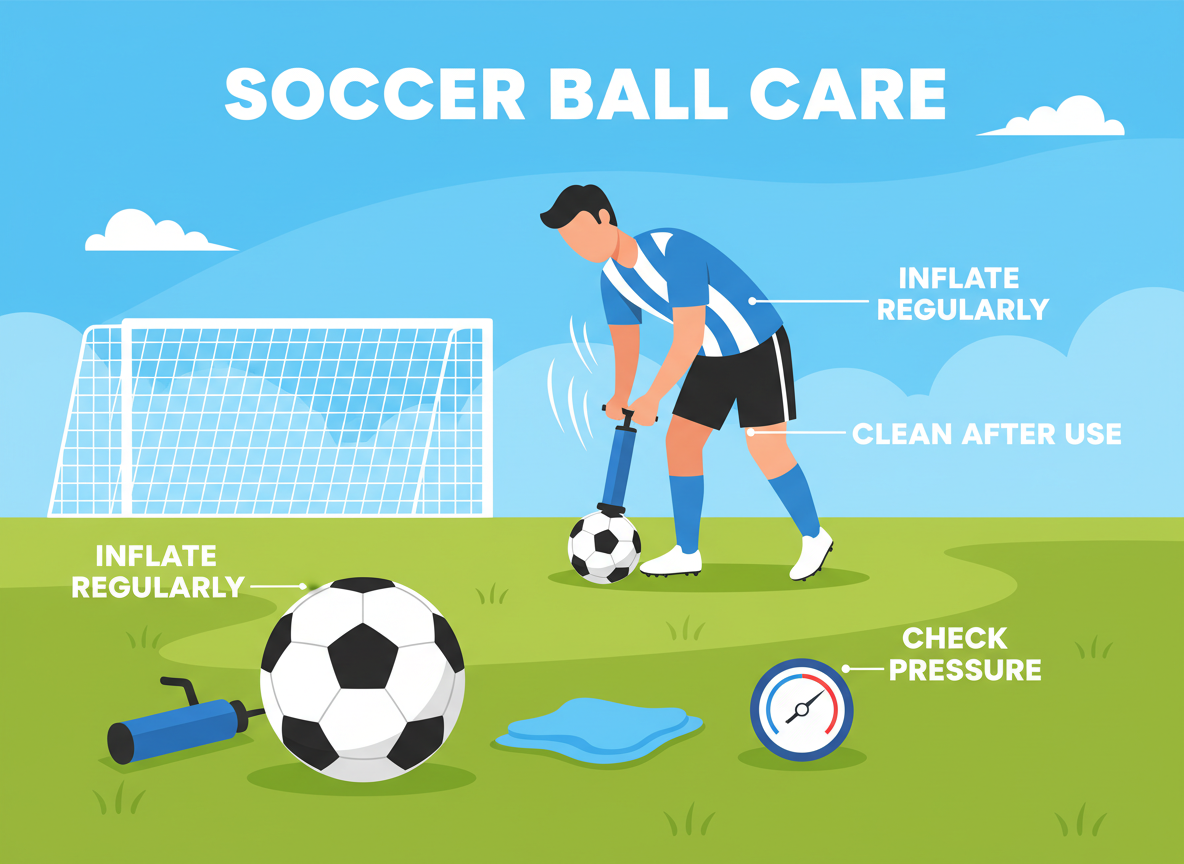

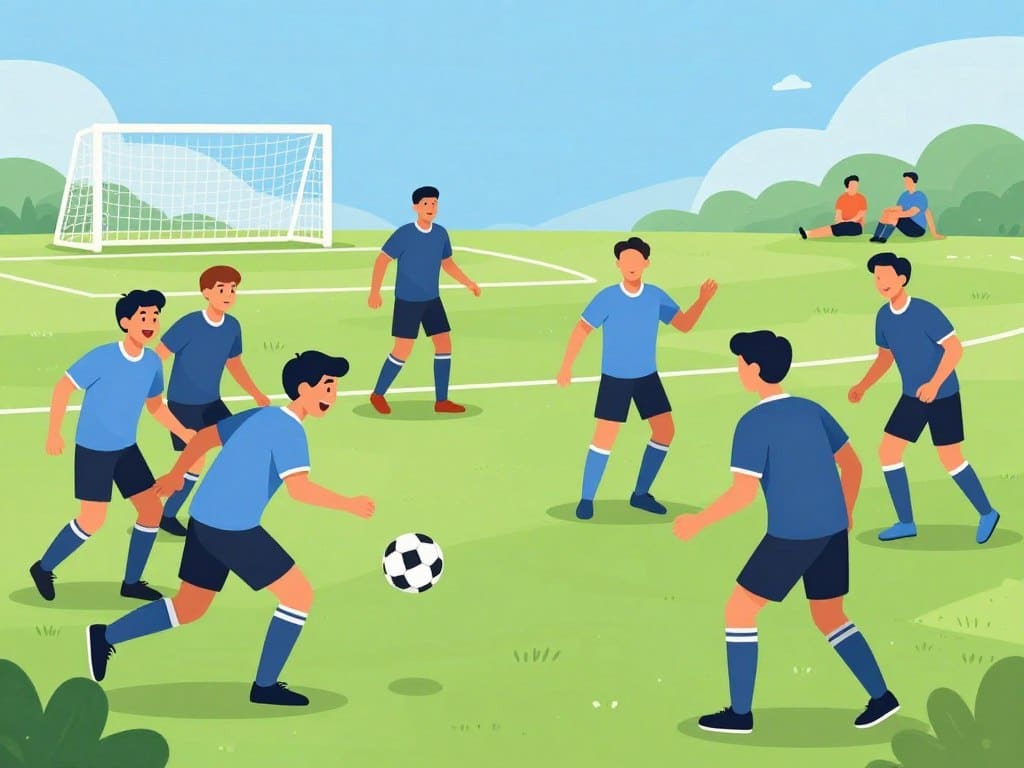
Want a quick way to make practice feel like real growth, not just a random “team day”? I ask that because I’ve seen players light up when drills double as trust builders.
I set the expectation right away: these team bonding activities soccer options feel like practice so everyone buys in fast. I preview three buckets you can pick from—on-field training-style games, problem-solving challenges, and off-field connection builders.
I explain how I think about team building in soccer: not speeches, but repeated moments where players talk, adjust, and support someone who trips up. That way, the work on the grass directly improves decisions in matches.
I promise clear setups—space, cones, balls, numbers—and a quick “why it works” for each idea. These drills fit youth, adult rec, and mixed-skill groups when you tweak rules instead of lowering standards.
Key Takeaways
- Practical first: Exercises should mirror practice so players buy in quickly.
- Three buckets: on-field drills, problem-solving, and off-field connection.
- Focus on short, repeatable moments that build communication and trust.
- Each drill includes setup details and a simple explanation of why it works.
- Drills scale for youth, adult, and mixed-skill groups with rule tweaks.
Why soccer team building works for communication, teamwork, and morale
I’ve seen how a short, focused drill can flip nervous silence into steady, useful chat during games. A clear objective on the pitch gives players a shared reference point; everyone knows what “good” looks like in real time.
Common goals and clear roles that translate to real performance
Shared goals—like keeping possession or defending as one—make cooperation obvious. When the aim is simple, players call for the ball and move with purpose instead of guessing.
| Role | What they do | What you’ll see |
|---|---|---|
| Organizer | Sets shape and directs play | Pointing, short commands |
| Connector | Links defense to attack | Quick passes, scanning |
| Finisher/Stopper | Completes or breaks runs | Decisive movement, fewer backtracks |
Motivation, stress relief, and a positive culture through play
Fun drills make players talk more; that extra chat improves transitions and defensive recovery. A fast, playful exercise burns off nerves so the group stays focused but lighter in mood.
Respect grows when fair play is enforced; small wins raise commitment and long-term motivation toward success.
Trust and feedback loops in passing and decision-making
- Passing builds trust: you learn who checks shoulders and who calls for help.
- Quick feedback appears naturally: a poor touch gets a calm correction; the player adapts faster in a safe environment.
- Simple signals—calling a name, pointing to space, saying “man on”—prevent turnovers and speed regrouping.
Good team building trains visible skills coaches measure: fewer silent possessions, faster regrouping after mistakes, and steadier composure late in games. Those outcomes drive better performance and a healthier culture on and off the pitch.
How to choose the right activities for your soccer team
Pick drills that solve one clear problem; that choice sets the rest of the session. First, name the outcome: improve communication, sharpen cooperation, or build calm under pressure. That single decision tells you which exercise to run and how to measure success.
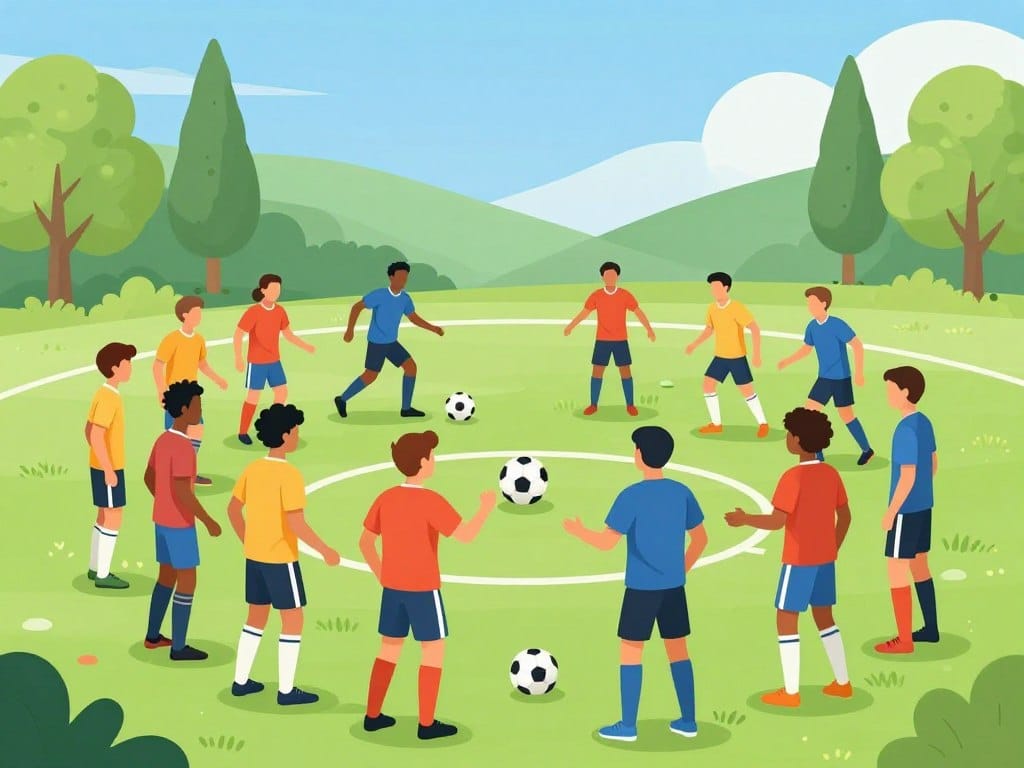
Match the goal
- If you want louder talk, pick grouping or calling games that reward names and scans.
- If you want calmer decisions, use short, timed problems that force early choices.
- If cooperation is the aim, score shared behaviors (passes, switches) instead of speed.
Adjust for age and level
Change grid size, allowed touches, or scoring rules to make the work thoughtful without reducing challenge. A smaller space raises pressure; a two-touch limit forces scanning and faster passes—an easy modification that still includes less-skilled players.
Coach setup tips
- Demo once; state one-sentence rules.
- Use a hard time cap (60–90 seconds) to keep focus.
- End with a 60-second debrief: “What did you say that helped?” or “When did we stop talking?”
Safety and inclusion
| Need | Quick fix | Why it works |
|---|---|---|
| Reduce collisions | No-contact dribbling or larger spacing | Keeps drills game-like but safer |
| Mixed abilities | Rotate roles; pair experienced with newer players | Builds confidence and shared learning |
| Fair scoring | Reward teamwork actions, not just goals | Encourages calling, scanning, and helping others |
Every choice is an opportunity to help players work together in chaotic, game-like moments. When you need a guide for structuring a full session, I also recommend you plan a session that layers these short, focused drills into a coherent training flow.
On-field team bonding activities soccer that feel like real training
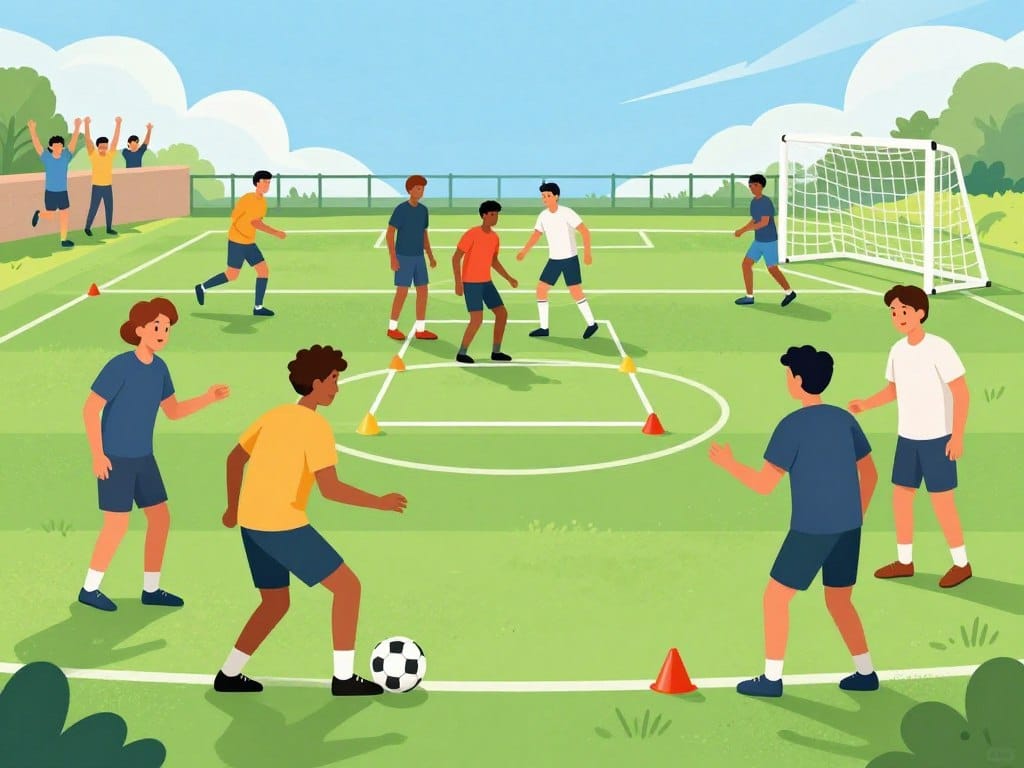
Use fast, repeatable field games that reward clear calls and quick regrouping—those moments show up in matches.
The Numbers Game
Setup: grid, every player with a ball. Coach calls a number; that many players form a small group and keep possession.
Why it works: it forces listening, fast regrouping, and calm after broken plays.
Debrief prompt: “What call helped you find space?”
No Contact Dribbling
Setup: box, one ball per player, no contact allowed. Shrink the grid each round.
Why it works: shrinks force heads-up dribbling, better ball protection, and sharper decision-making.
Debrief prompt: “When did you look up?”
Stick Together Tag
Setup: small-sided tag where linked players move and try to tag others; links reset on break.
Why it works: promotes constant talk and coordinated movement; the consequence keeps focus positive.
Debrief prompt: “What call kept your link?”
Tic-Tac-Toe with dribbling
Setup: cone grid, teams dribble to place balls as X or O. Teammates direct the runner.
Why it works: quick decisions and teammate direction under pressure.
Debrief prompt: “Who directed the play?”
Passing-game variations
- Two-touch circles: forces clean first touch and quick passing.
- Name-call passing: must call recipient before release to build effective communication.
- Scan-before-receive: reward players who check shoulders before control.
Quick debrief: “Did we scan early?”
| Drill | Time | Constraint |
|---|---|---|
| The Numbers Game | 6–10 min | Immediate re-entry after short sit-out |
| No Contact Dribbling | 5–8 min | Shrink grid each 60s |
| Tic-Tac-Toe | 8–12 min | Max 2 touches per dribble entry |
Problem-solving soccer challenges that create instant cooperation
Short puzzles push groups to plan first and move later; that planning is the core of cooperation. I use four quick exercises that force clear roles, calm choices, and fast feedback.
Pipe Race
Setup: teams of four, three half-pipes each, one ball, finish line. The win usually goes to the calmest plan, not the fastest sprinter.
- Roles: starter, runner, catcher, resetter — assign before you start.
- Coach cue: one voice speaks strategy; name the next move.
- Debrief prompt: “What was our plan?”
The Field Is Lava
Players cross a marked zone using paper sheets as safe tiles. Stepping off restarts the run.
Inclusion tweak: give mixed-ability groups an extra safe tile so the focus stays strategic, not purely physical.
Human Knot
Circle up, grab hands across the group, and untangle without letting go. It forces listening, respectful touch, and clear directions.
Coach rule: one speaker at a time; every instruction must include a direction and a reason.
Build It
Simon Says spin-off: coach calls a shape and a number; teams form it with bodies under a short time limit.
- Purpose: sharpens listening and shared execution under pressure.
- Debrief prompts: “When did we rush?” and “How did we decide?”
| Challenge | Time | Key lesson |
|---|---|---|
| Pipe Race | 4–6 min | Role clarity reduces chaos |
| The Field Is Lava | 5 min | Patient problem-solving and balance |
| Human Knot | 3–5 min | Communication-first reset |
| Build It | 2–4 min | Listening and rapid agreement |
Competitive team games that boost spirit without hurting team chemistry
A well-run contest on the field can teach cooperation as much as it teaches winning. I favor formats that push players but protect pride.
The Great Race
Relay format with stations: dribble cones, juggle five times, and sprint a timed transition. Teams rotate roles so quieter players coach between reps.
Soccer Putt-Putt
Build a mini-course with cones, bags, and small goals. Assign each player a “club” and let strategy beat power; this highlights touch, angles, and calm decision-making.
Penalty shoot-out
Keep rules simple and supportive: one positive comment per shooter before the kick. It trains nerves, commitment, and instant team support after each attempt.
Final scrimmage with constraints
Force minimum passes before scoring, rotate captains, or double goals after a switch of play to reward collaboration over solo runs.
- Scoring tips: bonus points for clean transitions and loud, supportive communication.
- Keep it healthy: celebrate effort, not just winners; debrief with two quick questions: “How did we react to a miss?” and “Did we follow the plan?”
| Game | Time | Key rule that protects chemistry |
|---|---|---|
| The Great Race | 8–12 min | Bonus for whole-group finish and clean handoffs |
| Soccer Putt-Putt | 10–15 min | Points for strategy, not distance |
| Penalty shoot-out | 5–10 min | One positive comment before each shot |
| Final scrimmage | 15–20 min | Minimum passes and rotating leaders |
Off-field bonding activities that strengthen relationships between players
Small rituals off the field change how feedback lands during tight matches. When players really know one another, corrections feel like help, not criticism. That shift protects morale and speeds learning.
Page of Compliments
Tape paper to each back and have teammates write short, specific notes. Encourage lines like, “You always track back” or “Great early pass”. Specific praise builds genuine confidence.
Team Web
Stand in a circle, pass a ball of string while naming one value a person brings. Hold tight as the web grows. The visible links make individual roles and connections memorable.
Quick get-to-know formats
Run Teammate Speed Dating: 60–90 seconds per partner with soccer-friendly prompts (pre-game routine, proudest moment, favorite position). Follow with Two Truths and a Lie for a fun listening check.
Meals, trivia, and service
Rotate who picks a pre- or post-game meal spot; set a 10-minute “no-soccer” rule to start conversation. Host a trivia night with categories like MLS, Champions League, or club crests so different personalities shine.
Finish with a community service event—park clean-up, shelter help, or a 5K volunteer shift. Shared service becomes a story the group carries; it deepens respect and builds a real sense of culture.
| Idea | Format | Why it helps |
|---|---|---|
| Page of Compliments | Paper, pens, 5–10 min | Boosts individual confidence with specific praise |
| Team Web | String, circle, 8–12 min | Makes mutual value visible and memorable |
| Speed Dating + Two Truths | 90s rounds, laugh-friendly | Fast way for players to get know each other |
Culture-building activities that improve communication and fair play
Micro-habits—short scripts and clear sideline roles—turn noise into effective communication. I teach three simple rituals that coaches can run in minutes and players can repeat under stress.
The Buddy System
Assign each player one buddy before kickoff. Their job is specific: call out one genuine encouragement and one quick cue each half.
- Example cue: “Next one’s yours—cut to space.”
- Example praise: “Nice recovery—keep it up!”
Fair-play role-play
Run three short scenarios in warm-up: disputed throw-in, blame after a goal, and a hard tackle in a no-contact drill.
Give scripts players can repeat under pressure: “We reset—what’s next?” or “Focus on the ball, not the blame.”
Fans-as-team-boosters
Give bench roles: energy captain, cue caller, and water/support lead. Teach one chant and one sideline signal.
| Habit | Time | Why it helps |
|---|---|---|
| Buddy checks | 2 min pre-game | Improves effective communication and morale |
| Role-play | 5 min | Builds conflict resolution and respect |
| Sideline roles | Setup before match | Keeps bench involved and boosts performance |
These small, repeatable moves give every player a clear role and create real opportunity to improve communication, cooperation, and long-term success.
Conclusion
Pick a simple weekly rhythm: one quick warm-up game, a mid-practice cooperation challenge, and a 60-second debrief. That small habit makes team building part of regular training instead of a rare event.
Try this two-week starter: an on-field numbers game, a pipe-race problem-solving drill, and a short off-field compliments page. Repeat the same exercises with a tiny rule change to push new skills.
Keep it brief: 10–15 minutes per session. Measure who talks, who supports, and who helps a player reset after an error—not just who wins the game.
Pick one idea tonight, run it simply, and watch how the soccer team shifts. If you want a quick consult, reach out via contact.