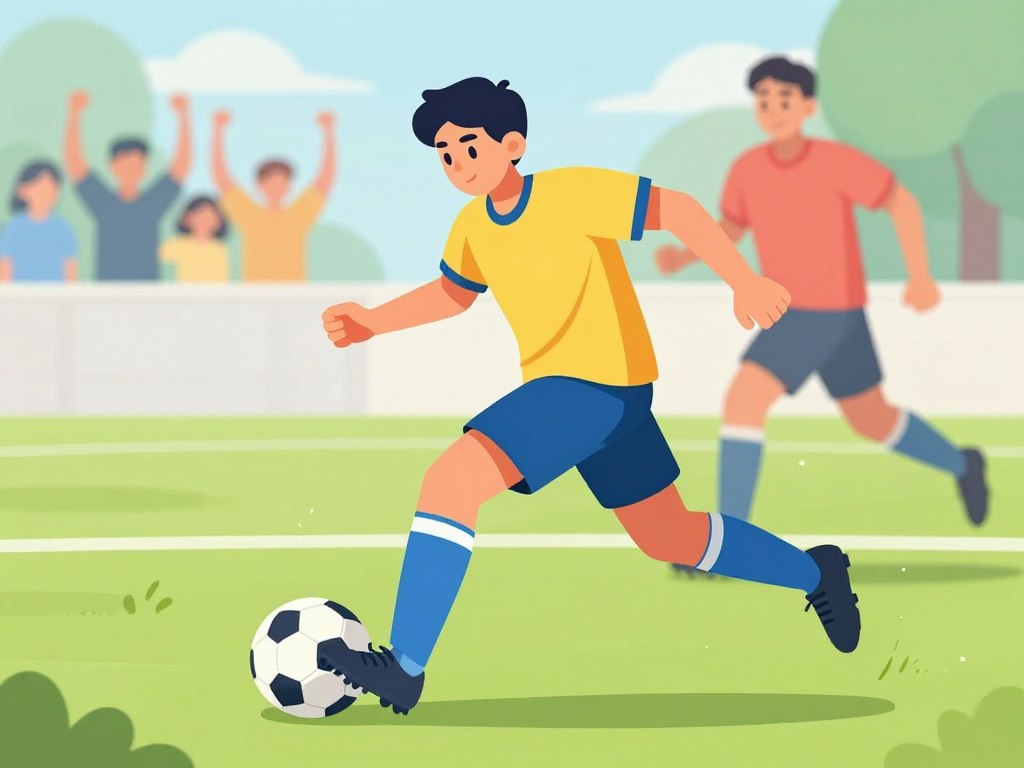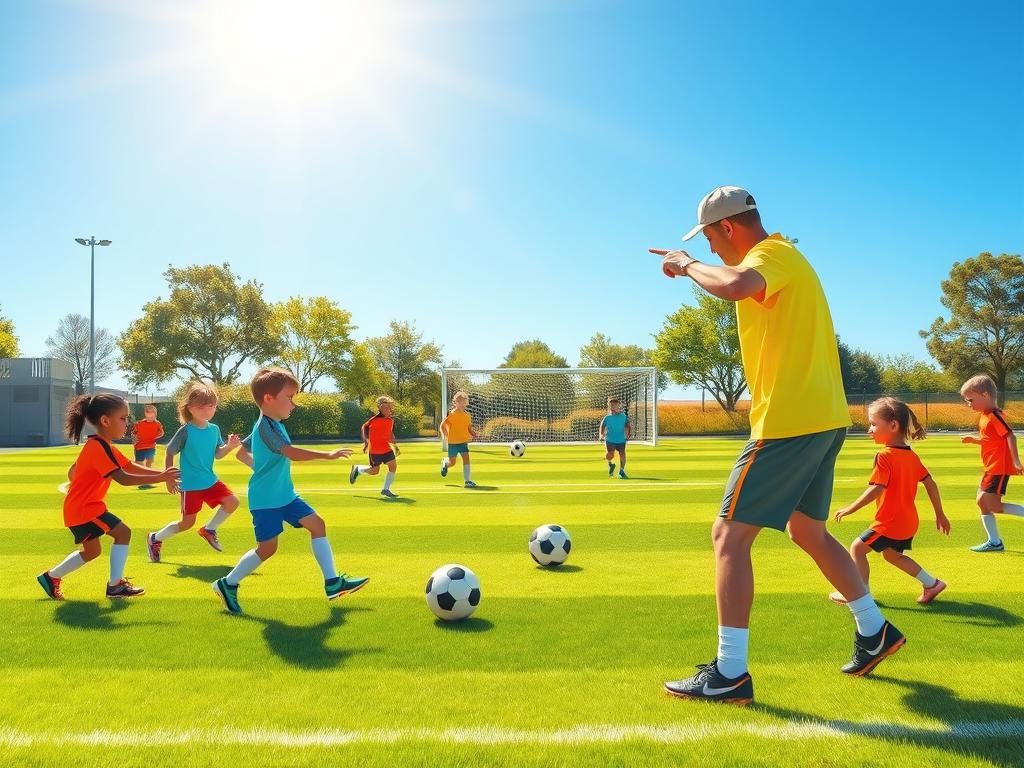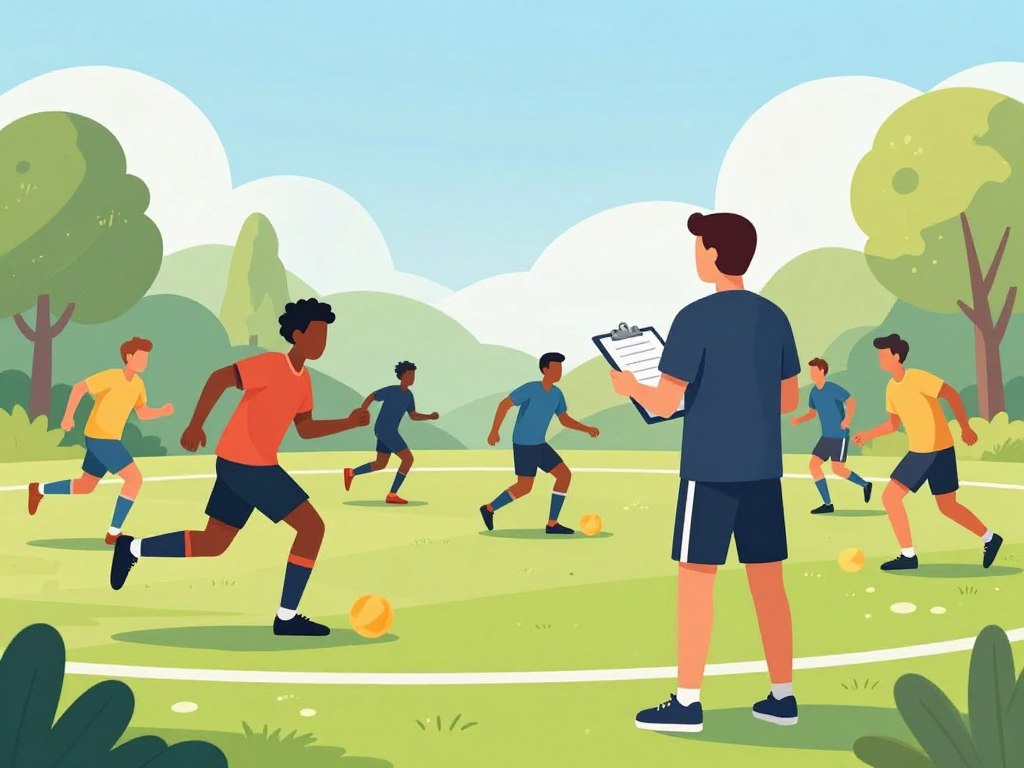

Johan Cruyff once said, “You have to shoot, otherwise you can’t score.” That simple truth captures the entire essence of putting the ball in the net.
I still remember my own early realization. Scoring wasn’t just about blasting the ball with power. It was about making the perfect decision in that split second when everything is on the line.
You’ve probably felt that gut-punch frustration. Your team dominates possession, creates chance after chance, but the ball just won’t go in. That’s because finding the net is arguably the hardest skill in the game.
So, what separates a great attacker? It’s not raw talent alone. It’s the countless hours spent in specific, realistic exercises. These sessions teach you to read the play, position your body, and act decisively under real pressure.
The right kind of practice builds something deeper: mental composure and unshakable confidence. This is what you need when you’re one-on-one with the keeper or when a cross flies into the box with everyone watching.
I want to share the essential exercises that transform average attackers into genuine threats. We’ll cover everything from fundamental body mechanics to advanced, game-like scenarios that prepare you for those decisive moments.
Key Takeaways
- Scoring goals is the hardest skill in soccer, requiring more than just shooting technique.
- Great finishers are defined by their decision-making and composure in high-pressure moments.
- Effective practice goes beyond simple repetition; it must simulate real-game scenarios.
- Mental confidence is just as important as physical skill when attempting to score.
- Dedicated, focused drills are essential for developing the instincts needed to be a consistent threat.
- The difference between scoring and missing often comes down to preparation and practiced instinct.
Why Effective Finishing is Crucial in Soccer
The scoreboard is the ultimate judge, and it only cares about one thing—the final touch. All the passing, movement, and tactical work in the world culminate in that one moment. Putting the ball in the net is the entire point of the sport.
Understanding the Art of Finishing
Many confuse a powerful shot with a true finish. Shooting is the action; finishing is the precision and decision. It’s about placing the ball exactly where the goalkeeper isn’t.
Ever notice how the best in the world often use finesse over force? They read the keeper’s position and pick their spot. That’s the art.
The Impact on Game Outcomes
I’ve watched games where one team dominates every stat but loses. They had more possession and more attempts. Yet, they lacked the composure for that last, decisive touch. That final action separates winners.
Scoring goals is incredibly hard because you must execute perfect technique under immense pressure. Defenders close in, the keeper rushes out, and you have a split second. Your mind must be as trained as your body.
This is why focused practice on this skill is non-negotiable. You’re rehearsing the moments that truly change results.
Building Confidence in the Penalty Area
Think about the last time you were in the penalty area with the ball at your feet. What went through your head? That moment is about more than skill. It’s a mental test.
True belief near the goal comes from knowing what to do before the ball arrives. You must read the play and commit without a second thought.
Emphasizing Decision Making and Positioning
Your position dictates your options. I’ve seen talented attackers in poor spots; they get the ball but have no angle. Good decisions start with being in the right place.
Anticipate where the ball will be. Watch defenders and find gaps. This awareness turns a hopeful run into a clear chance.
Techniques to Boost Player Confidence
Start with simple scenarios. Add a passive defender, then active pressure. Success in these drills builds real belief.
Encourage calculated risks. The best strikers know when to pull the trigger. Repetition under realistic pressure makes that final action feel automatic.
Fundamentals of Soccer Finishing
It’s not about how hard you kick; it’s about how well you connect. I’ve watched countless players blast the ball with all their might, only to see it fly wide. True scoring comes from precise technique.
Key Techniques and Body Mechanics
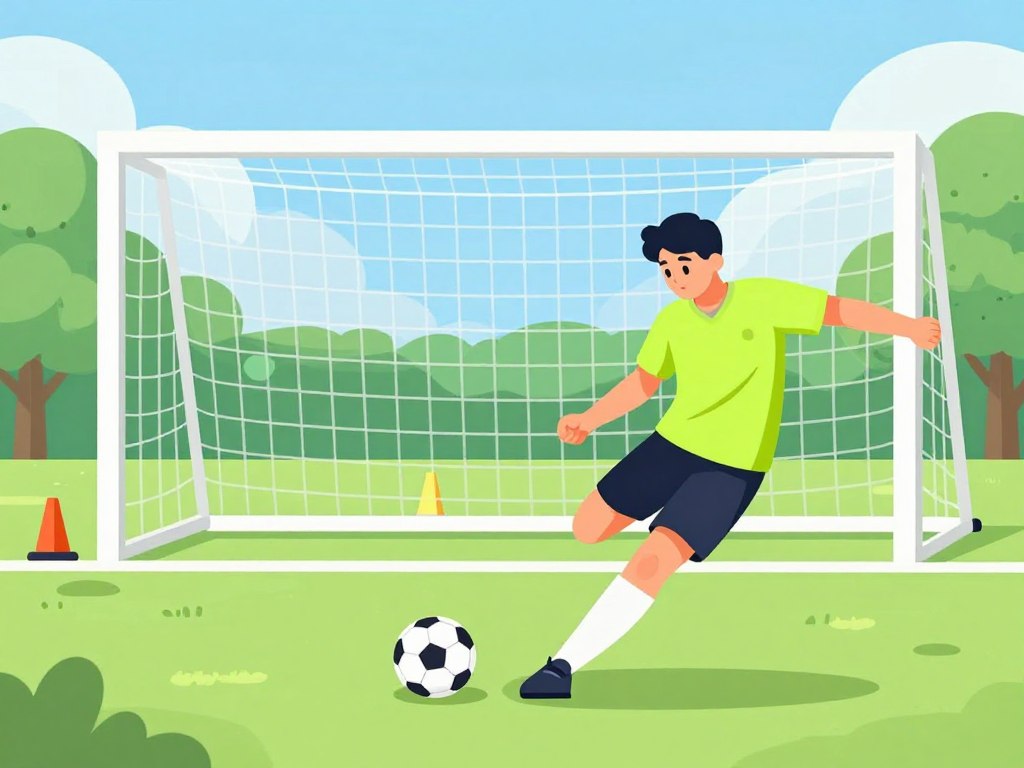
Your planted foot is your anchor. Position it beside the ball, pointing toward your target. This simple act dictates your balance and the shot’s direction.
Keep your eyes locked on the ball and your ankle firm upon contact. Your striking foot should follow through toward the goal, with your weight transferring forward.
Focus on placement over power. Use your body’s momentum to guide the ball. Identify your weak spots—like your weaker foot—and target them in practice.
| Common Flaw | Proper Technique | Immediate Result |
|---|---|---|
| Stabbing at the ball | Smooth, complete follow-through | Controlled accuracy and pace |
| Eyes looking up at the goal | Eyes fixed on the ball at contact | Clean, consistent strike |
| Leaning the body backward | Weight forward over the ball | A low, driven shot |
| A loose, floppy ankle | Ankle locked and rigid | Maximum power transfer |
Many players neglect these shooting mechanics. They chase power and lose accuracy. A clinical finish starts with a clean first touch and disciplined body shape.
Soccer Finishing Drills for Strikers
What separates a good training session from a great one is how closely it mimics match conditions. Too often, I see exercises that look useful but lack the crucial elements of real play.
Incorporating Realistic Game Scenarios
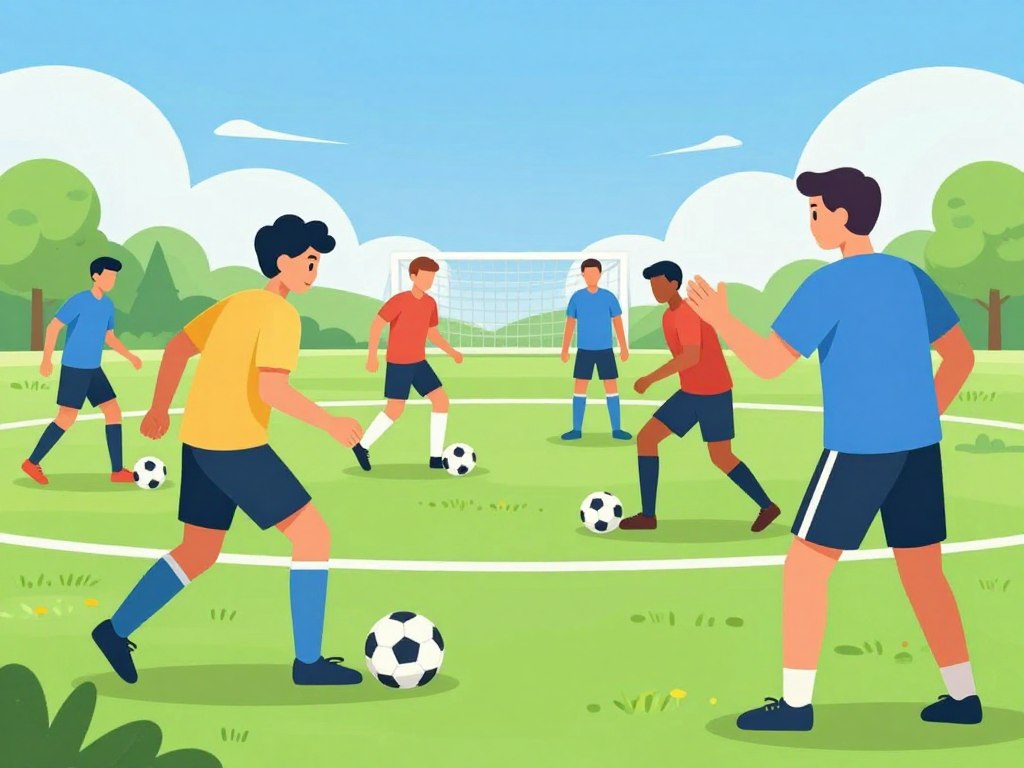
Think about the chaos in the box during an actual match. Your practice must replicate that pressure. I’ve found the best sessions include active defenders, limited time, and varied service.
This means crosses, through balls, and rebounds—not just static shots. These scenarios force quick decisions that translate directly to game day.
Drill Variations to Match Different Skill Levels
One size never fits all. A drill that frustrates beginners will bore advanced players. The key is scaling difficulty.
For younger or developing players, give more space and time. As their skill level improves, add defenders and reduce touches. This progressive approach builds real competence.
Always adjust the challenge to match your group’s current skill level. The right balance keeps everyone engaged and growing.
Drills that Enhance Shooting Precision
Your first touch dictates everything that follows in a scoring chance. Precision isn’t luck; it’s a trained skill.
Using Footwork and Touch Control
I love the Agility Finishing drill for this. Players run through cones, receive a pass, and must score quickly.
The magic is in that first touch. It should pop the ball 2-3 steps ahead. This gives you space to stride into your shot smoothly.
Keep your eyes down and ankle locked. This connects footwork to a clean strike.
Transitioning from Dribble to Shot
Great scorers don’t need an extra touch. Their final dribble sets the ball perfectly for an instant shot.
This eliminates the defender’s chance to react. Practice this until it’s automatic.
| Common Error | Proper Technique | On-Field Result |
|---|---|---|
| Taking a settling touch | Shooting off the final dribble touch | Beats the closing defender |
| Looking up at the goal early | Eyes on the ball through contact | Consistent, accurate placement |
| Stopping momentum to shoot | Shooting while in full stride | Generates power naturally |
I always tell players: finish the ball, don’t just shoot it. That mental shift focuses your technique on putting it in the net.
Creating Competitive Drill Environments
Competition isn’t just about winning; it’s about unlocking a higher level of focus. I’ve seen routine practice transform when you add a scoreboard.
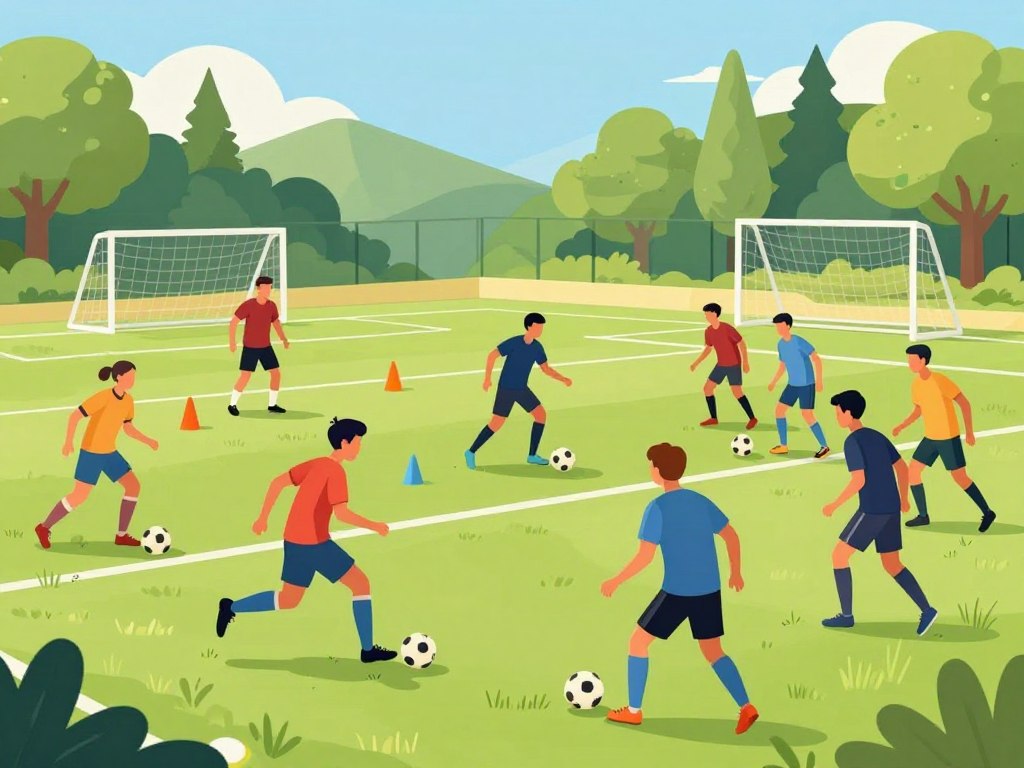
That shift in energy is palpable. Players stop going through the motions. They start fighting for every ball.
Structured Competitive Formats
Take the “2-on-2 Plus Two” drill. Two teams compete, aided by two neutrals, in a small area. The objective is clear: score more goals than the other team.
This structure forces constant action. Players get endless repetitions in shooting and defending. There’s no hiding.
I use this to challenge players to be quick. Beat the defender, then decide instantly. The pressure mimics a real game.
| Aspect | Competitive Drill | Non-Competitive Drill | Primary Benefit |
|---|---|---|---|
| Player Effort | High-intensity, maximum focus | Variable, often relaxed | Simulates match effort |
| Decision Speed | Forced by opponent pressure | Self-paced, often slower | Builds game instincts |
| Mental Engagement | High (cares about scoring) | Low (just completing reps) | Improves concentration |
| Feedback Loop | Immediate (goals scored/conceded) | Delayed (coach correction) | Accelerates learning |
Counting goals and declaring a winner creates accountability. This healthy rivalry pushes everyone. It’s how you build the confidence needed to thrive, a topic explored in depth on how to stay confident during high-stakes moments.
The best drills marry this structure with sportsmanship. Challenge players to compete, but also to support each other. That’s where real growth happens.
Incorporating Crossing into Finishing Drills
Watch any highlight reel, and you’ll see countless goals born from a well-placed cross. Yet, many teams practice these skills separately. I’ve found that connecting the two is non-negotiable.
A huge percentage of scores in real matches come from this play. Your practice must reflect that.
Improving Crossing Accuracy
Hopeful balls into the area don’t create chances. Precision does. In the Cross and Finish Competition, we use a wide field and neutral players on the sidelines.
Their job is to deliver consistent service. I task them with picking a teammate and serving the ball into their path. This intentional connection is what elite teams do.
| Type of Cross | Primary Purpose | Ideal Target Area | Key Technique |
|---|---|---|---|
| Ground Pass | Cut-back to the penalty spot | Space between defenders | Firm, low delivery |
| Looped Service | Find a runner at the back post | Behind the defensive line | Elevated, hanging trajectory |
| Driven Ball | Fast delivery across the six-yard box | Danger zone in front of goal | Pace with minimal spin |
| Cut-back | Pull defense out, create tap-ins | Top of the box for late arrivals | Sharp angle, delayed timing |
Finishing from Aerial Balls
Heading or volleying a cross requires different timing. You must judge the flight and position your body correctly.
I always teach players to attack the ball aggressively. Be first to it. Timing your run into the box is critical; arrive as the ball does.
We use a point system to motivate this. A regular score gets one point. A goal from a cross with your feet earns two. A headed finish from a cross is worth three. This emphasizes the value of aerial finishing.
Agility and Movement for Better Finishing
Most goals are scored from motion, not from a standstill, making agility your silent partner in the penalty area. I’ve watched players with perfect technique struggle because they couldn’t adjust their body in time.
Your ability to change direction and maintain balance at speed directly impacts your effectiveness. This is where dedicated movement practice pays off.
Agility Finishing Drills Overview
The core idea is simple: combine footwork patterns with receiving a pass and shooting. You run through an agility ladder or a series of cones, then immediately turn to finish a ball played from the opposite line.
This trains your body to control the ball and shoot accurately even when you’re off-balance. Set up two lines just outside the area to keep reps high and waiting time low.
| Drill Phase | Primary Focus | On-Field Benefit |
|---|---|---|
| Slow Practice | Mastering the footwork pattern | Builds correct technique, prevents bad habits |
| Increased Tempo | Linking movement to ball reception | Improves coordination under mild pressure |
| Game Speed | Executing the full sequence at match pace | Replicates the decisive speed of real chances |
Start slow to get the pattern right. Once it’s clean, challenge yourself to complete the whole drill at full pace. If you don’t have ladders, use cones for slaloms or quick-step exercises.
The real benefit happens when your movement becomes automatic. You create half a yard of space or contort your body to reach a pass. That’s the agility that turns a hopeful moment into a clear shot on goal.
Back-to-Goal Finishing Techniques
Receiving a pass with a defender pressed against your back is one of the game’s toughest tests. It feels claustrophobic. Your instinct might be to panic and get rid of the ball.
I’ve learned this is where real strikers are made. You must be comfortable in the chaos. The “Back to Goal” exercise replicates this exact pressure.
Developing Turning and Shielding Skills
These two actions are a single skill. Shielding protects the ball while you assess. Turning gets you facing the goal to shoot.
Your movement before the pass is critical. Check away from the defender, then explode back toward the passer. This creates the vital yard of space you need.
Once you receive it, use your body. Stay low and balanced. Get between the defender and the ball. This strength lets you hold them off.
Defensive Challenges in Finishing
The best attackers don’t need perfect conditions. They thrive in contested spaces. This technique is about creating your own shot.
Always check your shoulder before the ball arrives. Feel where the defender is. That split-second awareness tells you everything.
Can you turn immediately? Do you need to shield first? Your first touch is decided before you even receive the pass. This drill, with two goals to choose from, forces that smart, quick decision under real physical pressure.
Enhancing 1-on-1 Finishing Scenarios
One-on-one scenarios are where legends are made and games are decided in an instant. I still remember the electric feeling of breaking through, with only the goalkeeper left to beat. Everything slows down, yet you must act at full speed.
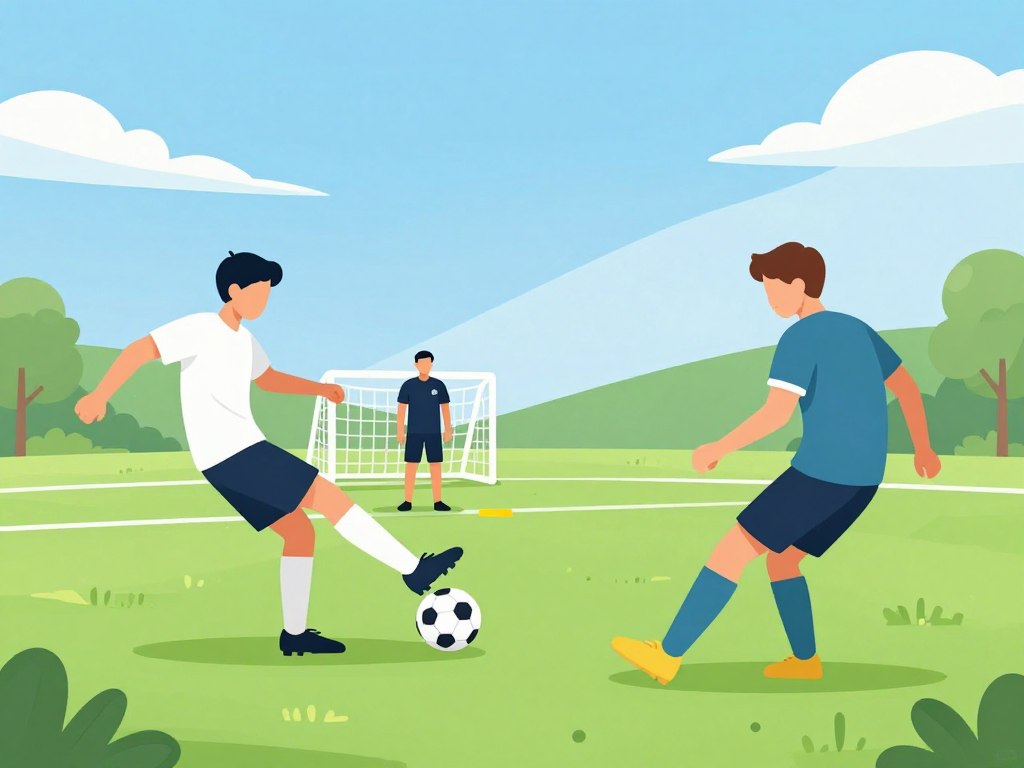
The “First to the Ball” drill perfectly recreates this pressure. Two players race to a passed ball. The first one there becomes the attacker; the other must defend. It forces instant decisions.
Reactions and Quick Decision Making
Your reaction off the start is everything. Get your body in front of the other player. That first touch when you reach the ball is critical. A good touch forward keeps your momentum toward the goal.
I always remind players to finish quickly. The longer you wait, the more time the goalkeeper has to set. Strike as soon as you see the angle.
Challenge players to be decisive. Hesitation is a killer. Commit to your choice—shoot early or take a touch to round the keeper. This variation also helps goalkeepers develop their saving skills.
Timing is the secret. Time your shot for when the keeper is off-balance. Time your touch to stay ahead of the defender. Most importantly, encourage players to stay composed. The keeper is under just as much pressure as you are.
Conclusion
Confidence in front of the net isn’t given; it’s built through proven, game-realistic practice. I’ve shared exercises that blend sharp technique with the mental composure needed in the box.
Remember, scoring goals is incredibly hard. That’s why these sessions must be regular, not occasional. Consistency builds the instinct to act when it counts.
What makes the difference? It’s practicing both how to strike the ball and when to make your move. You need to read the play and time your run, skills honed by mastering positioning for passes.
Focus on your weak spots. Place the ball with precision towards goal rather than just using power. Every repetition prepares you for that one decisive moment.
Ultimately, belief comes from proven ability. The more you succeed in training, the more you’ll expect to score when the game is on the line.