
Cristiano Ronaldo once said, “I am not a perfectionist, but I like to feel that things are done well. More important than that, I feel an endless need to learn, to improve, to evolve.” That mindset is everything when you’re starting out.
I still remember the first time I watched Messi glide past defenders like they weren’t even there. In that moment, I understood what real ball control looked like; it was pure artistry in motion.
Ever wondered why some players can navigate through the tightest spaces while others struggle? It isn’t just raw talent. It comes down to mastering the fundamental movements.
This aspect of the game separates the dominant from the average. The ability to carry the ball up the field and past an opponent is vital. It’s about confidence at your feet and creating opportunities.
When you develop a solid foundation early, the entire sport opens up in ways you never imagined. I’ve seen countless newcomers transform their play by dedicating focused time to proper practice.
The beauty lies in those moments when you beat your defender and suddenly have space to create. That’s what we’re working toward. This guide breaks down practical, proven exercises that build your foundation from the ground up.
Key Takeaways
- Dribbling is a fundamental skill that separates good players from great ones.
- True ball control combines physical ability with confidence and creativity.
- Mastering the basics opens up new possibilities on the field.
- Focused, consistent practice is more important than innate talent.
- The greatest players are dedicated students of the game who never stop improving.
- Simple, proven drills translate directly to success in real match situations.
Essential Warm-Up and Agility Drills
Your body isn’t a machine you can just switch on; it needs to be gently revved up for action. I learned this the hard way early on. A pulled muscle from skipping my warm-up routine kept me off the pitch for three long weeks.
That lost time taught me more than any game. Dynamic preparation is non-negotiable.
Dynamic Warm-Up Exercises
These exercises fire up your cardiovascular system and prime your muscles. They lessen injury risk by preparing your body for the explosive movements the game demands. Jumping straight into work is how you get hurt.
Agility and Movement Patterns
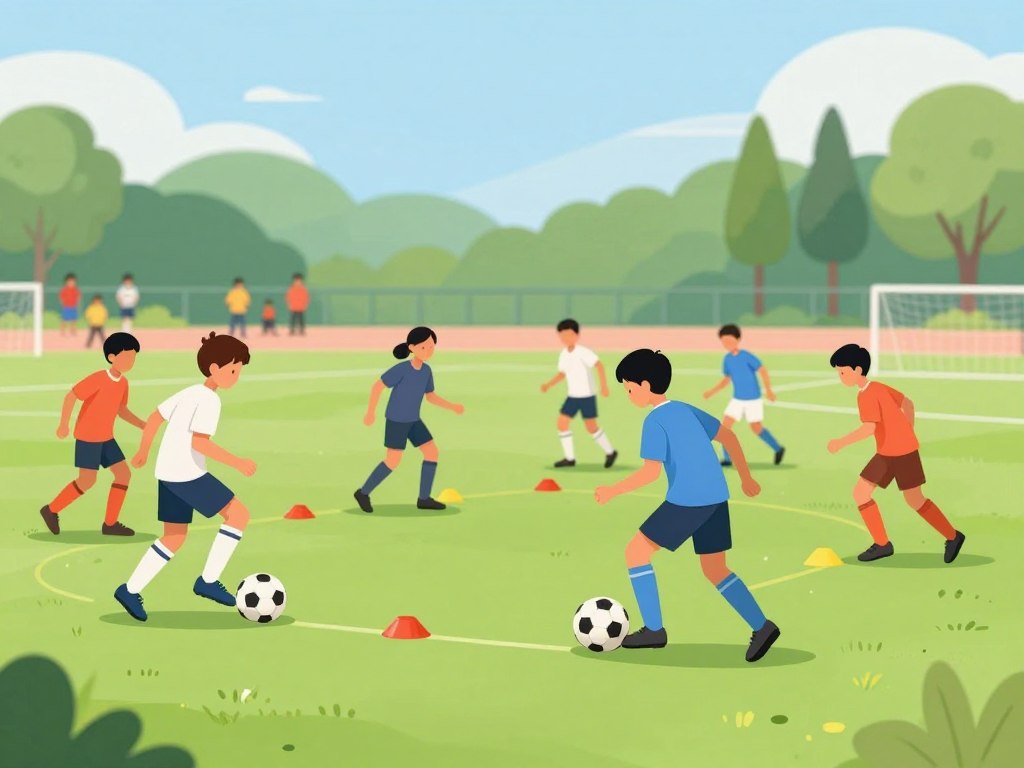
Next, we focus on agility. A favorite drill is Fox Tails. You mark a small grid, about eight yards square, with cones. Each player tucks a fabric “tail” into their shorts.
The goal is to grab others’ tails while protecting your own. Players must be quick on their feet, thinking about offense and defense at once. It builds athleticism and spatial awareness without feeling like work.
Hospital Tag adds a creative layer. If you’re tagged, you hold the “injured” body part. Get tagged three times, and you go to “hospital.”
To heal, you must dribble the ball with five controlled touches outside the play area. This trains speed, strategy, and ball control under pressure.
These patterns teach your body to react, change direction on a step, and keep balance. They translate directly to the field when a defender closes you down.
Mastering Basic Ball Control Techniques
The first time I truly felt connected to the game wasn’t during a match; it was alone with a ball and a wall. That’s where real command begins. Control the ball, control the game—every advanced move builds on this simple truth.
Proper Touch and Connection with the Ball
Your first touch determines everything. It decides if you’re under pressure or creating space. Juggling is perfect for developing this soft touch.
It might look like a party trick, but it teaches your feet to listen. Start by dropping the ball and kicking it back to your hands. Focus on clean contact.
The wall is your best training partner. Stand a few yards away and pass using different parts of your foot. This drill builds a confident first touch and sharp passing ability.
The goal is to make the touch so automatic you don’t think about it. Then, you can keep your head up and see your next move.
Using Both Feet Efficiently
Using both feet isn’t optional. Defenders will target your weak side if you can’t handle the ball with either foot. I’ve seen talented players get completely shut down by this one flaw.
Don’t make that mistake. Practice two-touch sequences: one to control, one to pass. As your confidence grows, try one-touch play.
This repetition builds a deep connection. It frees your mind to read the game and react. That’s the foundation of all great skill.
Effective Soccer Dribbling Drills for Beginners
I learned more about protecting possession in a chaotic game of tag than in dozens of sterile passing drills. That’s the power of applying your skills under real pressure.
Cone Weave and Controlled Movement
The classic cone weave is fundamental for a reason. It teaches your feet to respond precisely while your brain plans ahead.
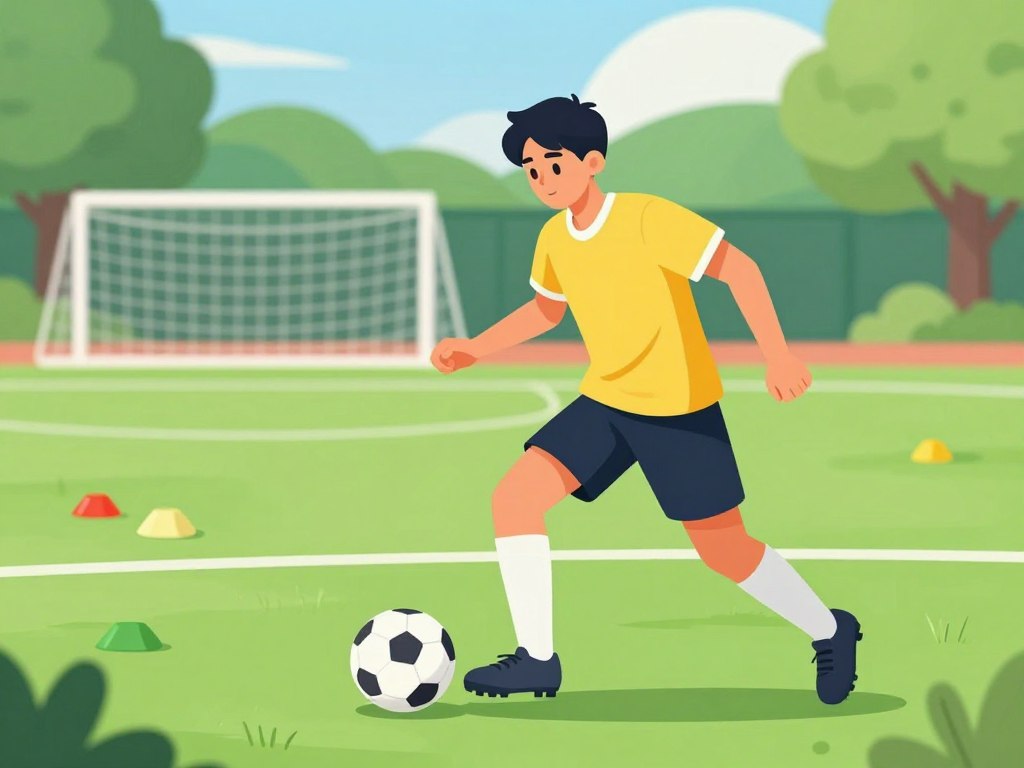
Set up five to ten markers in a straight line. Start with slow, deliberate touches to find your rhythm. Focus on clean technique long before you worry about speed.
Use the inside and outside of both feet. This variety builds adaptability. The distance between cones is key; find a spacing that challenges your control without causing frustration.
Shielding the Ball Under Pressure
Sharks and Minnows is a brilliant game for this. It forces you to think about offense and defense at the same time.
When a defender closes in, your body must become a shield. Position yourself between the ball and the threat. This drill makes that movement instinctive.
Players who master these exercises develop the close control needed in tight spaces. The key is repetition with a clear purpose.
Dribbling Drills for Speed, Precision, and Control
Speed and control seem like opposites, but the best players make them work in perfect harmony. Raw pace means nothing if you lose the ball. Perfect touch is useless if you’re too slow to use it.
You need drills that forge both at once.
Building Quick Reflexes on the Field
Quick reflexes separate those who react from those who anticipate. It’s not about wild movement. It’s controlled explosiveness with a purpose.
These exercises push your mind and feet to their limit. They build the connection needed to make sharp turns at full pace.
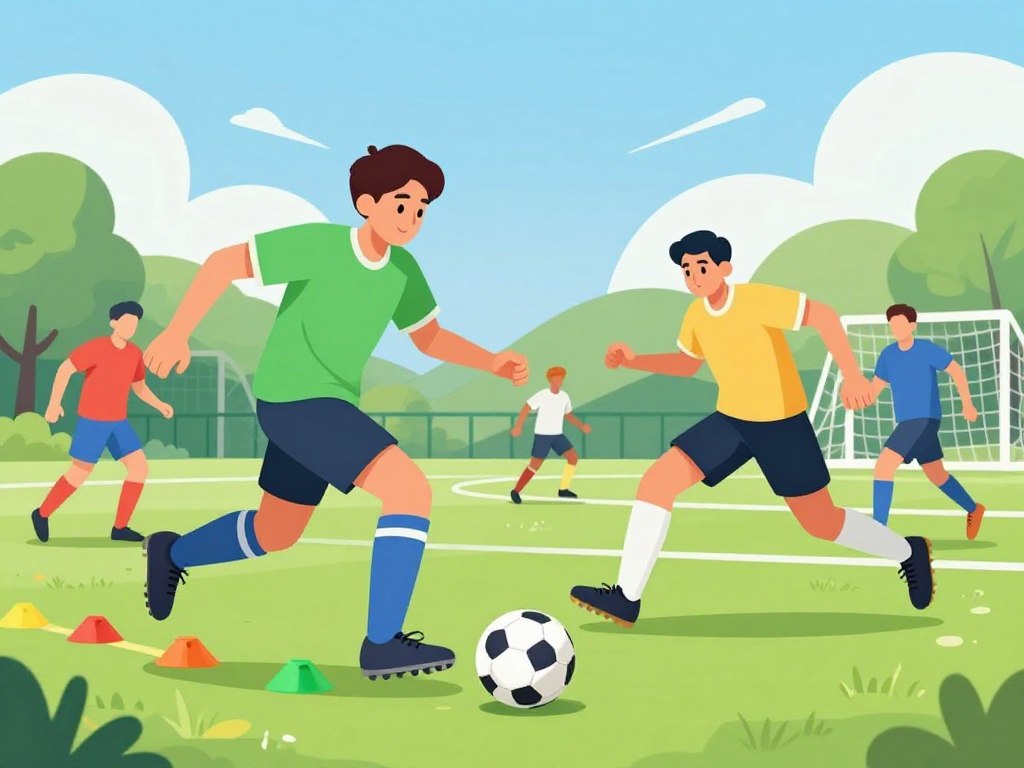
Three drills are essential for this. They test your skill under fatigue and mimic unpredictable game movements.
| Drill | Focus | Setup | Key Benefit |
|---|---|---|---|
| Forth & Back Cone | Explosive speed & turns | 5+ cones in a straight line | Builds stamina and tenacity |
| Random Dribble | Decision-making at pace | Cones scattered irregularly | Enhances scanning & reaction |
| Circular Cone | Quick touches & head-up play | 10+ cones in a circle | Trains independent footwork |
Work at the very edge of your comfort zone. Time your runs and track your progress.
This relentless practice builds the kind of unshakable confidence that changes games. Half-speed work only ever produces half-speed results.
Creating a Fun and Competitive Practice Environment
Fun isn’t just an add-on to serious practice; it’s the engine that drives real, lasting improvement. Between ages five and twelve, players are in a golden period for learning movement and technique. When they enjoy the session, skills stick without them even trying.
I’ve watched quiet newcomers transform once they felt safe to take risks. The walls between teammates come down in an atmosphere of laughter. This is where true growth happens.
Incorporating Small-Sided Games
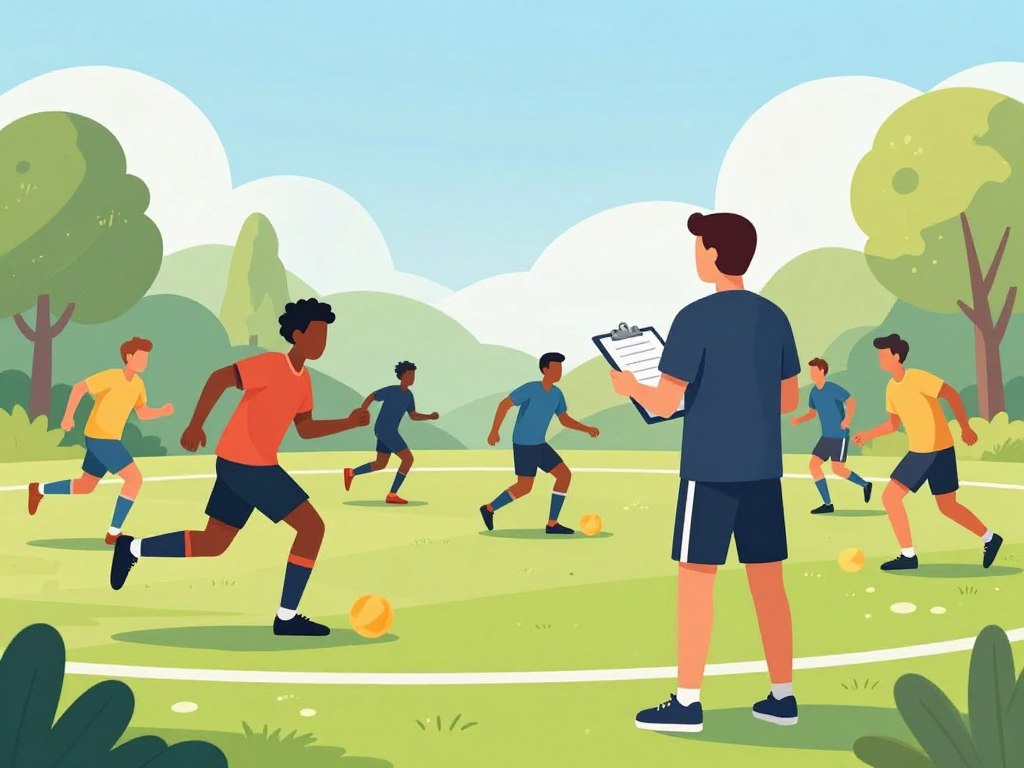
Isolated drills have their place, but games bridge the gap to real match situations. In a smaller space with more touches, decision-making becomes faster and more intuitive. You learn to read the play and work with your team under gentle pressure.
These formats maximize involvement and create natural motivation. Nobody wants to lose, so they use every skill they’ve practiced. The competitive spark pushes players harder than any instruction could.
| Game Format | Primary Focus | Key Rule Variation |
|---|---|---|
| Pirates of the Pugg | Multi-skill awareness & protection | Players who lose possession become defenders |
| 4v4 to Mini-Goals | Quick decisions & spatial play | Award bonus points for one-touch passes |
You can adjust rules to emphasize what your group needs most. Reward weak-foot scoring or through balls. This is where ball control stops being a drill and becomes a tool for creating chances.
Building Endurance and Strength for Dribbling
There’s a moment in every player’s journey when they realize pure technique isn’t enough to win battles on the pitch. I learned this during my first full-season campaign. My touch was decent, but by the 70th minute, my legs were gone. Defenders exploited it immediately.
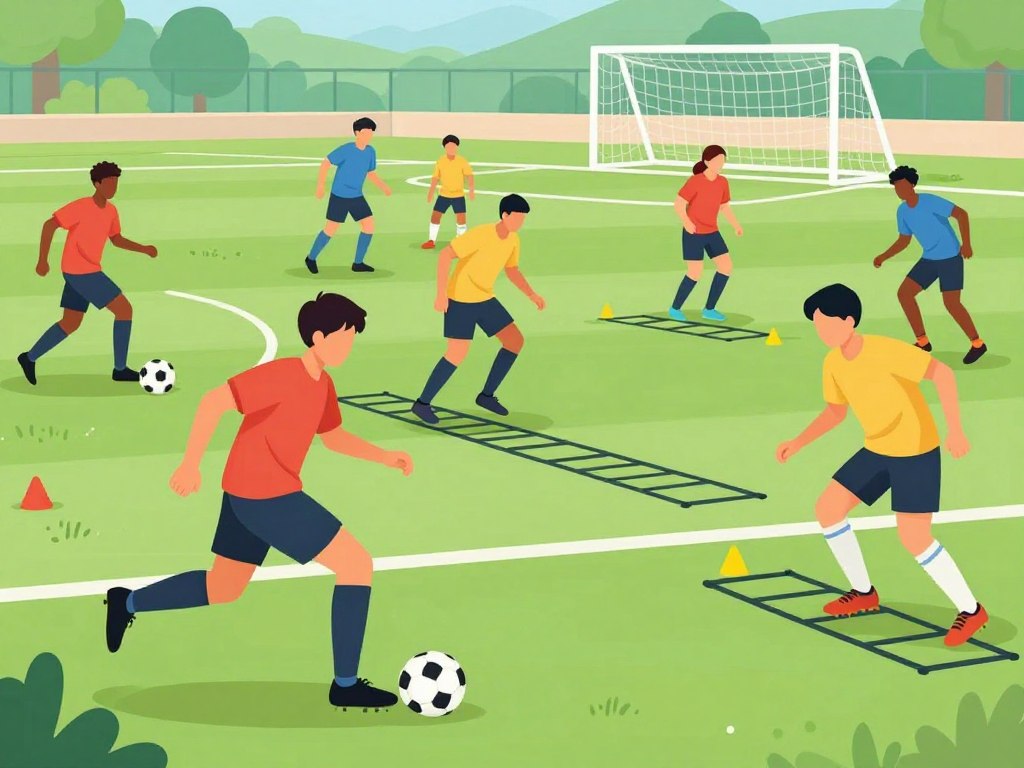
Endurance and strength power everything you do. Without them, you’ll get muscled off the ball or tire before the match ends. They are the engine for your skills.
Exercises to Enhance Leg Power and Stability
Leg power gives you explosive acceleration. It lets you burst past defenders. Strong legs provide the stability to plant and cut sharply.
Weak legs lead to sloppy touches. Functional exercises translate directly. Single-leg squats build balance. Lateral lunges improve agility.
Improving Core Strength for Better Balance
Your core keeps you upright when shielding the ball. A defender on your back tests this. Neglect it and you’ll get knocked around.
Core work isn’t just crunches. Planks build foundational stability. Rotational exercises mimic game movements.
| Exercise Type | Key Exercise | Primary Focus | Recommended Reps |
|---|---|---|---|
| Leg Power | Single-Leg Squats | Balance & Stability | 3 sets of 10 each leg |
| Leg Power | Lateral Lunges | Agility & Strength | 3 sets of 12 each side |
| Core Strength | Planks | Foundational Stability | Hold for 60 seconds |
| Core Strength | Russian Twists | Rotational Power | 3 sets of 20 twists |
The Forth & Back Cone Drill builds both endurance and control. You train your body to maintain precision under fatigue. Consistent work over years separates those who improve from those who plateau.
Advanced Dribbling Moves and Tactical Awareness
The true test of your skill isn’t in an empty field; it’s against a defender who wants the ball as much as you do. This is where basic control evolves into game intelligence.
You must read opponents and make split-second choices. It’s the difference between keeping possession and creating a real chance.
One-on-One Challenges and Variations
Mastering basic ball control means you’re ready for live defenders. The One on One Controlled Dribble Drill is perfect. You face a single opponent in a small pitch.
The goal is simple: dribble past them and score through a small gate. This pressure reveals which moves truly work.
I love the One Against Two setup. It forces creative problem-solving. You can’t just rely on speed; you need vision and deception.
Taking on multiple defenders builds unbelievable confidence near the box. After beating them, you must finish the play with a shot on goal.
Transitioning from Offense to Defense
Tactical awareness means knowing when to dribble and when to pass. The First Pass 1V1 drill teaches this. It starts with an accurate pass.
You then immediately engage in a duel. The round ends when one player dribbles over the opposite line.
The moment you lose the ball, your mentality must shift. You transition from attacker to first defender. This quick recovery is crucial for any team.
| Drill Name | Primary Focus | Setup Key | Tactical Benefit |
|---|---|---|---|
| One on One Controlled Dribble | Ball control under pressure | 20x20m area, 4m goals | Tests moves in direct duels |
| One Against Two Dribble | Confidence & vision | Gates defended, goalkeeper | Creative problem-solving |
| First Pass 1V1 | Passing accuracy & transition | 15x15yd grid, two teams | Immediate attack after receive |
These advanced exercises prepare you for real match chaos. Defenders will pressure every touch. Your ability to adapt decides the game.
Beginners who embrace these challenges become the players everyone notices. They draw the line between good and dominant.
Conclusion
Every expert was once a beginner who refused to quit, embracing the grind of daily practice. I’ve given you a roadmap, but you must walk the path. There are no shortcuts to genuine skill development.
Master the fundamentals first. Everything else builds on that foundation. Quality over quantity every single time; ten focused reps beat fifty mindless ones.
This journey takes consistency and patience. Remember why you started—because it’s fun. These drills should enhance that joy, not diminish it.
Find a coach or partner for honest feedback. Use your weak foot from day one. Track your progress; small improvements compound over time.
Now step onto that pitch. Put these tools into practice. Enjoy the way you become the player you’re meant to be.