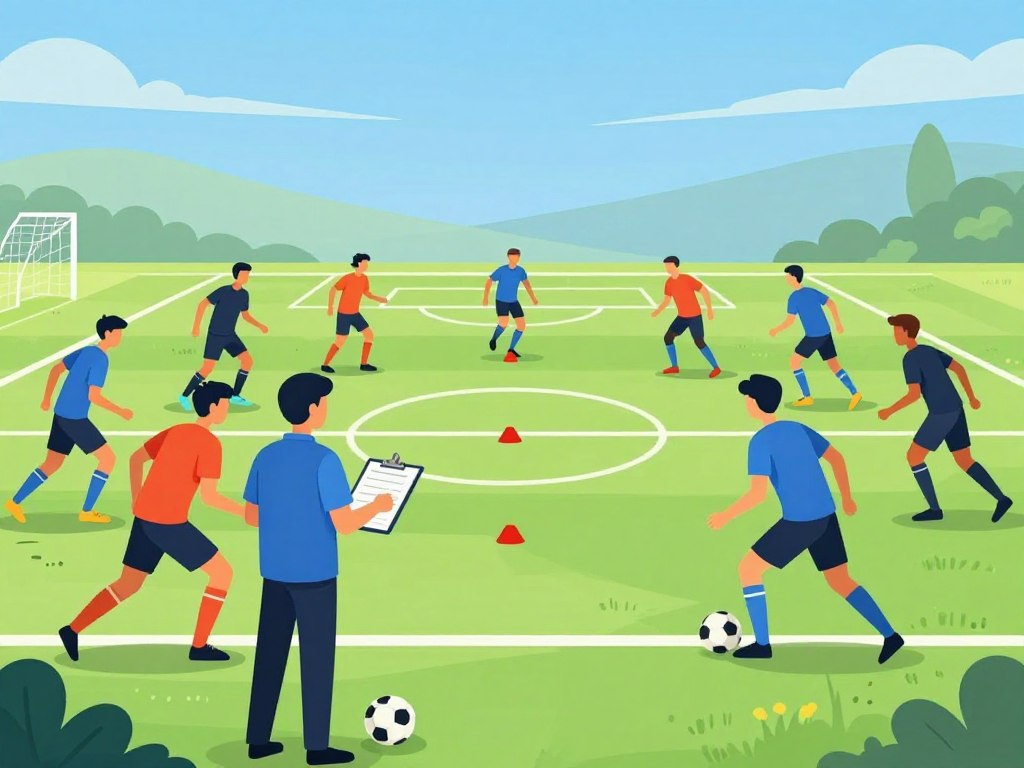

Did you know that over 90% of professional clubs now consider filmed review a non-negotiable part of player development? This tool has reshaped how we understand performance on the field.
I still remember the first time I watched myself play. The disconnect between how I thought I moved and what actually happened was humbling. That moment is where real growth begins.
You’ve probably felt that frustration when a match slips away. You lie awake at night wondering why. This breakdown gives you the clarity to answer those nagging questions.
This isn’t just about catching errors. It’s about unlocking a competitive edge that separates good teachers from great ones. Every game contains hundreds of decisive moments.
Film lets you revisit each one, extracting powerful insights that transform how you prepare and teach. The action moves fast, but recorded footage slows it down.
Coaches and players can finally see patterns, recognize opportunities, and understand the intricate dance of positioning and decision-making. I’ve watched entire teams revolutionize their approach once they embraced this perspective.
Key Takeaways
- Filmed review is a standard, essential tool in modern soccer development.
- It bridges the gap between a player’s perception and their actual performance.
- This method provides definitive answers to post-game questions and frustrations.
- The goal is to gain a strategic advantage, not just to identify mistakes.
- It allows for the detailed examination of every critical moment in a match.
- Slowing down the game reveals patterns and opportunities invisible in real time.
- Adopting this practice can fundamentally change how a team prepares and improves.
Exploring the Impact of Video Analysis on Soccer Coaching
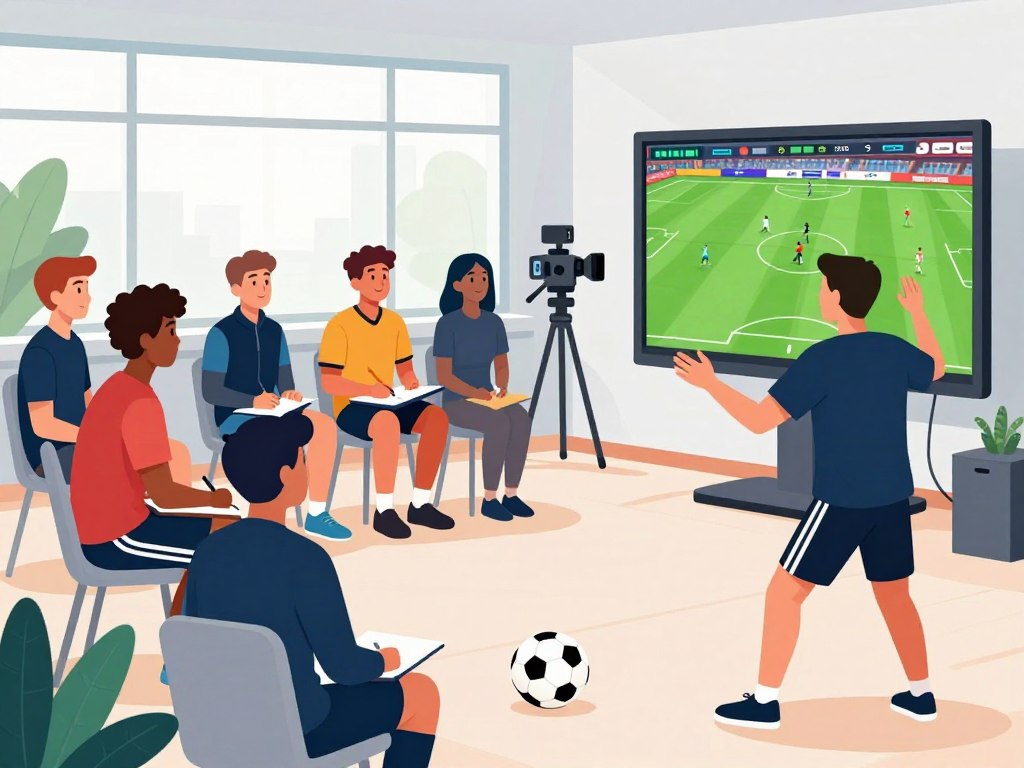
The real magic happens when a group watches their own game tape together for the first time. You can see it click. Suddenly, conversations move from “I think” to “I see.”
Benefits for Coaches and Teams
This practice builds a shared language. Everyone—staff and athletes—aligns on what success looks like. The footage doesn’t lie, which fosters honesty and accelerates growth.
Players start holding themselves accountable. This clarity is a huge part of learning how to stay confident on the pitch. You’re working from the same undeniable evidence.
Gaining Deeper Tactical Insights
Recorded material lets you spot patterns invisible in real time. You see the entire team shape and pressing triggers from a bird’s-eye view.
These deeper insights help you prepare for opponents and track performance trends. It turns every match into a compounding learning opportunity. That’s the ultimate tactical advantage.
Mastering video analysis for soccer coaching Techniques
I used to spend entire afternoons staring at the screen, unsure what I was really looking for. Mastering the process starts with knowing what to watch.
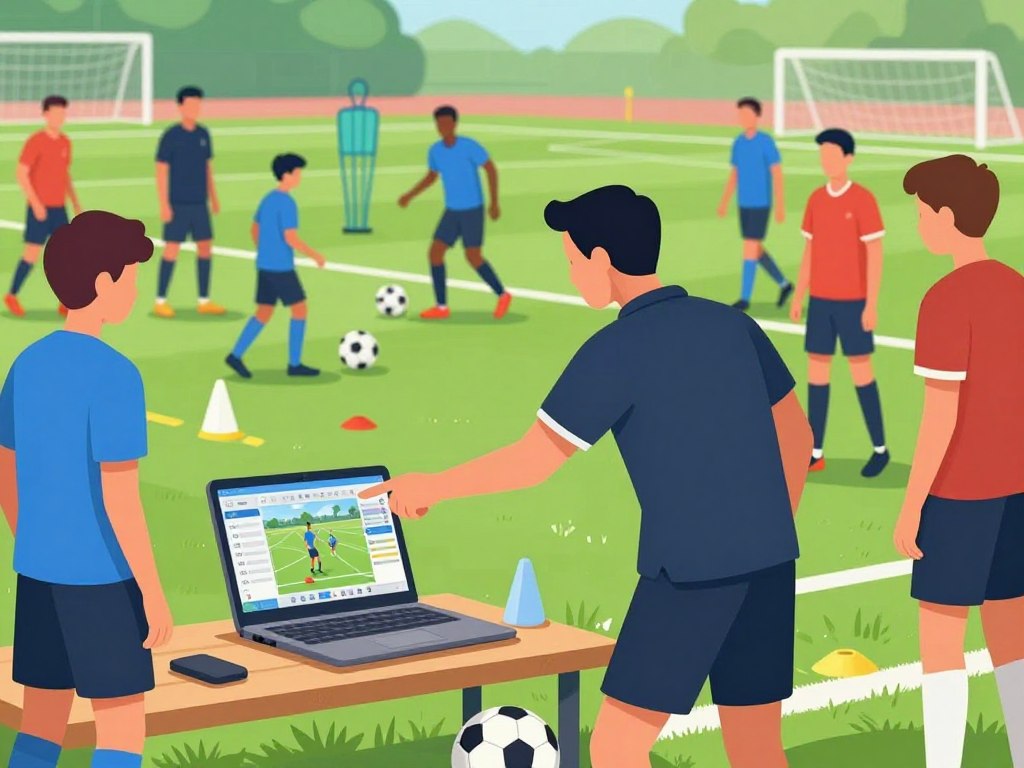
Top programs record every match. They review footage to evaluate decisions and team shape.
Analyzing Game Footage Step-by-Step
Break the match into digestible moments. Categorize them: defensive actions, attacking sequences, transitions.
This saves hours. You focus on specific areas instead of drowning in ninety minutes of chaos.
Feedback and Continuous Improvement
The magic happens when you share those clips. Abstract advice becomes undeniable visual proof.
I showed a player his positioning moments. He finally saw why he was getting bypassed.
Revisit footage regularly. Track progress and see patterns emerge over weeks.
Tools and Best Practices for Effective Match Footage Review
I remember the frustration of trying to piece together a game from scattered notes and memory alone. The right tools turn that chaos into a clear, actionable plan.
You need a system that organizes your observations and connects them to performance.
Top Video Analysis Software Options
The market is full of options, but a few platforms stand out. Hudl is the industry standard for a reason. It combines everything in one place.
Their Focus Flex camera solves a huge problem. It gives you that crucial all-22 tactical view anywhere your teams play.
For deeper insights, Hudl Assist+ automates stats and ties every data point directly to the footage. This saves countless hours.
| Platform | Core Strength | Ideal User |
|---|---|---|
| Hudl | All-in-one recording & sharing suite | Coaches wanting a complete, proven system |
| Focus Flex | Portable, high-angle game capture | Programs that play on multiple fields |
| Hudl Assist+ | Automated data linked to video reports | Teams focused on efficient, data-driven review |
Organizing and Tagging Key Moments
Scrubbing through a full match is a waste of energy. The best practice is to tag moments as they happen.
Label goals, defensive stops, and transitions. This creates a searchable library. You can pull any clip in seconds for review.
This organization is a game-changer. It makes preparation efficient, not exhausting.
Leveraging Data for Performance Tracking
Raw numbers only tell part of the story. The power comes from linking data to the visual evidence.
Don’t just know a player won 60% of duels. See *how* they won them. This connection drives real improvement.
Use video analysis software to build a consistent workflow. Record, tag, report, and share. Teams that do this systematically see their development accelerate. It’s similar to how the video assistant referee uses technology to clarify key moments for officials.
Enhancing Player Development and Tactical Insights
One of the most powerful tools in a coach’s arsenal is the ability to make the invisible visible. Recorded material transforms vague feelings into concrete facts. This clarity is the engine of real player development.

It bridges the gap between intention and action. Athletes can finally see the truth of their performance.
Identifying Strengths and Weaknesses Through Video
This process removes all guesswork. Emotional bias fades away when faced with undeniable visual proof. Growth begins right there.
You highlight what each person does exceptionally well. This builds immense confidence. Simultaneously, you pinpoint specific areas that need targeted work.
Positioning, for example, becomes a teachable skill. You can show the exact yard that made a difference. Personalized training programs emerge from these insights.
| Player Aspect | What Recorded Footage Reveals | Targeted Training Focus |
|---|---|---|
| Positioning | Actual location vs. ideal spacing during key moments | Drills emphasizing spatial awareness and team shape |
| Decision-Making | Speed and quality of choices under pressure | Scenario-based exercises to improve reaction time |
| Technical Execution | Consistency and form in passing, shooting, or tackling | Repetitive skill work on specific weak-side techniques |
Tracking progress over time tells a visual story. Comparing clips from September to November shows tangible improvement. This visual proof is a huge motivator.
The mental clarity it provides is monumental. Players stop replaying exaggerated mistakes in their heads. They see reality and build from a place of strength.
Integrated Strategies for Training Sessions and Opponent Scouting
Imagine walking onto the pitch already knowing your rival’s most predictable habits. That’s the power of a connected strategy. This approach weaves recorded material into every phase.
It flows from scouting to training sessions, then into match preparation and review. This creates a continuous learning cycle for your team.
Effective Pre-Match Analysis Techniques
Start by studying several of your opponents‘ past matches. Look for how they build attacks and where they crack under pressure.
I search for specific details. Does their left back push too high? Which midfielder controls the tempo? These insights become real tactical advantages.
You can then design training drills that mirror those exact situations. If the opposition presses aggressively, you rehearse playing through it. This prepares players for real games.
Refining Strategies with Post-Match Reviews
Honest review sessions after a match are where growth happens. Programs that commit this time consistently improve.
Identify what worked and what didn’t. Then, make specific adjustments. This process refines your approach for future matches.
Even 30 minutes of review compounds into a major competitive edge over a season. It turns every game into a lesson.
This tool sharpens player decisions. They enter contests having seen what to expect. They anticipate rather than just react.
Conclusion
This practice isn’t about technology for its own sake; it’s about building a shared truth. That clarity accelerates growth for everyone involved.
In the modern game, this level of review is essential for any program with serious ambitions. For coaches, it means designing solutions based on evidence. For players, it unlocks faster development and deeper insights.
The real competitive edge comes from a team’s commitment to this honest process. It turns intention into measurable performance. That’s how good teams become great.