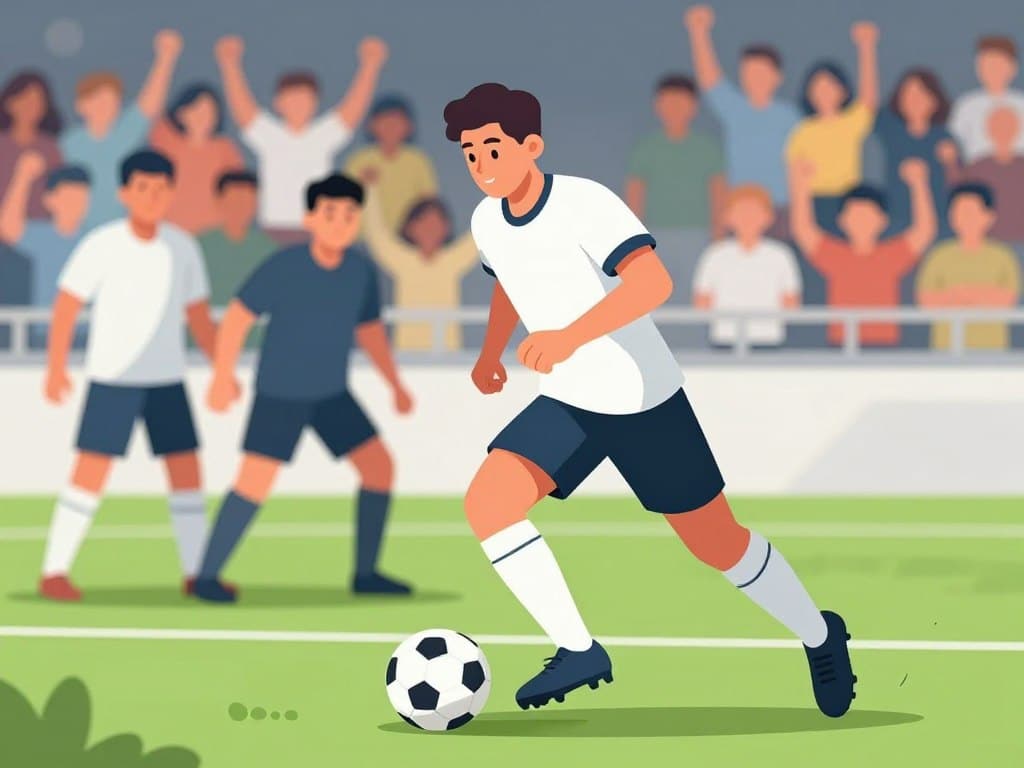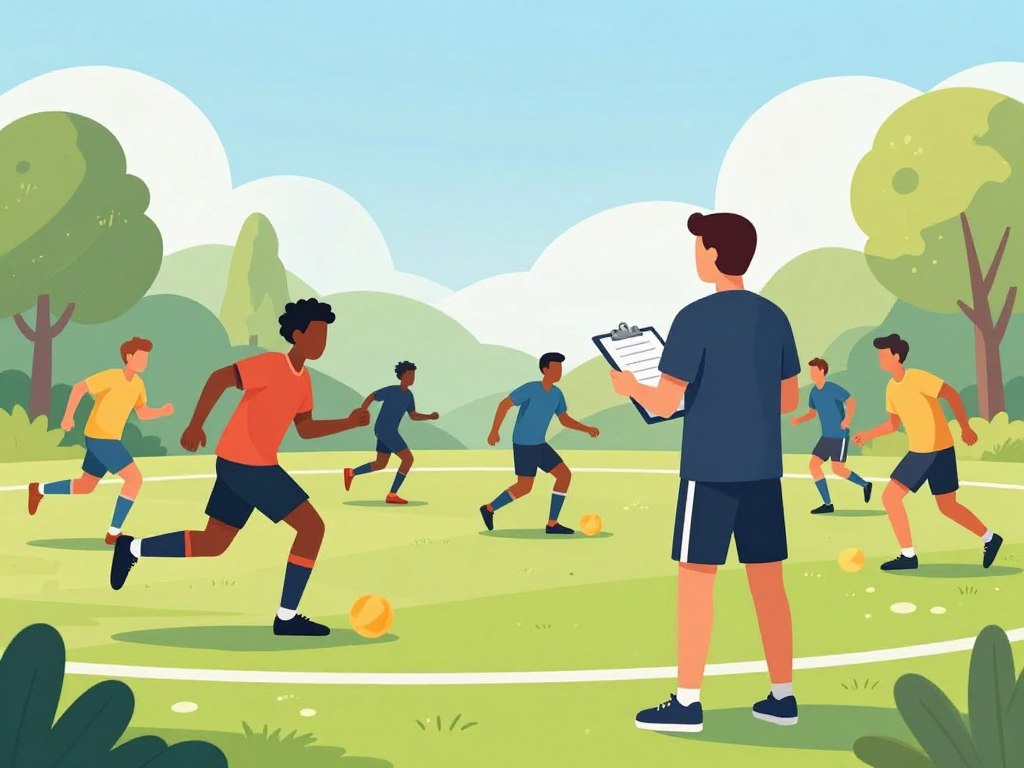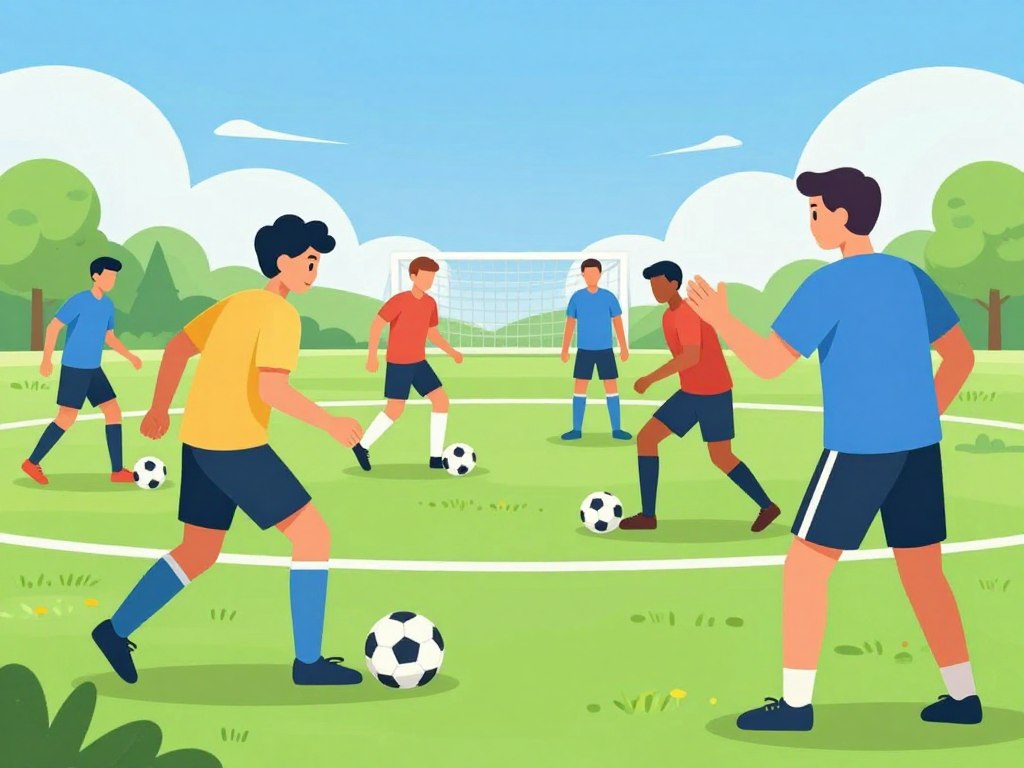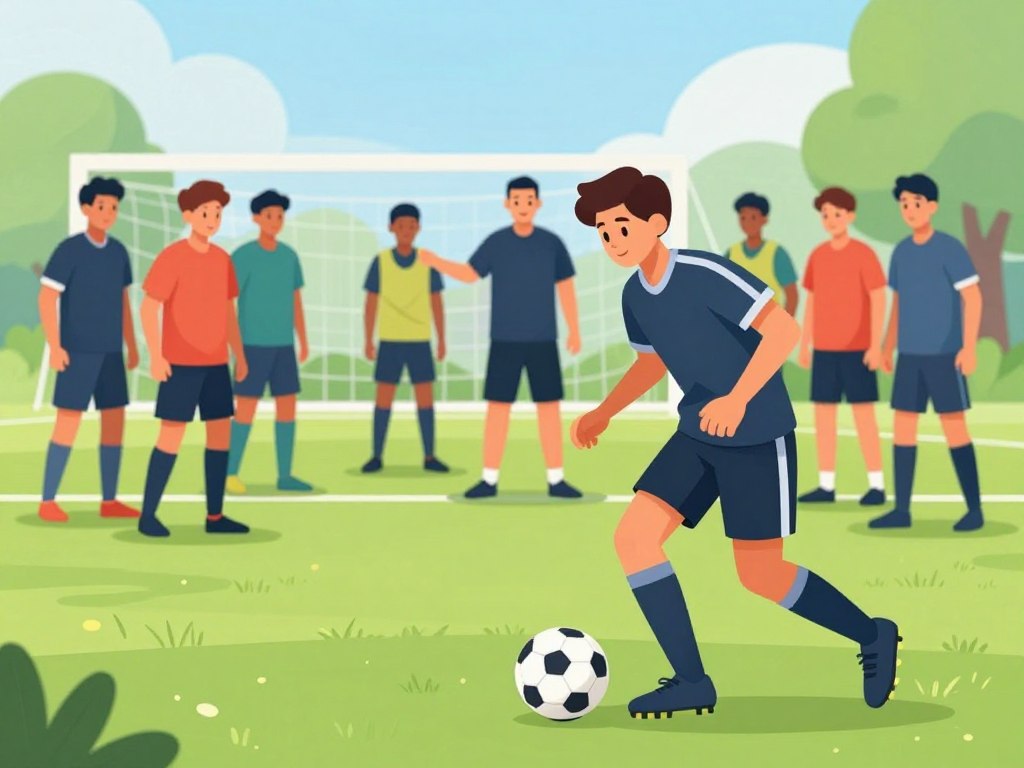

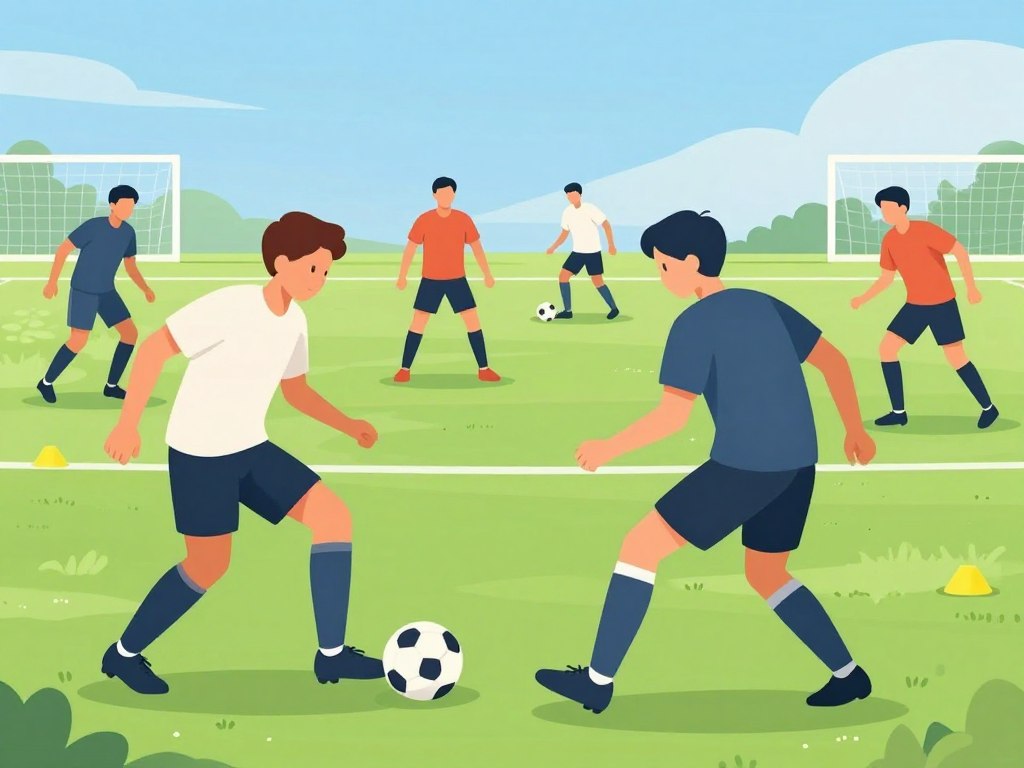
Johan Cruyff once observed, “Football is simple, but it is difficult to play simple.” That paradox is at the very heart of gaining true command of the ball.
I still remember the moment I understood what separated good players from great ones. It wasn’t just speed or strength. It was their serene, instant relationship with the sphere when it arrived.
You’ve seen it—those athletes who make a bouncing pass stick to their foot like glue. Others struggle to keep possession. That gap? It’s often built right here.
Here’s the real truth. Developing this skill isn’t only about technique. It’s about cultivating a confidence that transforms how you play the game.
Every single touch matters. When you can control the ball immediately under pressure, you unlock possibilities that don’t exist for those who haven’t put in the work.
This guide walks you through the mental and physical sides of that crucial first touch. We’ll move from understanding its core importance to executing it with precision when it counts.
Whether you’re coaching a young squad or refining your own abilities, the insights here will help build that foundational control. Think of it as the bedrock. Without it, your passing, shooting, and dribbling all lack a solid base.
Key Takeaways
- The first touch is a defining ability that separates competent players from exceptional ones.
- True mastery blends technical execution with the mental confidence to perform under pressure.
- Effective control instantly creates more time and space on the field, opening up new strategic options.
- This skill is the fundamental foundation for all other offensive and defensive actions.
- Improvement requires focused practice on both physical technique and psychological readiness.
- The benefits apply to developing young players and experienced athletes alike.
- A deliberate approach to training this area can transform your overall performance and enjoyment.
Essential Soccer Trapping Drills for Ball Control
I’ve always believed that a player’s first touch tells you everything about their confidence. That initial contact is how you gain command of the sphere after a pass or a loose ball. You use your feet, chest, or thighs to bring it down and keep it.
This isn’t just about stopping it. It’s about redirecting it with purpose. Clean control instantly creates the time you need to see the field and make your next move.
Understanding the Value of Trapping in Soccer
Ever wondered why some athletes seem to have all day on the pitch? Their first touch buys that precious second. It turns a contested receipt into a chance to pass, shoot, or dribble.
This skill is universal. Defenders use it to start attacks. Midfielders rely on it to switch play. Forwards need it when receiving with their back to goal. Every position depends on this fundamental act.
| Player Scenario | Primary Focus | Immediate Benefit |
|---|---|---|
| Developing Youth | Building a Technical Foundation | Shifts from reactive to proactive play |
| Competitive Athletes | Minimizing Margin for Error | Maintains possession under high pressure |
| All Positions | Creating Time & Space | Unlocks the next strategic option |
Benefits for Young Players and Advanced Athletes
For a young person, learning this early sets the stage for their entire journey. It builds the bedrock for all other skills. Advanced competitors face a tighter margin. Every touch under pressure determines if you keep possession.
I’ve seen gifted individuals struggle because they never mastered this. Building confidence with the sphere at your feet changes everything. You start seeing opportunities where others see threats.
Key Techniques for Effective Ball Trapping
Think about the last time you saw a player make a difficult reception look effortless. That grace comes from mastering two core ideas.
Cushioning the Ball for Better Control
I remember when I finally understood cushioning. It’s not about stopping the sphere; it’s about welcoming it.
Imagine catching an egg. If your hands are stiff, it breaks. But if you pull back gently upon impact, it stays safe. The same principle applies here.
Your foot position is crucial. Turn it sideways to create a soft landing surface. Get the timing wrong, and the ball bounces away uncontrollably.
Absorbing the Impact of the Pass
This is where technique transforms into true control. As the pass arrives, draw your foot back slightly.
Don’t kick it. Absorb its energy. Relax your body and let the sphere settle.
When done right, the ball drops dead at your feet. You gain that immediate command everyone notices. It’s the difference between a good touch and a great one.
Tracking and Positioning for Optimal Trap Control
True control begins with your eyes, not your feet. The best athletes on the pitch aren’t just reacting; they’re predicting. This anticipation is what creates that precious commodity—time.
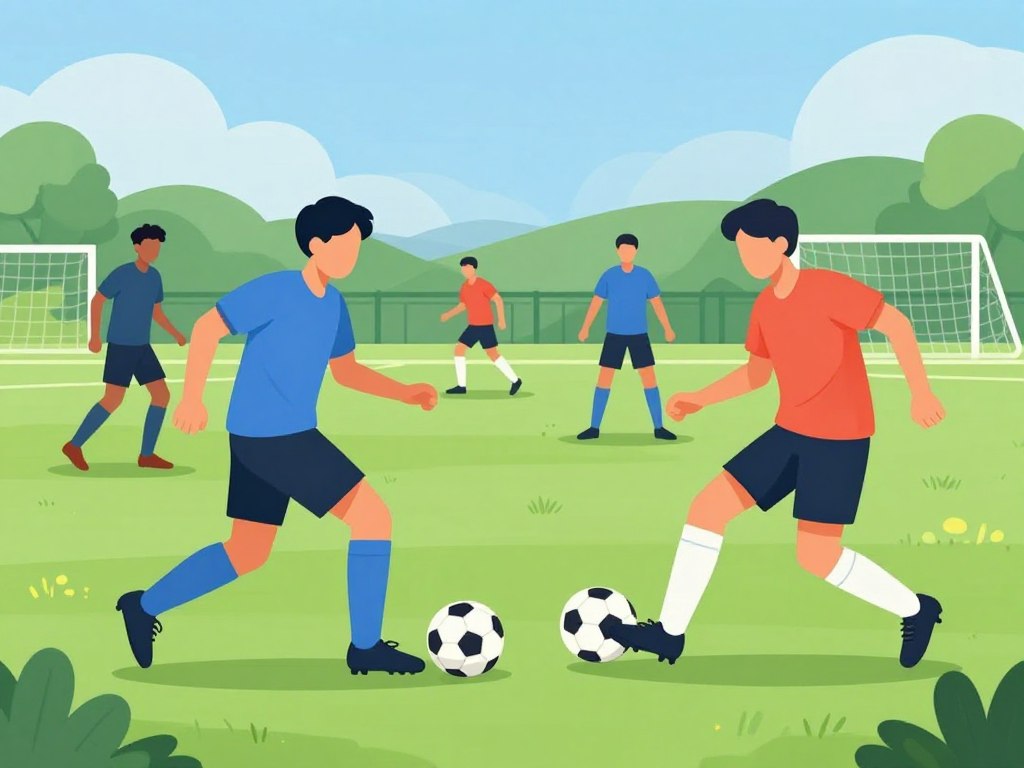
Monitoring the Ball’s Flight and Movement
Your eyes must lock onto the sphere the moment it leaves a teammate’s foot. Read its spin, pace, and trajectory. Is it skidding? Swerving? Dropping sharply?
Nothing should surprise you. I learned this the hard way as a young player. I was always chasing passes that got away because I wasn’t reading the flight early enough.
This awareness isn’t just about the ball. It’s about knowing where defenders are lurking. You understand how much time you have and what your next move should be before you even receive it.
Aligning Your Body to Receive the Ball
Positioning your body correctly is half the battle. Get in line with the path of the pass. If you’re aligned, the act to trap the ball becomes simple.
When it’s in the air, judge its descent. Is it coming in hot or floating? Each scenario demands different body positioning.
Getting in line lets you use the optimal surface—foot, thigh, or chest. You avoid awkward contortions. Players who master this look composed because they’ve planned their touch before the ball arrives.
Main Principles Behind Soccer Trapping Drills
Mastering the inside foot trap feels like unlocking a secret language with the ball. The core principle isn’t mindless repetition. It’s conscious awareness of your technique with every single touch.
This focused practice builds the reliable control you need. Let’s break down the two fundamental surfaces.
Drilling the Inside Foot Trap
This is your most reliable technique. When using the inside of your foot, you create a large, flat surface.
It naturally cushions the pass. Turn your foot outward and present that area. Withdraw slightly as the ball makes contact.
This simple motion becomes automatic. It’s the first drill every player should master. Remember to practice with both feet equally.
Refining Your Approach with the Outside Foot
This method is trickier but incredibly valuable. Use it to redirect the sphere quickly or when your body is turned.
I struggled with it for months. A coach finally advised me to think of brushing the ball away gently, not stopping it dead.
Progress your drill from slow, stationary passes to faster, moving ones. Build comfort gradually. This prevents bad habits under real pressure.
The principle behind all soccer trapping drills is repetition with purpose. Be aware of your timing and body position each time you using the inside or outside surface.
Incorporating Chest and Thigh Traps into Game Play
I recall the first time I successfully used my thigh to kill a driven pass; it felt like discovering a new superpower. When the ball arrives above your waist, your feet aren’t always the best tool. That’s when these other body parts become essential for keeping possession.
Chest Trap Fundamentals
The chest offers a large, stable surface. As the ball approaches, arch your back slightly to create a pocket.
The key is to withdraw your chest upon contact. This cushions the impact and lets the sphere drop softly to your feet. It’s about absorption, not a rigid block.
Mastering this trap turns a high, awkward service into a controlled opportunity. It eliminates panic.
Thigh Trap Techniques
Your thigh works on the same principle. Lift it to meet the ball, aiming for the inner or middle part.
As contact happens, pull the leg back gently. This guides it downward instead of allowing a wild bounce. The motion is smooth and deliberate.
Comfort with both methods means you can handle any pass. You gain the confidence to trap and redirect under pressure, using your whole body as a tool.
Advanced Soccer Drills to Enhance Passing and First Touch
I learned the hard way that being predictable on the pitch is a major limitation. A professional coach once told me my right-to-left distribution was weak. He was right—it stifled our counter-attacking tactics.
Advanced soccer trapping drills move beyond comfort. They forge the quick, two-way control you need in real matches.
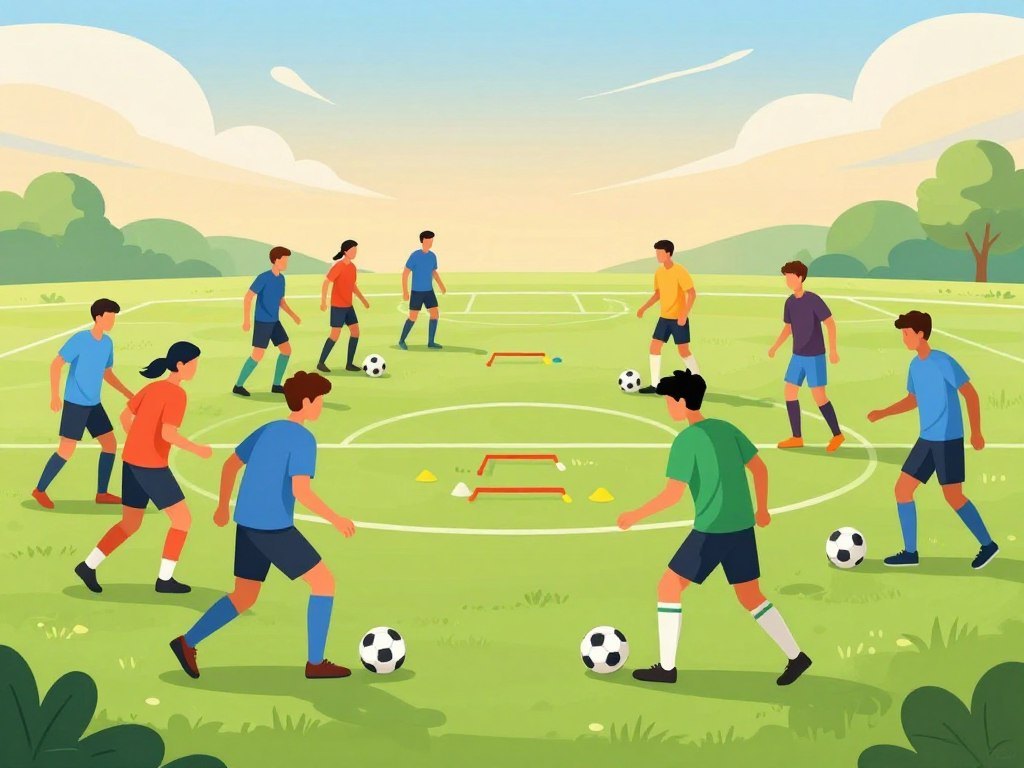
Drills for Quick Transitions from Trap to Pass
When the tempo is high, you must release the sphere within 1-2 seconds. Hesitation costs possession.
Set up rebounders or use partners. Practice two-touch sequences: trap with your left foot, take three steps, and pass with your right. Next, trap with your back foot, step, and pass with the other.
This drill simulates relentless pressure. It trains your mind and feet to work as one.
Developing Side-to-Side Movement on the Field
Most players have a comfortable side. Right-footed individuals often trap and pass more naturally to their left.
The real challenge is going the opposite way. Moving the ball from right-to-left or left-to-right is how you switch the field and break lines.
These exercises build that two-way capability. Defenders start attacks, midfielders switch play, and forwards receive and turn. Training both directions makes you unpredictable.
Practice Drills for Real-Game Situations
I’ve found that the most effective drills are the ones that make you uncomfortable and force quick decisions. Training must mirror the unpredictable chaos you face in a match.
Static passing is useful, but it doesn’t prepare you for a bouncing pass with a defender closing in. Your practice needs to replicate that pressure.
Using Rebounders and Walls to Simulate Pressure
Rebounders and walls are perfect for solo work. They return the balls unpredictably, just like an opponent would. This forces you to react and adjust your first touch in real time.
Set up two surfaces to simulate switching the field. Trap a ball from one side and immediately pass to the other. This drill builds the ability to change the point of attack under pressure.
Work on controlling long balls over your head. Use the top, inside, or outside of your foot to settle it. This prepares you for clearances and long passes during a game.
The steps between your trap and pass will feel awkward at first. Be patient. With repetition, these movements become fluid and instinctive.
I still use a wall regularly. It gives honest feedback. A poor touch sends the sphere flying away, showing you exactly what to fix.
| Practice Scenario | Key Focus | Direct Game Benefit |
|---|---|---|
| Two-Rebounder Switching | Quick trap and pass under time constraints | Ability to switch play and break defensive lines |
| High Ball Control Variations | Using different foot surfaces to settle awkward passes | Confidence to receive long balls and maintain possession |
| 2-3 Touch Sequence Drill | Controlling and releasing the sphere rapidly | Faster decision-making when defenders close down |
| Solo Wall Repetitions | First touch consistency and rebound reaction | Improved first touch under simulated defensive pressure |
These drills have a clear goal: to make your first touch reliable when it matters. They translate directly to better performance. You’ll gain the confidence to attempt a difficult shot or pass you might normally avoid.
Remember, the goal isn’t just to complete the drill. It’s to prepare for the moment a game-winning shot depends on that one controlled touch under pressure.
Coaching Tips and Common Mistakes to Avoid
The most valuable feedback I ever received came from a coach who saw my game differently than anyone else. This outside perspective is crucial for growth.
Advice from Professional Coaches
I remember asking Horace Reed for guidance. He was the Vice President of the Jamaican Football Federation and my manager.
He pinpointed a need to improve my attack going left to right. It was specific, actionable feedback. A great coach observes what you miss.
Their advice isn’t generic. It’s tailored to your actual performance.
Adjusting Techniques Based on Player Feedback
Common errors hurt development. Players often tense up, making the ball bounce away.
Watching the sphere too late causes poor positioning. Favoring one side makes you predictable.
The root issue is usually failing to cushion properly. A rigid surface won’t control the pass.
Encourage a two-way dialogue. Players can feel technical issues a coach might not see. This refines technique effectively.
| Common Mistake | Root Cause | Coaching Adjustment |
|---|---|---|
| Tensing on reception | Rigid body surface | Drill soft withdrawal upon contact |
| Late visual tracking | Poor anticipation | Emphasize early ball flight reading |
| Exclusively favoring one side | Comfort zone reliance | Design drills forcing weak-side play |
| Failed cushioning | Improper foot/body angle | Focus on absorption, not stopping |
Taking critical feedback requires maturity. The best players seek out weaknesses honestly. This builds the skills that matter.
Conclusion
Looking back on my own journey, the moments that truly changed my game weren’t the spectacular goals, but the quiet mastery of that first, controlled touch. This skill isn’t a destination. It’s a lifelong path that separates those who command possession from those who give it away.
That initial reception is the foundation. It carries from your earliest matches to the most advanced game. To excel, you must build a genuine relationship with the ball. This requires hours of individual training beyond team practice.
Embrace the extra work. Seek feedback from coaches and teammates. This commitment shapes your lifestyle, but it’s how you transform as a player.
The soccer trapping drills and principles here are your roadmap. Your dedication determines the distance you’ll travel. Stay patient. Every great player once stood exactly where you are now, mastering the control that starts everything.