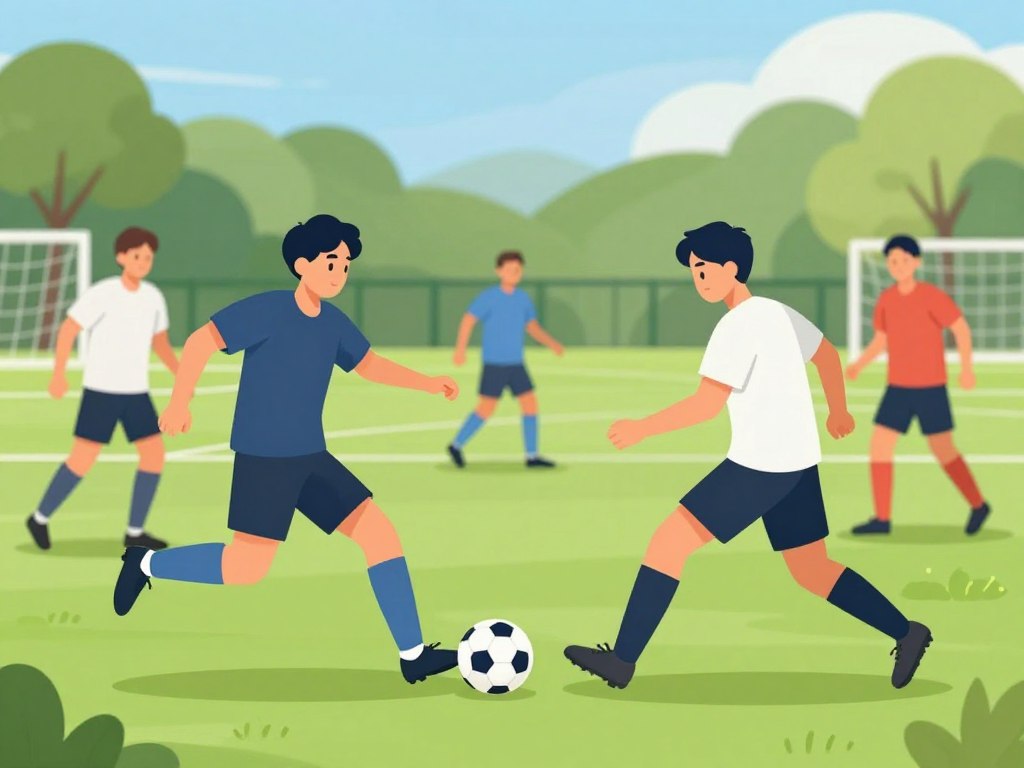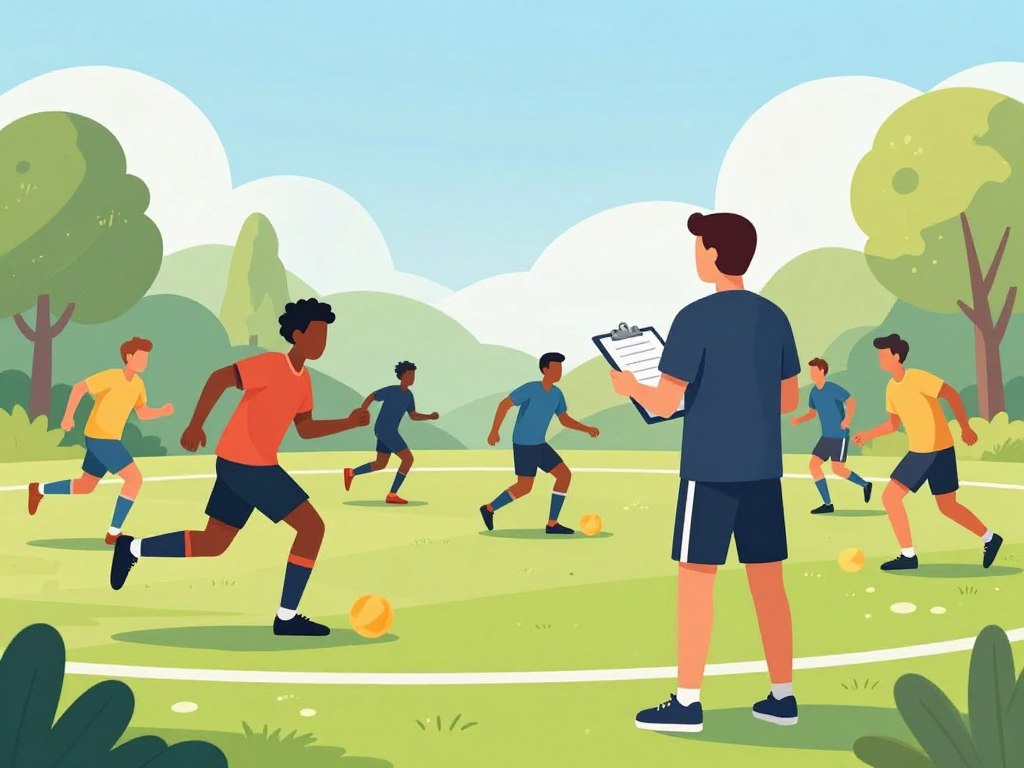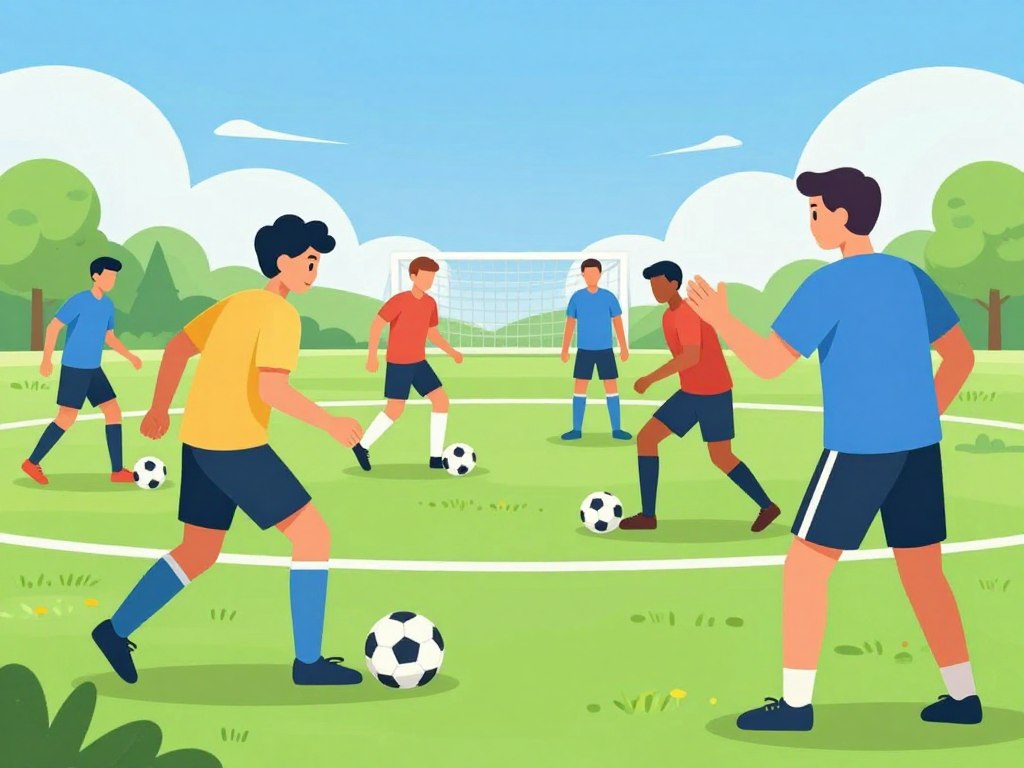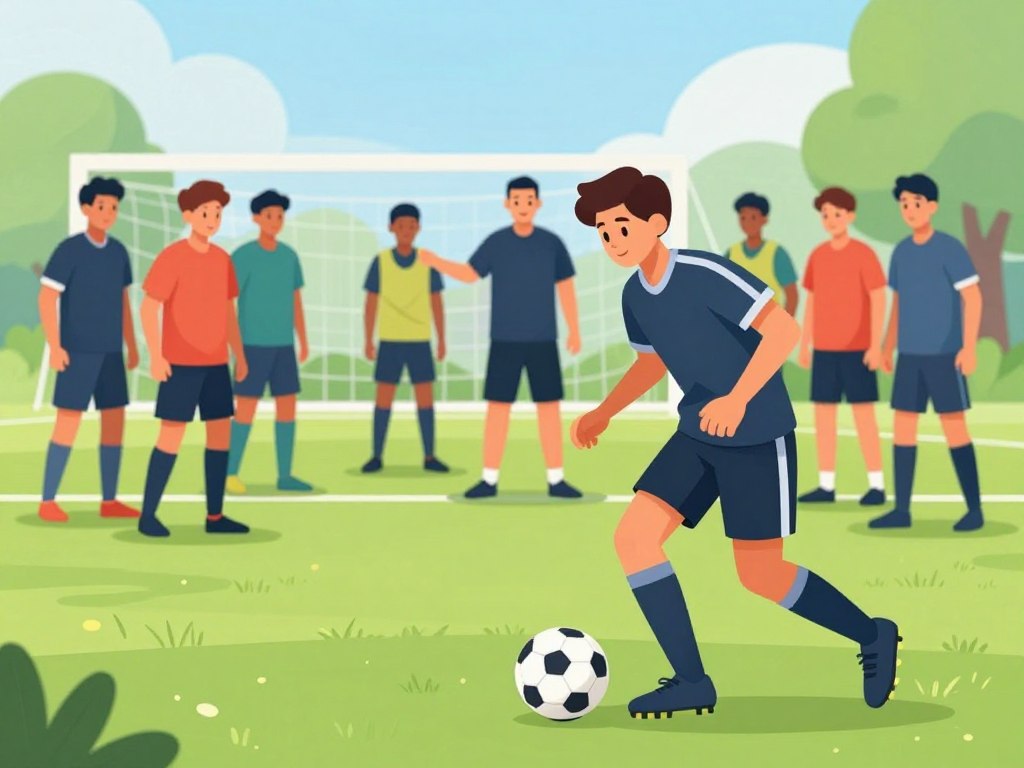

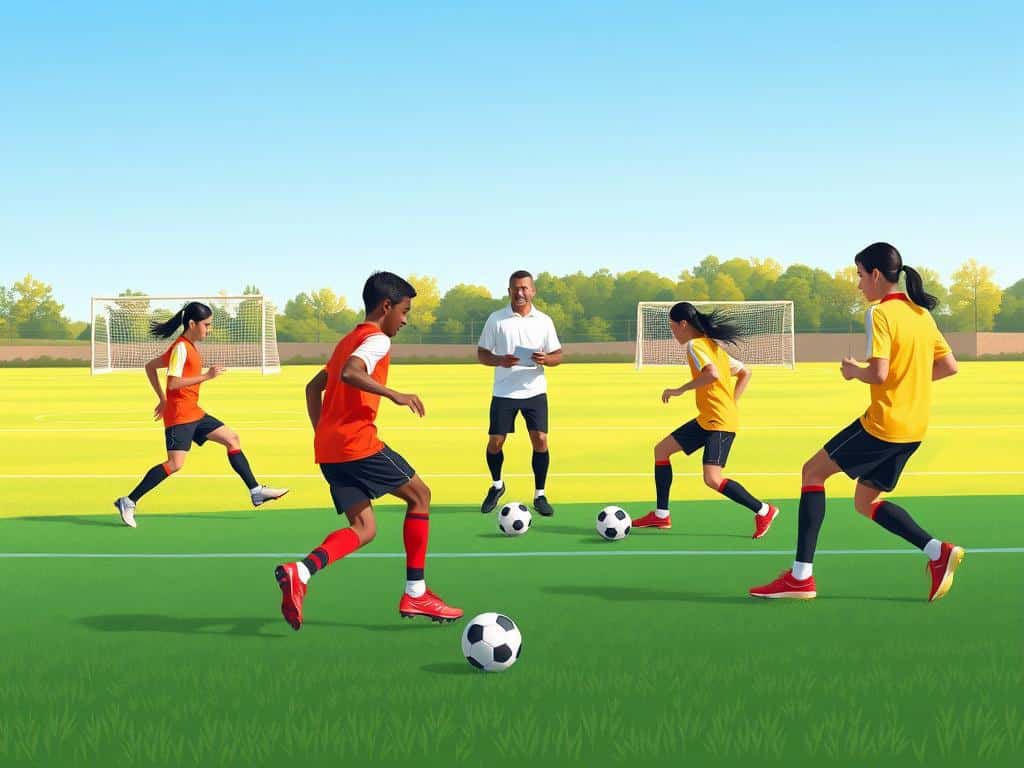
I use a simple checklist when I design how to plan a soccer training session so every minute has a purpose and players leave clearer than they arrived.
Start by picking one clear theme tied to your seasonal goal. Keep the flow to three phases: warm-up, main work, and a short final that reinforces the lesson.
Match activities to your level, pitch size, and attendance. Small groups and co-trainers boost ball contacts and feedback. Aim for a coach-to-player ratio near 1:7 or 1:8 when possible.
Bring the right kit and tools: boots, shin guards, cones, poles, rebounders, and a clipboard or planning software. Allow extra time for transitions and review each practice so you improve the next plan.
Key Takeaways
- Set one theme per session and tie every drill back to that goal.
- Use a three-part flow: warm-up, main, final.
- Adapt drills for age, level, pitch size, and attendance.
- Small groups and co-coaching increase reps and feedback.
- Keep a checklist of kit and have simple review habits after practice.
What coaches need to know before stepping on the field
The best practices come from clear goals—decide what wins at your level and train those skills first.
Start by naming one or two competitive goals with your team. Examples: concede fewer counters or improve build-up through midfield. Keep the language simple so players and staff share the focus.
Translate each goal into 2–3 concrete skills. For faster transitions, prioritize first touch under pressure, scanning, and support angles. To concede less, train 1v1 body shape and compactness.
- Audit constraints: who’s attending, pitch size, equipment, light, and clock time.
- Match age and experience: U9—many touches and short games; U14—pressure and choices; adults—tactical phases.
- Write a simple plan with rough minute blocks and buffers; sessions rarely run true-to-time.
- Prepare two difficulty levels per activity so all players face the right challenge.
- Decide grouping in advance and list two coaching questions to guide decisions during play.
| Item | Beginners (U9-U11) | Intermediate (U12-U14) | Adults |
|---|---|---|---|
| Main focus | Touches, simple rules | Technique under pressure | Tactical phases, positioning |
| Group size | Small, mixed ability | Homogeneous groups | Role-based groups |
| Coach approach | Short cues, big praise | Guided questions, constraints | Detailed feedback, phase drills |
Quick habit: bring a short review sheet. Note outcomes, surprises, and next steps. If you’re a new soccer coach, keep it simple, watch others, and reflect after each session.
How to plan a soccer training session
Begin with the big picture: map the season into four to six tactical themes and let those guide each weekly block. Use that season map as the spine of your weekly plans, then write one clear theme for each single session.
Season → Week → Session: pencil themes across the calendar. For the week, pick one primary theme and one micro-focus. For the session, label every activity with the theme so drills stay relevant.
Quick, practical checklist
- Pre-check constraints: actual minutes, field zone, goals, balls, bibs, and expected attendance.
- Write time specs with buffers; give main work extra minutes if it’s the gold piece.
- Prepare two progressions and one regression per activity for on-the-fly adjustments.
Short example
Theme: “Break lines with angled support.” Warm-up: rondo with scan cues (12 min). Main: positional keep-away with gates (3×6 min). Final: 5v5+2 to mini-goals (3×5 min). Review (3 min).
| Level | Primary focus | Typical block |
|---|---|---|
| U12 | First touch, angles | 4–6 min rounds |
| U15 | Line breaking, support | 6–8 min rounds |
| Adults | Positional patterns | 8–10 min rounds |
Announce transitions and the “why” for each block. Track brief development notes after practice so the next week follows a clear way forward for the team and coach.
Session structure that works: warm-up, main part, final part
A clear three-part flow keeps practice sharp and players engaged from minute one. Each part links back to the session theme so learning stacks across the hour.
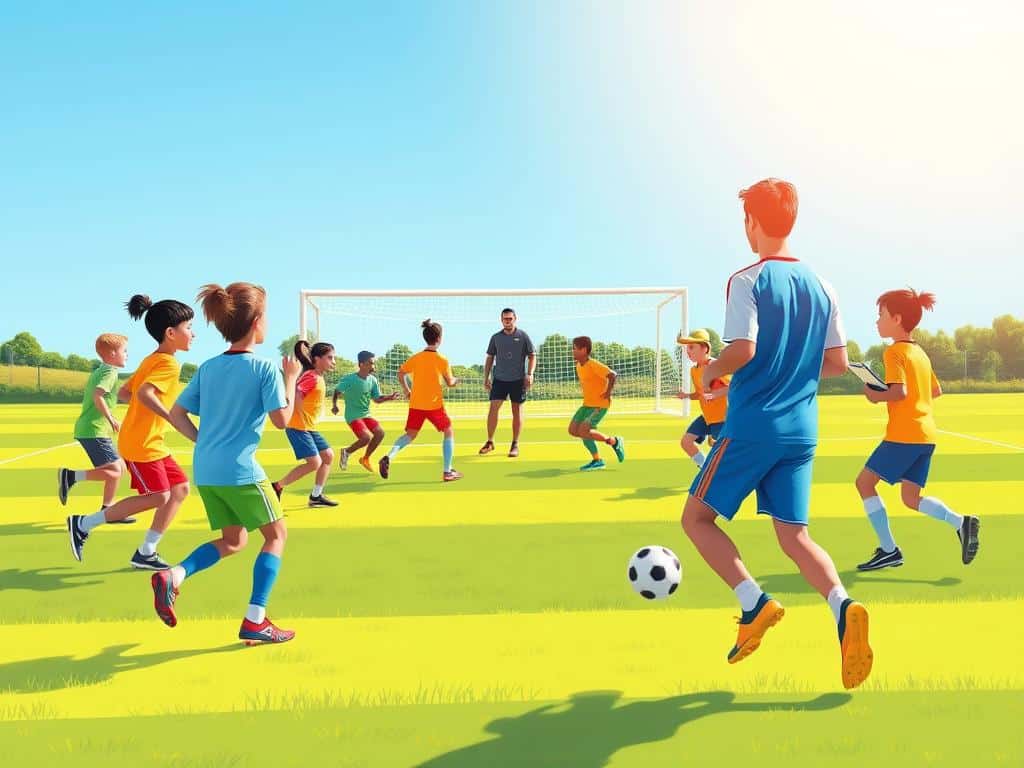
Warm-up: dynamic movement, ball contact, and simple decision-making
Open with movement that wakes the body and brain. Use quick rondos or tag into 3v1 rondos with scan cues and one-touch bonuses.
Try two-gate dribbles where players pick a gate on a call or visual trigger. That primes decisions and ball feel in a short, game-like format.
Main part: game-like drills with coaching points and constraints
Run a compact game that stresses the theme. Example: 4v3 into target players with two-touch in the build and free play in the final third.
Use constraints—touch limits, direction, overloads, scoring zones—and lift them when quality drops. Coach with short cues between rounds: “Open hips,” “Show early,” “Break line on third touch.”
- Work blocks: 4–6 minutes.
- Reset time: 60–90 seconds.
Final part: small-sided games, 1v1, or finishing to reinforce the theme
Finish with 3v3–6v6 games, 1v1 duels, or quick finishing reps. Score the actions you want: 2 points for line breaks, 1 for quick layoffs.
End with a 2–3 minute cool-down and one quick team review: one success and one improvement noticed by players.
Time and frequency: building sessions that fit real life
Fit practice into life: sensible hours, clear blocks, and a repeatable weekly beat.
Typical durations: adults: 90–120 hours per practice window is common language; more usefully, plan 90–120 minutes with a 10% buffer for late arrivals and fixes.
- U8–U10: 45–60 minutes. Short games, lots of touches, quick transitions.
- U11–U14: 75–90 minutes. Balance technique under pressure with small-sided games.
- Adults: 90–120 minutes. One clear main block with purposeful constraints.
Simple split you can copy today: 10–15 minutes warm-up, 45–60 minutes main, 10–15 minutes final, plus a 3-minute debrief. Cap work blocks at 6 minutes to keep intensity high.
Weekly rhythm: most amateur teams train twice per week plus match day. Sync themes across both nights. Taper the last practice before match day with shorter, sharper work.
Use fewer lines, more simultaneous grids, and backup activities if attendance shifts. Track weekly attendance to predict realistic minutes and protect quality.
Equipment and setup: what players and coaches actually need
Gear and layout make the difference between wasted minutes and productive work on the field.
Player kit checklist for every practice:
- Properly fitted boots, shin guards, long socks, and club jersey.
- Hydration bottle and weather layers like a wind or softshell jacket.
- Spare socks and small first-aid info card in each bag.
- Cones or discs, slalom poles, hurdles, and a few portable goals or rebounders.
- Clipboard or tablet with notes, spare pens, and simple tactical board or free software.
- One ball per player where possible; extras by each grid cut restart time.
Smart improvisation when the club budget is tight:
- Cones become gates. Poles mark small goals. Field lines define channels.
- Use medicine balls or resistance bands for warm-up strength work.
- Color-code bags for fast setup and ask players to help set grids.
| Need | Essentials | Budget swap |
|---|---|---|
| Grids | Cones/discs | Old markers or shirts |
| Goals | Portable nets | Poles or cones as posts |
| Feedback | Clipboard/tablet | Printed cue cards |
Safety tips: keep run-out space around each grid, carry a compact first-aid kit, and have spare lights for evening practice. Good prep keeps players safe and drills rolling.
Drill menu by theme: ball mastery, passing, shooting, defending, and 1v1
Build a short toolbox that hits ball control, passing choices, finishing, defending, and aerial control. Pick one or two drills per night and run them in tight, 5–6 minute blocks.
Ball mastery
1,000 Touch blocks: 6-minute rounds of laces rolls, sole pulls, and inside-outside combos. Use one-cone and two-cone patterns for rhythm and first-touch under direction.
Passing with decisions
Triangle passing with a scan call (“left/right/man on”). Players check, adjust body shape, then play. Progress to gate keep-away: 3v3, score by passing through gates; one-touch bonus rewards quick release.
Shooting and finishing
Quick-fire reps: layoff or wall pass, 4–5 balls per rep. Reward corner strikes for accuracy under pressure. Short rest, many attempts.
Defending and 1v1
1v1 channel: show outside, low hip angle, force the play back or win inside 5 seconds. For small groups run 2v2 + target; one pressures, one covers.
Juggling and aerial control
Two-footed ladders: thigh, laces, inside, then weak-foot bursts. Finish with a 30-second player challenge and track best scores weekly.
| Theme | Example Drill | Time | Outcome |
|---|---|---|---|
| Ball mastery | 1,000 Touch one-cone | 6 min | Control, rhythm |
| Passing | Triangle + scan call | 5–6 min | Decision speed, angles |
| Shooting | Quick-fire finishing | 6 min | Accuracy, tempo |
| Defending | 1v1 channel / 2v2+T | 5–8 min | Body shape, cover |
Age-appropriate session templates with minute-by-minute guidance
Design short, game-led blocks that match a group’s years and attention span. Below are copyable templates you can drop into weekly plans and adapt by level or numbers.
U8–U10 (60 minutes)
Keep it playful and touch-rich. Use small grids and quick rotations.
- 8 minutes: tag with ball (warm, fun, many touches)
- 12 minutes: ball mastery—one-cone control circuits
- 12 minutes: 3v3 gates (score through gates)
- 12 minutes: 1v1 to mini-goals (quick duels)
- 16 minutes: small-sided game (keep rules simple)
U11–U14 (75–90 minutes)
Blend technical demands with decision-making under pressure.
- 10 minutes: dynamic warm-up with ball
- 20 minutes: two-cone first touch + passing choices
- 30 minutes: 4v4+3 possession to targets (progress constraints)
- 15 minutes: finishing reps (game-like arrivals)
- 5 minutes: quick review and one development note
U15–Adult (90–120 minutes)
Focus on tactical phases and larger game models that mirror match distances.
- 12 minutes: activation with progressive loads
- 20 minutes: positional rondos (roles and angles)
- 30–40 minutes: tactical game, e.g., 6v6+2 channels
- 15–20 minutes: finishing or set-play routines
- 5 minutes: debrief and next-step notes
Practical tips
- Scale grids by level: smaller for younger players, wider for older groups.
- Use minutes as caps; extend quality work and trim lower-value blocks.
- Adjust by years of experience: novices need more ball mastery; advanced groups take layered constraints.
- End every template with a short competitive element—1v1 or race-to-3—to lock in effort and joy.
- Build weekly progression by adding one constraint each week and record one development note per player.
| Age Band | Total Minutes | Main Focus | Copyable Example Block |
|---|---|---|---|
| U8–U10 | 60 | Touches, fun, decisions | 8′ tag + 12′ mastery + 12′ 3v3 + 12′ 1v1 + 16′ SSG |
| U11–U14 | 75–90 | Technique under pressure | 10′ warm + 20′ first-touch + 30′ 4v4+3 + 15′ finish |
| U15–Adult | 90–120 | Tactical phases, systems | 12′ activation + 20′ rondos + 30–40′ tactical game + 15′ finish |
For endurance or extra conditioning, link short progressive drills into your weekly work—see an endurance blueprint for coaches at endurance blueprint.
Coaching the details: cues, constraints, and player engagement
The coach’s voice is the training engine: brief cues, smart questions, and fast resets keep learning sharp. What matters is how well the coach trains. Plan time, but stay flexible. Use short reflections after practice to improve next time.
Use questions and cues to improve decisions, not just technique
Give crisp cues that drive action. Try: “Check shoulder,” “Open hips,” “Play where you came from,” and “Arrive, don’t slide.”
Ask pointed questions that direct attention. Examples: “Which foot puts your teammate forward?” and “Where is the free player before you receive?”
Constraints-led coaching: size, touch limits, overloads, and targets
Shape the game with small rules. Use 4v3 overloads, one-touch limits in build-up, target players who bounce the ball, or gates that score extra points.
| Constraint | Outcome | Coach cue |
|---|---|---|
| 4v3 overload | Faster decisions | “Find the free angle” |
| Touch limit (2) | Quick release | “First look, then pass” |
| Gate scoring | Line breaks | “Attack the lane” |
Keep intensity high: short work blocks, brief feedback, quick resets
Run rounds for 4–6 minutes. Coach in the gap, not during play. Give one clear point after each block.
Switch roles often so every player sees different angles. Make one change at a time. If quality dips, lift the constraint and rebuild success.
- Use a visible scoreboard that rewards the theme.
- End a block by asking one player for a key takeaway.
- Note two adjustments for the next practice immediately after the final review.
Final tip: model energy and clarity. Your tempo sets the group’s rhythm and keeps the game meaningful.
Staffing and grouping: more ball contacts, better feedback
Setups that prioritize small groups and clear roles create constant ball contact and faster feedback. On busy community fields, small wins in staffing make the biggest difference.
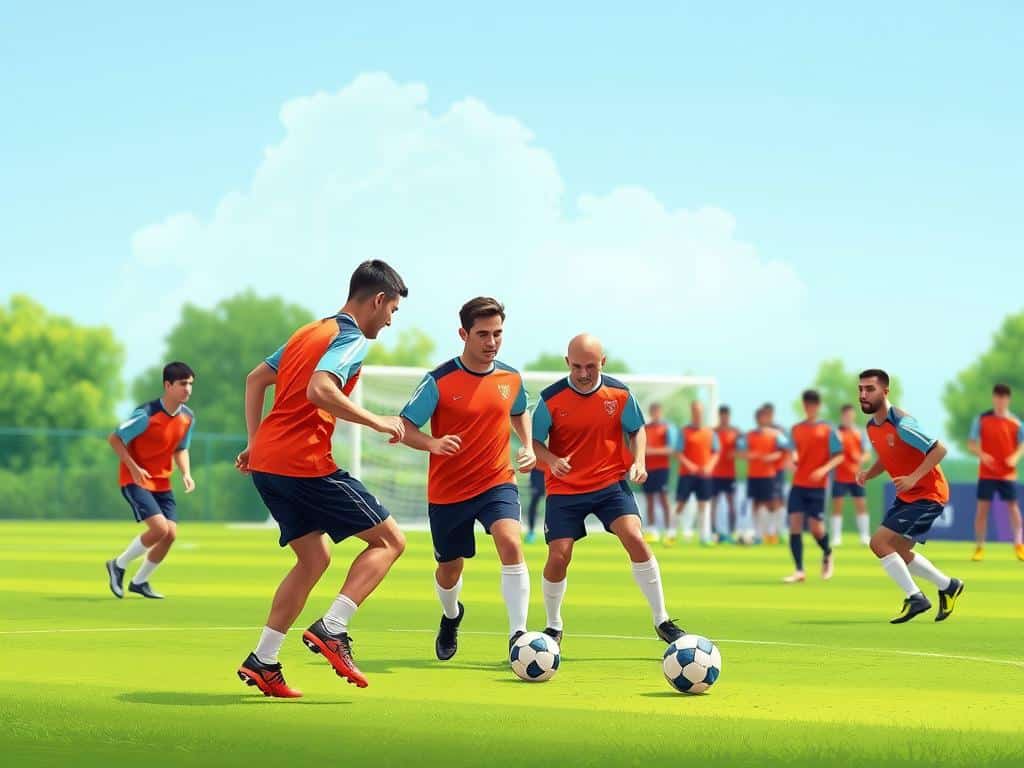
Work in small groups to match level and increase repetitions
Split into stations so players stay active. Example stations: ball mastery, passing decision game, finishing. Timed rotations keep everyone touching the ball and reduce idle time.
Keep lines short—max three players. If attendance rises, duplicate the grid instead of enlarging one group.
Leverage co-trainers and player leaders for station coaching
Aim for 1 coach per 7–8 players. When staff is thin, assign player leaders clear constraints and micro-goals like “10 clean first touches in 60 seconds.”
Ask guest coaches or experienced players to run a specialty station for a week. Record one focus per station on your clipboard so progress links across training sessions.
- Group by level for core work, then mix for game blocks.
- Use simple setup cards for fast transitions and timed rotations.
- Stand where you see the most decisions and coach one theme per block.
- End with a whole-team game to test learning under pressure and celebrate progress.
| System | Why it works | Quick tip |
|---|---|---|
| Station rotation | More reps, varied load | 60–90s rotations |
| Player-led station | Maintains touch count when coaches are few | Give leaders simple cards |
| Guest specialist | Fresh input, focused skill work | Invite weekly for finishing or set pieces |
From single session to season plan
A clear season map makes each weekly block an intentional step toward your team goals.
Start by choosing four repeating themes across the season—press, build, create, finish. Repeat those themes so players revisit essentials often enough to keep them. This creates continuity and reduces coaching noise.
Set a simple weekly goal tied to the season objective. Pick activities that measure progress. Use two or three metrics per theme, for example successful line breaks or completed progressive passes in small-sided games.
Quick review and tracking framework
- Share one shared plan in the cloud so staff and players see changes in real time.
- After each hour, log what worked, what didn’t, and why. Five minutes is enough.
- Note two development points per player to personalize next week without redoing the whole plan.
- Recycle proven games and constraints; consistency beats novelty when chasing clear goals.
| Item | Weekly action | Metric | When to adjust |
|---|---|---|---|
| Theme map | Rotate core themes each week | Number of successful actions | After two weeks of no improvement |
| Shared plan | Update cloud doc before practice | Coach notes & attendance | Daily or after staff change |
| Session review | 5-minute debrief post-practice | What worked / why | Immediate, then adapt next week |
| Taper weeks | Shorter, sharper blocks | Match readiness rating | Pre-match week |
Close the week by sharing next week’s theme so players arrive mentally primed. Small, steady steps win over big one-off fixes.
Conclusion
Close with intention: run one tight game that proves the theme and you will see learning stick. Anchor every session in one idea and carry that idea through warm-up, main part, and final games.
Protect the main block by planning the time you truly have. Use constraints, small groups, short cues, and extra balls at each grid. Scale minutes and space by age, keep a simple season program, and log one quick review after practice.
Stay flexible on the field but strict about the theme. Use these tips in your next soccer training hour and watch progress follow the smart way. Ask one end-of-hour question: “What did we do well and why?”