
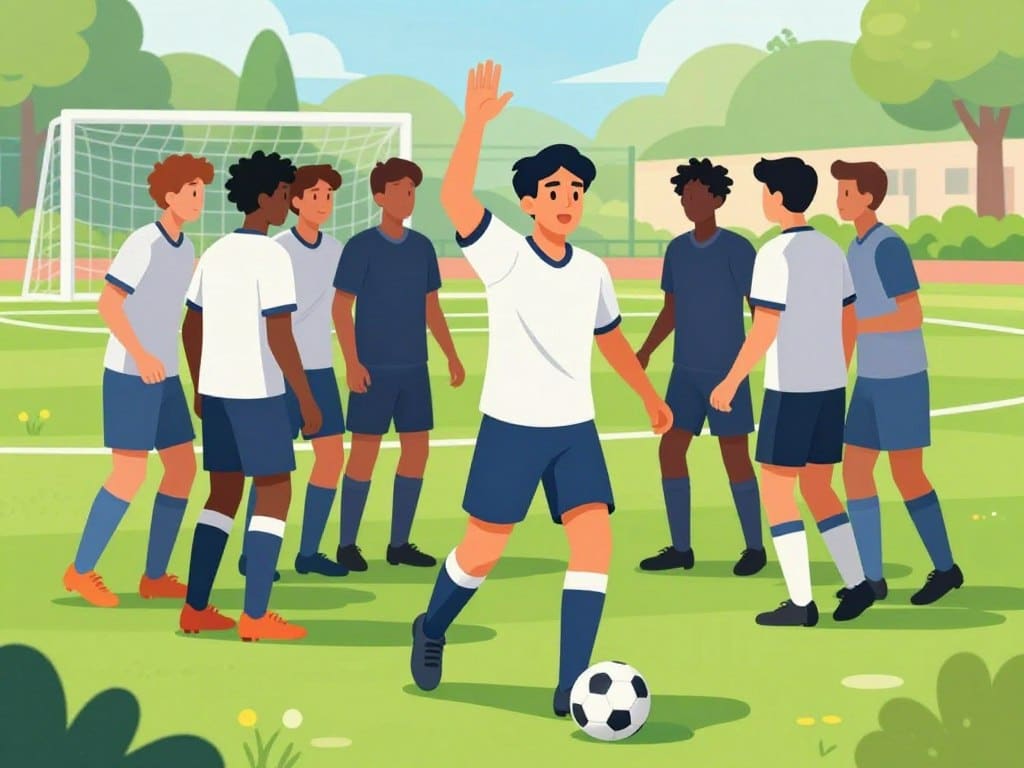
Ever felt the armband change the air around a team? I did the first time a coach clipped it on my sleeve; conversations shifted, eyes found me, and the pregame calm felt heavier. That moment taught me the stakes: the team expects decisions, steady presence, and clear standards.
I won’t promise speeches. Real leadership is quieter. It is being the steady reference point for standards, choices, and emotional control. You will learn how on-field decisions work, the unseen influence off the field, and ways to align with your coach.
Expect practical, actionable guidance: specific do this / say this scripts for games, drills for practice, and weekly rhythms that keep a squad aligned. Different personalities can succeed; the goal is an authentic style that still meets the responsibilities of the role.
Key Takeaways
- Armband shifts expectations: small actions matter as much as big talks.
- Leadership means steady decision-making and emotional control.
- Roles include on-field calls, off-field influence, and coach alignment.
- Practical tips cover game scripts, practice habits, and season routines.
- Any personality can succeed with honest, consistent effort.
What a Soccer Captain Actually Does for the Team
Wearing the armband means you become the team’s practical link between the pitch and the bench. I pass coach messages in clear, small chunks so players get them without defensiveness. I also bring concerns back to coaches calmly, without drama.
The bridge between players and coaches
I act as the filter. If the coach wants a tactical tweak, I translate it into simple actions. If players have worries, I present them with solutions, not complaints.
Central role, even with shared leadership
Teams may have leadership councils, but when chaos hits, the armband is the steady point. I set the tempo in tough minutes and keep the rest team focused.
Core responsibilities: decision-making, composure, setting the example
- Organize shape on restarts and adjust positions quickly.
- Calm teammates after a bad call and keep effort standards high.
- Make tactical calls—slow the tempo after conceding or push the line when more pressure is needed.
- Show competence on the pitch: meeting a baseline of play earns trust from players and coaches.
- Serve the group: show up early, own mistakes, and support others stepping up while keeping messages consistent.
| Responsibility | Visible Action | Why it matters |
|---|---|---|
| Bridge communication | Concise squad instructions; calm feedback to coaches | Keeps plans usable and tensions low |
| Decision-making | Shift tempo or alter defensive line mid-game | Direct influence on match flow |
| Setting example | Timely arrival, owning errors, steady body language | Builds credibility and standards |
| Support others | Let vocal leaders speak while reinforcing one message | Preserves unity and amplifies good contributors |
How to Lead as Soccer Captain on and off the Field
A captain earns trust through small, repeatable habits each training session. I learned this watching veterans track runners and win second balls while others chased highlights.
Lead with competence: your play sets the baseline
Competence means doing the unglamorous work every minute. Track runners, close space, and win scraps. Those acts show players what effort looks like.
Inspire confidence without shouting
- Use calm body language and quick fixes after mistakes.
- Say a short, steady line—“we’re fine”—and move on.
- Offer a solution instead of a rant: clear cues work better than volume.
Know teammates as people, not positions
Some need space; some need a direct challenge; others want tactical data. I check in with one struggling player each week and give veterans room.
| Weekly checklist | Action | Why it matters |
|---|---|---|
| Coach touchpoint | One short meeting | Aligns messages |
| Struggling teammate | One private check-in | Builds trust |
| Full group | Single concrete focus for practice | Keeps standards clear |
Mental Strength, Confidence, and Emotional Discipline Under Pressure
Pressure shows up as extra noise: you’re managing your position while watching the whole match. That extra bandwidth is the job; it makes focus feel fragile at key times.
Staying focused when criticism hits
Use a quick reset I trust: scan the field, give one clear instruction to the nearest player, and say an internal cue like “next play.” That three-step reset stops spirals and refocuses effort.
Fire in the belly, ice in the brain
Celebrate a hard tackle, then immediately set shape. Passion fuels effort; discipline turns it into useful action.
Referee moments and team standards
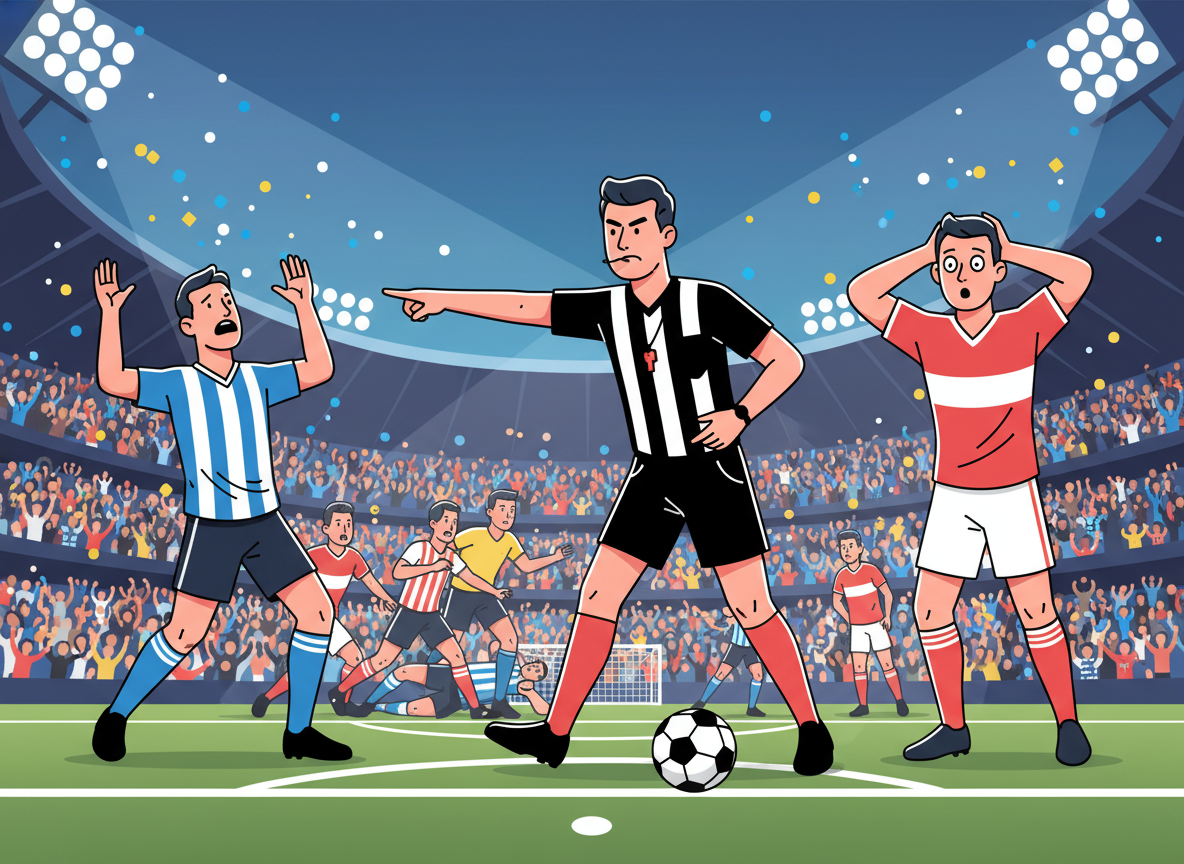
Arguing steals time and clarity. One rep speaks, ask a short respectful question, then walk away. That protocol protects standards and sharpens decision-making.
- After a mistake: deep breath, upright posture, quick ownership phrase — “That’s on me—reset.”
- For a shaken teammate: give one specific cue — “guard the near post” or “first touch out”—not a sermon.
| Situation | Script | Why it works |
|---|---|---|
| Turn of play | “Next play.” | Short cue resets focus |
| Ref dispute | “Sir, quick clarification?” | Keeps respect, limits distraction |
| Mistake recovery | “That’s on me—reset.” | Models ownership, restores calm |
Train these habits and review film without self-attack; mental strength builds with practice. For drills and routines that build grit, see build mental toughness.
Communication That Wins Games: Clear, Simple, and Timely
A single short line at the right moment can change the game’s flow. I train a small library of cues so teammates hear one clear instruction in the noise.

Keep phrases tiny: “Hold,” “Step,” “Man on,” “Switch,” “Time,” “Next ball.” Use them only when they change behavior within three seconds. If not, save the point for a stoppage.
Empower others. Let a center back run the line, a defensive mid call pressure, and the keeper sort the box. That builds trust and keeps messages consistent across lines.
After chaos, give one message for spacing, one for tempo, one to reset mentality. Short, ordered cues calm a group fast.
- Private conflict: pull a teammate aside after practice, name the moment, and end with a shared fix.
- Stop gossip: say, “We sort this privately,” then redirect focus to values.
- Off-field norm: pick one app and one tone for announcements; stick with it.
| Need | Phrase | Why it works |
|---|---|---|
| Hold shape | “Hold” | Stops rush and protects back line |
| Warn of pressure | “Man on” | Prepares first touch |
| Change play | “Switch” | Moves defense and opens lanes |
Hard conversation scripts — Not giving effort: “I noticed less bite in the last quarter; what’s up and what’s one thing you’ll change this week?” Overreacting on-field: “I saw you blow up on that call; let’s talk after practice and fix the trigger.”
Game Day Leadership: Tactics, Referee Management, and Coach Alignment
I watch the first ten minutes for patterns, then make one decisive tweak if needed. Reading the match means spotting overloads, late presses, or isolated wingers and choosing one simple change.
Small in-game tweaks that don’t halt play work best: lower pressing height, tell wide players to tuck in, or call for slower tempo. These fixes buy time and clarity for the rest team.
Working with coaches in real time
Confirm messages during stoppages. Never contradict from the field; keep the coach’s plan coherent for teammates. A short, aligned note at half keeps everyone on the same page.
Calm choices under pressure
- When under pressure: play direct for relief.
- If control matters more: build through the back and slow the rhythm.
- If tempers flare: keep eleven players focused and avoid risky challenges.
Referee management framework
One spokesperson, respectful tone, one brief question, then move on. Protect the team’s focus; arguing costs time and concentration.
| Moment | Action | Why it works |
|---|---|---|
| Bad half | Own mistakes, set one correction | Models accountability and resets effort |
| Coach touchpoint | Confirm a single tactical tweak | Keeps messages consistent |
| Postgame | Quick praise, one learning point, cool-off | Preserves morale and focus for practice |
Accountability matters. After a rough spell I say what I did wrong, name one clear correction, and use practice and training to fix patterns with measurable drills. Courage and consistency on game day build lasting credibility for teams and players alike. For a related tactical lens, see counter-attacking tactics.
Conclusion
A captain’s job is simple: make the team steadier when the match gets messy. My role and job are about keeping clear choices in play, calming noise, and setting a steady example every minute.
Different captains and captains’ styles work; what matters are shared responsibilities. Be composed, clear, accountable, and consistent. I earn trust by playing well, speaking small, and owning mistakes—players notice and a leader’s example spreads.
Next time: pick three on-field cues, have one private chat with a teammate you’ve been avoiding, and agree one priority with your coach. Measure progress by fewer blowups, faster tactical fixes, and a freer rest team. The reward is simple—watching players grow and knowing your way made it happen in soccer.