
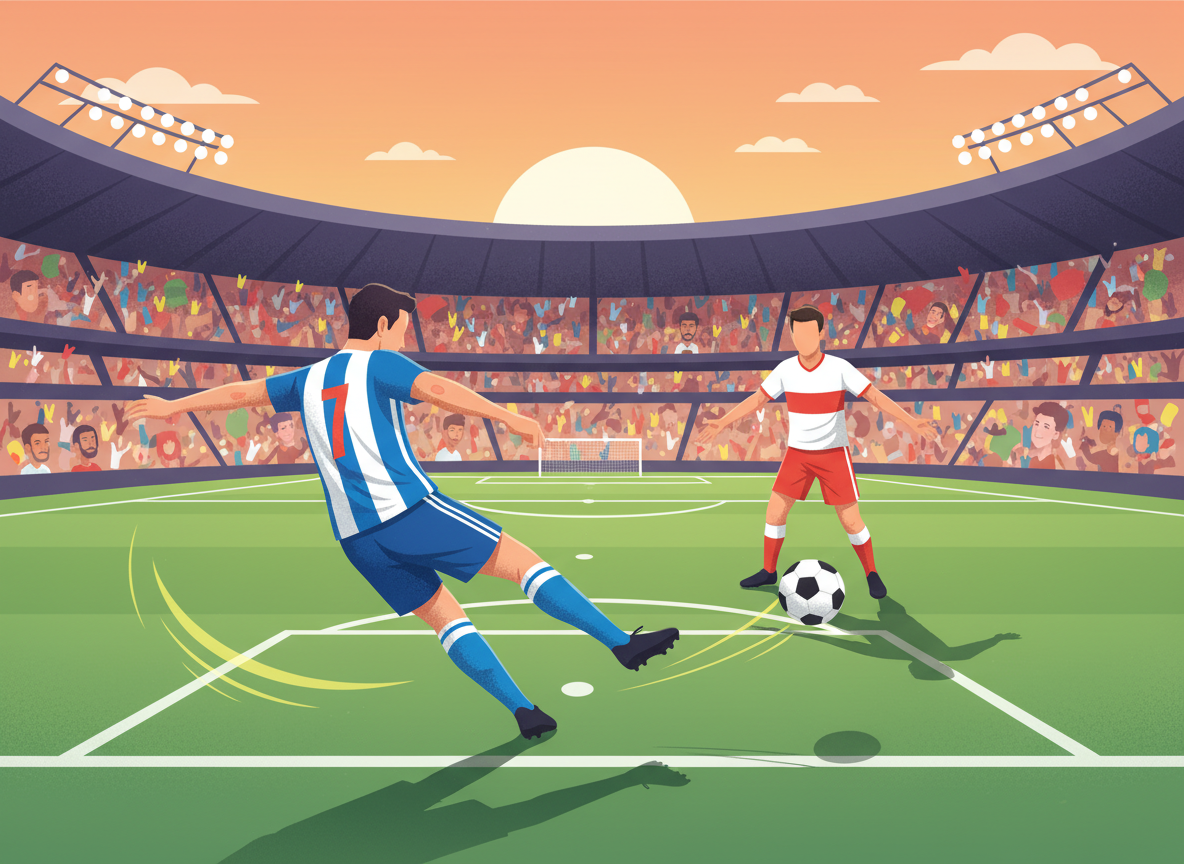
I still remember watching matches before 1992. Goalkeepers could just pick up any ball a teammate passed to them. It led to some teams killing minutes by endlessly rolling it back; the flow of the game would just stop.
That’s why FIFA introduced a new regulation. It forced a fundamental shift in how everyone on the pitch had to think. Suddenly, that safe option was gone, and players had to find new solutions under pressure.
This change wasn’t just about stopping time-wasting. It was about demanding better technical skill from every player on the field. You could no longer rely on your keeper to bail you out with their hands. You had to control the ball, look up, and make a play with your feet.
Understanding this part of the game is crucial. It dictates how you manage possession and maintain your team’s shape when being pressed. Mastering it turns a potential moment of panic into a real tactical advantage.
Key Takeaways
- The regulation was introduced by FIFA in 1992 primarily to combat excessive time-wasting during matches.
- It fundamentally changed the game by removing a safe, easy option for players under pressure.
- Goalkeepers can no longer use their hands to pick up a deliberate pass from a teammate’s foot.
- This forced all players to develop better ball control and decision-making with their feet.
- It rewards teams and individuals who can stay calm and technical in defensive situations.
- Knowing the nuances of this rule gives you a significant mental and tactical edge on the field.
Understanding the Backpass Rule in Soccer Explained
Think of it as a line drawn in the grass: once a teammate deliberately uses their foot, the keeper’s hands are off-limits. This law forces a specific kind of awareness for everyone on defense.
Defining the Regulation and Its Scope
The core instruction is simple. A goalkeeper cannot handle the ball after receiving a deliberate pass from a teammate’s foot.
If a player uses their chest or head to make the pass, it’s usually legal. The keeper can pick it up, unless it’s an obvious trick.
Getting this wrong is costly. If the keeper grabs a foot pass, the referee awards an indirect free kick to the other side. This often happens in dangerous areas.
| Action Type | Description | Outcome |
|---|---|---|
| Legal Pass Back | Pass made with the chest or head (not a trick). | Goalkeeper can handle the ball. |
| Illegal Pass Back | Pass deliberately kicked with the foot. | Goalkeeper cannot use hands. |
| Infraction | Goalkeeper handles an illegal pass. | Indirect free kick for opposing team. |
Why It Matters to Players and Coaches
This changes everything. That easy roll-back to the keeper is gone. You must now control the ball with your feet under pressure.
For players, it’s a vital skill. Learning to play out calmly defines a modern footballer. For coaches, the pass back becomes a possession tool, not just a panic move.
Training your keeper to be confident with the ball at their feet is non-negotiable. It lets your whole team reset play and beat a high press.
The Evolution and History of the Backpass Rule
That summer in Barcelona changed goalkeeping forever. I recall the buzz and confusion as teams arrived for the 1992 Olympics. It was the first major test for FIFA’s new regulation.
Origins and Rationale Behind the Rule
Before 1992, the game could grind to a halt. Defenders would constantly roll the ball back to their keeper to kill momentum. Fans criticized matches for being dull and predictable.
FIFA introduced the pass back rule to stop this time-wasting. The goal was to force a faster, more technical style of play. It removed a safe, easy option for players under pressure.
Key Moments in Soccer History
The Olympics provided instant drama. Italy fell foul of the new law in their very first game. It led to a crucial goal for the United States team.
This change forced goalkeepers to evolve into “sweeper-keepers.” They needed to be as comfortable with their feet as any defender. The impact echoed for years.
One famous moment decided a league title. Bayern Munich secured the 2000-01 Bundesliga via an indirect free kick from a back-pass. These events show why the adjustment is seen as a brilliant success.
| Year | Event | Impact |
|---|---|---|
| 1992 | Rule debut at Summer Olympics | Immediate confusion; forced tactical adaptation |
| 1992 | Italy vs. USA match | First high-profile infraction leading to a goal |
| 2001 | Bayern Munich vs. Hamburg | League title decided by an indirect free kick from a pass back |
These moments permanently altered how the game is played. They highlight the regulation’s profound effect on strategy and player development.
How the Rule Impacts Game Strategy and Tempo
The real beauty of this regulation is how it transformed a defensive move into an offensive weapon. It forces teams to think differently about possession. You can’t just kill the clock anymore; you have to use the goalkeeper with their feet to recycle the ball and restart your attack.
This changes the entire rhythm of a match. Smart teams now use this to their advantage, controlling the pace and frustrating opponents.
Using Back Passes to Reset Play
When your team is pinned back, a deliberate pass back to the keeper is a lifeline. It lets your defenders catch their breath and reorganize. I always remind my players that the goalkeeper is the eleventh outfield player.
They must be calm and technical, ready to receive under pressure. This simple act of resetting can completely defuse a dangerous situation.
Creating Tactical Opportunities on the Field
By drawing the opposing team forward to press your keeper, you create space behind them. A quick distribution can switch the point of attack in an instant. That’s where the back-pass rule becomes a creative tool.
It rewards teams with the vision and control to play out from the back. The difference between a smart reset and a costly error is often just a moment of composure.
Common Misconceptions and Pitfalls in Back Passing
One of the biggest confusions I see on the field revolves around what makes a pass back illegal. Many think any ball sent to the keeper is off-limits for their hands. That’s just not true.
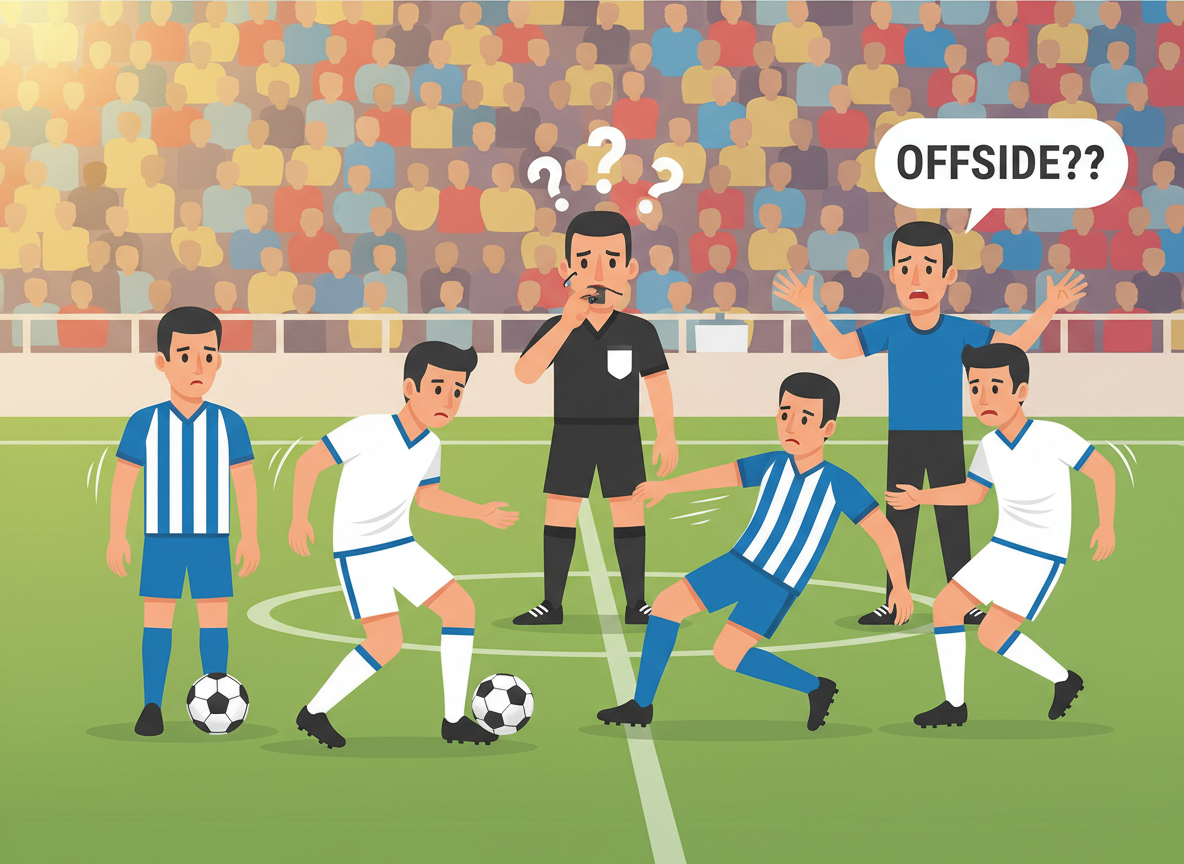
Distinguishing Legal from Illegal Passes
The USSF guidance is clear. An offense happens only after a specific sequence. A teammate deliberately kicks the ball, the goalkeeper then handles it, and the referee blows the whistle.
If a defender accidentally deflects it, the keeper can pick it up. That’s a legal move. I like to break it down simply:
| Scenario | Key Detail | Legal for Keeper to Handle? |
|---|---|---|
| Deliberate Foot Pass | Teammate intentionally kicks the ball back | No |
| Accidental Deflection | Ball bounces off a defender’s body | Yes |
| Pass with Chest or Head | Not a trick to circumvent the rule | Yes |
Addressing Hesitation in Goalkeepers and Defenders
I’ve seen many keepers freeze. They fear the whistle, so they don’t use their hands when they could. You must trust your judgment.
If the ball wasn’t deliberately kicked, it’s safe to grab. Defenders often panic too. They boot the ball blindly toward their own goal.
This gives the other team confidence and territory. Training should focus on calm, controlled passes under pressure.
Tactical Coaching and Training for Smart Back Passing
I’ve always believed that the best way to learn this part of the game is by simulating real match pressure in practice. It’s about building confidence until that deliberate pass back feels like a natural choice, not a risky move.
Game-Based Scenarios for Real Match Experience
We use small-sided games to teach players how to use the goalkeeper as a pivot point. This gets them comfortable with the pass back rule in a live, flowing context.
By integrating these scenarios daily, you remove the fear. Your team starts to see the back pass as a smart reset, not a source of panic.
Developing Decision-Making Under Pressure
Training focuses on the keeper’s first touch. We teach goalkeepers to open their body and scan the field before the ball arrives.
This simple habit creates time and space. It turns a moment of pressure into one of control.
Clear communication is also key. A well-timed call lets the keeper know exactly when to expect the ball at their feet. This structured approach builds the composure needed for clean passes during any game.
Legal Details and Free Kick Implications
Nothing shifts momentum faster than a referee pointing for an indirect free kick inside the box. I’ve felt that sudden tension on the field. Everyone freezes, waiting to see where the kick will be taken from.
Knowing these procedures isn’t just for referees. It’s a crucial piece of game intelligence for every player and coach.
Indirect Free Kick Procedures Explained
According to Law 12, an indirect free kick is the standard penalty. This happens when a goalkeeper handles a deliberate foot pass from a teammate.
The opposing team awarded the free kick takes it from the spot of the handling. But there’s a key exception for the six-yard box.
If the offense occurs within that area, the kick is taken from the nearest point on the six-yard line. This ensures fairness for the attackers.
Where the ball is placed matters greatly. It changes the angle and the defensive setup instantly.
| Infraction Location | Where Kick is Taken | Key Reason |
|---|---|---|
| Inside the 6-yard box | Nearest point on the 6-yard line | Prevents unfair crowding of the goal |
| Anywhere else in penalty area | Spot of the handling offense | Direct penalty for the illegal action |
| Outside the penalty area | Spot of the handling offense | Standard indirect free kick procedure applies |
FIFA Laws and Official Guidelines
The back-pass rule is strictly enforced. The trigger is clear: a ball deliberately kicked to the goalkeeper.
It doesn’t matter if the pass was intended to go backwards or not. The referee’s focus is on the action of the foot and the subsequent handling.
This legal framework keeps the game moving. When the goalkeeper picks ball up illegally, the whistle blows without hesitation.
Understanding this can save your team awarded indirect free kicks from turning into conceded goals. It’s all about awareness and composure under pressure.
Practical Drills to Master the Backpass
There’s a drill I’ve used for years that turns the pressure of a back pass into a moment of calm control. It’s about building muscle memory so your team sees this move as a smart reset, not a source of panic.
Integrating the Rule into Daily Training
One of my favorite exercises is a 4v2 possession game. The team with the ball is encouraged to use their goalkeeper to maintain control. This forces players to think ahead and make clean passes.
You should set up variations where the goalkeeper must receive with their feet. Limit them to two touches before playing out to a teammate. This builds the technical foundation needed for a safe pass back.
I’ve found these drills help players understand this regulation intuitively. They stop overthinking and start reacting during the heat of a match.
Drill Variations for Different Age Groups
For younger players, simplify the game. Use a smaller pitch and fewer defenders. The focus should be on basic ball control and short, confident passes.
With older groups, increase the challenge. Vary the size of the area and the number of players. This forces goalkeepers to make quick decisions about when to pass the ball.
Always ensure your drills mimic real match conditions. That intensity is the best way to prepare your team for competitive play. These games turn theory into instinct.
Conclusion
This journey through the details reveals a core truth about modern play. I’ve come to see that pass back rule not as a mere restriction, but as a vital part of the game. It truly rewards intelligence and composure.
My hope is that you now view it as a powerful tool for your team. A smart, deliberate pass to your goalkeeper lets you reset your shape. It allows you to dictate the tempo and control the ball even when pressed.
Mastering this aspect empowers your players. It builds the confidence to turn defensive moments into opportunities. Keep practicing these skills. You’ll find your entire play becomes more thoughtful and effective.