
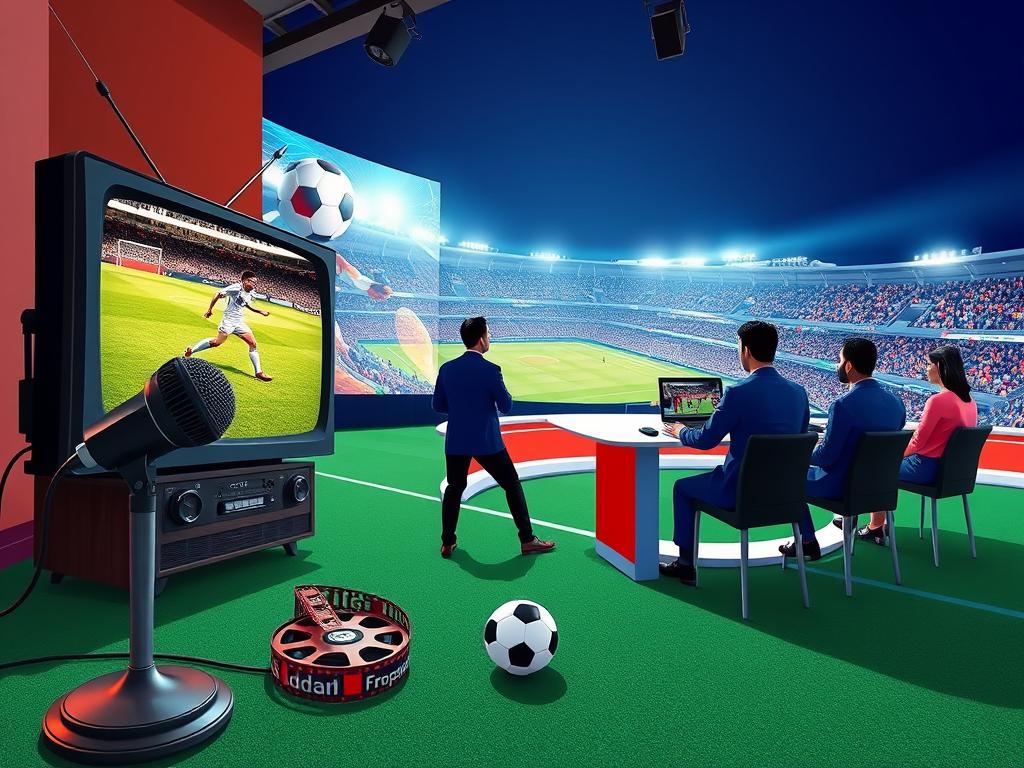
I grew up watching a World Cup match on a small black-and-white TV, then later streamed tournaments on my phone — that contrast shows why the history of soccer broadcasting matters to every fan today.
We map the path from early radio in 1930 Uruguay through Eurovision and Europe’s first TV links, to color in 1970 Mexico and modern streaming tools. Each era changed how fans experience matches and how networks covered the game.
This section sets a clear timeline and explains why the World Cup became the biggest testing ground for new broadcasts. Expect plain language, sharp examples, and a focus on real fan impact — more matches, richer analysis, and live global access.
For a wider look at soccer’s social impact, see soccer’s modern impact.
Key Takeaways
- Radio began it: early World Cup reports built the first global audience.
- Television and Eurovision expanded cross-border viewing in the 1950s.
- Color and satellites in 1970 made matches feel immediate and real.
- Cable and graphics in the 1990s deepened tactical coverage for fans.
- Streaming and social clips now deliver matches and highlights anywhere.
From Crackling Airwaves to Global Audiences: Radio’s First Era
Radio brought the World Cup into living rooms and street corners long before any camera lens could. The inaugural 1930 tournament in Uruguay spread through radio transmissions that let listeners imagine each pass, shot, and roar.
Commentators used tight, rhythmic language to sketch play. They named players, described formations, and turned crowd noise into drama. That style made radio broadcasts feel immediate and alive.
Early radio broadcasts: 1930–1938
By 1934 in Italy and 1938 in France, radio coverage expanded across Europe. More stations provided live updates so fans could follow matches even when travel was impossible.
- Strengths: immediacy, portability, broad reach to remote communities.
- Listener experience: fans could huddle around sets and share real-time reactions.
- Limitations: no replays or angles, so storytelling had to be precise and fast.
| Year | Location | Broadcast Impact |
|---|---|---|
| 1930 | Uruguay | First major global radio relay; matches reached foreign audiences |
| 1934 | Italy | Expanded European radio networks; more consistent live reports |
| 1938 | France | Wider coverage across regions; radio cemented communal listening |
Radio shaped football vocabulary and imagination. It proved that timely audio could unite massive sporting events and set a template that later technology would amplify.
Television Takes the Stage: Eurovision, Live Broadcasts, and Cross‑Border Coverage
Television moved football from imagined plays to sharp, shared pictures that rewired how fans followed big events.
In 1954 (Switzerland) and 1958 (Sweden), Eurovision’s cooperative network — with the BBC’s logistical muscle — delivered the first live European World Cup feeds across borders. These years proved cross‑national live broadcasts were possible at scale.
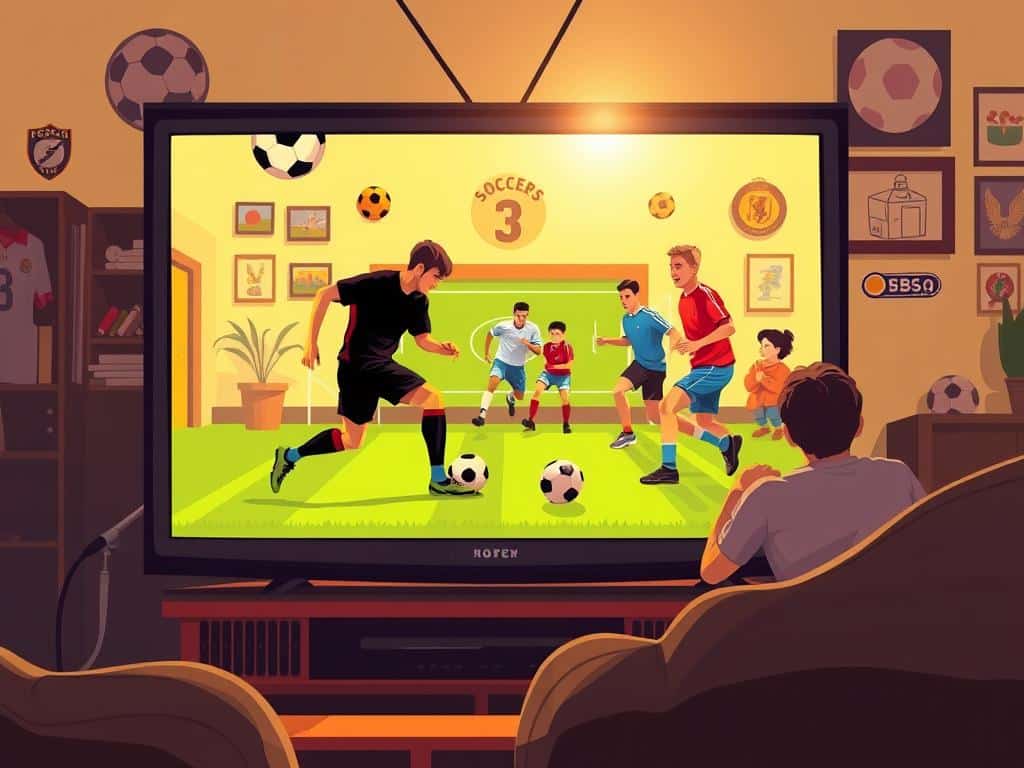
Gear that changed what audiences saw
Marconi Orthicon cameras boosted outdoor picture quality by the mid‑1950s. Zooms arrived by 1955, and Ampex video recorders from the U.S. let producers tape, replay, and later show slow motion by 1966.
Politics, money, and access
In March 1955, UEFA gave federations the right to authorize televised coverage. That decision sparked debates about ticket sales versus access.
The Italy–FRG match on December 18, 1955, shows the stakes: Germany blocked live transmission to protect gate receipts. A RAI technicians’ strike then delayed coverage until halftime, which enraged fans and editors alike.
- 1954 & 1958: Eurovision + BBC enabled first live cross‑border World Cup feeds.
- 1960: A rapid relay for OGC Nice–Real Madrid linked Spain to Northern Europe in weeks.
- By 1966: Replay and slow motion changed how people judged key moments.
| Year | Development | Impact |
|---|---|---|
| 1954/1958 | Eurovision network & BBC support | Cross‑border live television became viable |
| 1960 | OGC Nice–Real Madrid relay | Proof that international relays could be built quickly |
| 1966 | Ampex replay & slow motion | Fans saw incidents in detail; tactics became clearer |
The rise in television pushed football from radio reports into visual analysis. Fans began to read space, runs, and formation in real time. That shift set the stage for color, satellites, and even broader media change.
Color, Satellites, and a Global Spectacle
The 1970 World Cup in Mexico turned televised matches into a vivid, shared event for millions. Color screens, multiple cameras, and slow motion made every pass and crowd surge feel immediate.
Television crews used sharper lenses and more angles to show spacing and movement. That clarity helped fans learn tactics and spot runs in ways radio never could.
Satellites extended live feeds to Asia and Africa. New audiences could watch the same moments as viewers in Europe and the Americas. The result was a real rise in global interest for the sport.
- Fan benefits: crisper replays, closer close-ups, and clearer context between plays.
- Production: directors cut between angles to tell the match story without slowing action.
- Legacy: color TV immortalized stars like Pelé and made the World Cup a shared cultural moment.
| Feature | 1970 Impact | Fan Benefit |
|---|---|---|
| Color television | First World Cup in full color | Clear kits, pitch contrast, vivid crowds |
| Multi-camera coverage | Multiple angles and replay use | Better tactical view and dramatic replays |
| Satellite feeds | Live reach to Asia & Africa | Global fans shared one live experience |
This era standardized the look and feel of World Cup coverage, proving that premium content could capture worldwide fans at scale. For a wider look at the game’s global impact, see soccer’s modern impact.
The 1990s Digital Turn: Cable, Dedicated Sports Channels, and Broadcasting Rights
The 1990s rewired how we watched football. Cable and satellite gave fans more than a single match each week. Now networks filled hours with analysis, features, and replays.
Comprehensive coverage arrived fast. Channels like ESPN and Eurosport ran pregame tactics, halftime breakdowns, and postgame panels. Graphics, heat maps, and clearer replays helped viewers read the game like coaches.
Commercial shift and rights
Pay‑TV changed the business. Sky Sports and other dedicated sports channels bought rights and built schedules around football. Subscriptions and pay-per-view boosted revenue, funding higher production values.
Programming and schedule changes
Better floodlights and broadcast technology enabled night matches and midweek fixtures. This moved viewing into prime time and created new routines for families and fans.
| Area | 1990s Change | Fan Impact |
|---|---|---|
| Channels | Cable & satellite expansion | More matches and team coverage |
| Production | Advanced graphics & replays | Clearer tactics and instant review |
| Business | Pay-TV rights & subscriptions | Better coverage, more paywalls |
| Scheduling | Night and midweek games | Convenient viewing times |
Trade-offs mattered: deeper content came with decisions about which packages to buy. Still, the rise in football television and modern technology gave fans richer, more consistent coverage than ever before.
The Streaming Era: Platforms, Social Media, and Interactive Viewing
By 2018, watching a World Cup no longer meant a living‑room TV — it meant a phone, a tablet, or a laptop in your hand.
Streaming platforms like YouTube TV and Hulu proved the model: clean interfaces, multi‑device support, and on‑demand highlights. Fans could pause, rewind key chances, and catch condensed recaps when they had time.
Second‑screen engagement
Social media fed instant clips and hot takes during matches. Fans could scroll live highlights, jump into threads, and share reactions while a match was still unfolding.
Interactive tools and immersive tech
Multi‑angle feeds, personalized stats, and early AR/VR overlays let viewers choose what to track. That control made the viewing experience personal and practical.
- Flexibility: pause, rewind, or resume across devices.
- Interactivity: custom alerts and multi‑angle replays.
- Community: social media watch‑parties connected fans worldwide.
| Benefit | 2018 Example | Practical Perk |
|---|---|---|
| Anywhere access | Platforms like YouTube TV | Watch on phone or TV |
| Real‑time clips | Social media feeds | Instant highlights |
| Adaptive quality | Cloud delivery | Smoother streams on varied connections |
Challenges remain — latency and rights fragmentation complicate sports broadcasting. Still, streaming expands choice and brings fans closer to the action than traditional broadcast ever could.
The history of soccer broadcasting and its impact on fans, teams, and media
For many supporters, the modern era mixes richer coverage with tougher choices about what to pay for.
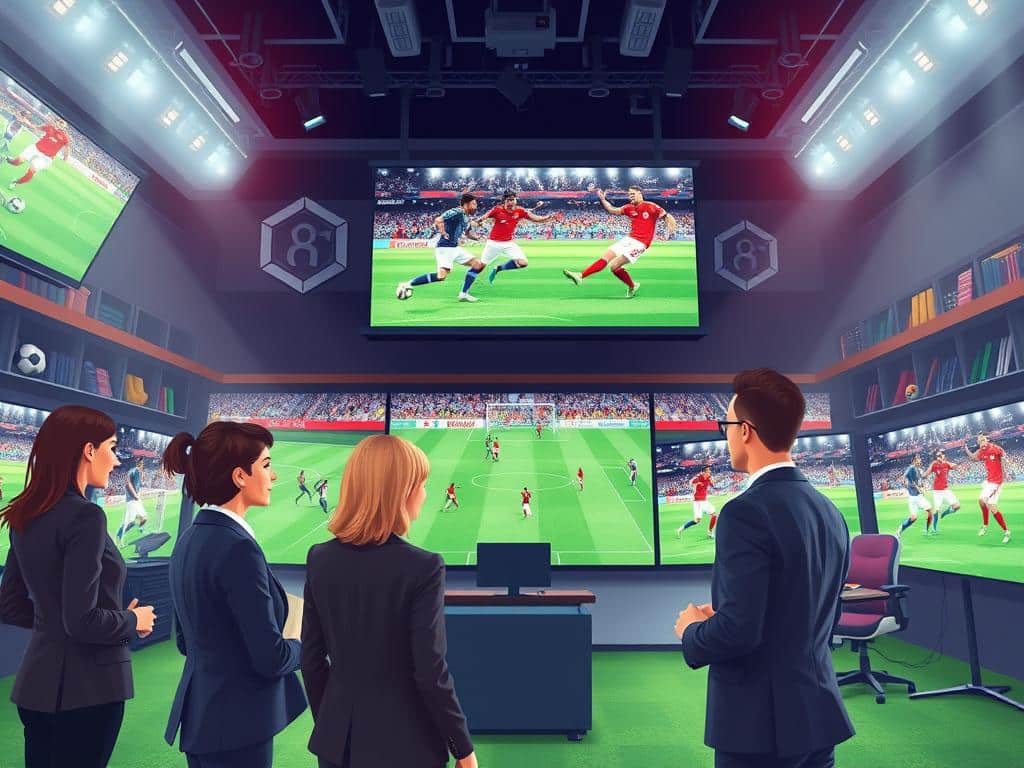
Access and affordability
Commercial rights deals and paywalls have made some matches costly to reach. UEFA’s rights strategies shape which teams appear and where.
Practical fixes: smart bundles, free highlight windows, and community radio keep more fans connected.
Data, AI, and personalization
AI now curates clips, suggests player angles, and sends custom alerts. That brings fans closer to the moments they love.
Balance matters: overlays and trackers should clarify play, not obscure it. Privacy‑aware data rules must guide this work.
- Audio description and better captions raise access for visually impaired viewers.
- Radio coverage and local broadcasts remain vital where broadband lags.
- Transparent pricing and inclusive features help keep communities involved.
| Issue | Effect on Fans | Practical Fix |
|---|---|---|
| Paywalls | Blocked access to live events | Free highlights, timed windows |
| Exclusive rights | Fans miss regular team coverage | Smart channel bundles |
| Tech overload | Distraction from live play | Minimal overlays, opt‑in stats |
| Underserved areas | Limited viewing options | Support radio and community broadcasts |
Conclusion
Across a century, broadcasts transformed how fans feel, turning distant matches into shared nights.
Radio sparked mass connection. Television gave visuals and clarity. Color, satellites, cable, and streaming each raised the quality and reach of major events like the World Cup.
The steady rise in sports production brought choices and trade‑offs. Better replays and smarter graphics came with paywalls and fractured channels. Rights and access still shape who watches and where.
For fans, the gains are real: on‑demand highlights, social clips, and personalized streams make game nights social and instant. Look ahead: lower latency, richer data overlays, and more accessible features will deepen that bond.
Takeaway: this article traces how one medium after another has made sport more immediate, more shared, and more personal. Keep exploring classics with modern tools — the next era of sports broadcasting will keep the world’s game closer than ever.