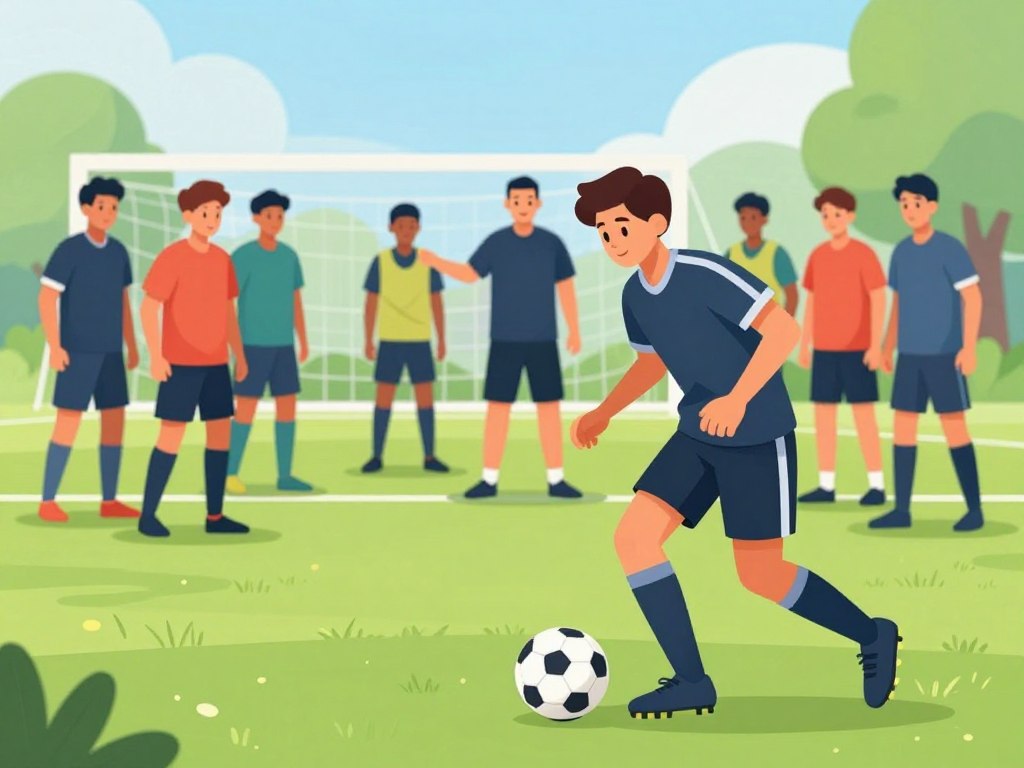

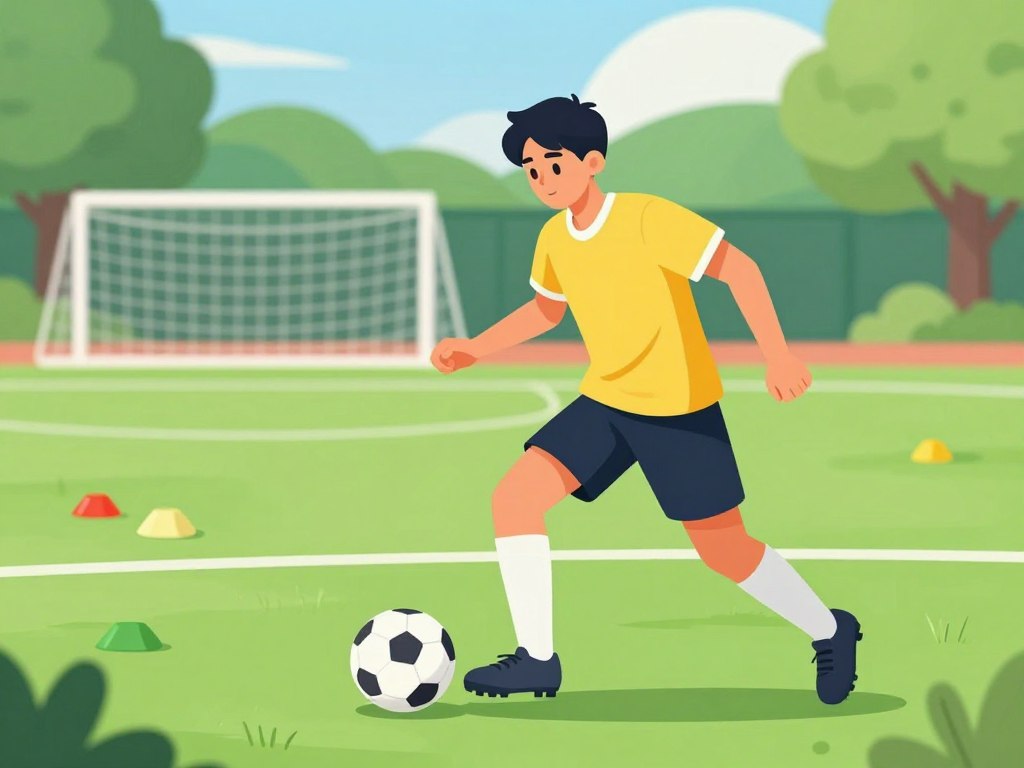
“The first touch is everything. If you can kill the ball dead, you have already won half the battle.” I heard a legendary midfielder say that once, and it stuck with me.
I still remember a game where my poor reception cost us. The pass came, I fumbled, and possession was lost. That moment taught me more than any coaching session ever could.
Your initial contact with the ball dictates the next few seconds. It decides if you have time to pick a pass or if you’re scrambling. Watch any great players; they live by this skill.
Mastering this ability isn’t just about technique. It’s about confidence. It’s about creating space for yourself when there seems to be none. When your control is clean, you dictate the game.
A great reception wins you precious time. It lets you see the field and make smarter decisions. This good first touch separates the reactive from the proactive.
You don’t need a team to improve. A wall and a ball are enough. Consistent, deliberate work builds the touch that makes you a more dangerous player. And remember, staying confident in soccer is deeply connected to trusting your technique.
Key Takeaways
- The initial contact with the ball sets the stage for everything that follows in a match.
- A quality first touch creates immediate time and space on the pitch, even under pressure.
- This skill is as much about mental confidence as it is about physical technique.
- Players with exceptional control often appear to have more time because they act, not react.
- Effective practice for this can be simple and done alone with minimal equipment.
- Improving your reception directly influences your ability to maintain possession and dictate play.
- Mastering this fundamental builds a foundation for overall soccer growth and on-field confidence.
Mastering the Fundamentals of Soccer First Touch
The real magic of a quality first touch isn’t in the stop, but in the start it gives your next move. Mastering these fundamentals means moving beyond simply catching the ball.
It’s about intentional direction and instant readiness.
What Defines a Good First Touch
A good first touch positions the ball exactly where you need it. Your foot must cushion the pass, but also guide it into space.
You decide this before the ball arrives. Are you turning, passing, or shooting? That choice dictates your touch.
I’ve learned the best players rarely kill the ball dead. They often use that first contact to move it away from pressure. This creates immediate time.
The Role of Control in Ball Possession
Your ability to control the ball consistently is everything for your team. A shaky reception turns a simple pass into a turnover.
I’ve watched confidence drain from players when their control fails. It starts a tough mental spiral.
But when your ball control is sharp, you dictate the game. You set the tempo and create options. A clean take can instantly launch a counter-attack. You force opponents to react to you.
That’s the ultimate goal. Your first touch isn’t just a technique. It’s a statement of command.
how to improve first touch in soccer
Your initial contact with the ball is a conversation; the quality of your reply determines who controls the dialogue. This means moving with purpose before the pass even arrives.
Your hips and shoulders must be ready. Are you opening up to the field or shielding from a defender? That decision shapes everything.
Technique and Ball Positioning
Mastering reception starts with knowing your tools. The inside of your foot offers the most surface area. I use it to cushion passes and set up my next move.
But don’t sleep on your outside foot. It’s a secret weapon for nudging the ball away from pressure. Defenders can’t predict the angle it creates.
Where you place the ball after your touch is critical. Too close, and you’re smothered. Too far, and it’s a turnover. Aim for that sweet spot where you can instantly pass or drive forward.
The techniques for a driven ground pass differ from controlling a looping aerial ball. You must practice both.
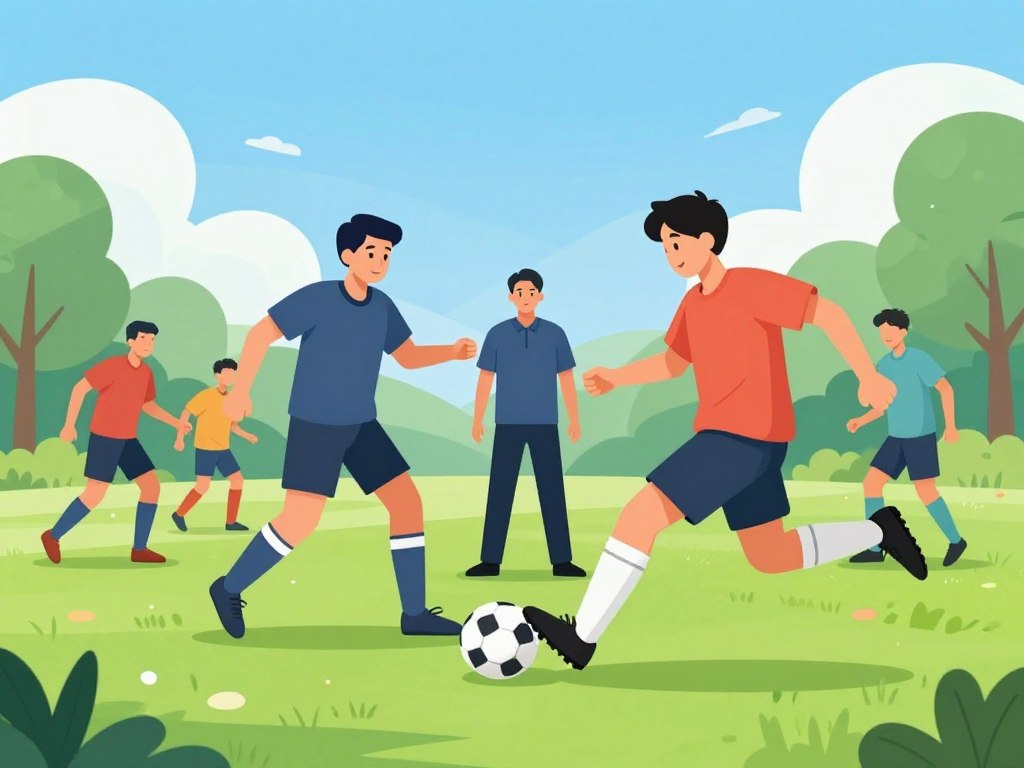
Developing Balanced Foot Control
To truly develop first touch mastery, you must use both feet. The ball doesn’t care which one you prefer.
I forced myself to use my weaker foot for every reception in practice. It felt wrong for weeks. Then, my confidence transformed because I had twice as many options.
Stay light on your toes. Read the ball’s spin and adjust your body. This sharp footwork makes every technique feel more natural.
Expanding your control to thighs and chest is next. You never know how the ball will arrive in a game.
Drill Routines to Refine Ball Control Skills
I learned more about control from a concrete wall than from any coach’s clipboard. The right drills build the instinct you need on the pitch.
Individual Training Drills
Start alone. Juggling is a complete training tool. It forces touch with your foot, thighs, and chest.
Solo wall work is brutally honest. Strike the ball and control the rebound in one motion. Vary your distance and power.
Partner Exercises and Wall Passes
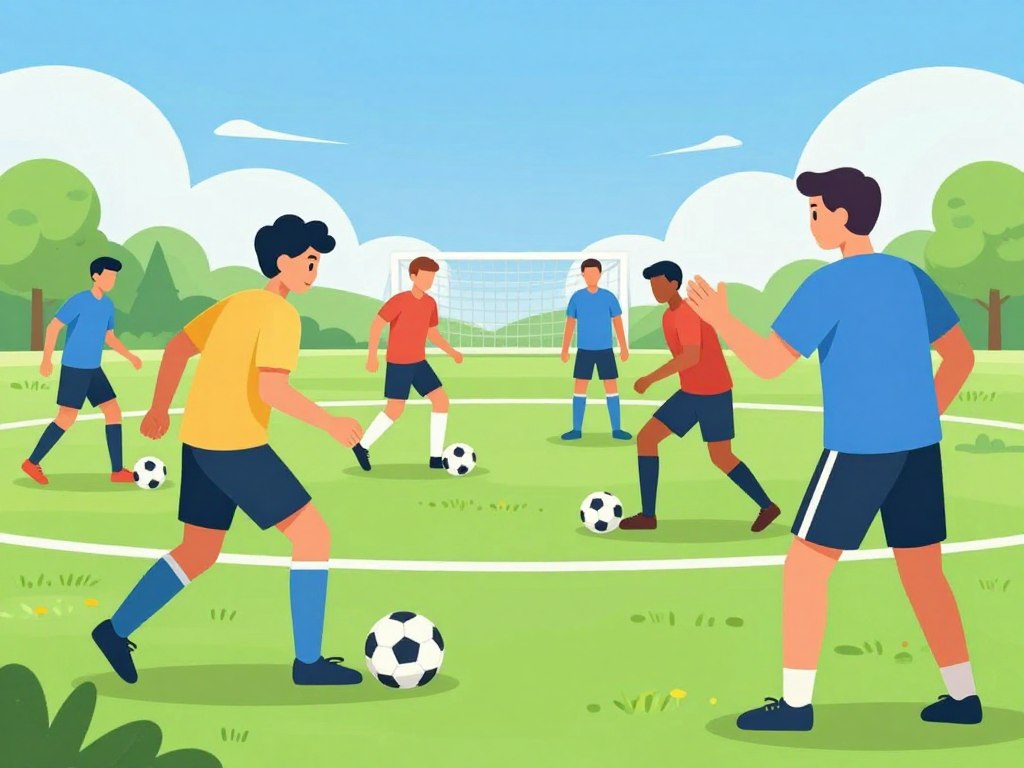
Add a friend for unpredictability. Fizz passes to their feet and demand a clean receiving ball.
This mirrors real game speed. Try quick-thinking drills with a line of cones between you. It forces smart decisions.
Utilizing Cone Setups for Controlled Touch
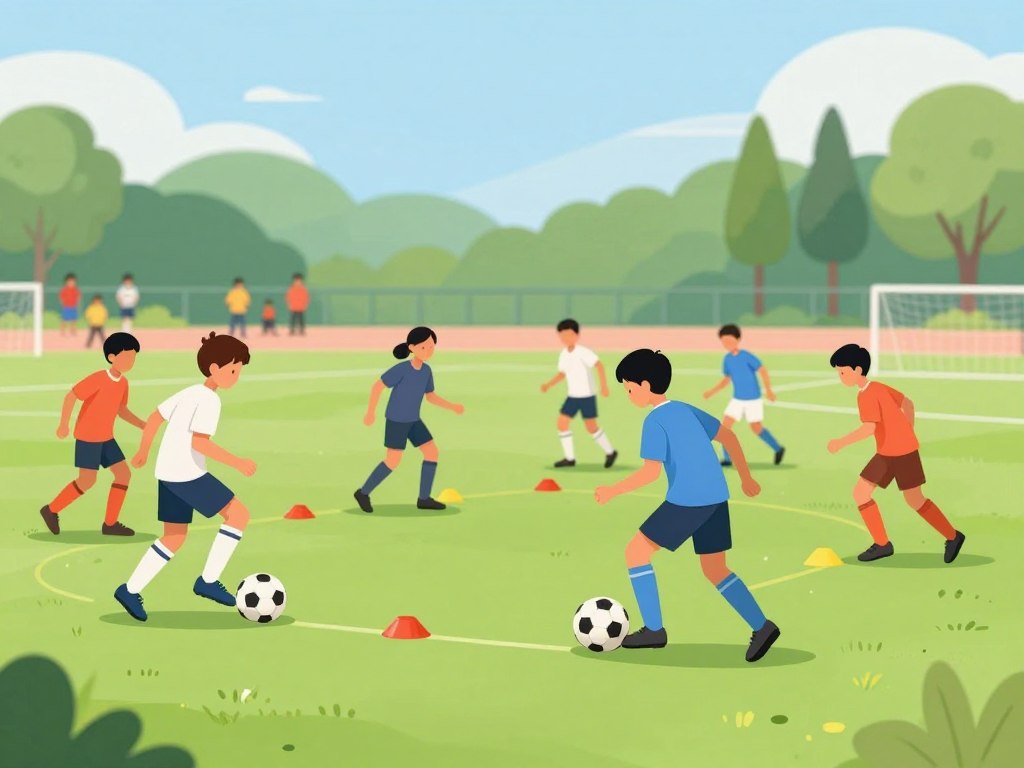
Bobby Burling’s simple cone setup is genius. Use four cones to create a small box.
Your goal is to pass ball into it and kill it dead. If your first contact sends it outside, you get instant feedback.
This practice sharpens precision for all players. It turns a good one touch into a reliable habit.
Building Game Awareness and Spatial Positioning
The difference between a good player and a great one often happens before the ball arrives. Sharp technique means little if you’re marked out of the game.
Your mind must work first. It builds the map that tells your feet where to go.
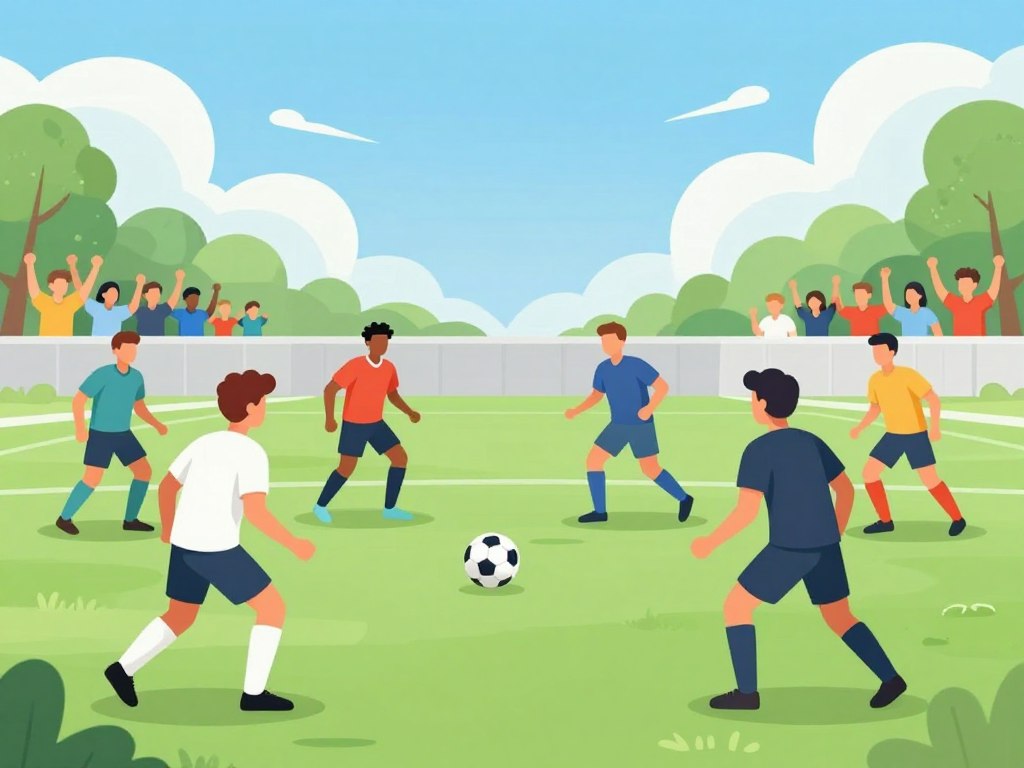
Reading the Field and Opponent Movement
I learned to scan constantly. A quick look over your shoulder builds a live mental picture.
You see where defenders are stepping. You spot the open channels. This isn’t just seeing; it’s predicting.
Treat it like a chess game. If a defender presses, space opens behind them. Your first touch should attack that void.
Exploiting Open Spaces During Play
Smart players don’t find space; they create it. Move between opponents, not next to them.
I started positioning myself in these pockets. Suddenly, I had an extra second to control the ball. That time is everything.
Your body orientation is key. Open your hips toward the space you want to attack. Your initial contact will naturally follow.
| Aspect of Play | Poor Awareness | Good Awareness | Result for First Touch |
|---|---|---|---|
| Body Position | Closed, back to play | Open, scanning field | More options for control |
| Scanning Frequency | Rarely checks shoulders | Constant 360° awareness | Knows defender location before reception |
| Movement Off Ball | Static, near defenders | Dynamic, finds pockets | Creates vital time and space |
| Decision Speed | Reacts after receiving | Decides before ball arrives | Clean, purposeful touch every time |
This awareness changes everything. When you know what’s around you, your touch becomes an act of creation, not just reaction.
Integrating Strength, Conditioning, and Mental Toughness
True mastery of reception integrates physical power, agility, and unshakable confidence. Your technique is useless if your body or mind quits.
I’ve seen players with beautiful skills fade in the second half. Their fitness level couldn’t sustain the sharpness needed for clean ball control.
Physical Training and Agility Drills
Building strength isn’t for show. It’s for balance. You need to hold off a defender while cushioning a pass.
Agility training is a secret weapon. When you’re more agile, you adjust your foot and body faster. This creates better angles for your initial contact.
Boosting Confidence and On-Field Decision-Making
Mental toughness is the most underrated ability. Every player makes mistakes. Your response determines your development.
I lost my confidence after a string of poor touches once. It created a negative spiral.
Real confidence comes from two places. Repetition in training makes techniques automatic. Mental resilience lets you trust your ability after an error.
This integrated approach builds complete soccer players. You can receive under pressure and still make the right choice. That’s the ultimate goal.
Conclusion
Every pass you receive is an opportunity to dictate the flow of the match. A clean first touch buys you precious time and opens the field. I’ve seen players transform their entire game by committing to this one skill.
Your journey with ball control is never finished. There’s always a new challenge. The goal isn’t perfection. It’s consistent growth and the confidence to trust your touch.
Work on your awareness and strength alongside the technical drills. This holistic approach accelerates progress. Time spent practicing is never wasted.
So grab a ball and start developing. Your future self will thank you when you control a crucial pass in a big soccer match. Mastery starts with that reliable first touch.