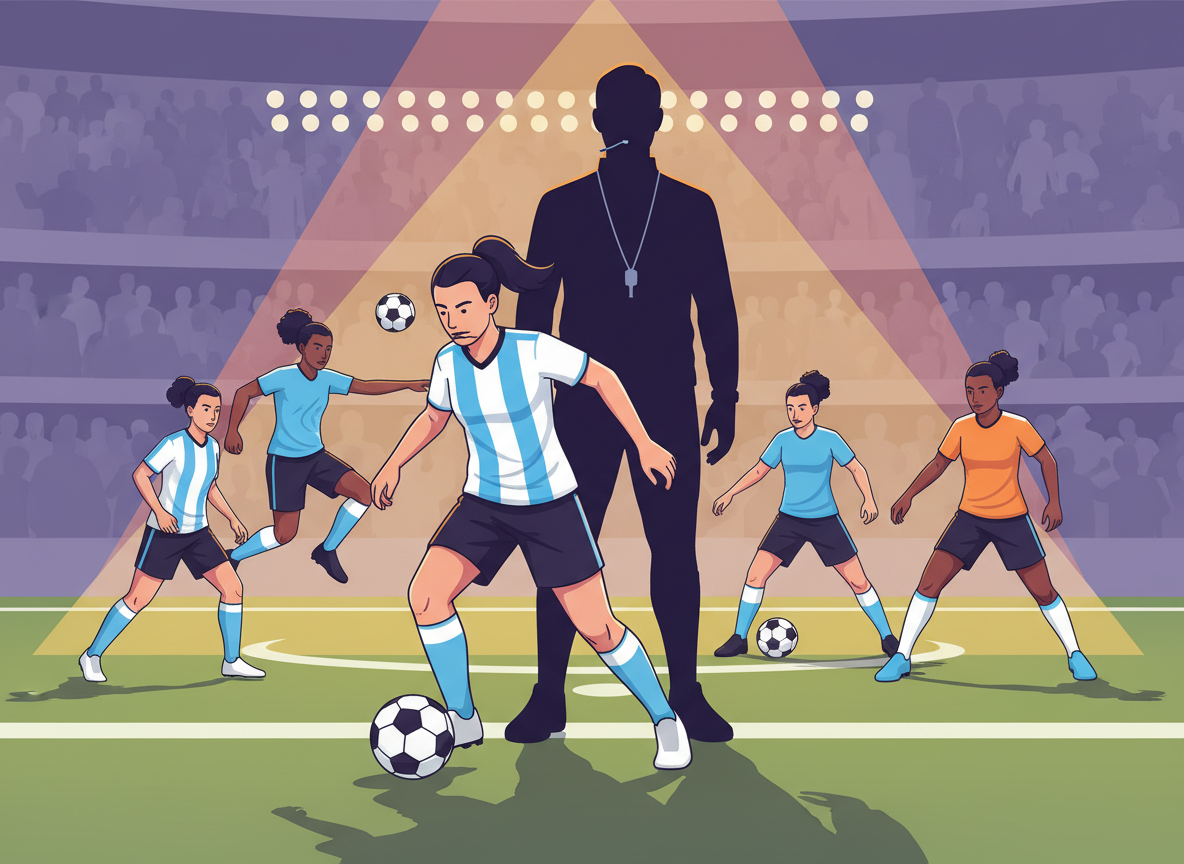

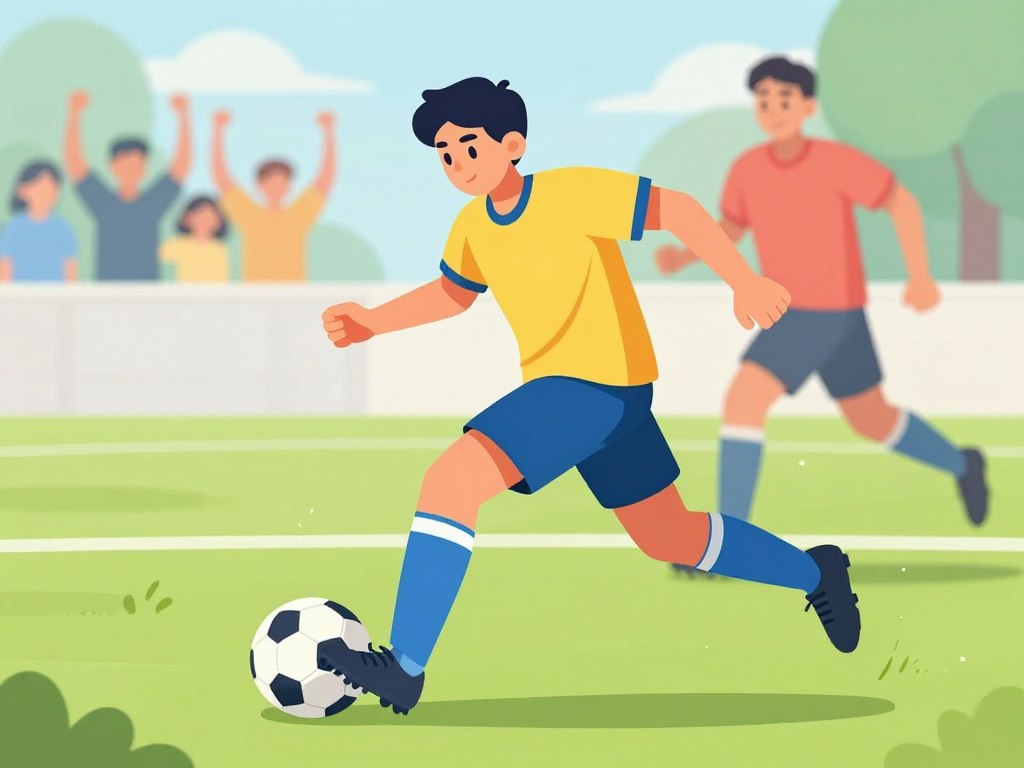
Great midfielder Xavi often emphasized that protecting possession is about intelligence, not just strength. That idea clicked for me years ago, watching a player hold off two defenders while calmly looking for a pass.
It wasn’t just ball control; it was chess with your body. Ever wondered why some athletes seem impossible to dispossess, even when surrounded?
Mastering a fundamental skill provides an answer. This isn’t about being the biggest or strongest person on a field.
It’s about understanding spatial awareness, body positioning, and reading an opponent’s intentions before they move. Execute this well, and you’re not just protecting possession.
You’re buying precious time for your team. You create space for yourself and dictate a game’s pace instead of reacting to it.
This guide walks you through everything from a mental approach to technical execution. I’ve seen players double their effectiveness by shifting their mindset from just protecting an object to controlling space around it.
That subtle difference changes everything. Whether developing foundational abilities or refining technique, understanding this art transforms how you handle pressure.
Key Takeaways
- Shielding is a mental game as much as a physical one, starting with your mindset.
- Effective body positioning and balance are more important than sheer size or strength.
- Spatial awareness—knowing where defenders and teammates are—is crucial.
- The skill buys your team time and helps you control the tempo of the match.
- It transforms you from a reactive player into one who dictates play.
- Mastering this technique builds confidence and makes you a more reliable possession player.
Understanding the Role of Shielding in Soccer
Effective possession under pressure hinges on one core principle: turning your back isn’t retreating; it’s strategizing. This act creates an impenetrable barrier between a defender and your ball. It’s about claiming space with intelligence.
The psychology here is everything. If you’re tentative, the opponent senses weakness and applies more pressure. Confidence in your position makes you a fortress they cannot breach.
Defensive Body Positioning Explained
This isn’t a static pose. It’s a constant dance. You read a defender’s weight, anticipate their lunge, and adjust your stance milliseconds before they commit.
Your body becomes a dynamic obstacle. Think of it as a door that swings shut just as they reach for it. This proactive adjustment eliminates gaps and forces them to take a longer route.
Using Your Body as a Natural Shield
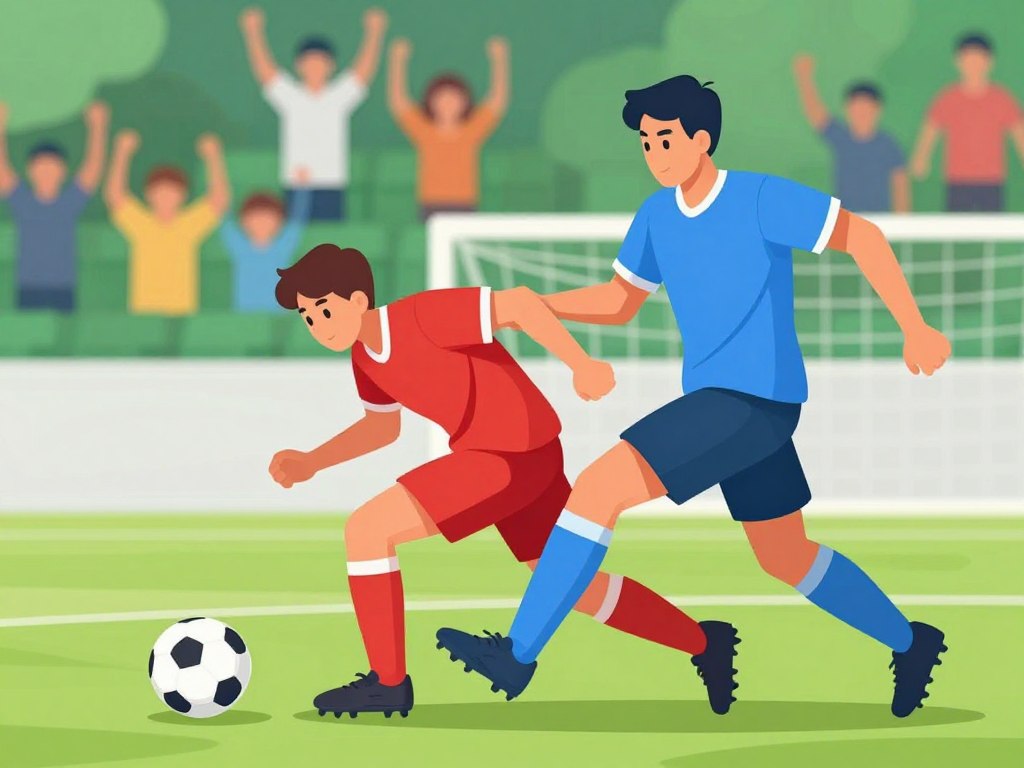
I’ve learned that using body angles is about leverage, not brute strength. Get low, widen your base, and feel comfortable with contact. This posture places maximum distance between the opponent and your possession.
The moment you receive a pass, your first question must be: “Where’s the defender?” Your body position relative to them decides everything. Shielding transforms the game into one of spatial intelligence, controlling the geometry of the duel.
How to Shield the Ball in Soccer
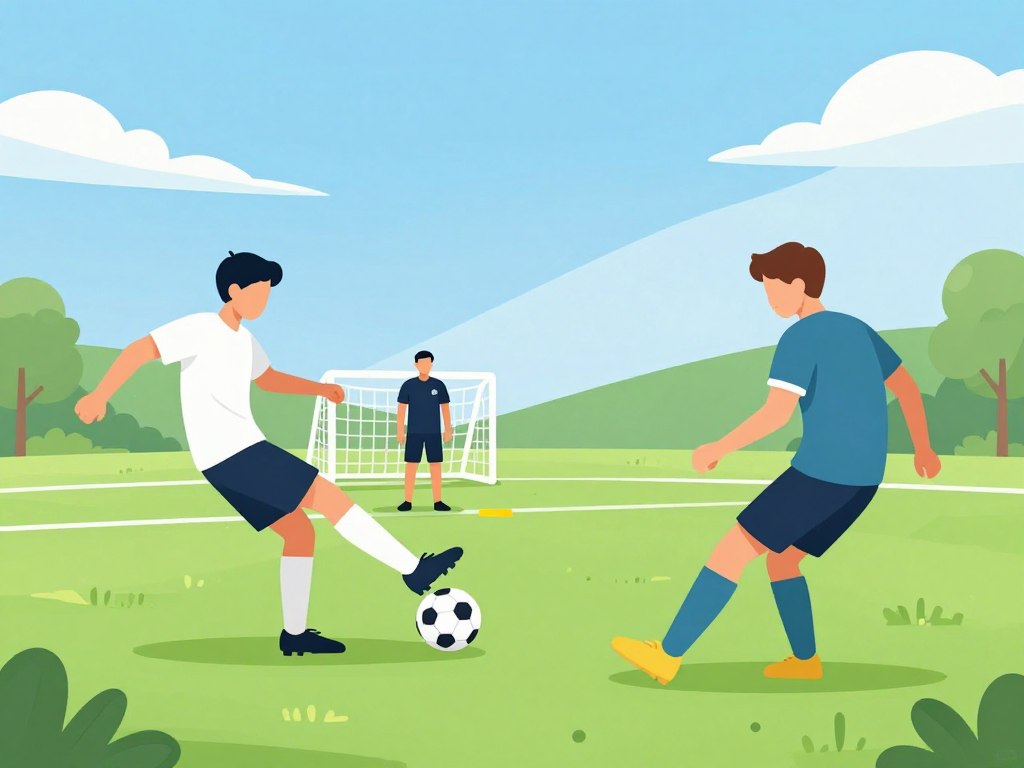
Mastering possession under pressure begins with a single, decisive action the moment the ball arrives. Your first touch must move it to the foot farthest from the defender. This instantly creates a safe zone.
Next, turn your body. Adopt a sideways stance, placing yourself squarely between the opponent and your prize. This posture acts as a physical barrier while keeping your options in view.
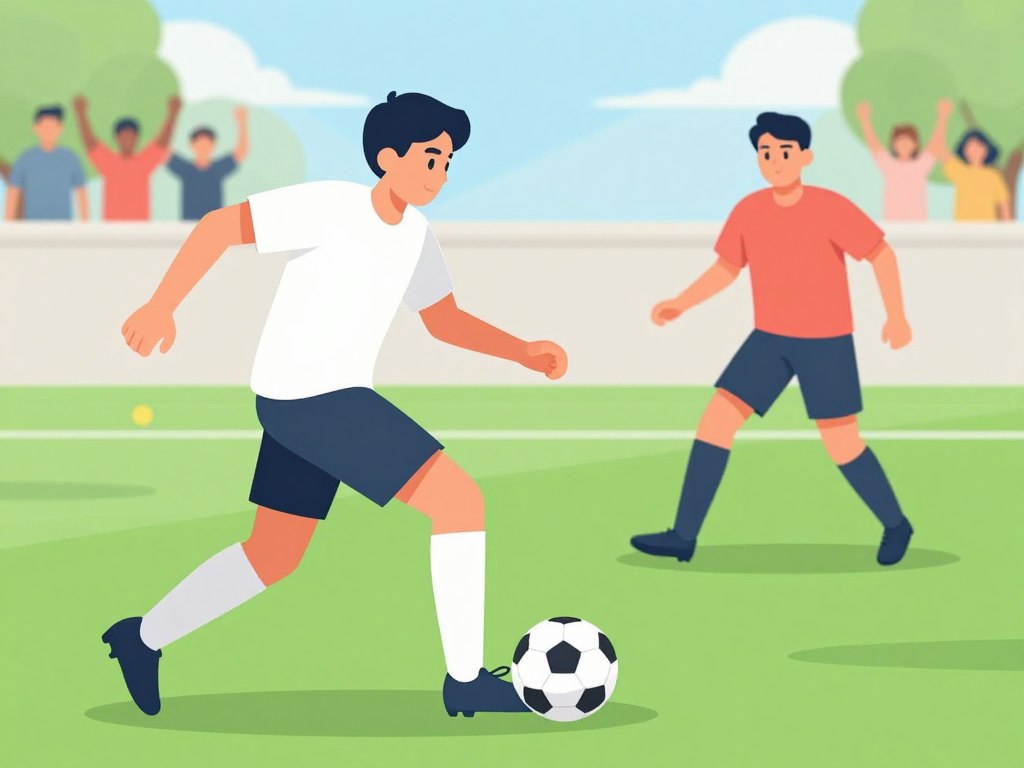
Your arm has a role too. Hold it up, bent at the elbow, to feel the defender’s presence and maintain your space. It’s not for pushing—it’s for sensing.
When pressure intensifies, the sole of your foot becomes essential. Use it to roll the possession away from danger, all while maintaining control. You’ll need to pivot constantly, like a revolving door, always keeping your body in the way.
I’ve learned that leaning into your opponent is a smart, legal move. It establishes your position and makes their job much harder. This isn’t just about holding ground.
Effective shielding is anticipation. Great players adjust their stance before the defender commits. This mental step ahead buys that crucial second of composure. It lets you scan the field and make the smart pass, not the rushed one.
Drills to Enhance Shielding Techniques
There’s a distinct click that happens when theory transforms into muscle memory under pressure. That’s the magic of the right soccer drills. They create the confined, competitive environment where protecting possession becomes instinct.
I love how a well-designed exercise strips away everything but the core skill. You can’t hide. Your understanding is tested instantly.
Practicing the Shield-Steal Drill
This is a brilliant foundation. One central player protects possession in a small grid. A defender enters on a coach’s call, trying to poke the ball away.
The genius variation? The protector can’t use their feet at first. They must rely purely on body positioning. It teaches you to feel the connection between your stance and safety.
Implementing 2 vs 2 vs 2 Keep-Away Exercises
This takes the skill into a game-realistic scenario. Now you must keep ball while also scanning for teammates. Multiple defenders apply pressure from different angles.
It simulates the chaos of a real match. Your decisions must be faster. Your positioning must account for more than one threat.
Exploring Variations to Increase the Challenge
Progress by adding layers. Allow the shielding player to dribble. Call two defenders at once. This mimics the unpredictable flow of a game.
Team-wide activities like Knockout force constant shielding decisions under genuine, competitive pressure. The whole group gets involved, creating a dynamic learning lab.
| Drill Name | Primary Objective | Key Coaching Point |
|---|---|---|
| Shield-Steal | Isolate and master body positioning for shielding ball technique. | Focus on using your back and arms to feel the defender before using your feet. |
| 2v2v2 Keep-Away | Shield under pressure while identifying passing options. | Encourage players to take a “picture” of the field before receiving the pass, a skill connected to mastering positioning for passes. |
| Team Knockout | Make rapid shielding decisions in a crowded, game-speed environment. | Pause play to highlight successful positioning that created space amidst chaos. |
This immediate feedback during drills accelerates learning. When you successfully protect possession with teammates watching, that confidence becomes unshakable.
Coaching Insights: Tips and Techniques
From the sideline, a coach‘s sharpest insight often isn’t about the play, but the posture. The difference between keeping and losing possession can be millimeters.
Positioning and Stance for Effective Shielding
The ideal stance is foundational. Get sideways with knees bent. This creates a low center of gravity that’s tough for any defender to move.
Your body becomes a dynamic barrier. A wide position with the ball on your outside foot maximizes distance. Every inch matters under pressure.
Your arm acts as a sensor, not a weapon. Keep it up and bent to feel the opponent and maintain your spatial claim without a foul.
Advanced soccer skills let you move the possession with every foot surface. This allows adjustment without losing your body position.
Avoiding Common Fouls While Shielding
The most common foul is the arm swing. Players get frustrated and push. I always tell players: control your emotions to control the situation.
That arm can touch the defender to feel movement, but extending it is a whistle. Teaching proper technique early builds muscle memory.
When a player masters legal control, they become comfortable with contact. This transforms their entire approach to physical play.
Conclusion
I still remember the first time I successfully held off a bigger, stronger defender. It wasn’t about power. It was a chess match of leverage and anticipation.
That mental shift—from seeing this as a defensive move to a proactive form of control—changes everything. Every player, from defenders to forwards, benefits from these skills.
Shielding isn’t the flashiest part of soccer. Yet, it’s fundamental. Mastering it builds unshakable confidence. You become a more valuable and effective teammate on the field.