
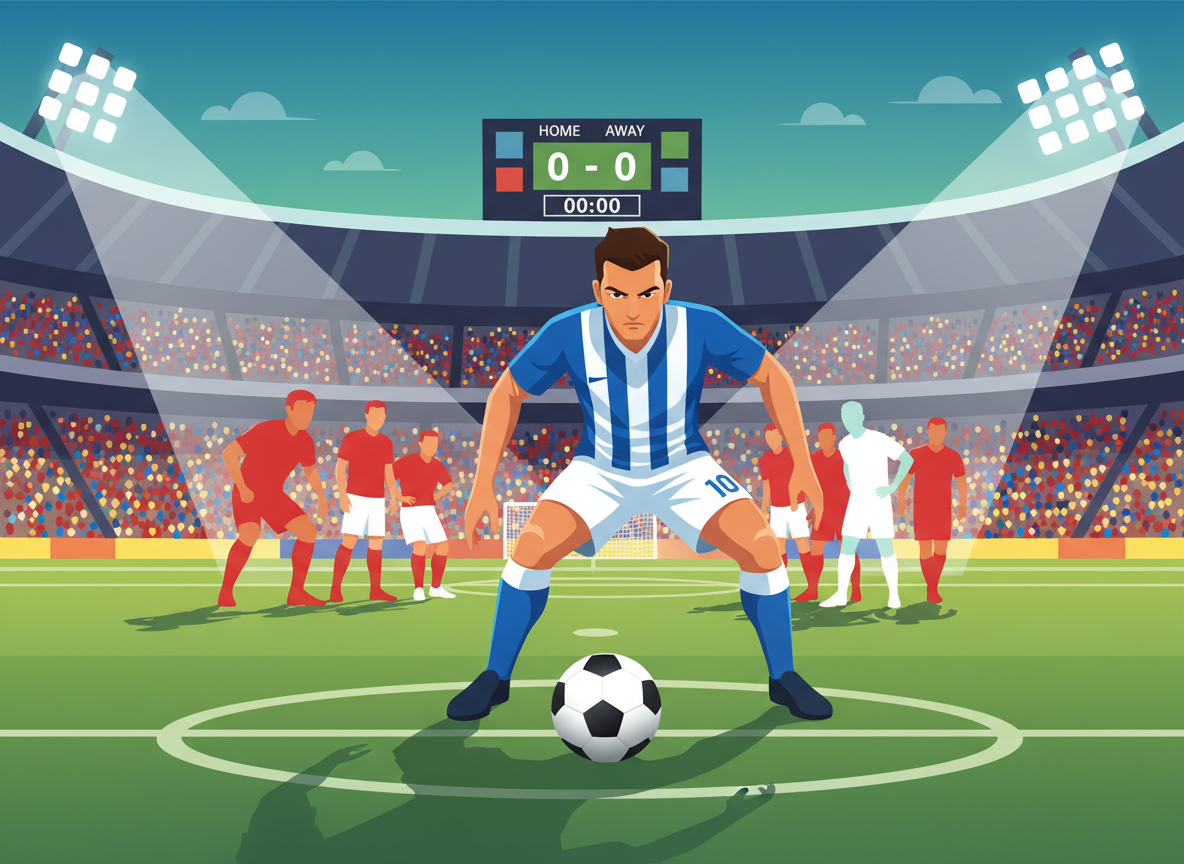
Over 250,000 professional matches begin the same way each year: with a single ball placed on a center mark. That simple act is governed by the International Football Association Board, yet its mental weight is immense.
I still remember the nervous energy before my first match. Understanding the procedure helped settle my racing mind. It’s more than just a signal to start; it’s your first statement of intent on the field.
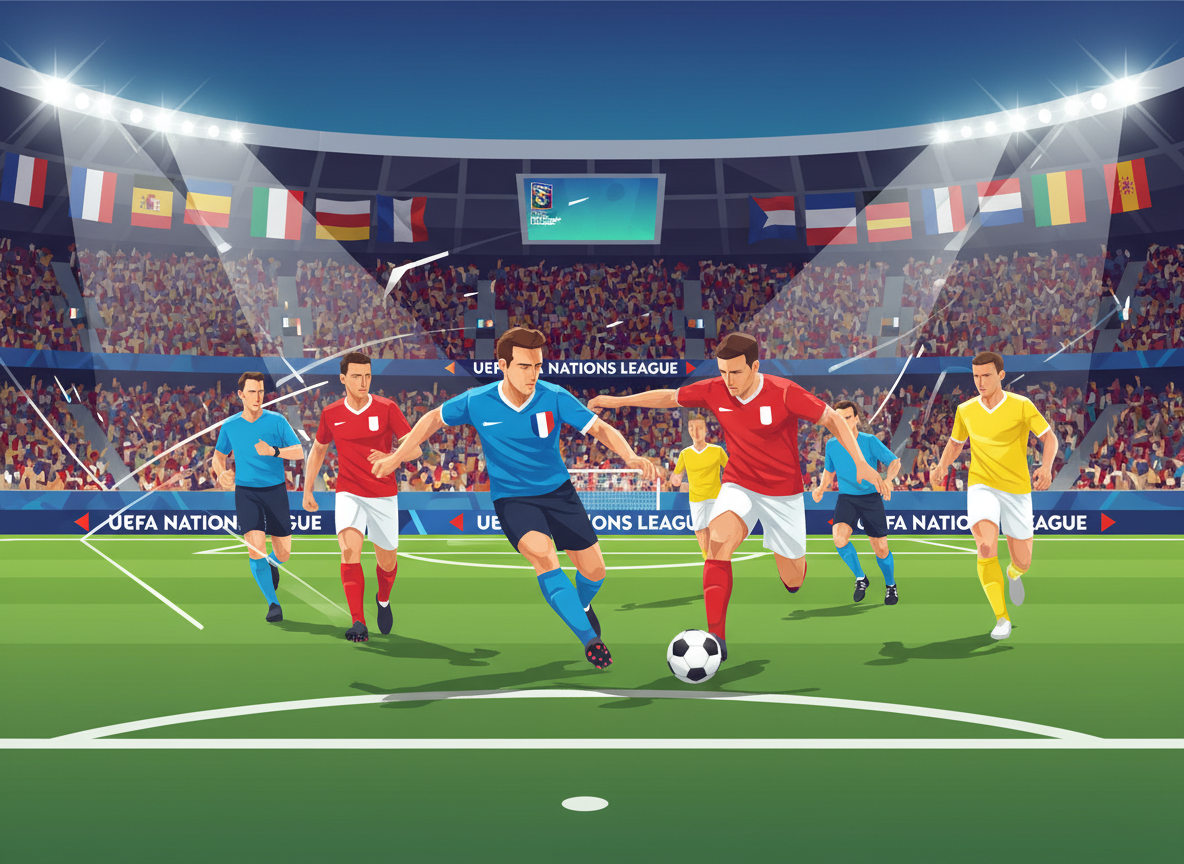
When the referee blows the whistle, everything changes. That opening possession from the initial kick can set the tone for the entire half. Have you ever wondered how a team chooses to play from that moment?
Mastering these opening restarts is a vital skill. It’s about the laws of the game, the coin toss, and the psychological edge. I’ve found that focusing here gives players a quiet confidence that lasts both halves.
Let’s explore the mental game behind that first touch. It’s your foundation for controlling the time, space, and ultimately, the goals in a match.
Key Takeaways
- The opening restart is a critical psychological moment that sets the game’s early tone.
- International guidelines ensure every match starts fairly, but your mental approach is personal.
- Winning the initial possession can create immediate momentum and pressure on opponents.
- Understanding the simple laws surrounding the start reduces anxiety and builds focus.
- A prepared mindset for the kickoff translates into confidence for the entire match.
- The coin toss is a small but strategic decision that influences your team’s first-half plan.
Kick Off Overview: Setting the Stage for Success
The moment before the first touch is filled with a unique kind of tension that every player knows. It’s that quiet second where the entire match feels balanced on a knife’s edge. I’ve felt it countless times, standing over the ball on the center mark.
The Role of Kickoffs in Shaping Match Dynamics
According to the laws, this restart begins each half and any extra time. But it’s so much more than a procedural signal. Winning the coin toss lets your team choose which goal to attack first. That’s a powerful early decision.
I see it as a tactical first move. A well-drilled opening can secure immediate possession and set a dominant tempo. It forces the other side to react to you from the very first second.
Psychological Impact at the Start of the Game
The mental shift is instant. When the referee blows the whistle, every player on the field must snap into action. This shared focus builds a unified team mindset right away.
I’ve found that treating this moment with serious intent builds quiet confidence. It tells your opponents you are prepared to control the time and space from the start. That psychological edge can last both halves.
kick off rules in soccer: Detailed Guidelines
I’ve learned that mastery begins with understanding the exact procedures laid out by the governing bodies. It’s not just about the signal to start; it’s about the precise laws that ensure fair play from the first second.
FIFA and IFAB Regulations
The International Football Association Board sets the global standard. Their laws are clear. The ball must be stationary on the center mark. This is non-negotiable.
I always remind my team of a critical point. The ball is only in play when it is kicked clearly and clearly moves. The referee watches this closely. If the kicker touches it again before another player does, an indirect free kick is given.
Player Positioning and Movement Requirements
Positioning is everything at the start. Every player, except the one taking the kick, must stay in their own half of the field play. Opponents must be at least 9.15 meters away.
This distance is crucial. I’ve seen teams lose momentum by encroaching. When the ball is kicked clearly, these restrictions lift. Your team can then transition rapidly.
| Regulation | Requirement | Consequence of Infraction |
|---|---|---|
| Ball Placement | Stationary on center mark | Restart or indirect free kicks for opponents |
| Player Positioning | All in own half; opponents 9.15m back | Retake or free kicks awarded |
| Ball Movement | Must be kicked clearly and clearly moves | Play is not live; restart required |
| Re-touch by Kicker | Cannot touch before another player | Indirect free kick to opposition |
Understanding these restarts builds discipline. It turns a simple procedure into a strategic advantage. That’s how you control the early possession.
Pre-Match Preparations and the Coin Toss
I’ve always seen the coin toss as the first strategic move of the game, setting the stage for everything that follows. It’s that brief meeting of captains at the center circle. The referee holds the coin, and your team‘s initial plan is made.
Winning the toss gives you a choice. You can decide which goal to attack first or take the initial ball. I always advise my captains to think about the conditions.
Choosing Sides and Weather Considerations
Weather can be a silent player. Strong wind or glaring sun changes the field. I remember a match in Chicago where the wind decided the game.
Choosing the right side to defend in the first half is crucial. You can use the elements to help your possession. This choice impacts the entire time you have.
At the start of the second half, teams change ends. The team that didn’t play the first kick off will start the second half. This switch demands quick adaptation.
Every squad needs a plan for both scenarios. Whether you win or lose the toss, your mindset must be ready. This pre-match ritual is where the mental game truly begins for all players.
| Decision Option | Strategic Consideration | Typical Scenario |
|---|---|---|
| Choose which goal to attack | Leverage wind/sun advantage in first half | Strong tailwind or low sun in opponent’s eyes |
| Take the kickoff | Secure immediate ball control and set tempo | Want to apply early pressure and dictate play |
| Defer choice to opponent | Force them to decide first, then adapt | Uncertain conditions or flexible game plan |
Having a clear plan turns this simple moment into an advantage. It builds confidence before the whistle even blows.
Executing the Kickoff: Techniques and Strategy
A well-rehearsed opening sequence can transform a routine start into a genuine scoring opportunity. I’ve seen it happen. The difference lies in deliberate execution, not just following the laws.
Your first touch should have a clear purpose. It’s about making a statement with that initial possession.
Passing Techniques for Quick Possession
I often tell my team to start simple. A short, backward pass to a defender is a classic move. It secures the ball and lets your squad organize.
This isn’t about being cautious. It’s about controlling the tempo from the very first second. You build your attack with patience and structure.
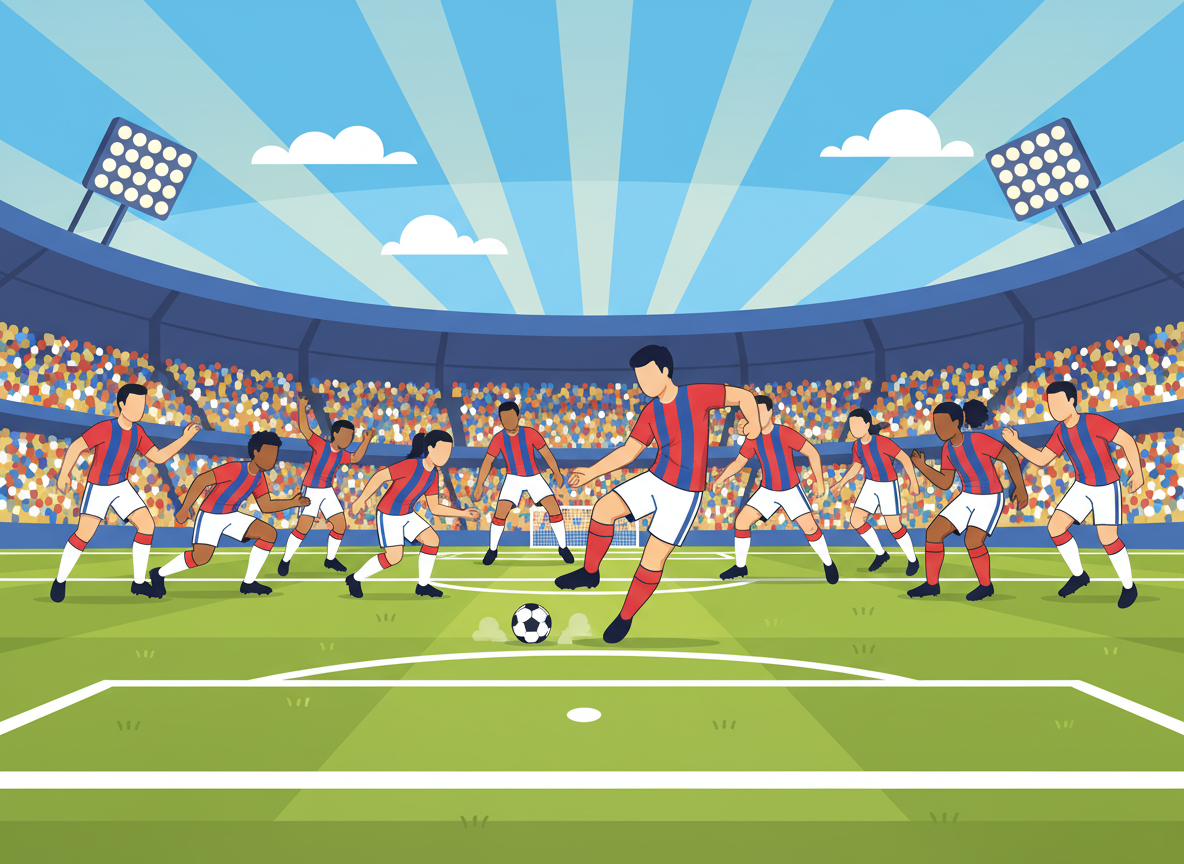
Every player must move immediately. This creates multiple passing lanes and makes defending difficult for the opposition.
Utilizing Field Dynamics to Your Advantage
Use the full width of the field. Instruct your wingers to push high from the start. This stretches the other team and creates dangerous space.
But remember balance. Always maintain defensive cover. A quick counter can be devastating if you lose the ball carelessly.
The ultimate aim is to dictate the flow. A sharp sequence can pin opponents back and test their goalkeeper early. That pressure can lead to quick goals.
Mastering these restarts gives your side a powerful tool. It builds chemistry and a winning mindset for the entire half.
Mental Readiness: Focus and Confidence at Kickoff
That moment when you walk onto the pitch, the crowd’s noise fades into a background hum as your focus narrows. Concentration is the key during these opening moments. Your mental state dictates your first touch.
I’ve seen entire matches shaped by the collective mindset in those initial seconds.
Building a Unified Team Mindset
This unity starts in the locker room. We discuss our goals and how we’ll support each other from the first whistle.
A positive culture lets every player feel confident to make a play. It builds resilience for when plans change.
Overcoming Pre-Kickoff Nerves
Anxiety is normal. I tell my players to take a deep breath and visualize the first pass. This simple act calms the mind.
Confidence comes from preparation. If you’ve practiced your routines, you feel ready. Staying calm under pressure separates the best.
When you are mentally prepared, you react faster to the ball. This gives your team a huge advantage in early possession.
Game Strategy: Transitioning from Kickoff to Possession
Successfully shifting from the starting signal to controlled play is where games are often shaped. After that first kick, every player must be connected. Your team moves as one unit into open space.
The first few passes are everything. I emphasize keeping them simple and accurate. This builds immediate confidence and secures early possession of the ball.
When you gain control, look to advance quickly. But don’t force a risky pass if the defense is set. Teams that prioritize ball control here create better scoring chances.
All players must scan the field. Identify where the opposition is vulnerable. A compact shape lets you switch mindsets instantly.
This transition often decides the match tempo for the entire half. Use your time wisely. Practicing these restarts builds intuition. Stay patient; a disciplined move can lead to a sudden breakthrough and goals.
Common Infractions and Corrective Measures
Mistakes during the opening restarts are more common than you might think. Their consequences can ripple through the entire half.
I remember a match where a simple procedural error disrupted our rhythm completely. It taught me that awareness is everything.
Identifying Procedural Errors and Their Consequences
A key laws is clear. The kicker cannot touch the ball again until another player has. Doing so results in an indirect free kicks for the opposition.
Intentional delay is another pitfall. I’ve seen players receive a yellow card for this. It puts their whole team at an early disadvantage.
Other errors include encroachment or a handball offense. The referee may order a retake or award a direct free kick. These moments test your squad’s discipline on the field.
Effective Responses to Kickoff Infractions
When an infraction occurs, stay calm. Listen closely to the referee‘s instructions. This prevents further penalty or disruption.
Discipline is a cornerstone of success. Knowing the rules helps teams maintain focus and momentum. This mindset is crucial for long-term possession and achieving goals.
Building this kind of resilience is a game-changer. It turns a potential setback into a moment of composed play. Your team learns and moves forward.
Enhancing Practice Sessions for Kickoff Mastery
True mastery of the game’s opening moments isn’t born on match day; it’s forged on the practice field through deliberate repetition. I’ve found that the quality of your training directly dictates your composure when the referee gives the signal.
Drills to Simulate Real-Game Scenarios
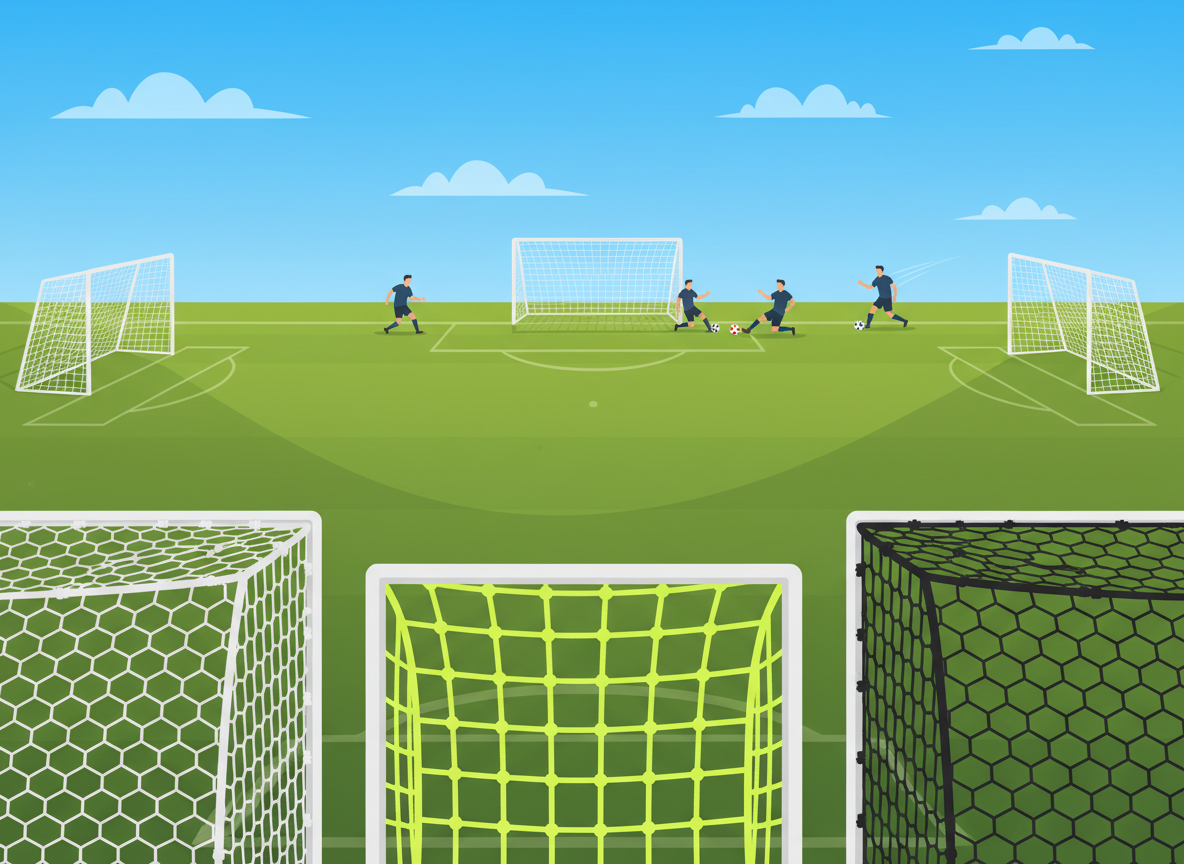
Using tools like the Open Goaaal 3-in-1 trainer is fantastic for youth players. It lets them hone passing and shooting in a controlled space. This builds a reliable first touch on the ball.
I recommend drills that start with a whistle. Your team must execute a specific routine immediately. Repeating this builds the muscle memory needed for a high-pressure match.
Incorporate small-sided games right after. This teaches how to maintain possession from that initial play. It fosters creativity and tactical awareness across the field.
Dedicate time to this mastery every session. Consistent, focused practice gives your squad a tangible edge. It builds the quiet confidence that leads to goals and wins.
Conclusion
Looking back on countless matches, I realize the start is where confidence is either built or broken. Mastering that initial moment is about more than just following the laws. It’s preparing your team mentally and tactically for everything ahead.
I hope this guide gives you the insight to approach each beginning with a clear plan. Every detail, from the coin toss to the first touch of the ball, shapes your team‘s success on the field.
Stay disciplined and focused. Turn every restart into a chance to control possession and pursue your goals. The mental game is a journey of growth for every player.
Keep practicing these skills. Your preparation today builds the confidence you need for tomorrow’s match.