
Pelé once said, “Success is no accident. It is hard work, perseverance, learning, studying, sacrifice and most of all, love of what you are doing or learning to do.” That pursuit of mastery, of connecting perfectly with a ball in flight, captures the essence of the volley.
I still remember my first clean strike. The ball sailed exactly where I intended; that pure moment when everything aligned is what hooked me.
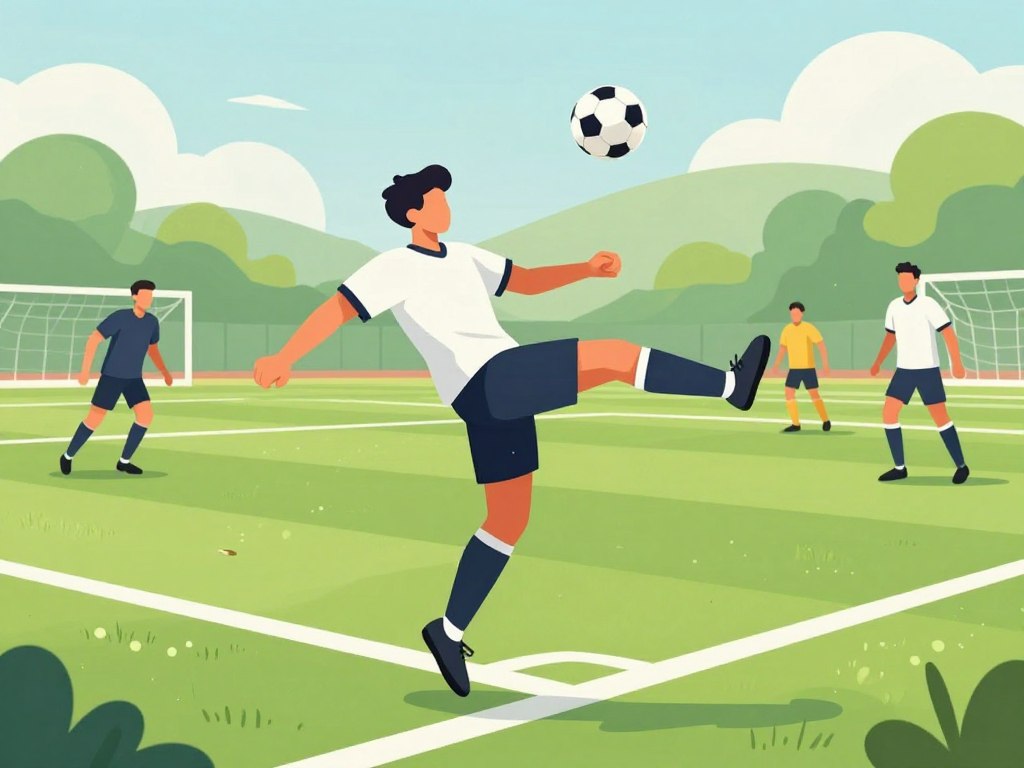
A volley is striking the ball directly from the air, before it bounces. It’s a pass, a shot, or a clearance. This move changes games.
Most struggle because they rush. It’s not just swinging your leg. True execution demands split-second decisions, perfect positioning, and confidence.
Understanding a few key principles about ball flight and body mechanics makes the difference. This guide shares the insights that transformed my own game.
Key Takeaways
- A volley involves hitting the ball before it touches the ground.
- It is a versatile skill used for passing, shooting, and clearing.
- Proper technique relies heavily on timing and body positioning.
- Mastering this skill requires dedicated, deliberate practice.
- It is one of the most challenging yet rewarding skills in the game.
- Consistency comes from understanding fundamental principles, not just talent.
Fundamentals of Volley Execution
That feeling of being rushed? It vanishes when you understand ball flight and body position. These two elements form the non-negotiable foundation. Get them right, and everything else becomes simpler.
Understanding the Ball Flight and Body Position
Ever noticed how the best players seem to have all the time in the world? The secret is reading the ball’s path early. You must position your body in its trajectory before it arrives.
Your plant foot is your anchor and your compass. It needs to point where you want the ball to go. Keep it firmly on the ground with a slightly bent knee. This creates stability for your striking leg.
Key Tips: Keeping Your Eye on the Ball and Maintaining Balance
Your eyes must track the ball all the way to your foot. See the contact happen. Looking up early is a sure way to mishit.
Keep your chest over the ball. This isn’t just a saying; it’s the mechanical principle that prevents skyward balloons. It gives you control to direct the ball downward.
Here’s the toughest part: discipline. Let the ball drop below your knee before you swing. Resist the anxious urge to strike when it’s still high in the air. One smooth swing is all you need.
Balance comes from keeping your arms out and your weight centered. Without this foundation, even perfect timing fails.
| Common Error | Correct Fundamental | Why It Works |
|---|---|---|
| Leaning back while striking | Chest over the ball | Keeps the volley low and on target |
| Plant foot pointing anywhere | Plant foot aimed at target | Aligns your hips for natural accuracy |
| Swinging at a high ball | Letting ball drop below knee | Creates a clean, level striking surface |
| Looking up for the goal | Eye on the ball until contact | Ensures you strike the center of the ball |
Master these fundamentals. They build the confidence to execute under pressure. The technique becomes second nature.
Mastering Soccer Volleying Techniques
Ever felt torn between placing a perfect pass and blasting a clearance? Your choice of volley decides the outcome. You have two primary tools: the inside-of-the-foot and the instep methods.
Inside-of-the-Foot vs. Instep Volleys
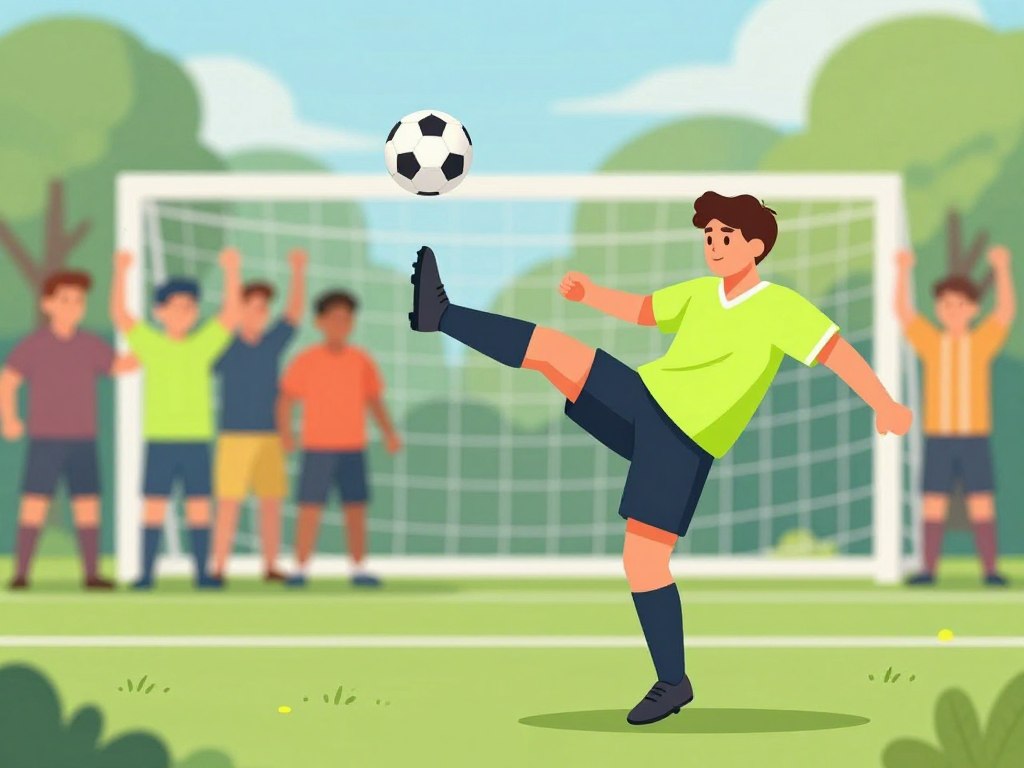
The inside-of-the-foot volley is your precision instrument. I rely on it for controlled passes where placement beats power. It’s about that sweet spot near your highest shoelace hole.
For raw force, the instep volley is your weapon. Use it to clear danger or unleash a shot from distance. It trades some control for explosive power.
Positioning Your Foot and Timing the Contact
Your foot position defines the technique. For the inside version, turn your leg out. Point your toe up and heel down. For the instep, lock your ankle and point your toe down like you’re pointing at something.
Timing is everything. Let the ball drop below your knee before you swing. This lets you strike the ball on its middle for a low, driven shot. Hitting it while it’s still high in the air is a classic mistake.
Connect on the ball’s equator for shooting or passing. Lean your body slightly away on an instep volley to generate that space and power. It’s the way to make the technique work for you.
Progressive Drills for Practice and Mastery
That brick wall in your backyard or local park? It’s your most patient and honest training partner. Mastery grows from a smart progression of drills, moving from simple repetition to complex, game-like decisions.
Simple Solo Drills and Wall Practice
Start alone. Drop the ball from your hands and volley it back to yourself. Focus purely on clean contact. Your only goal is to feel that solid connection.
Then, use the wall. It gives you immediate feedback on every touch. You can get hundreds of quality repetitions in just fifteen minutes, building a rock-solid foundation without needing anyone else.
Pair and Group Drills for Real Game Situations
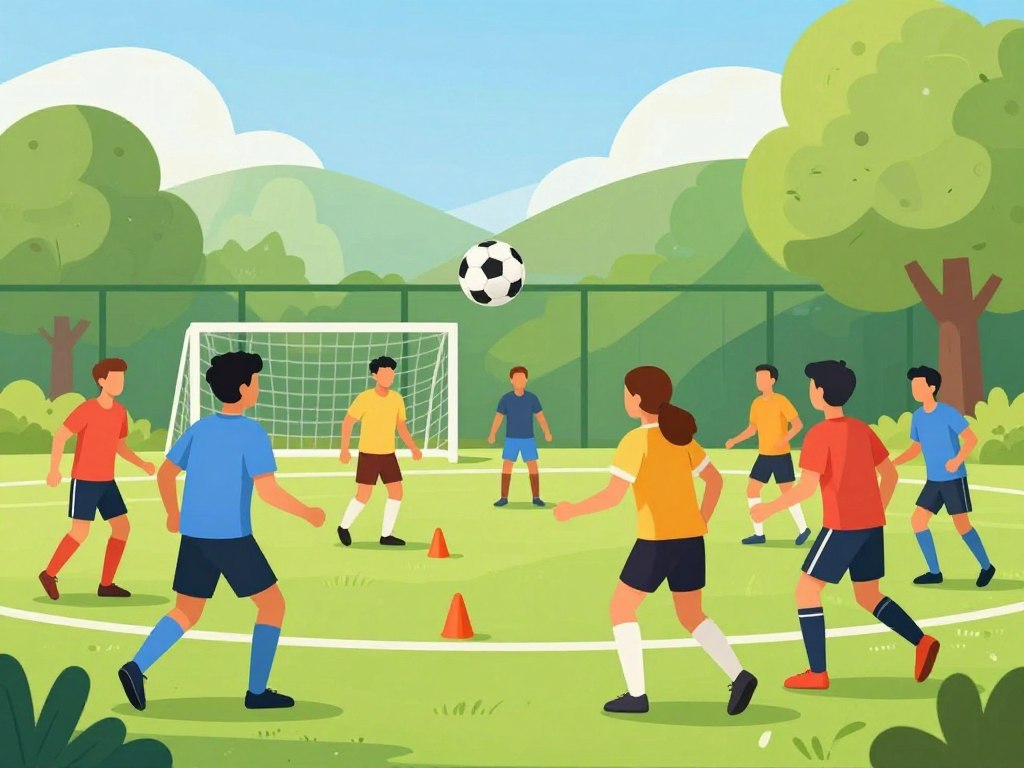
Next, add a teammate. Pair drills transform your technique from theoretical to practical. A partner serves you balls at different speeds and angles, forcing you to adjust.
Progress to triangle drills with three players. You receive from one direction and must send the ball to another. This adds mild pressure and quick decision-making, mirroring real game scenarios.
Emphasizing Repetition and Correct Form
The key part most players miss is quality repetition. Ten sloppy volleys teach bad habits. Ten deliberate, technically sound strikes rewire your muscle memory for good.
Follow this structured progression to build confidence:
| Step | Drill Focus | Goal |
|---|---|---|
| 1 | Demonstration & Solo Try | Understand the motion |
| 2 | Coach as Server | Receive guided feedback |
| 3 | Pairs with Ball | Adjust to a live serve |
| 4 | Triangle Passing | Make quick decisions |
| 5 | Over a “Defender” | Add tactical pressure |
| 6 | Game Situations | Apply the skill fully |
Train both feet. The game won’t always give you the perfect setup on your strong side. Deliberate practice, step by step, is what makes the volley instinctual.
Conclusion
When the game is on the line and the ball drops from the sky, your preparation is laid bare. That clean volley is a rare gem, but it’s what separates players.
I’ve spent hours on this. I know trust in the basics—your plant foot, striking the middle, your timing—turns hope into execution. It’s about building a technique you can rely on.
Follow the progression from solo work to game-like drills. That repetition builds the confidence to act decisively when your time comes. The choice, and the work, is yours.