
Imagine knowing exactly how hard you worked on the pitch without any guessing. Using the best gps trackers for soccer players means you no longer have to wonder if your top speed is actually climbing.
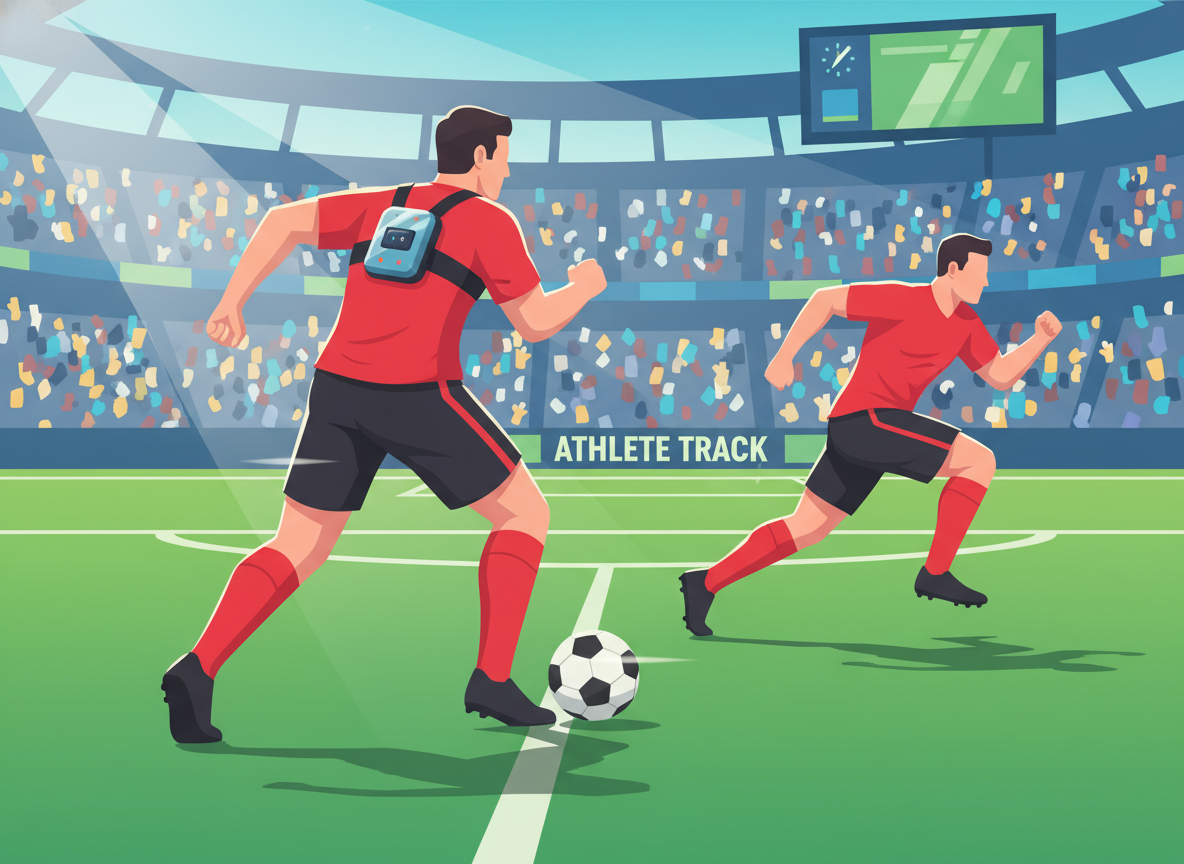
For years, I’ve strapped various devices to my back to see what really moves the needle. This gps tracking data used to be a luxury for pros, but now any dedicated athlete can see their heatmap. It’s about seeing your work rate in black and white.
When players see their involvement on a screen, they take total ownership of their development. It builds a level of accountability that coaching alone can’t reach.
I’ve tested multiple trackers to find which ones offer the most value for your soccer journey. This guide helps you pick a tool to boost your soccer performance using reliable gps data.
We will skip the heavy technical jargon and focus on what actually helps you improve. My goal is to help you find the right fit for your budget and performance goals.
Key Takeaways
- Eliminate guesswork with precise distance and speed metrics.
- Track sprint bursts and heatmaps to find tactical weaknesses.
- Build player accountability through visual progress reports.
- Professional-grade tracking technology is now accessible for all levels.
- Personal testing ensures recommendations are based on real-world use.
- Focus on long-term development rather than just technical specs.
Why GPS Trackers Matter for Soccer Player Development
I remember when coaching was just about who looked the tiredest at the end of a drill. For years, we relied on assumptions to judge player effort and work rate.
Now, gps technology removes the guesswork by providing objective performance metrics. You can see actual sprint bursts and involvement patterns rather than just guessing based on a player sweat level.
This shift helps with injury prevention by monitoring the workload during training sessions. It ensures coaches can adjust a training plan to avoid overexertion and keep the squad healthy.
Seeing your data in black and white creates real improvement in every game. When a player realizes they are avoiding their weak foot, they begin taking ownership of their personal development.
It’s not just about collecting numbers that sit in an app; it’s about performance results. Proper performance tracking leads to honest conversations based on evidence, driving a faster improvement cycle.
Ultimately, the biggest lift comes from self-awareness and tracking your own growth. Using a gps unit allows for a better performance review and long-term development through accurate data.
| Metric Focus | Subjective Observation | GPS Data Analysis |
| :— | :— | :— |
| Accuracy | Based on human opinion | Objective measurements |
| Fatigue | Guessed by body language | Workload & sprint totals |
| Accountability | Hard to prove laziness | Evidence of every movement |
| Strategy | General field presence | Specific heat maps |
Best GPS Trackers for Soccer Players: My Top Picks
Finding the right gear can feel like uncovering a hidden map to your best game, but choosing the right tracker is about finding the secret code to your growth. I remember when we only had stopwatches and gut feelings to judge how hard we worked on the pitch. Now, you can access the same tracking tools used by the biggest clubs in the world with just a few clicks.
I have tested various units to see which ones actually help you improve. It is not just about having a gadget; it is about knowing how to use the information it gives you. Let’s look at the top choices that will help you dominate your next match.
Playermaker 2.0 – Best Overall for Technical and Physical Development
Overview
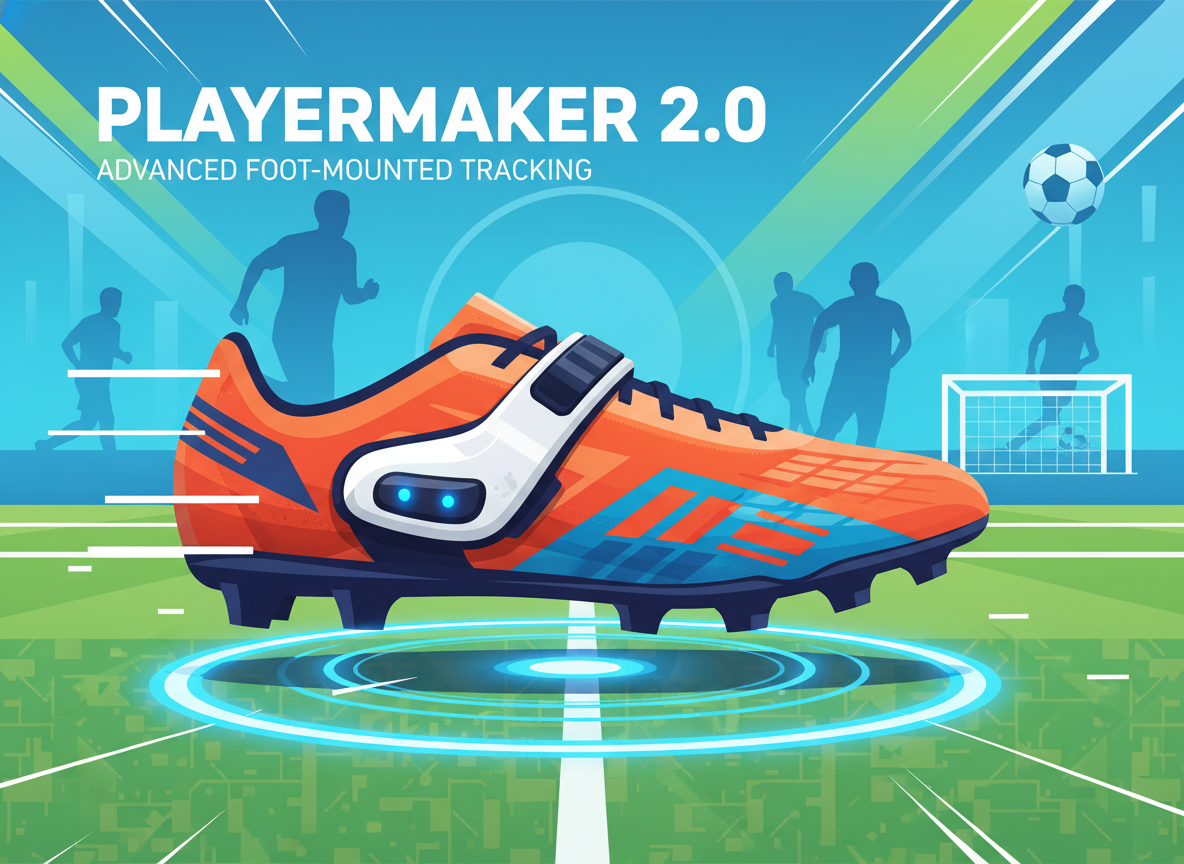
I am genuinely impressed by how this device changed the market. Unlike most trackers that sit between your shoulder blades, this technology lives on your boots. It uses built-in sensors to capture every touch, kick, and sprint during your session. This makes it the best choice for improving your performance on the ball while still monitoring your fitness levels.
Pros
You get incredibly deep insights into your “technical” game. It tracks kick velocity and even how often you use your weaker foot. The straps are durable and fit over almost any boot without slipping.
Cons
Because it is on your feet, it does not use a traditional satellite GPS for heatmaps. It relies on internal sensors instead. You also have to remember to charge both foot sensors individually.
Key Features
The data syncs directly to your phone via Bluetooth. You can see your “Time on Ball” and “Release Velocity” immediately after training. Strong, durable straps ensure the sensors stay safe during heavy tackles or rainy games.
STATSports APEX – Best for Team Conditioning and Physical Performance
Overview
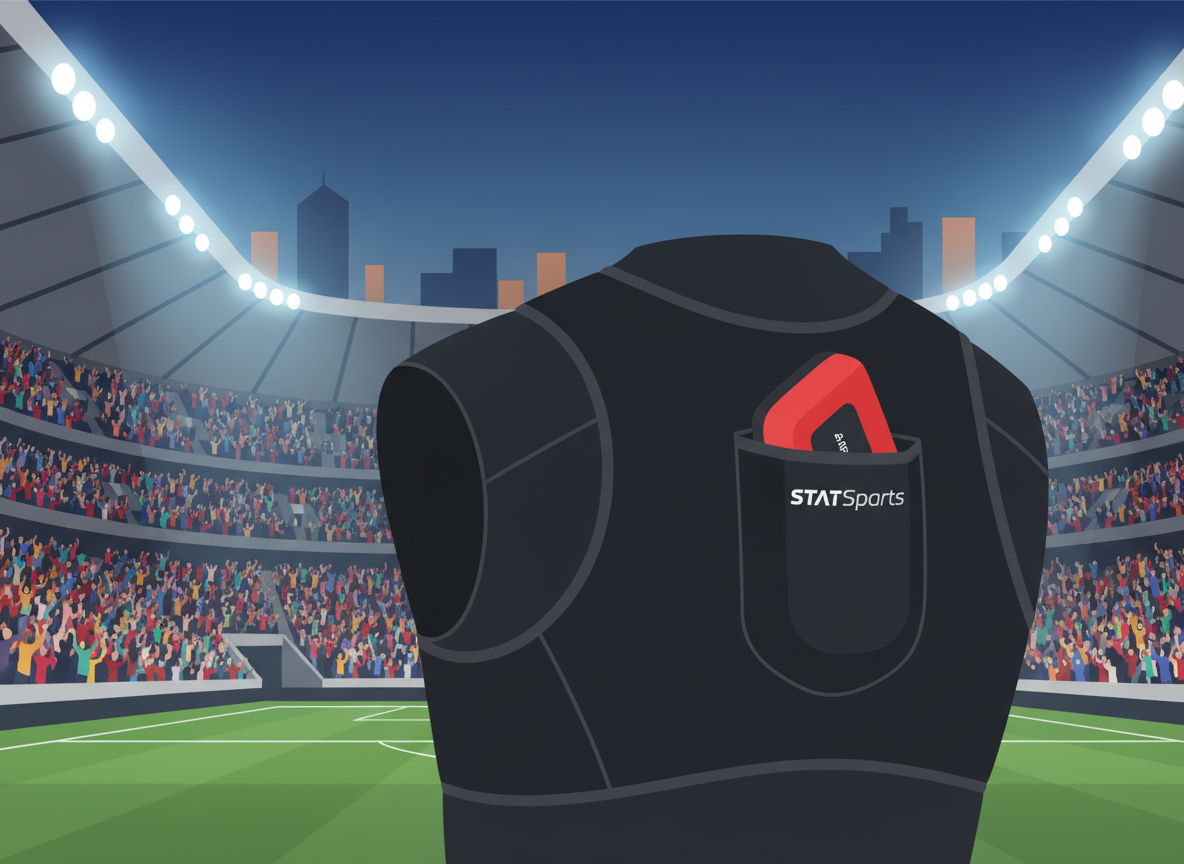
If you have ever watched a professional team train, you have seen those black vests. Those are usually STATSports units. They focus heavily on the physical side of the game. I find this one best for serious athletes who want to compare themselves to the pros.
Pros
The accuracy is world-class. It tracks your max speed down to the decimal point. The app also features a “Pro Score” that lets you compare your stats to elite players.
Cons
The vest can feel a bit restrictive at first if you are not used to it. It also requires a subscription to unlock all the advanced coaching insights in the mobile app.
Key Features
It provides high-speed tracking of your total distance and sprint counts. The “Heatmap” feature shows exactly where you spent most of your energy on the field. You can set personal benchmarks to keep yourself motivated every week.
Catapult One – Best for Elite-Level Performance Analysis
Overview
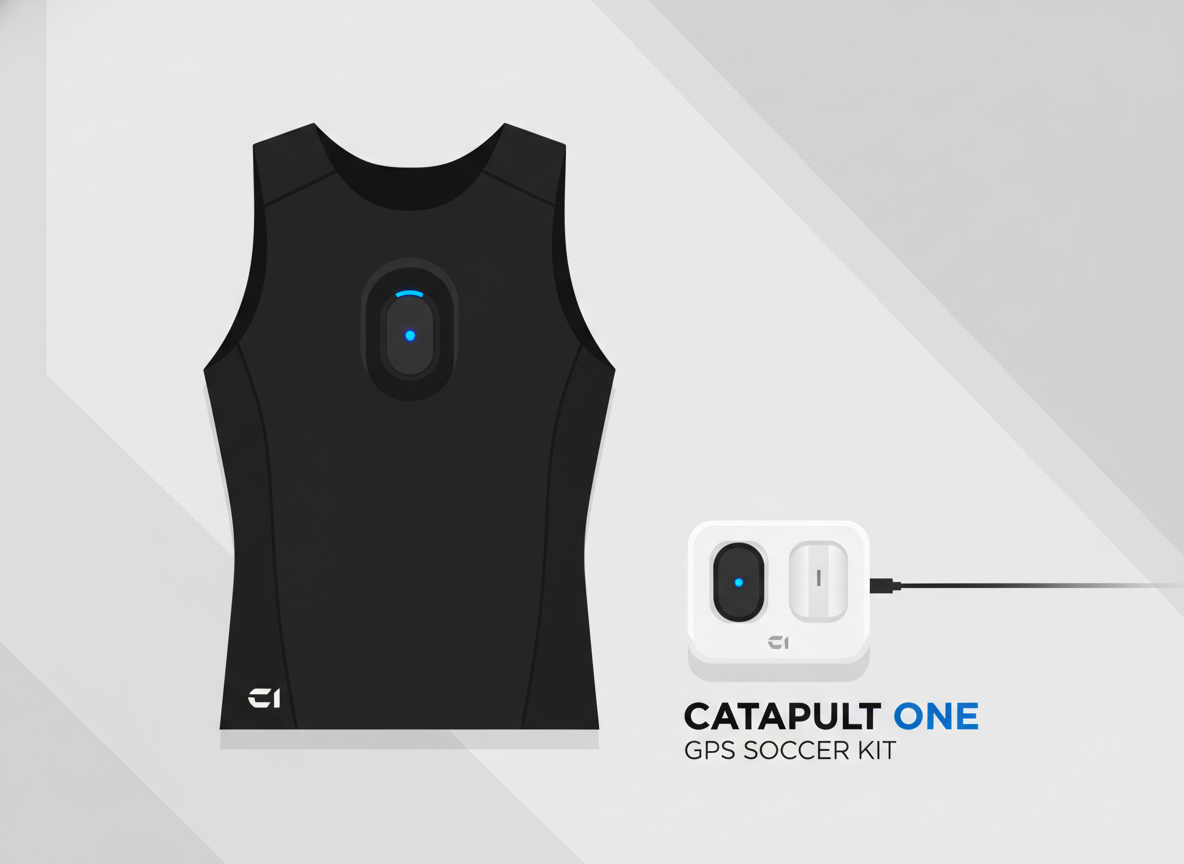
Catapult is a true pioneer in the world of sports technology. They work with legendary clubs like Chelsea, Bayern Munich, and Ajax Amsterdam. This specific data tool brings that professional-grade analysis to individual players for about $180. I love how it makes elite tools accessible to everyone.
Pros
The accuracy for workload and acceleration is nearly unmatched. It handles 10 different metrics that help you avoid injury by spotting when you are overtraining. It is a rugged, reliable tool for serious outdoor use.
Cons
It is strictly an outdoor tool because it relies on satellites. You won’t get any technical ball-striking stats like you do with foot-mounted options. It is purely focused on your physical output.
Key Features
The software offers advanced performance insights like biomechanical analysis and internal load monitoring. This goes much deeper than just counting miles. You get a clear picture of your sprinting intensity and total data trends over months of play.
Best Budget GPS Trackers for Soccer Players
I remember when GPS tech was a luxury, but now, these budget-friendly sensors are changing the game for everyone. You don’t need a pro scout’s budget to see your stats on a screen. Let’s explore the best affordable tools that offer incredible value for your money.
Footbar Meteor – Best Value for Technical Skill Tracking
Overview
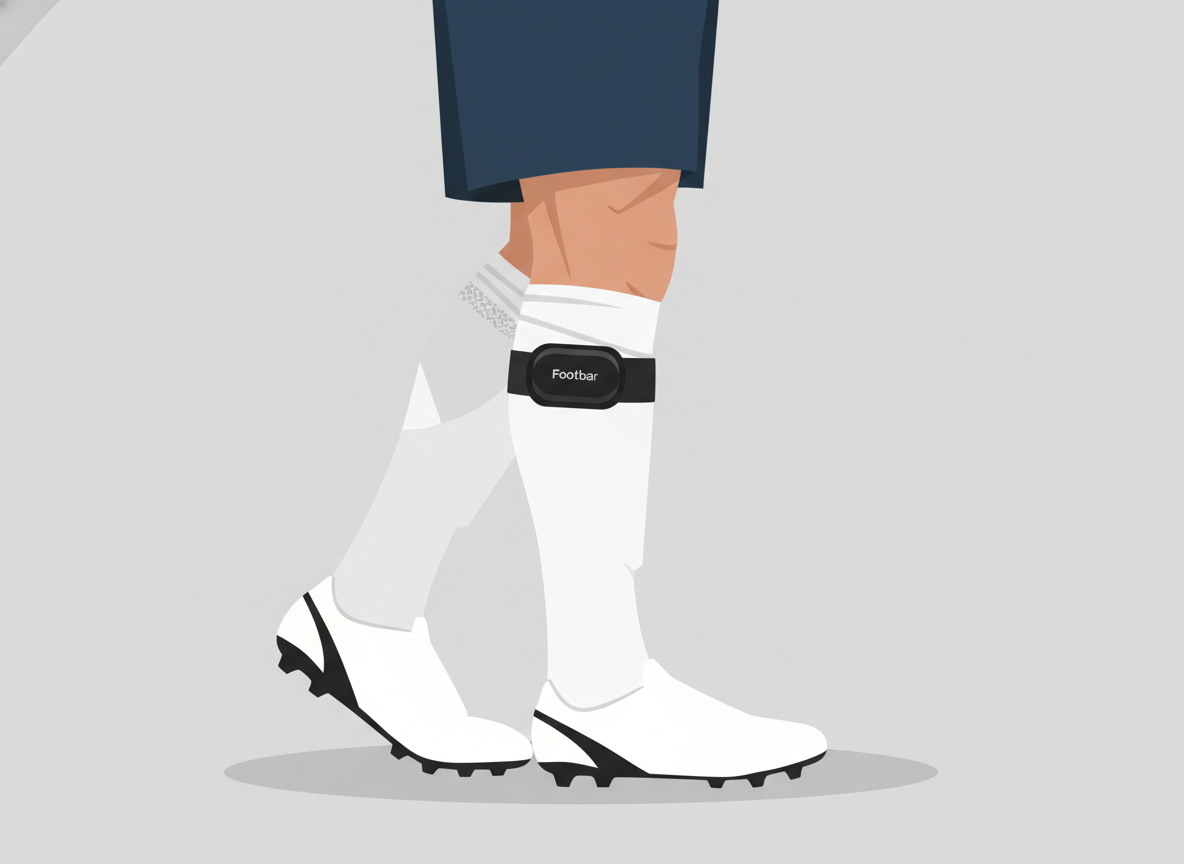
I was skeptical about a sensor that doesn’t use a traditional vest. However, the Footbar Meteor changed my mind by focusing on technical skills! This clever device straps directly to your calf instead of sitting between your shoulder blades. It is a great choice for players who want a low-profile gps tracker without the high cost.
Pros
The most significant advantage is the no-vest design, which feels much more natural during play. It offers an unbeatable price point for those just starting their data journey. I love the “player card” feature in the app that gamifies your stats.
Cons
It lacks high-end physical metrics like heart rate or detailed heat maps. The app interface is a bit simple compared to professional platforms.
Key Features
– Shot power detection and pass counting.
– Dribbling distance and sprint speed tracking.
– Automatic match vs. training detection.
PitcheroGPS – Best Entry-Level Tracker for Grassroots Players
Overview
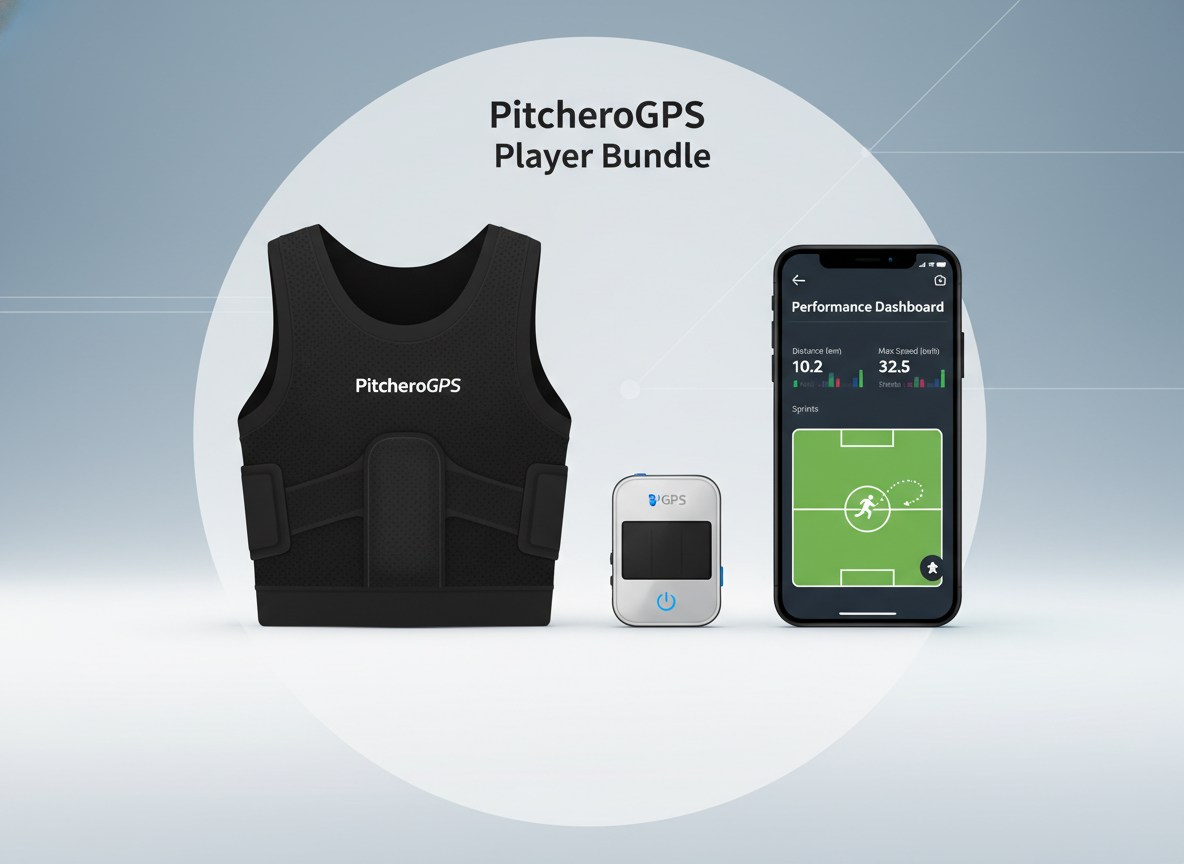
Pitchero is a legendary name in the UK grassroots community. Their PitcheroGPS player bundle offers an affordable way for you to join the data revolution. This tracker gives you real-time data on your speed and distance during training. It helps players reach a higher level of performance during their sessions through clear, easy gps feedback.
Pros
You get a complete bundle including the sensor, vest, and a 12-month subscription. The hardware is versatile enough for both soccer and other field sports. It is incredibly easy to set up for anyone who isn’t tech-savvy.
Cons
You will need to pay for a subscription after the first year of use. The physical vest might feel a bit bulky compared to elite, thin models.
Key Features
– Total distance covered and top speed tracking.
– Intensity charts to measure your work rate.
– Multi-sport compatibility for all-around athletes.
Best GPS Trackers for Team Management
I remember when coaches had to rely on stopwatches and gut feelings to track their teams. It was a chaotic era where the loudest player often seemed like the hardest worker.
Today, the game has evolved into a scientific pursuit of excellence. If you are managing a squad, you need a way to see the big picture without losing focus on individual growth.
PlayerData EDGE – Best for Squad-Wide Performance Monitoring
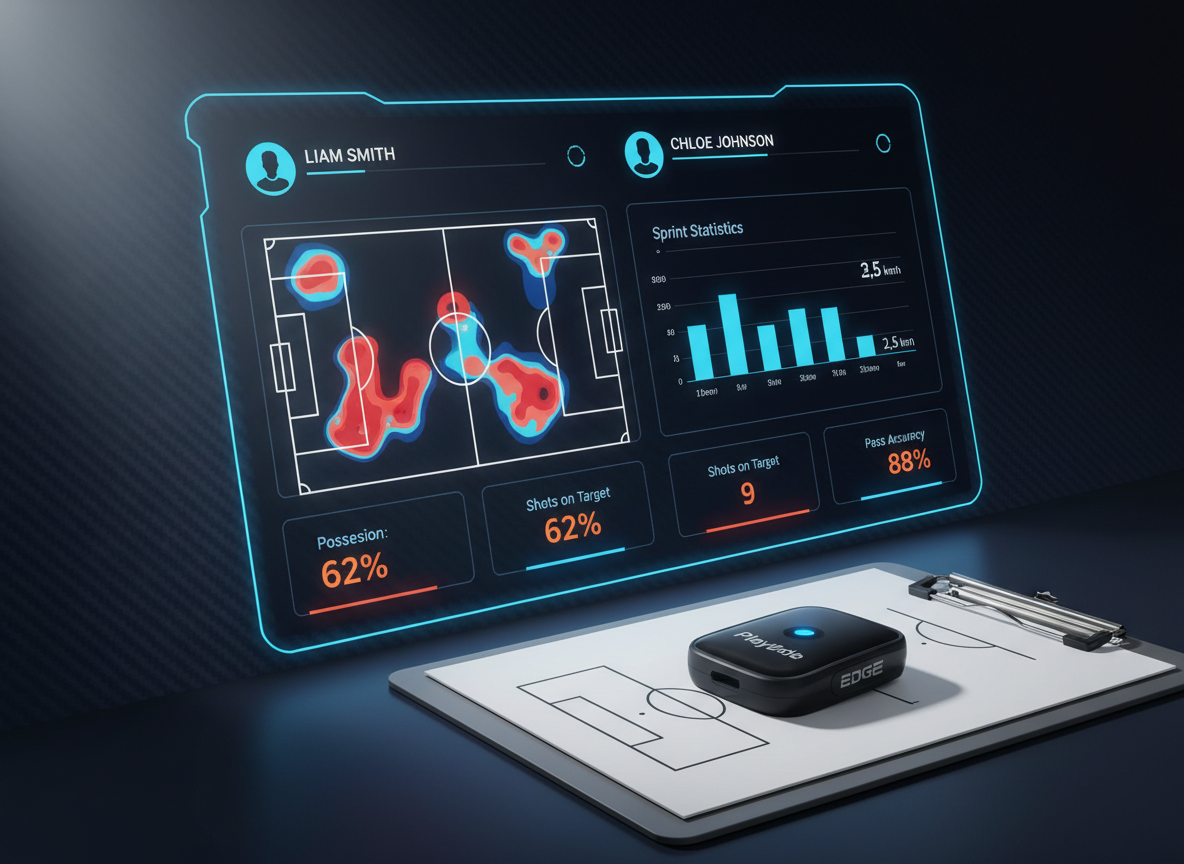
Overview
I have found that PlayerData EDGE simplifies the complex world of performance tracking for groups. It is built specifically to handle the data of multiple athletes simultaneously without a hitch.
Pros
This system is incredibly user-friendly for coaches who aren’t tech experts. The hardware is durable and handles the physical demands of high-intensity soccer matches easily.
Cons
The individual interface is slightly less detailed than some high-end solo trackers. It clearly prioritizes the coach’s view over the player’s personal app experience.
Key Features
The standout feature is the lightning-fast sync capability for the whole squad. You can analyze total distance and top speeds for twenty players in just a few minutes after the whistle.
SOCCERBEE – Best Subscription-Based Team Solution
Overview
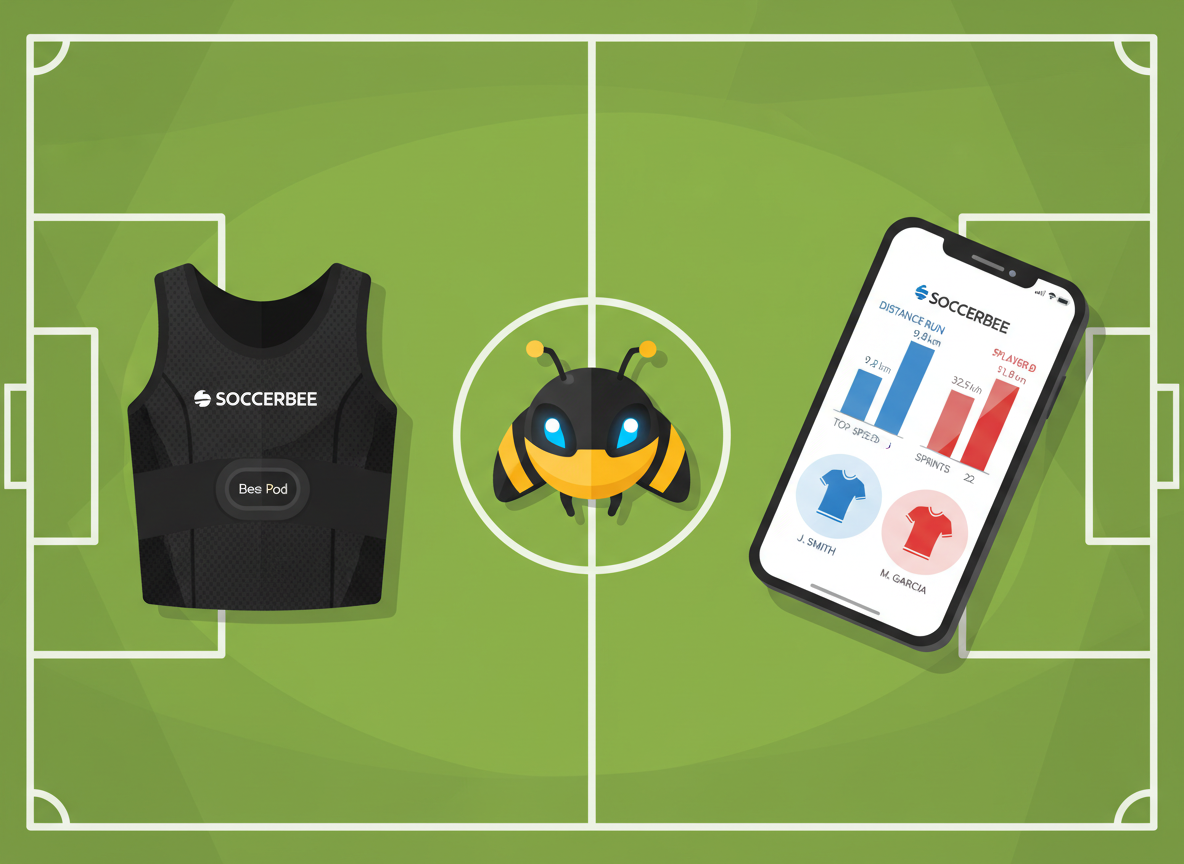
SOCCERBEE offers a brilliant way for teams to start tracking without a massive upfront cost. It uses a smart subscription model that includes the BEE pod and a comfortable vest.
Pros
You get a 30-day free trial to test the full real-time data capabilities. The app interface is sleek and makes comparing teammates feel like a fun video game competition.
Cons
You must maintain the monthly subscription to keep accessing your advanced data history. This can add up over several seasons compared to a one-time purchase.
Key Features
The real-time data comparison is the crown jewel here. It allows players to see their performance tracking stats against their friends immediately, which really sparks a competitive fire during training.
GPS Tracker Comparison: Technical vs Physical Tracking
Ever wondered why some trackers sit on your back while others wrap around your cleats? The split between physical and technical tracking defines how you see your game. Each system captures different metrics to help you improve.
Vest-based systems like STATSports focus on your engine. They capture your total distance, high-speed running, and overall workload. These tools are perfect for monitoring match load and building elite conditioning.
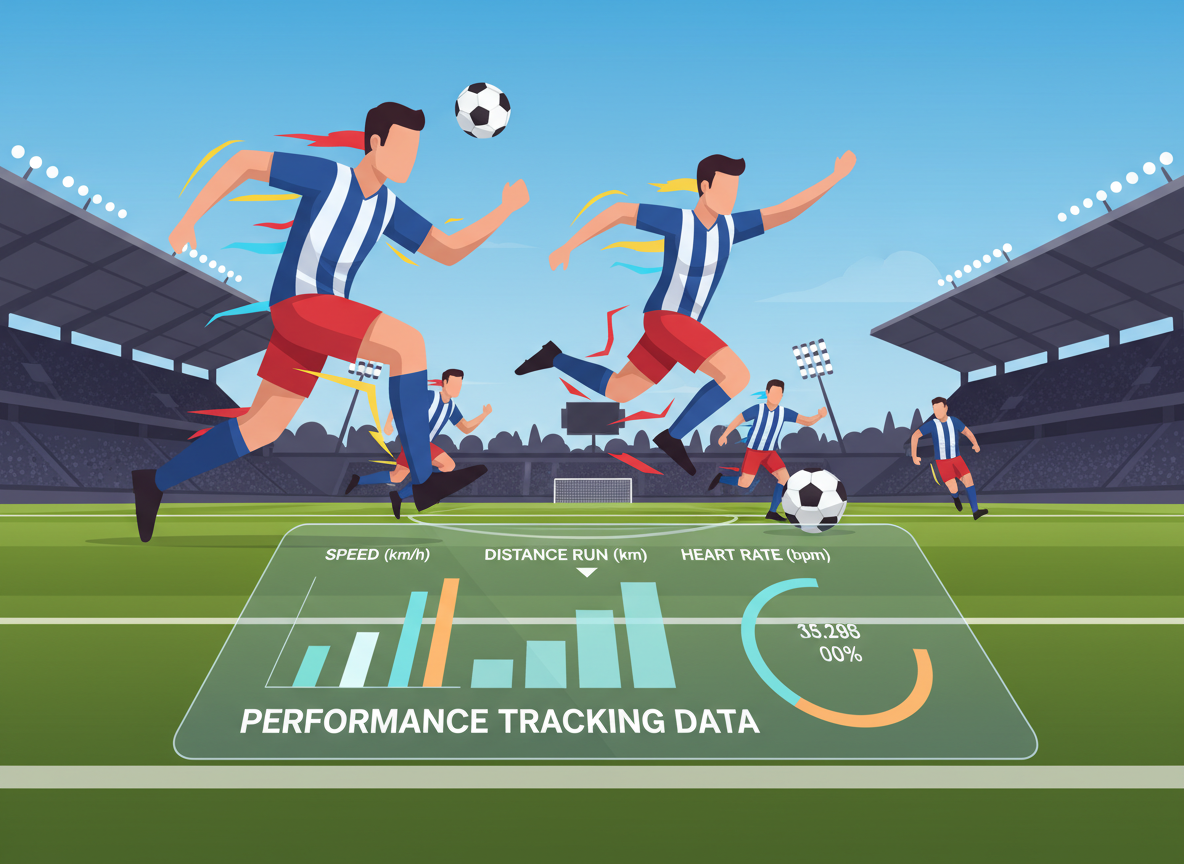
On the flip side, boot-mounted gps sensors like Playermaker track your feet directly. I love how they provide data on ball touches, pass volume, and foot balance. These technical metrics reveal your skill execution patterns during play.
If your primary goal is skill growth and ball mastery, technical tracking is your best bet. If you want to increase your sprint distance and fitness, a vest tracker is the way to go. Combining both provides the ultimate performance data for any aspiring pro.
Choose the gps tracker that fits your current development needs. Whether you are building your engine or your craft, the right insights make all the difference.
| Feature | Vest (Physical) | Boot (Technical) |
|---|---|---|
| Primary Focus | Work Rate & Fitness | Ball Skills & Touches |
| Key Data | Sprint Distance | Pass Volume/Accuracy |
| Best For | Conditioning Load | Skill Development |
| Top Tracker | STATSports APEX | Playermaker 2.0 |
How to Choose the Right GPS Tracker for Your Needs
You wouldn’t buy a Ferrari just to drive to the local park, and the same logic applies to sports tech. Finding the right gear can be a maze of stats and prices. I want to help you find the perfect fit so you don’t waste your money on features you won’t use.
Consider Your Primary Goal
Are you trying to boost your top speed or improve your technical touch? Some trackers focus on movement across the pitch, while others analyze how you strike the ball. Knowing your specific development needs ensures you pick a device that actually helps you improve your game.
Individual vs Team Usage
A solo player needs a simple app interface to track personal progress over time. However, if you are a coach, you need a system that syncs multiple devices simultaneously. This allows you to compare different players and manage the entire squad’s workload effectively during the season.
Budget and Subscription Costs
Price tags can be deceiving in the world of sports wearables. You might find a cheap tracker that requires a heavy monthly fee just to see your stats. Always calculate the total cost over a full year before making your final decision on any system.
Comfort and Wearability
Even the best data is useless if the gear is uncomfortable and you refuse to wear it. I have seen players struggle with restrictive vest-based systems while others love the freedom of boot-mounted sensors. Comfort directly affects your consistency; if you dread the gear, you won’t track your movement enough to see patterns.
Choosing between a vest or a boot sensor often comes down to personal preference and age. Here is a quick breakdown of what to expect:
- Vest systems can feel restrictive to some, though they are the standard for elite physical data.
- Boot trackers are virtually unnoticeable during play and are excellent for technical ball-tracking.
- Younger players often adapt to new wearables much faster than older veterans.
- Testing the wearability during a light practice is essential before committing to a full match.
| Mounting Type | Placement | Main Benefit | Best For |
|---|---|---|---|
| Vest | Upper Back | High Accuracy | Physical Load |
| Boot Sensor | On Cleats | Technical Stats | Ball Control |
| Waist Band | Hips | Low Cost | Casual Play |
What Metrics Actually Matter for Player Development
I remember the first time I saw a raw data dump from a GPS vest. It looked more like complex code than useful soccer insights. You must learn to cut through the noise to find the reported metrics that actually drive improvement.
Focus on high-speed running and sprint distance rather than total distance. A defender and a winger cover different ground by design. Without context, some performance metrics can be quite misleading for your development.
Technical analysis of your weak-foot usage or ball involvement provides a competitive edge. I have seen players transform their game after seeing data that proved they were avoiding their left foot. These actionable insights help you adjust your training and performance growth.
Heatmaps help you understand your tactical role on the pitch. If your performance drops late in the game, your analysis proves you need more endurance work. Always ignore vanity metrics and look for the best insights that translate to better play.
| Metric Category | Key Metrics | Developmental Value |
|---|---|---|
| Physical | Sprint Distance | Measures your ability to perform at high intensity. |
| Technical | Ball Touches | Tracks involvement and confidence with the ball. |
| Tactical | Heatmaps | Reveals if you are maintaining your correct position. |
Conclusion
We no longer have to guess how much ground we cover on the pitch. Today, elite soccer technology is available for athletes at every level. These gps tools help you train smarter and reduce injury risks during every high-intensity match.
For technical skills, I highly recommend the Playermaker tracker. For coaches focused on monitoring a full squad, STATSports remains the gold standard for performance and movement analysis. Budget-friendly trackers like Footbar or SOCCERBEE also offer great value for specific game goals.
The best gps solution is one you use consistently to gain insights from your data. This tracking technology gives you a competitive edge by improving your on-pitch sports decisions. Explore the latest pricing and offers to find the best sports tools for your next match.
Every soccer game is a chance to reach a performance peak with the right soccer insights for players. High-stakes matches and competitive games require the best equipment available for players.