
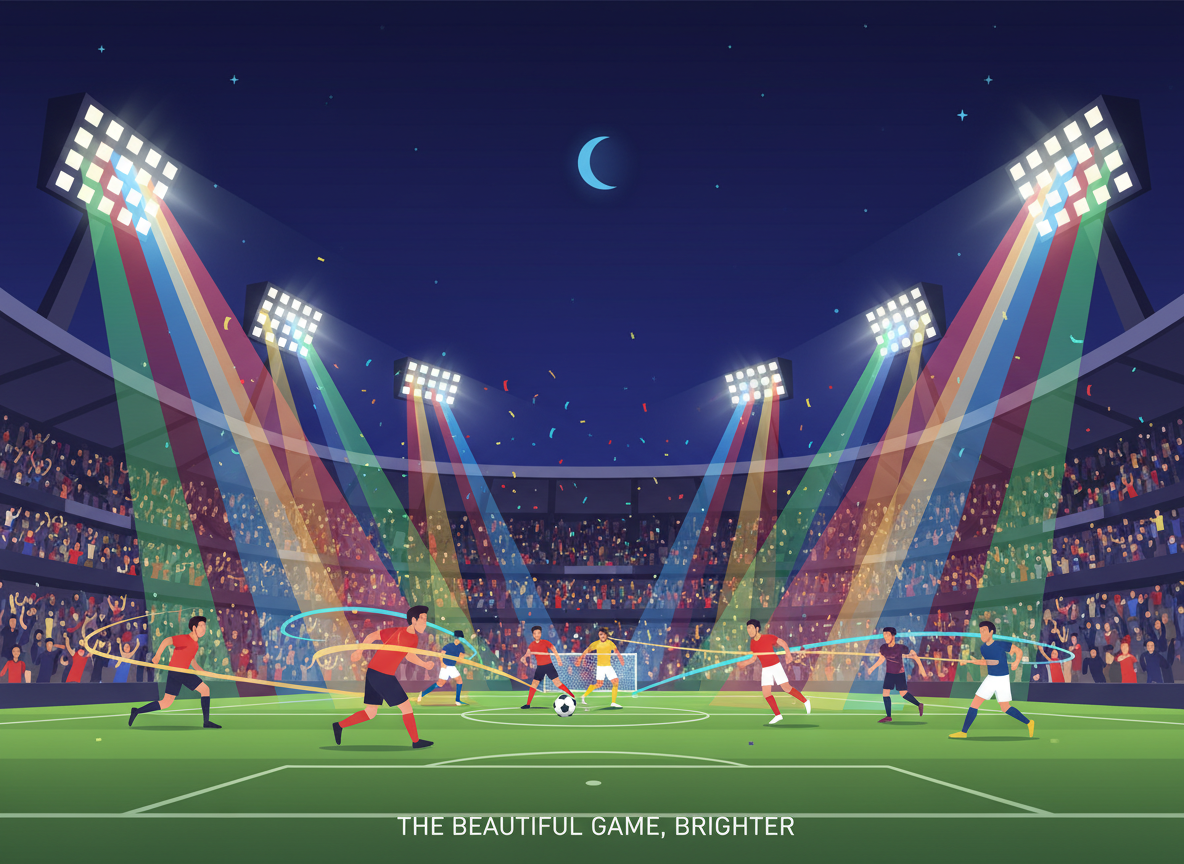
Have you ever noticed how a night game feels like high-definition theater? I have seen an led stadium setup slash energy bills by up to 75% while making the pitch look incredible. This transformation isn’t just about bulbs; it’s about a total shift in the game’s atmosphere and clarity.
Modern sports venues now rely on advanced led solutions to enhance every single play. I will show you how this technology improves visibility and safety for everyone on the field. It is truly a game-changer for the modern era of professional athletics.
You might think brightness is the only goal, but there is a fascinating science behind how modern systems illuminate every corner. It involves electroluminescence and precision optics that eliminate distracting shadows. Finding eco-friendly soccer stadiums is much easier now that green efficiency is a top priority for managers.
Using the right lighting makes the grass pop and keeps the fans coming back for more. Mastering an led stadium installation ensures every corner stays bright without wasting power. This roadmap helps you choose the best led gear for maximum performance and lower operating costs.
By the end of this journey, you will have a clear path for operating systems that deliver maximum impact. High-quality lighting is an investment that pays dividends every single game night.
Key Takeaways
- Energy Efficiency: Modern systems cut electricity costs by up to 75% compared to older metal halide lamps.
- Enhanced Visibility: Advanced optics eliminate shadows and glare, helping players perform at their peak.
- Fan Experience: High color temperatures make the action look vibrant for both live crowds and TV broadcasts.
- Smart Controls: New systems allow for instant dimming and customizable light shows to boost revenue.
- Sustainability: Transitioning to efficient gear significantly reduces the carbon footprint of large athletic complexes.
- Longevity: These modern arrays last much longer, drastically reducing maintenance and replacement needs over time.
Understanding Stadium Lighting Technology Fundamentals
Have you ever wondered what actually makes those massive stadium lights glow so intensely during a night match? I’ve spent years exploring the inside the MLS stadium experience, and the tech behind it is genuinely magical.
When you see a field bathed in crisp, clear illumination, you are witnessing a massive shift in how we power our favorite venues. Let’s pull back the curtain on the science that keeps the game visible for everyone.
How LED Electroluminescence Powers Modern Sports Venues
LEDs aren’t just standard bulbs; they are clever semiconductor devices that create light through a process called electroluminescence. This happens when an electric current passes through specific materials, causing electrons to release energy as photons.
I find it fascinating that this led technology produces brilliant illumination without wasting half its energy as heat. By choosing different materials for the semiconductor, engineers can even control the exact color of the beam on the pitch.
Energy Efficiency vs Traditional Lighting Systems
Traditional lighting systems, like metal halides, often feel like they are literally burning money because they lose so much power to heat. Modern led lighting changes the game entirely by channeling over 80% of its energy directly into brightness.
This incredible energy efficiency allows stadiums to cut their power consumption by 50% or more almost overnight. You can see why so many venues are rushing to upgrade their old, power-hungry setups for a better efficiency rating.
Lifespan and Durability Benefits
One of the most impressive benefits of this shift is the sheer toughness of these modern units. Unlike old bulbs, a led has no fragile glass or filaments that might shatter from the vibrations of a cheering crowd.
A quality led fixture can run for up to 100,000 hours, which is nearly 25 times longer than old-school lighting. This longevity means teams spend less time on high ladders and more time focusing on the action below through their advanced lighting systems.
| Feature | Metal Halide | LED Technology |
|---|---|---|
| Energy Waste (Heat) | High (approx. 70%) | Low (approx. 20%) |
| Lifespan (Hours) | 5,000 – 15,000 | 50,000 – 100,000 |
| Start-up Time | 15-20 Minutes | Instant-On |
How to Select the Right Brightness and Color Settings
Have you ever wondered why professional games look so crisp on your TV at home? It all comes down to mastering brightness and color settings. I have seen how the right lighting configuration can turn a dark pitch into a professional arena. Choosing the perfect brightness is the first step toward a legendary game night.
Calculating Lux Requirements for Your Sport
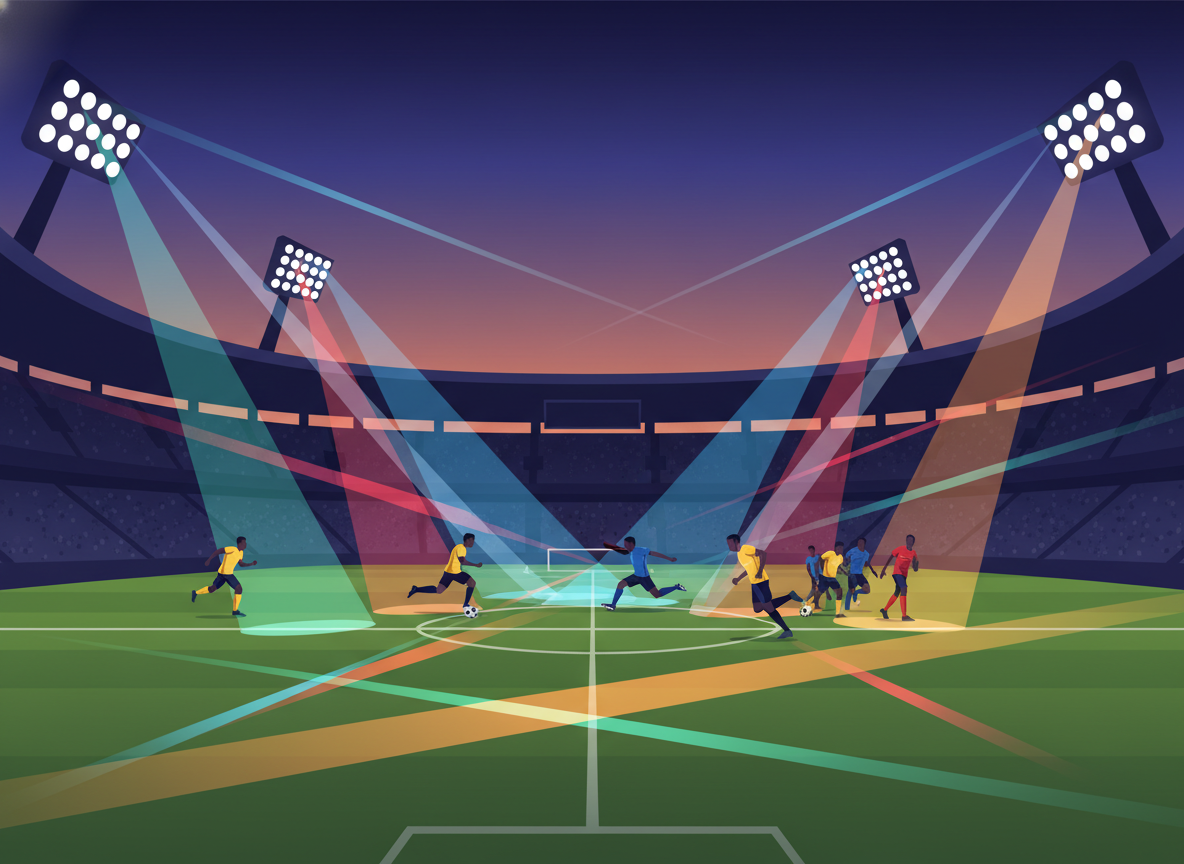
Every sports activity has a specific lux requirement to measure the intensity of the illumination. For recreational soccer, you might only need 200 to 300 lux to keep the ball in sight. However, high-school competition usually demands at least 500 lux for safety and performance.
Professional broadcasts need over 2000 lux to capture every rapid movement in crystal-clear HD. I use a simple formula to find the light levels you need for your venue. You multiply the field square footage by the sport’s lux standard to calculate the total brightness needed. This prevents costly over-lighting or dangerous dark spots.
| Competition Level | Lux Standard | Primary Use Case |
|---|---|---|
| Recreational | 200 – 300 Lux | Local youth practices |
| High School | 500 Lux | Regional tournaments |
| Professional | 2000+ Lux | National TV broadcasts |
Choosing the Optimal Color Temperature
The color temperature you choose changes everything about how fans experience the match. I always recommend 5000K to 5700K for field lighting because it mimics natural daylight perfectly. While warmer tones look cozy, cooler led temperatures actually improve depth perception for the players.
This cooler range helps athletes track fast-moving balls with much better visibility. It also makes the grass look vibrant and the uniforms pop for the spectators. Avoid yellow tones if you want your stadium to feel modern and energetic.
Setting Beam Angles for Uniform Coverage
Getting the brightness right also depends on the beam angle of your led fixtures. I use a mix of narrow and medium beams to ensure even field lighting across the entire grass surface. If your angle is too wide, you waste lighting on the parking lot or the sky.
Proper angles eliminate dark zones and boost overall visibility for everyone in the stands. I have watched many projects fail because they didn’t mix their beam angles correctly. A balanced brightness keeps the game safe and keeps the focus where it belongs—on the action.
How to Choose Stadium Lighting Systems for Your Venue
I’ve seen many owners struggle, but picking the right led stadium setup starts with understanding your specific ground’s needs. You want a system that works for your unique space without breaking the bank.
Evaluating Venue Size and Layout Requirements
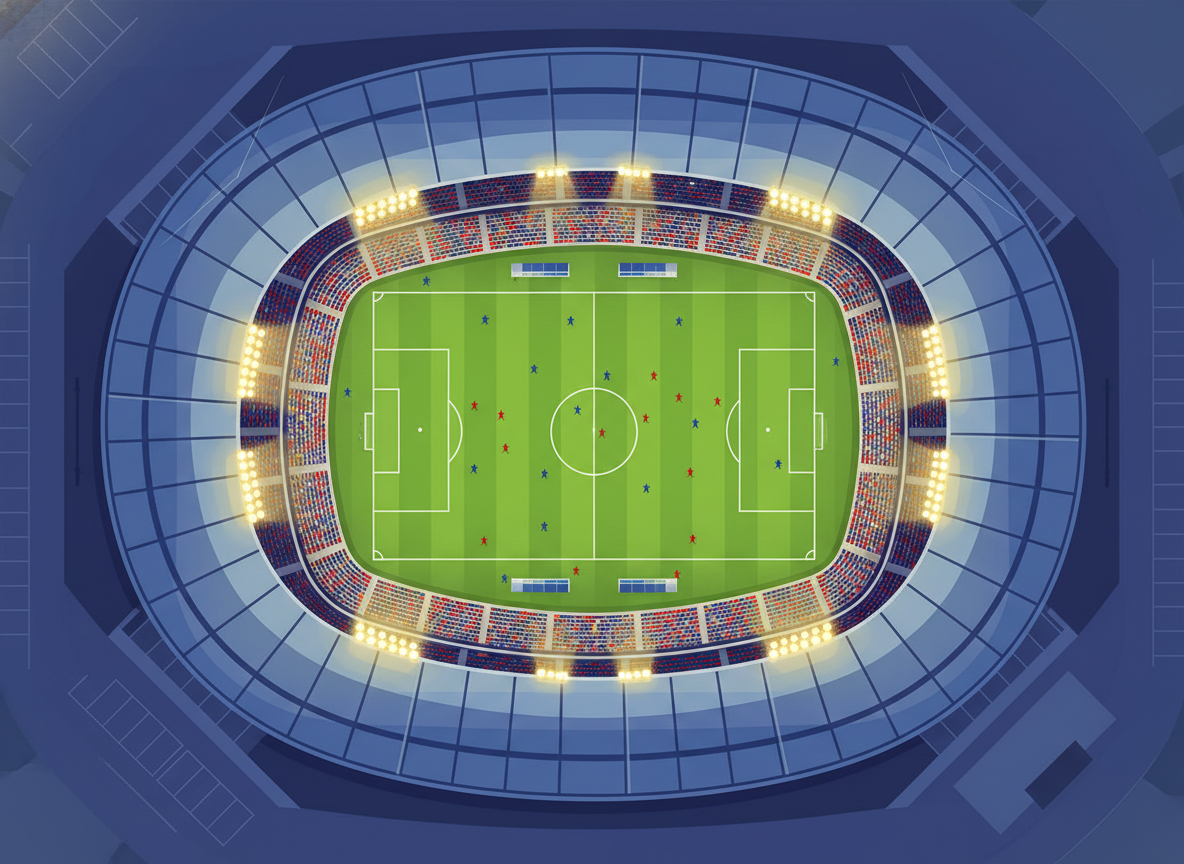
I have evaluated hundreds of venues, and here is the first rule: your venue size dictates everything. A football field needs different lighting solutions than a baseball diamond because of the unique geometry.
You must map out mounting locations based on building structures and sight lines. This ensures the led stadium setup actually fits your specific space and provides uniform coverage for every player.
Matching Light Output to Professional Standards
Meeting professional standards is not optional if you want to host competitive events or broadcasts. Organizations like FIFA or the NCAA have strict lux requirements for their stadiums to ensure safety.
If you fall short, you cannot certify your space for sanctioned play. Always check how much it costs to build a soccer before finalizing your lighting solutions to ensure your budget aligns with these rules.
Comparing Energy Costs and Long-Term ROI
The costs reality is simple: traditional systems drink energy, while modern led stadium systems draw far less. Most venues recoup their investment in 3-5 years through massive energy savings.
When comparing systems for stadiums, look at the total cost of ownership over a decade. This reveals the true savings on maintenance and costs for your venue, proving that efficiency is a long-term win.
Installing Stadium Lighting Technology Correctly
Have you ever wondered why some fields feel like daylight while others are a mess of shadows? I have found that a professional installation makes all the difference for your lighting system. It is not just about bolting fixtures to poles.
You must understand sight lines from every spot on the field. Getting the placement wrong can ruin the game for everyone involved. Let us dive into the specifics of how to do this right.
Determining Mounting Height and Position
Height is the foundation of everything in a modern stadium. I usually recommend 60 to 80 feet for high school projects. Professional venues often require 80 to 120 feet to ensure proper coverage.
This installation height directly affects glare control. Higher positions provide better light distribution across the surface. Lower heights might boost visibility but often blind the players during high-speed plays!
Arranging Fixtures to Eliminate Shadows
Arranging fixtures is where the magic happens. You need four to six mounting locations around the stadium perimeter to eliminate dark shadows. This arrangement creates overlapping coverage zones.
I always use a grid pattern with 20% to 30% overlap. This strategy prevents “dead zones” where visibility drops. It ensures no dark spots exist when players sprint across the grass.
Angling Lights to Reduce Player and Spectator Glare
I recommend angling fixtures at 25 to 35 degrees from vertical. This installation keeps the intense led beam out of the eyes of spectators. Proper installation also prevents outfielders from losing fly balls in a bright glare.
Using a high-quality lighting setup ensures everyone stays focused on fast-moving objects. Precision aiming and led visors are worth the investment for your lighting system. Expert installation makes the field safer for every athlete.
| Venue Type | Mounting Height | Key Benefit |
|---|---|---|
| High School | 60 – 80 Feet | Improved Uniformity |
| Professional | 80 – 120 Feet | Pro LED Coverage |
| Youth Field | 40 – 60 Feet | Effective Lighting |
Integrating Smart Controls and Automation
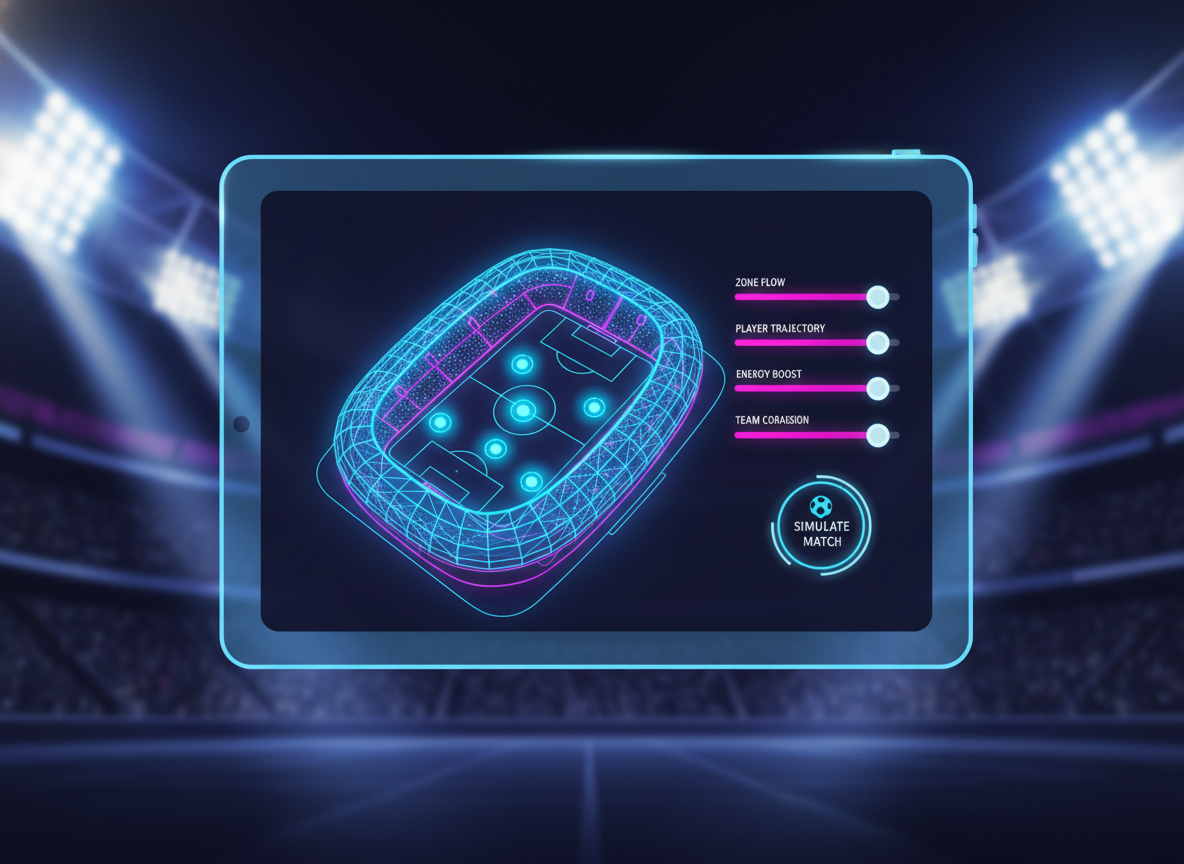
Have you ever wondered how those massive lights shift so smoothly from game-time bright to a subtle post-match glow? Smart control technology transforms your led stadium from a simple grid into a living entertainment hub. I often recommend solutions like Interact Sports to manage everything from the pitch to the hospitality areas. You can run the entire lighting setup from a single, intuitive dashboard on your phone.
Setting Up Automated Dimming and Scheduling
This is where you save serious money. I suggest a system with preset levels: 100% for the big game and 60% for training sessions. Automated lighting systems eliminate energy waste by delivering only the exact brightness you need at that moment. You simply schedule transitions based on your event calendar to keep operations lean.
Programming Custom Lighting Effects for Events
Think beyond just seeing the ball. Modern sports lighting lets you sync led stadium fixtures to music or specific team colors. These dynamic lighting effects create new revenue streams because sponsors love branded light shows during halftime. I’ve seen fans go wild when the lights strobe after a spectacular goal.
Connecting to IoT Sensors and Venue Management
By linking your led stadium to IoT sensors, you gain incredible insights. These smart sports lighting tools talk to your HVAC and security, creating a unified ecosystem. In many famous soccer stadiums by country, staff now use this system to respond to real-time weather changes. It makes modern venues safer and much more efficient to run every single day.
Maximizing Performance and Minimizing Operating Costs
I have seen how the right approach to lighting can slash overhead and boost the athlete experience. Managing a modern venue requires a balance between brilliant performance and keeping costs under control. You can achieve this by embracing smarter management habits that older systems simply couldn’t offer.
Monitoring Energy Consumption in Real-Time
Real-time monitoring changed the game for me. Modern led systems now feature built-in meters that show exact kilowatt usage. I have helped venues install dashboards that reveal exactly when energy is wasted.
These live insights often lead to immediate savings of up to 25%. You can stop guessing about your utility bills and start tracking costs per event. This visibility identifies hidden opportunities that used to be invisible to facility managers.
Adjusting Brightness Based on Event Type
You don’t need full power for every activity on the field. I recommend a brightness strategy that prioritizes performance during big games while saving power during practice. Use 100% output for championships and only 30% for routine maintenance.
This event-based dimming creates massive long-term savings. A typical high school can cut weekly lighting expenses significantly by right-sizing their output. It is all about giving the athletes what they need without wasting energy.
Implementing Maintenance Schedules to Extend Lifespan
Proper maintenance is the secret to protecting your investment. Even though led units are durable, they still need a consistent plan. I suggest quarterly inspections to ensure your field stays bright and safe for everyone.
Keeping lenses clean can prevent a 30% drop in lighting output. Regular maintenance ensures the system maintains high efficiency for over 50,000 hours. A well-kept system delivers consistent performance and prevents the need for early replacement.
By following these steps, you create a data foundation for optimizing both costs and quality over the long term. Your biggest savings opportunity is the operational discipline of running your system intelligently and maintaining it properly.
| Activity Type | LED Setting | Primary Benefit | Goal |
|---|---|---|---|
| Championship | 100% Output | Peak performance | Pro Quality |
| Team Practice | 60% Output | Energy savings | Efficiency |
| Cleaning Crew | 30% Output | Lower costs | Maintenance |
| Night Security | 10% Output | Safety lighting | Security |
Conclusion
I’ve shown you the roadmap for lighting technology, but the real magic happens when you flip the switch on your own field. High-performance systems and a led stadium upgrade create a top-tier experience for every player.
In sports facilities, led lighting reimagines how a stadium entertains fans. With this solution, athletes play with better visibility while spectators enjoy the view. The experience of quality field lighting pays for itself through efficiency and atmosphere.
Sports fans deserve a quality experience every time they visit. When venues use led sports tech, the overall experience improves significantly. Choose led lighting to ensure the next use of your field is perfect for the sports community.
Modern sports require led stadium visibility to meet broadcast standards. Your stadium experience depends on quality equipment. Elevate sports facilities with a led stadium for better play. Every sports player and sports fan values this sports lighting experience.
| Benefit Category | Impact on Venue |
|---|---|
| Player Safety | Enhanced visibility and reduced glare for better play. |
| Fan Engagement | Unforgettable experience with professional-grade lighting. |
| Operational Savings | Long-term ROI through energy-efficient LED technology. |