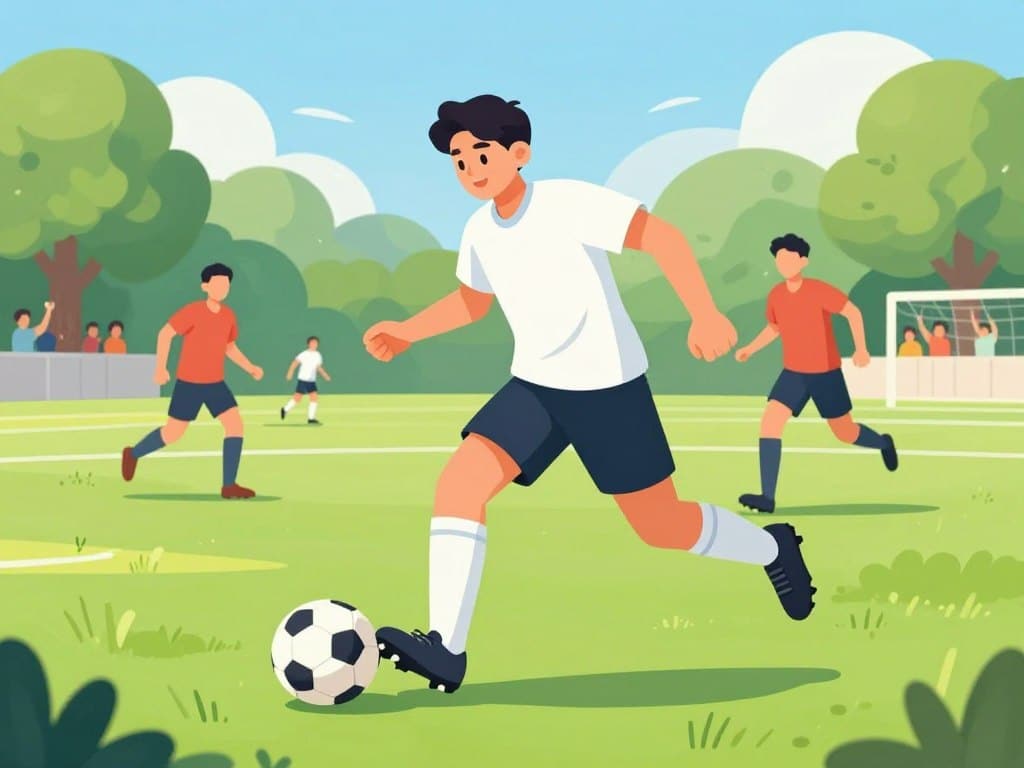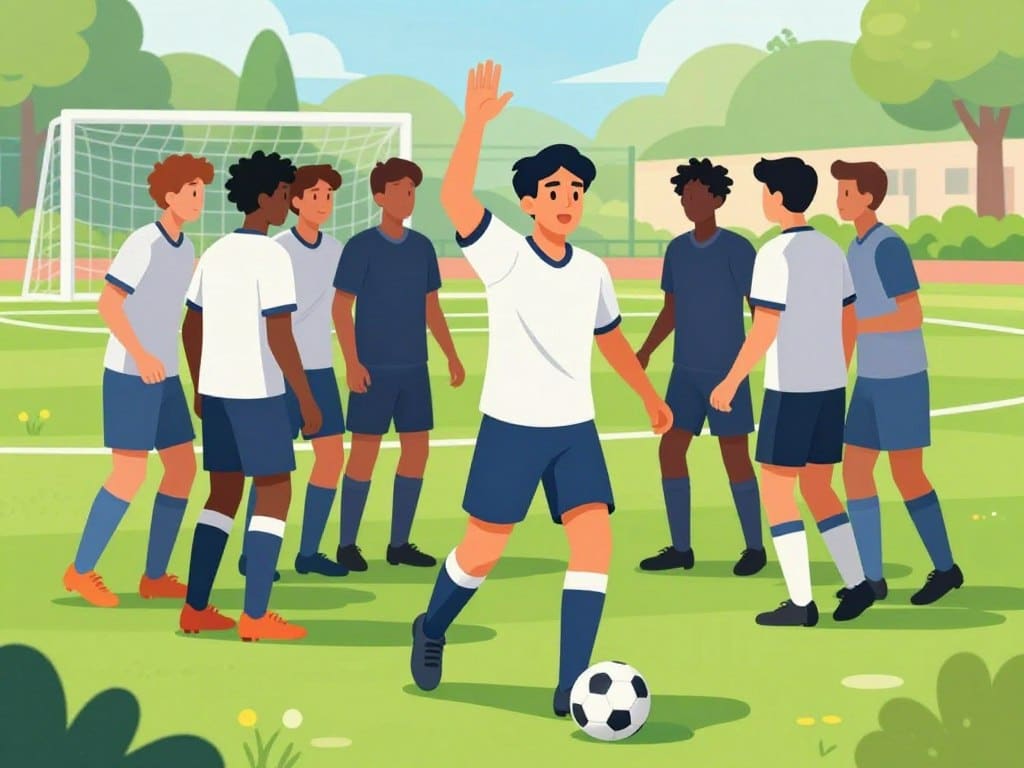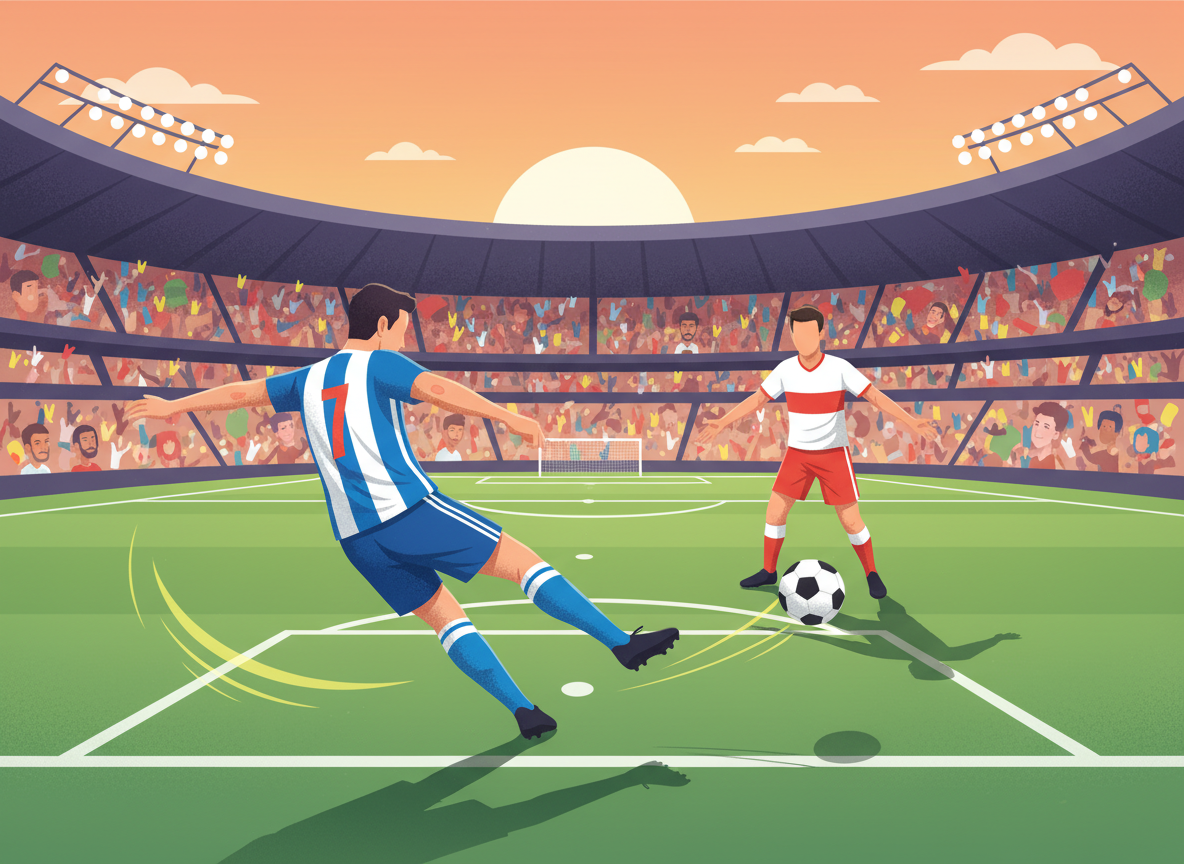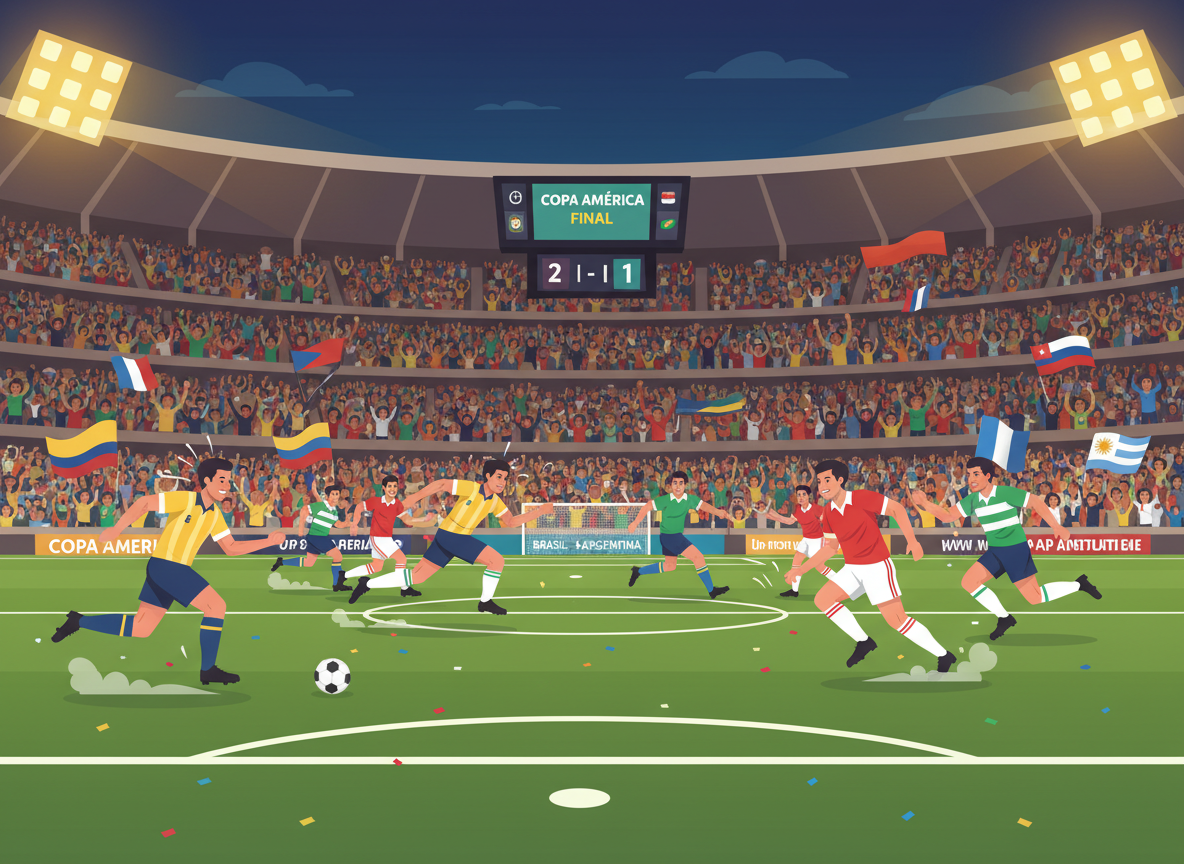

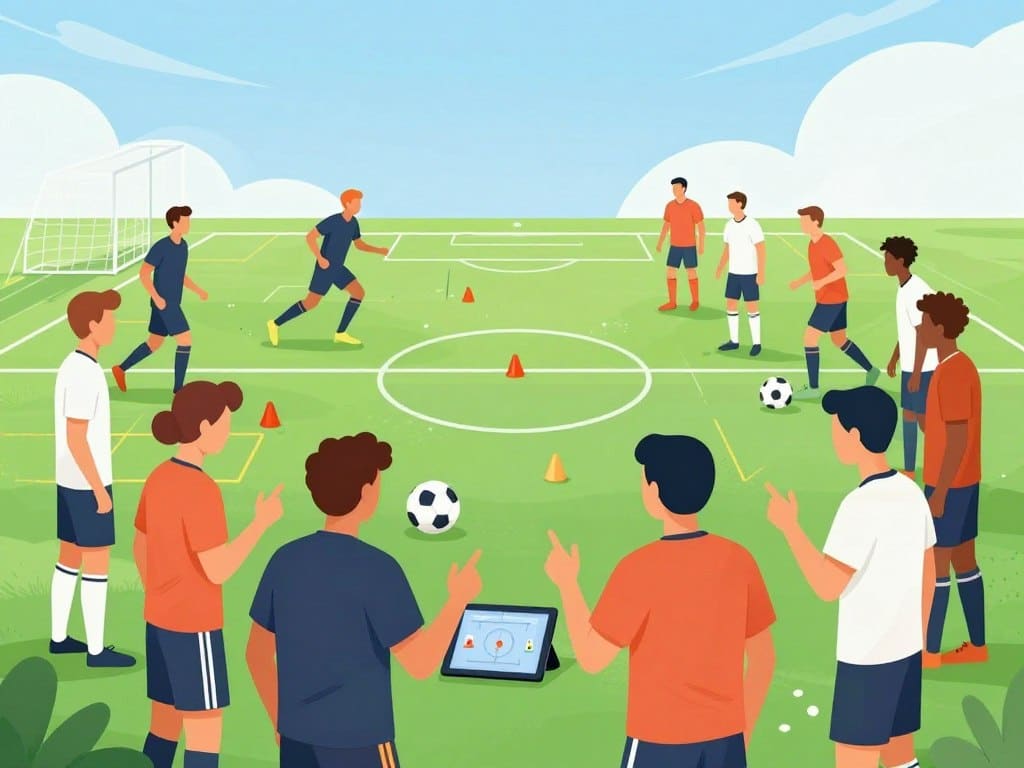
Have you ever wondered why some players seem calm in the biggest moments while others freeze?
I wish I’d treated the mental side of training like packing my bag the night before; now I “pack” my mind with clear images that free up focus on the pitch.
This is a practical how-to I would have used in youth league days. I’ll show short daily drills you can do in 5–10 minutes, specific scripts that match what midfielders, defenders, and attackers see, and simple ways to add them to weekly training.
Think of this as a tool that makes big moments feel familiar; the aim is calmer choices, not perfect thoughts. The mental rehearsal I teach sharpens technique and builds real confidence alongside physical work.
Whether you play youth, high school, college, or adult leagues, these methods support faster decisions when the game speeds up. Read on to learn what to practice, why it works in the brain, and how to blend it into match prep.
Key Takeaways
- Short daily mental rehearsal boosts performance and focus.
- Practice scenarios match real on-field roles and skills.
- This is a practical tool you can use today, not vague motivation.
- Use imagery to reinforce correct technique and smart choices.
- Five to ten minutes daily builds steady confidence over time.
What visualization means in soccer and how it differs from just “thinking positive”
Before you step on the field, I run exact clips in my head—short, goal-oriented scenes that match a real moment I want to own. This is deliberate practice, not daydreaming: a repeatable mental drill with clear decisions and outcomes.
Names players actually use
Some call it visualization, others say mental imagery or mental rehearsal. I use the terms interchangeably but mean the same thing: guided mental reps that match match conditions.
What makes a useful image
A good image includes space, tempo, and teammates. You should see where the 6 shows, where the winger pins wide, and how the back line moves. Add noise, pressure, and the jitter in your chest so the scene feels real.
- I picture receiving on a half-turn with a defender tight.
- I “hear” a teammate call and see the open lane before I decide the simple pass.
- Keep touches and body shape clean; sloppy images teach the brain the wrong technique.
Why mental imagery improves performance under pressure
Big moments stop being scary when you’ve already run them cleanly in your mind. That shift is not magic; it’s biology.
How the brain and body copy a rehearsal
Research and elite practice show the brain lights up in similar ways during vivid mental rehearsal and real actions. These shared neural pathways help embed the movement without extra wear on your legs.
Faster decisions and stronger muscle memory
When a pattern is familiar, choices feel automatic. That speed comes from reinforced pathways that make on-field reads quicker.
Imagery also tightens muscle memory: clean mental reps teach the correct first touch, body shape, and scanning habits when you can’t get physical training time.
Confidence, focus, and lower anxiety
I don’t walk into a penalty hoping; I’ve done the walk, breath, and strike in my head. That repetition builds confidence and keeps attention on cues that matter.
Rehearsing hostile away crowds or late-game defending reduces anxiety because the scene stops being new. You’ve stored a calm script the moment can call on.
- Practical takeaway: run 5 clear reps of a pressure play—walk the routine, feel the breath, see the finish.
- Result: faster reads, steadier technique, and less panic when the heat is on.
| Benefit | What it changes | Use-case |
|---|---|---|
| Speed of decision | Neural pathways fire faster | Choosing a pass under pressure |
| Technique retention | Muscle memory reinforced | First touch and shooting form |
| Emotional control | Anxiety lowered | Penalties, hostile crowds |
| Attention | Focused cues filtered | Defensive reads and set pieces |
How to practice visualization techniques for soccer the right way
I treat mental reps like set pieces: specific, repeatable, and practiced until they feel natural. Start small and set up a simple session so it actually happens.
Session setup
Pick a quiet space, decide if your eyes are open or closed, and choose music or silence based on what helps you focus. Keep the seat and posture consistent; small cues help memory.
Breathing to settle in
I use inhale 4, hold 4, exhale 6 for one to two minutes. That breathing anchors attention before the mental rehearsal begins.
Make it multisensory
Don’t just see the play—hear cleats, feel contact across the body, and match the game’s speed. Multisensory imagery strengthens muscle memory and neural pathways.
Rehearse real scenarios and branches
Run receiving under pressure, finishing, defending, and transitions. Add “what if” branches like a short corner, tight marking, or a deflection so you’re ready for surprises.
Perspective and consistency
Switch between first-person (touch and timing) and third-person (space and shape). Five-minute daily practice beats occasional long sessions.
Quick example and common errors
Example: as a central midfielder I scan both shoulders, open my hips, cushion the touch, and thread the pass after a teammate’s shout. Stop and correct any negative or vague images—rehearsing mistakes trains the wrong skill.
Tip: To build mental toughness, pair this with guided reading or coaching notes and see more drills at build mental toughness.
Building visualization into training, match prep, and recovery
I weave short mental runs into my weekly plan so the game feels like something I’ve already played. Make this part of your routine: quick reps before practice, a longer run the night before a match, and a short reset in the warm-up.
When to rehearse
Before training sets clear intent and tightens focus.
The night before supports mental preparation—Rooney even pictured kit and game details to be a touch sharper.
Pre-match calms the brain.
Post-match helps learning without self-criticism.
Pairing with physical practice
Do a short mental rep, then run that exact pattern at game speed. This links imagery to muscle memory and boosts technique during physical training.
Position-specific ideas
- Goalkeeper: read the shooter, set position, first step, rebound control.
- Defender: organize the line, track runs, clear under pressure with teammates.
- Winger: time runs, scan gaps, finish under a defender’s close body.
- Striker: near vs far-post choices, first-time finishing, composure after a miss.
Injury rehab and team use
When I’m sidelined, mental reps keep me connected to the field and protect confidence during recovery. Coaches can run guided team sessions, link images to video clips, and add journaling prompts like “What scenario did I rehearse?”
| When | What to run | How long |
|---|---|---|
| Before practice | Short tactical cue (5 reps) | 2–5 minutes |
| Night before | Full match script (set pieces, roles) | 8–10 minutes |
| Pre-match | Calm routine + one decisive play | 2–3 minutes |
| Post-match | Reflective replay for learning | 5 minutes |
Pair this work with physical drills and film review—see related warm-up mobility at flexibility stretches to keep body and mind aligned.
Conclusion
A small daily rehearsal turns surprise moments into ordinary actions you can trust. Think of visualization as a simple tool that trains the mind to run the game before it happens.
Good work is specific, vivid, and tied to correct technique; that builds usable memory and real skill under pressure. It boosts performance and steady confidence when it matters.
Do this today: breathe two minutes, pick one scenario, run a 60–90 second clip, repeat it cleanly three times. Then link that clip to one on-field drill so the picture and the skill match.
If an image goes negative, stop, reset, and replay the correct response. Keep the context—teammates, space, and communication—and switch perspective when positioning trips you up. These steps make the game feel smaller and your action calmer.
Play it again tomorrow. I have, and it changes how the match feels and how I choose.