
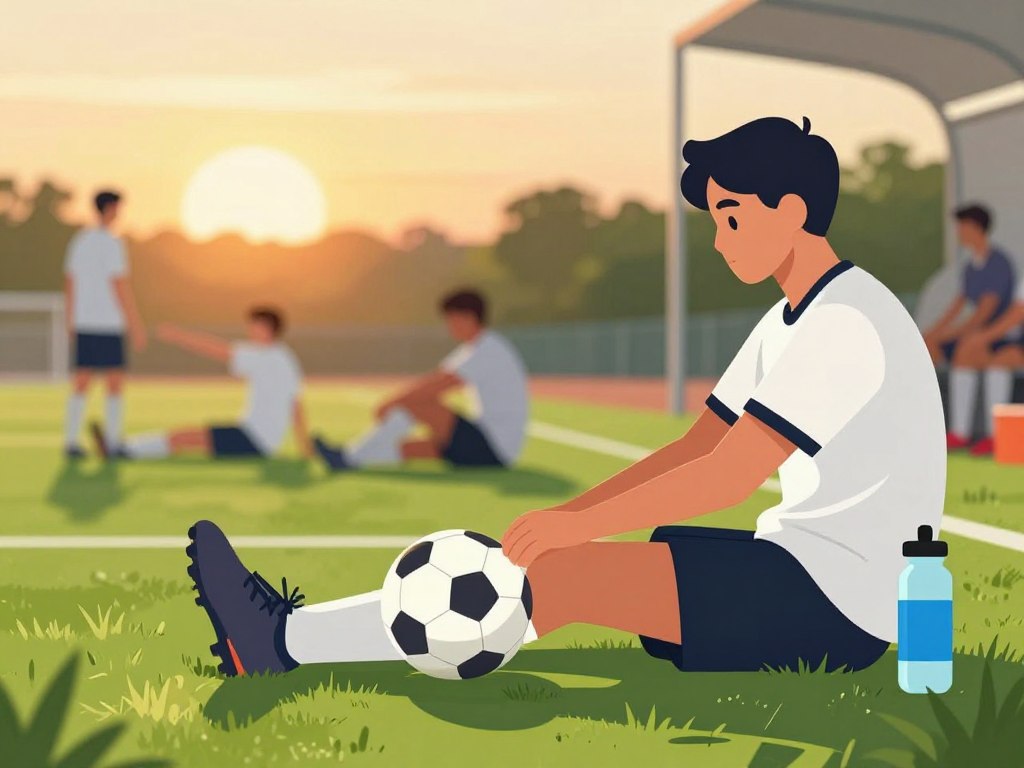
Over 70% of amateur players skip the most critical ten minutes after the final whistle. I still remember the first time I actually paid attention to what happened then; most guys just grabbed their bags and left.
You’ve probably seen it. The match ends, everyone’s exhausted, and the field empties fast. Nobody thinks twice about what their body just went through.
For years, I treated that post-game routine like an optional add-on. I was wrong. That mentality cost me many mornings waking up barely able to move.
A proper cooldown is an exercise protocol designed for optimal recovery. It helps your heart rate return to normal safely and speeds up your recovery time. It also creates a space for reflection on your performance.
Ever wonder why some athletes bounce back faster? The answer isn’t always talent. It’s about giving your body the transition it needs.
This isn’t another tedious task. It’s understanding what you need after pushing to the limit. I’ve lived both sides, and the difference was clear.
Key Takeaways
- A structured post-game routine helps your body recover physically and mentally.
- It safely lowers your heart rate and can reduce next-day muscle soreness.
- This practice creates valuable time for personal reflection on your performance.
- Skipping this step can delay recovery and impact your readiness for the next session.
- Both players and coaches can benefit from making this a consistent habit.
- The process doesn’t need to be complicated; it’s about consistent, mindful effort.
- Adopting this approach can be a simple yet powerful shift in your overall regimen.
Exploring the Importance of Cool Downs in Soccer
My hamstrings used to scream in protest every Monday after a weekend game, until I changed one habit. Your body doesn’t just flip a switch from sprinting to rest.
It needs a gentle transition. This is the core of a proper post-game routine.
How Cool Downs Reduce Injury Risk
Stopping suddenly after a match is a shock. Your heart is pounding, and blood is rushing to your working muscles.
When you halt abruptly, that blood can pool. I’ve felt the dizzy, lightheaded result.
A gradual cool-down allows your tendons and ligaments to adjust. This lowers your risk for those nagging strains that sideline you.
Key Recovery Mechanisms in Cool Downs
Light movement keeps your circulation going. This process flushes out metabolic waste like lactic acid.
Your heart rate returns to normal safely. This controlled slowdown is a major benefit for your next training session.
Increased blood flow delivers fresh oxygen. It speeds up recovery and directly cuts next-day soreness.
Think of it as helping your system clean up after the high intensity exercise.
Implementing a Winning Post-Game Routine
A winning post-game routine isn’t about doing more; it’s about doing the right things with intention. I learned this after too many weeks of unnecessary stiffness.
My old habit was to grab my bag and leave. The new one is a ten-minute protocol that sets up my entire week.
Practical Steps for a Post-Game Cool Down
Start immediately after the final whistle. Don’t sit down. Your first move is light aerobic activity for five to ten minutes.
Jog or walk around the pitch. This isn’t about more exercise; it’s a gentle transition. Your heart rate needs to come down from game intensity.
I found two slow laps was the perfect amount of time. My breathing normalized, and my muscles began to unwind.
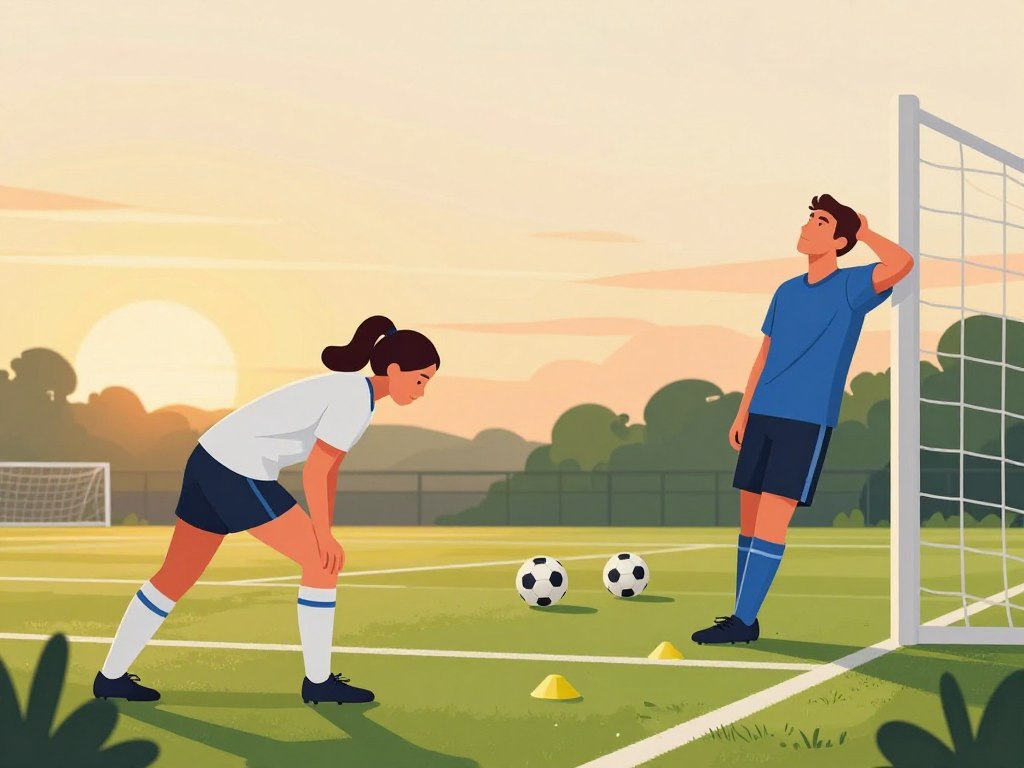
Essential Techniques: Light Jogging, Stretching, and Rehydration
Next, move to static stretching. Your body is still warm, allowing for deeper, safer stretches. Focus on the muscles you used most.
Hold each stretch for a full 30 seconds. Quads, hamstrings, calves—don’t rush it. This directly reduces next-day tightness.
Rehydrate throughout this entire process. Sip water consistently. This, along with eating the best recovery foods for soccer players, fuels the repair process.
| Activity | Chaotic Finish | Structured Routine |
|---|---|---|
| First Action | Immediate Stop & Sit | Light Jogging/Walking |
| Muscle Care | No Stretching | Focused Static Stretches |
| Hydration | Deferred Drinking | Continuous Sipping |
| Mental Focus | Mind on Next Task | Mindful Body Transition |
| Result for Players | Delayed Recovery | Faster Bounce-Back |
For players and coaches, consistency here matters more than a perfect training session. A shortened version still beats doing nothing at all.
Elevating Performance with the importance of cool downs in soccer
The real shift in my performance came when I stopped viewing the minutes after a match as downtime. I started treating them as a critical part of my regimen. This mindset change directly impacted how my body felt days later.
Boosting Flexibility and Reducing Muscle Soreness
After intense exercise, tiny microtears form in your muscle fibers. That’s normal. How you handle the next 48 hours defines your soreness level.
A proper post-game routine increases blood flow to those areas. It flushes out waste and speeds up nutrient delivery for repair. This is a core recovery mechanism.
Your muscles stay warm for a short window after you finish. This is your prime flexibility moment. Stretching now lets you reach ranges impossible when cold.
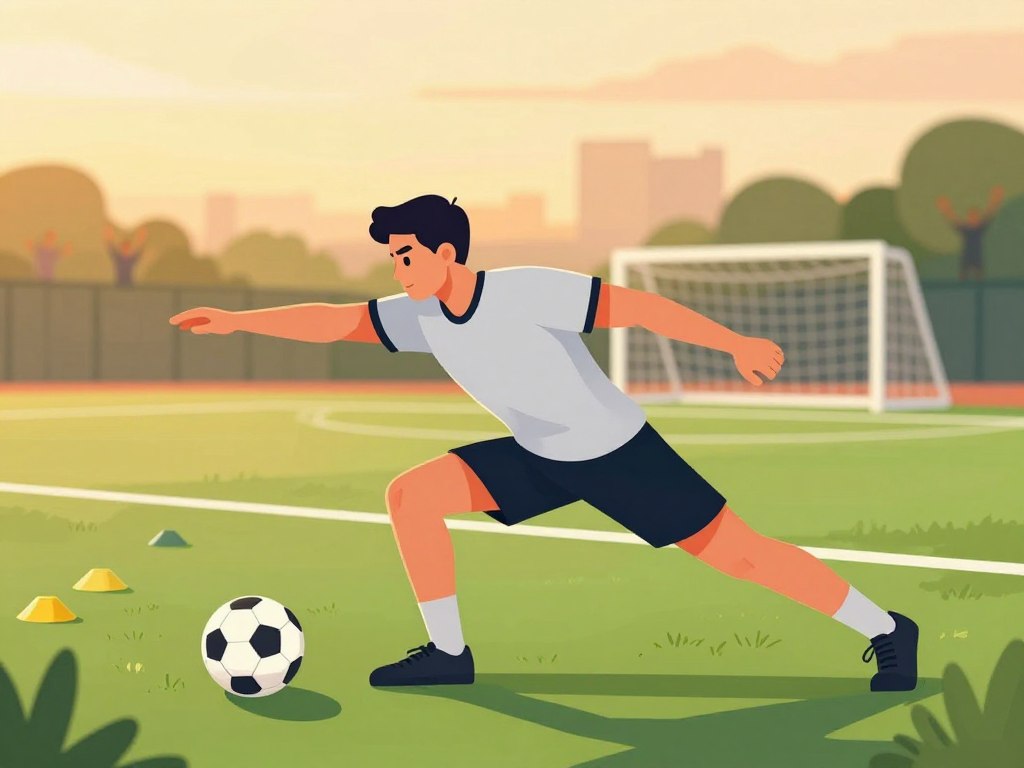
Over time, this consistent practice builds real flexibility. For soccer athletes, that means better protection during explosive moves.
Integration in Training and Game Day Practices
The mental benefits surprised me. After a high-intensity match, your mind is still racing. A structured routine helps transition from an adrenaline state back to calm.
Make this practice non-negotiable during training sessions. Start with lower-intensity drills so the habit becomes automatic. Athletes who are consistent report less residual tightness week to week.
The cumulative effect over months is what truly elevates your recovery and readiness. One session won’t change everything, but a season of them will.
Conclusion
Your most powerful tool for longevity in this sport isn’t found in a gym. It’s found in the ten minutes after you stop playing. That small, consistent habit separates those who struggle from those who thrive.
Coaches, this is part of your job. Programming a warm-up but skipping the finish is only half the work. Players, your body is your primary piece of equipment. Treat it with the respect this routine provides.
The science is clear. The exercise is simple. Start tonight. After your next game or training, commit to one slow lap. Let your heart rate settle. Give your muscles that time to release.
Notice how you feel tomorrow. I’m confident you’ll experience the difference. Soccer demands a lot, but smart recovery doesn’t have to be complicated. It just has to happen.