
Did you know the iconic six-second count for keepers is officially changing? Starting with the 2025-26 season, the IFAB is replacing it with an eight-second rule.
I still remember the heavy silence of a packed stadium, ball in hand. The weight of that countdown pressed against my focus every single time.
Ever wondered how a specific number shapes your mental approach to the match? It forces a delicate balance between tactical delay and the referee’s watchful eye.
As the laws evolve, I reflect on how these constraints define our internal rhythm. Every moment holding possession felt like an eternity, yet the call was rare.
This created a strange psychological gap between the law and reality. Understanding this shift isn’t just about the clock. It’s about how you maintain composure when pressure intensifies.
Key Takeaways
- The IFAB is changing the keeper’s time limit from six to eight seconds starting in the 2025-26 season.
- This rule profoundly shapes a player’s internal clock and decision-making under pressure.
- There is often a significant gap between the written law and its real-world enforcement by officials.
- Mastering this aspect of the game is less about counting and more about cultivating mental composure.
- The upcoming change invites players and coaches to rethink strategies for tactical delay.
- Developing personal awareness during these high-stakes moments can transform your performance.
- Understanding the psychology behind this element offers a distinct competitive edge.
Emerging Rule Changes Impacting Goalkeeping Strategies
I’ve seen many adjustments to the laws, but the upcoming tweak to possession time feels particularly significant. Starting in the 2025-26 season, the International Football Association Board (IFAB) will introduce an eight-second count for goalkeepers. This replaces the familiar six-second limit that has been part of the game for years.
Transitioning from Six to Eight Seconds
The shift from six to eight seconds is more than just extra time. It’s a response to a long-standing issue. The previous punishment—an indirect free kick inside the penalty area—was often seen as too severe.
Referees were reluctant to call it, creating inconsistency. The new penalty awards a corner kick instead. This aims to balance fairness with maintaining game flow.
| Aspect | Old Rule (Pre-2025) | New Rule (2025-26 Season) |
|---|---|---|
| Time Limit | Six seconds | Eight seconds |
| Penalty for Violation | Indirect free kick in the penalty area | Corner kick awarded to the opposing team |
| Primary Goal | Prevent excessive delay | Improve enforceability and game continuity |
| Expected Impact | Often avoided by officials | More consistent application across matches |
Implications for Game Flow and Fairness
I believe this change is a necessary evolution. By switching to a corner, the authorities hope to reduce stoppages. This keeps the match moving while still penalizing those who hold the ball too long.
You should note that the adjustment is designed for better enforcement. It ensures all teams are held to the same standard. This clarity can transform how keepers manage pressure during critical moments.
Mental Dynamics Behind the goalkeeper 6 second rule
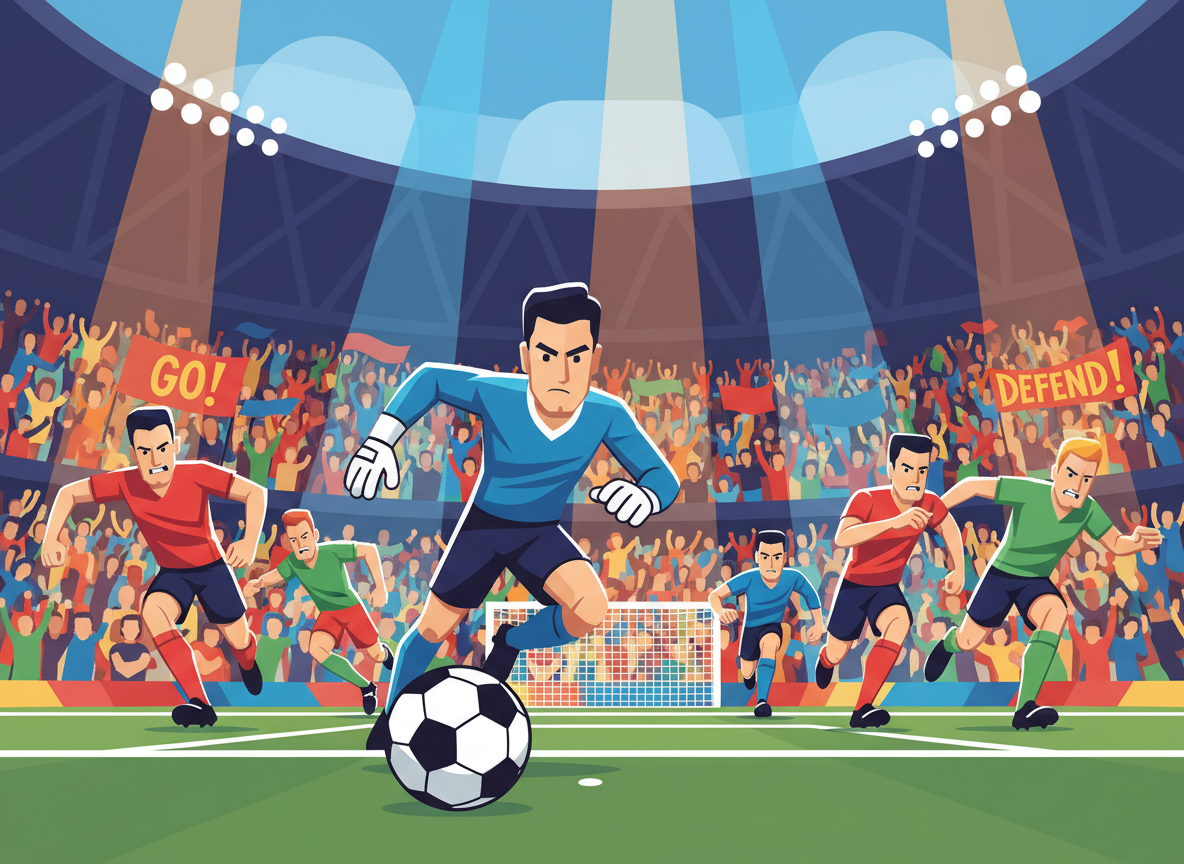
I often think about the silent countdown that plays out in a keeper’s mind, far from the referee’s whistle. Watching someone like Jordan Pickford, you see a master at work. He would hold onto the ball, expertly managing the tempo to disrupt the opponent’s rhythm.
Psychological Pressure and Focus on the Field
The pressure was a constant hum in the background. Even when the official rarely called it, you felt the weight of that limit. Your focus must remain razor-sharp during those moments.
The mental game becomes just as demanding as any physical save. It’s about maintaining composure when everyone is waiting for your next move.
Preparing for the Countdown: Visual Cues and Nerves
Preparing for this requires a unique concentration. You become hyper-aware of visual cues—the referee’s position, the movement of forwards. Knowing you’re being watched adds a layer of tension.
It’s fascinating how a simple guideline can dictate a player’s entire mental state. A routine act of holding onto the ball transforms into a high-stakes tactical decision. That internal battle defines so much of the game from the back.
Tactical Adjustments in Modern Football
This adjustment isn’t just about the keeper; it’s a ripple effect that touches every player on the pitch. I’ve seen how a simple time shift can rewrite entire game plans. Controlling the ball becomes a strategic puzzle.
Revised Distribution Strategies for Goalkeepers
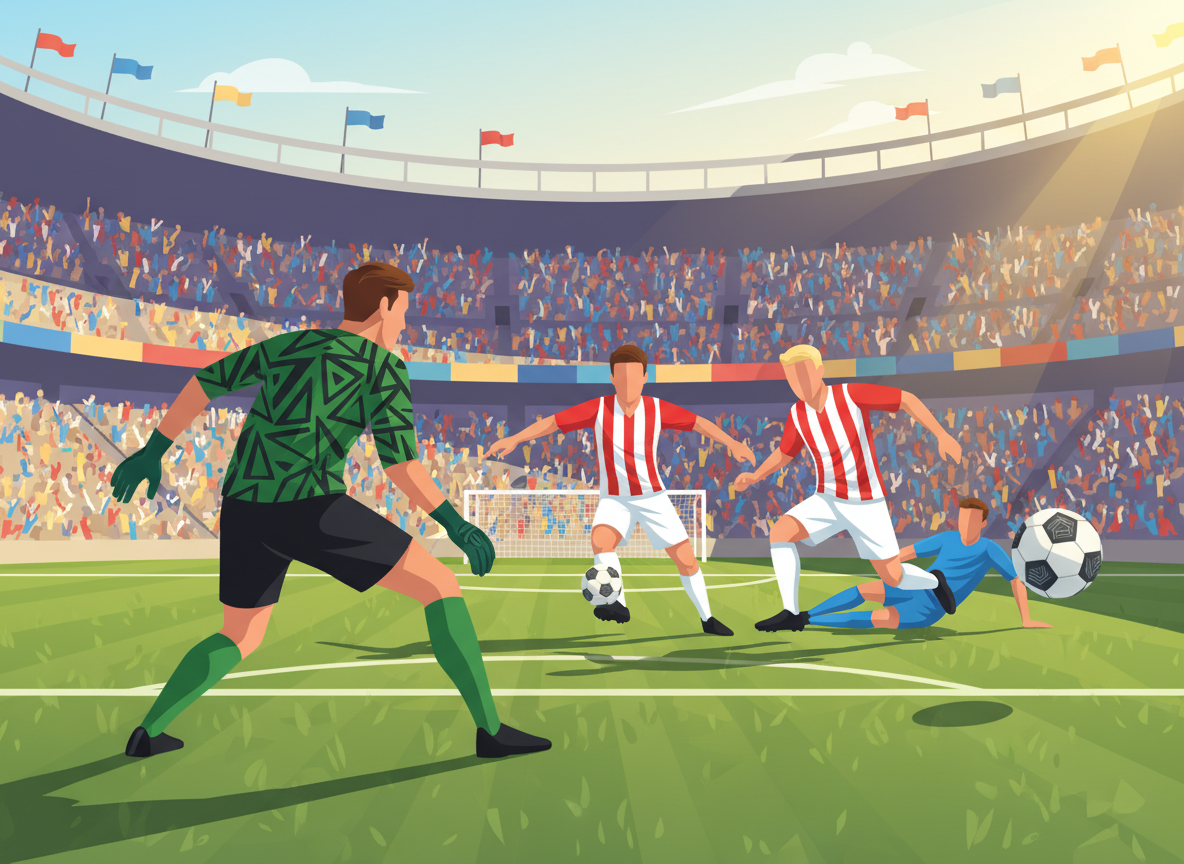
With eight seconds to work, the focus shifts to quality over hesitation. I remember teams that lost momentum from poor clearance. Now, every hold of the ball must have purpose.
Failing to release it risks conceding corners. Given the low but real goal probability from these kicks, that’s a risk you must manage.
Impact on Team Pressing and Coordinated Movements
High-pressing sides will love this change. They can now orchestrate pressure with more precision, knowing the clock is ticking. Your midfielders and defenders must create immediate passing options.
This forces a more connected style of play. Every player becomes aware of the count, supporting quicker transitions.
| Match Metric | Average Statistic | Tactical Implication |
|---|---|---|
| Corners Conceded per Match | 5.4 | More set-piece defense required |
| Goal Probability from Crossed Corner | 2.2% | Each corner carries real scoring threat |
| Additional Time for Distribution | +2 seconds | Opportunity for more deliberate build-up |
Seeing these numbers, you understand the impact. The number of corners you face can swing a game. Your team’s coordination during these moments defines the match.
Referee Enforcement and VAR Adaptations
The clarity brought by a referee’s raised hand changes everything for a player holding the ball. I appreciate that officials are now empowered to make consistent decisions, moving away from the old ambiguity.
The Role of Visual Countdown and Referee Hand Signals
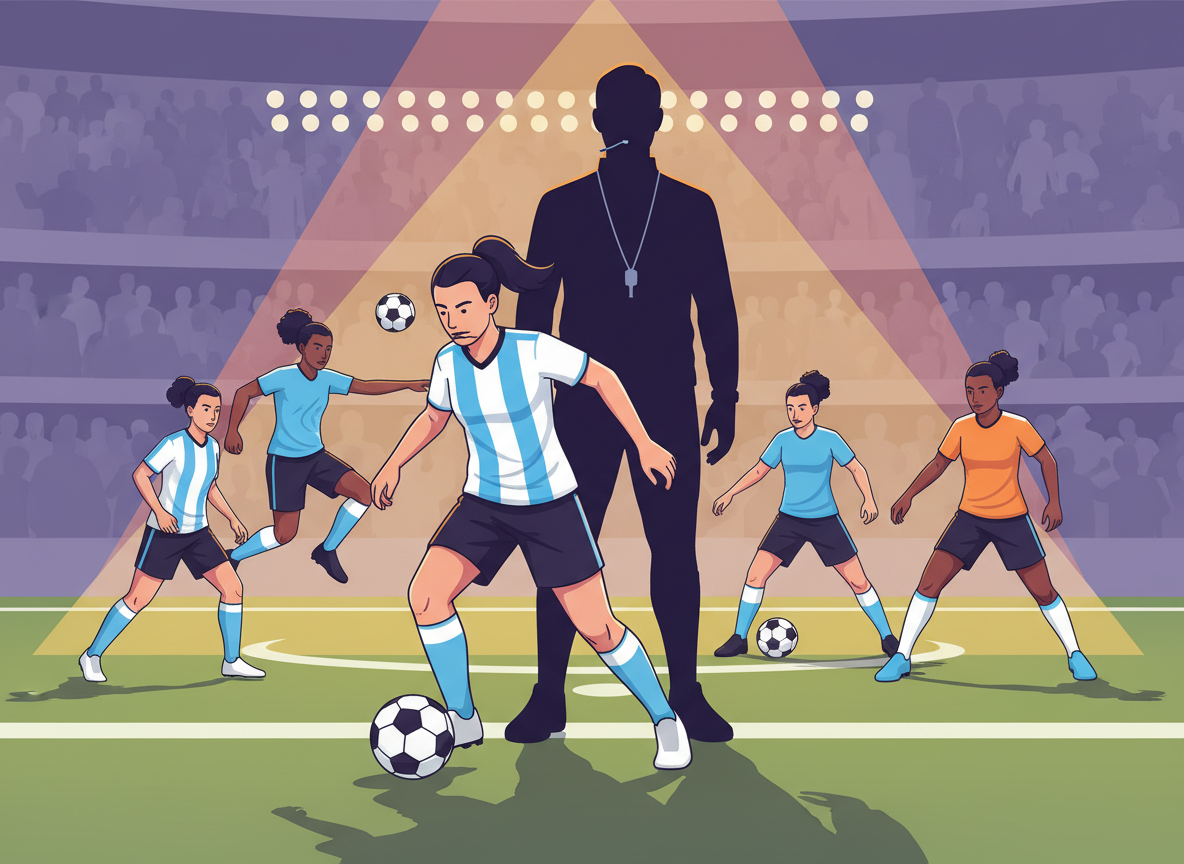
Now, the referee will provide a clear visual countdown by raising a hand to signal the final five seconds. This ensures the player knows exactly when the action must occur.
It removes the guesswork, allowing focus on distribution rather than subjective officiating. The standardized signal is a game-changer for on-field communication.
Lessons from Trial Matches and VAR Implementation
Pierluigi Collina, head of FIFA referees, confirmed these new laws were successfully tested. The purpose was 100% achieved during trials, improving overall match tempo.
This reflects a broader effort to modernize the laws of the game, ensuring every action is transparent and fair. The Video Assistant Referee system supports this push for clarity in critical decisions.
Expert Insights and Real-World Examples
A single incident in a major tournament can illuminate the entire purpose of a rule change. The real test for any new law happens on the pitch, not in the meeting room.
I find it fascinating to look at the data from the initial trials.
Perspectives from Premier League Trials and International Matches
Tests were run in Premier League 2, Malta, and Italy. The goal was clear: see how the game adapted to a new reality.
You can see the Premier League was proactive. Their coaches and players studied these games closely. They understood the punishment for holding onto the ball was now a real, tangible threat.
The most telling stat? Across over 400 trial matches, officials awarded only three corners for violations. That tiny number proves players adjusted their play incredibly fast.
Analysis of Key Incidents and Player Adaptation
The FIFA Club World Cup provided a global stage. During the 2025 edition, Yassine Bounou was penalized for exceeding the eight-second limit.
This wasn’t just a call in a minor league game. It was a high-profile moment watched by the world. It showed everyone the countdown and the referee’s raised hand signal work.
Incidents like that, though rare, are powerful. They send a message to every team. The law is active, and adapting your timing isn’t optional—it’s essential for controlling the match.
Conclusion
As the new season approaches, I’m reminded that the most significant changes often happen between the ears, not on the stopwatch. The clarity of the referee’s signal transforms a moment of guesswork into one you can manage.
You’ll find this helps the entire game flow better. The aim was never to create more set-pieces, but to reduce frustrating delays and keep the ball moving.
For every player, especially the last line of defense, this is a chance to showcase composure. It turns a potential punishment into a demonstration of tactical awareness. Learning to stay confident during this specific action is now a key part of the mental match.
It’s an exciting evolution. I look forward to seeing how this sharper focus on time and awareness continues to shape our beautiful game.