
I have watched countless players shell out for a top-tier sphere, only to see it peel or leak within months. Implementing these soccer ball maintenance tips early on ensures your equipment survives more than one grueling season… and it is truly an avoidable tragedy when gear fails too soon.
You might think your gear is indestructible, but the right care keeps its performance high for several years. Consistency is the secret sauce to making sure you stay ready for any game without having to replace your equipment every few weeks.
Ever wonder why some equipment looks fresh after hundreds of hours while yours looks worn out? This information reveals that the difference isn’t just luck—it is about habits that protect your investment from the elements and heavy use.
These simple practices become second nature once you understand the why behind them. Small changes in how you handle your gear will save you money and keep you sharp for many years to come.
Key Takeaways
- Clear mud and debris with a damp cloth after every session to protect the surface.
- Maintain correct air pressure to prevent bladder strain and ensure a true flight.
- Avoid using harsh chemicals that can degrade the outer synthetic skin.
- Store your gear in a cool, dry place away from direct sunlight or freezing temperatures.
- Never sit or stand on your equipment as it causes permanent warping and loss of shape.
Why Proper Soccer Ball Maintenance Matters
I’ve seen $150 professional brands of equipment turned into backyard junk in just a few months because the player ignored basic care. It is a heartbreaking sight for any fan of the beautiful game. When you treat your equipment with respect, a high-quality soccer ball can actually last for years.
Neglect it, however, and you might find yourself buying a replacement before the season even ends. Consistency is the secret sauce here. If you want to play like a pro, you have to treat your tools like a pro would.
Performance Impact on Your Game
A well-kept ball reacts predictably to your touches. This allows you to develop muscle memory and refine your technique over years. If the shape is true, your passes will go exactly where you aim them.
Here is what most people don’t realize: a damaged sphere trains your feet incorrectly. It might bounce at odd angles or feel heavy off the laces. You end up building bad habits that are incredibly hard to break later on the pitch.
Cost Savings Over Time
Quality equipment is a significant investment for any athlete. I have watched players replace their gear every few months, spending hundreds of dollars. This happens simply because they left their gear in a hot car or out in the rain.
Proper maintenance is an obvious financial win. Spending a few minutes on cleaning saves you from buying a new one every season. It is much better to invest that money into better cleats or training sessions over time.
Understanding Ball Construction and Durability
Modern soccer gear is surprisingly complex. It involves an outer casing for touch, an internal lining for shape, and a bladder for air. Each layer is vulnerable to specific conditions like extreme heat or abrasive surfaces.
Using the right cleaning products helps maintain these layers without damaging the synthetic materials. Understanding how these parts work together helps you appreciate the ball more. For example, the bladder holds air pressure while the outer casing provides the touch for various soccer skills.
When you maintain the performance of the materials, the sphere stays spherical. This prevents the “wobble” that ruins long-distance shots. A round, balanced sphere is your best friend during a high-stakes match.
| Feature | Neglected Equipment | Maintained Equipment |
|---|---|---|
| Shape Retention | Warps and becomes egg-shaped | Stays perfectly spherical |
| Surface Texture | Cracks and loses grip | Remains supple and tacky |
| Expected Lifespan | 3 to 6 months | 2 to 4 seasons |
| Air Pressure | Leaks constantly | Holds steady pressure |
How to Clean Your Soccer Ball Properly
I’ve seen countless players toss a muddy ball into their trunk, only to find the casing peeling weeks later. It breaks my heart because the right care soccer enthusiasts provide can double the life of your equipment. Keeping your gear in top shape doesn’t require a chemistry degree, just a little bit of discipline.
Post-Game Cleaning Routine
Most players think maintenance is a seasonal chore, but it is actually a daily habit. Right after practice, I take 30 seconds to give my gear a quick inspection. This simple act keeps the ball in top shape for years.
Whether you are a pro or just learning what size soccer ball do adults, keeping it clean is vital. This prevents debris from embedding into the synthetic panels. Think of it as the same automatic process as hanging up your jersey after a hard match.
Removing Excess Dirt and Grime with a Wet Cloth
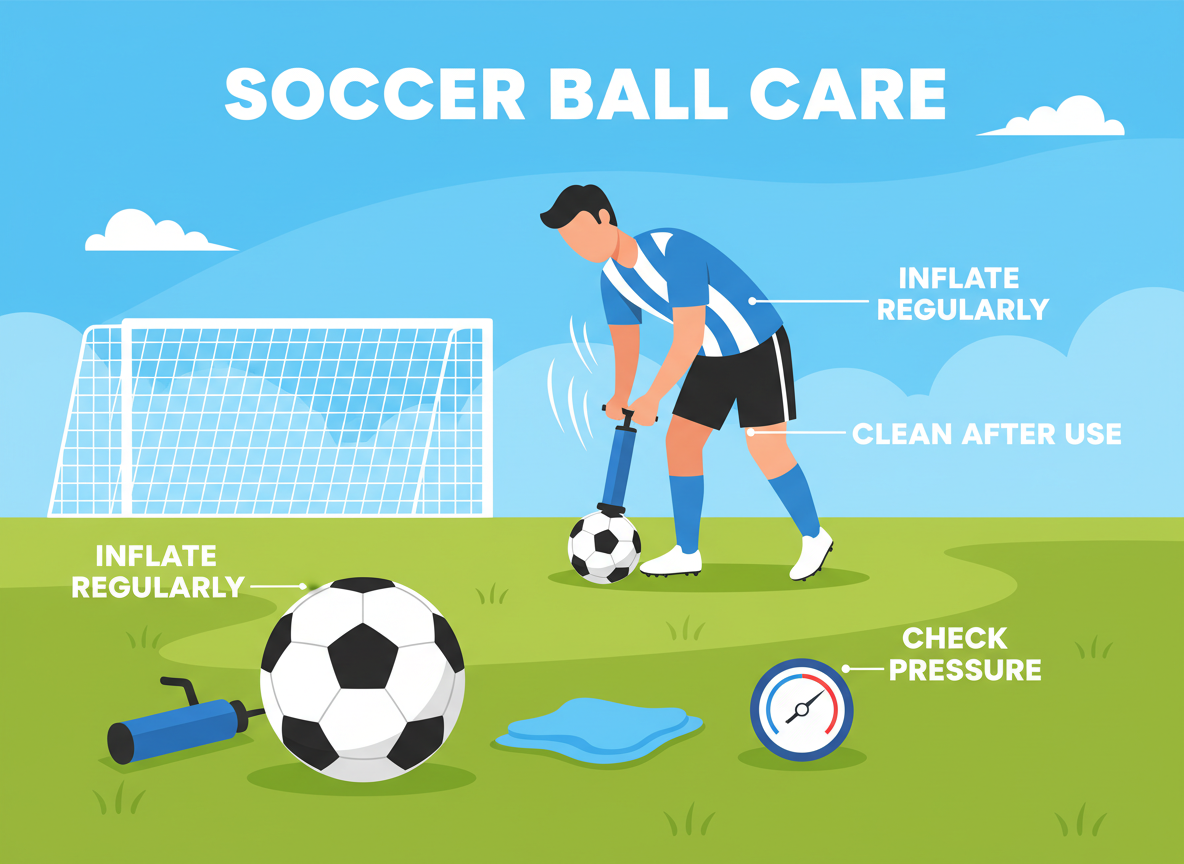
The easiest way to revitalize your soccer ball is by using a simple damp cloth. You want to wipe down the surface to remove any grass stains or loose soil. I usually carry a microfiber towel in my bag just for this purpose because it picks up dirt without scratching the outer casing.
After you play, simply dampen the cloth and run it over the panels. It is a simple procedure that will make the ball more durable. You don’t need it to look pristine; you just need it to perform consistently without grime affecting your grip.
What Products to Use and Avoid
Here is the part where many people go wrong by reaching for the kitchen dish soap. Harsh chemicals like bleach or household detergents actually break down the synthetic materials and adhesives. Over time, these aggressive products will cause the panels to separate and the casing to deteriorate.
Stick to plain water or specialized leather cleaners designed for sporting goods. I have seen players scrub their gear with heavy chemicals thinking they are doing a favor, only to ruin the texture. Use only fresh water for routine maintenance to keep the materials supple and strong.
| Cleaning Agent | Recommended? | Effect on Ball |
|---|---|---|
| Plain Water | Yes | Safe for all materials |
| Leather Cleaner | Yes | Preserves ball texture |
| Dish Soap | No | Dries out synthetic casing |
| Bleach | No | Destroys adhesives and color |
Dealing with Stubborn Stains
Sometimes a simple wipe doesn’t cut it, especially if you play in particularly muddy conditions. If you find ground-in dirt, let it dry first so you can brush off the bulk of it. Then, use a slightly wetter cloth and apply gentle circular motions to lift the residue.
Never scrub aggressively, as this can damage the textured soccer surface that helps with ball control. Getting this information right is key to ensuring your equipment performs at its peak. After all, you bought your ball to be used on the pitch, not to sit in a garage covered in filth!
Mastering Proper Inflation Techniques
I’ve seen many players ruin great gear because they didn’t understand the simple physics of air pressure. Most people think you just pump until the shell feels hard, but that is a recipe for a dead bladder. If you want your soccer ball to last for years, you must treat the inflation process with precision and care.
Reading the Recommended Pressure on Your Ball
Look at your ball right now—somewhere on the surface, usually near the valve, you’ll find the manufacturer’s recommended pressure printed. This usually ranges from 8.5 to 15.6 psi depending on the ball type and its intended use. This number isn’t just a suggestion; it is the exact level where the design delivers its best performance.
Deviating from this psi limit literally changes how the ball behaves with every single touch. When I was younger, I ignored these numbers and wondered why my shots felt inconsistent. Make sure you respect these markings to ensure the bladder maintains its intended shape and bounce.
Choosing Quality Pumps and Needles
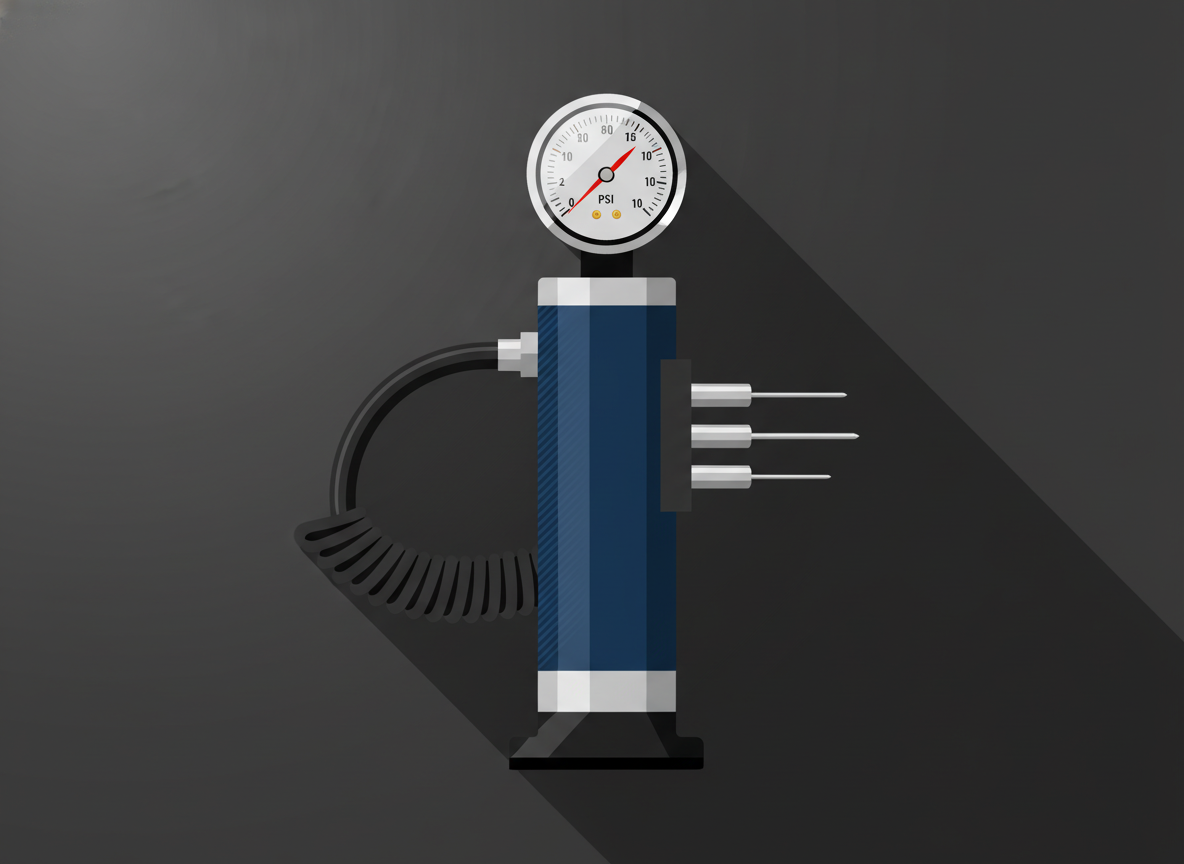
I cannot stress this enough: investing in a quality pump with a built-in pressure gauge is non-negotiable. A cheap plastic pump without a gauge forces you to guess the psi, which often leads to mistakes. Quality tools last for years and protect your investment in high-end equipment.
Always use a smooth, clean needle to avoid catching the internal seal. If you use a rusty or bent needle, you risk permanent damage to the valve. Professional gear helps you maintain a consistent level of play every time you step onto the pitch.
Applying Valve Oil Before Inserting the Needle
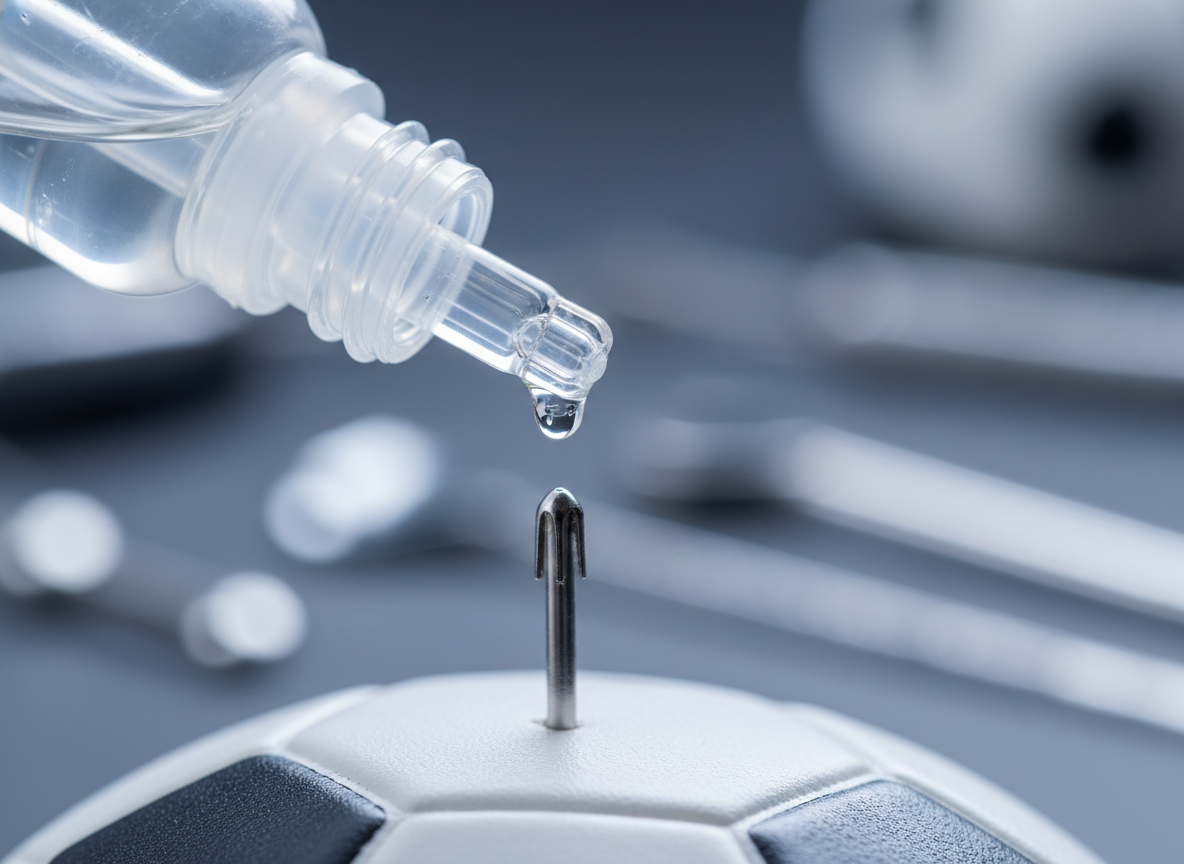
The valve is the most vulnerable part of your ball’s air retention system. Before you even think about inserting a needle, apply a drop of valve oil or silicone spray. This lubricant creates a seal and prevents the needle from tearing the delicate rubber mechanism inside.
Dry insertions create micro-tears in the valve seal that compound over time. This damage leads to slow leaks that eventually make the soccer ball impossible to keep inflated. A tiny bit of oil today saves you the cost of a new ball tomorrow.
If you don’t have specialized valve oil, even a little mineral oil works in a pinch. The goal is to let the needle slide in without any friction. Make sure the oil covers the entire tip before you proceed with the air inflation.
Step-by-Step Inflation Process
Start by applying a drop of oil to your needle. Insert it straight into the valve opening—never at an angle, as this can snap the needle or puncture the bladder. Once it is secure, begin to use the pump with slow, steady strokes while watching the gauge.
Stop pumping exactly when you reach the recommended pressure shown on the casing. If you accidentally go over the limit, use the release valve on the pump to let some air out. When you know your equipment is perfect, you can focus on how to stay confident in soccer to dominate your next match.
Recognizing Over and Under-Inflation
Over-inflation stresses the bladder and can cause the soccer gear to feel rock-hard. This makes the ball unpredictable and causes it to move too fast for proper control development. You don’t want to play with a “cannonball” that hurts your feet upon impact.
Under-inflation makes the ball feel sluggish and dead. It absorbs energy instead of transferring it, which ruins your shooting power and passing accuracy. Check the pressure before every practice to keep the psi at the perfect sweet spot for your game.
Choosing the Right Playing Surface
I’ve seen high-end match balls ruined in minutes simply because they were kicked on the wrong terrain. The ground you play on determines if your gear lasts for seasons or just a few days. Using a professional soccer ball on pavement is like driving a luxury sports car off-road; it might move, but you are destroying it with every single mile.
Every surface has a unique texture that reacts differently with the outer casing of your equipment. To keep your gear in top shape, you must match the equipment to the environment. Understanding these differences is the best way to ensure your investment doesn’t go to waste.
Soccer Balls on Grass and Turf
Standard soccer balls are engineered specifically for grass and artificial turf. These areas provide natural cushioning that absorbs impact and minimizes external wear. Natural grass is the most forgiving, as it offers the least amount of friction against the panels.
Artificial turf is slightly more abrasive than real blades but is still designed with ball interaction in mind. It won’t shred the outer layers of the ball like stone or concrete will. If you play mainly on these surfaces, your equipment can easily last for several years of regular play.
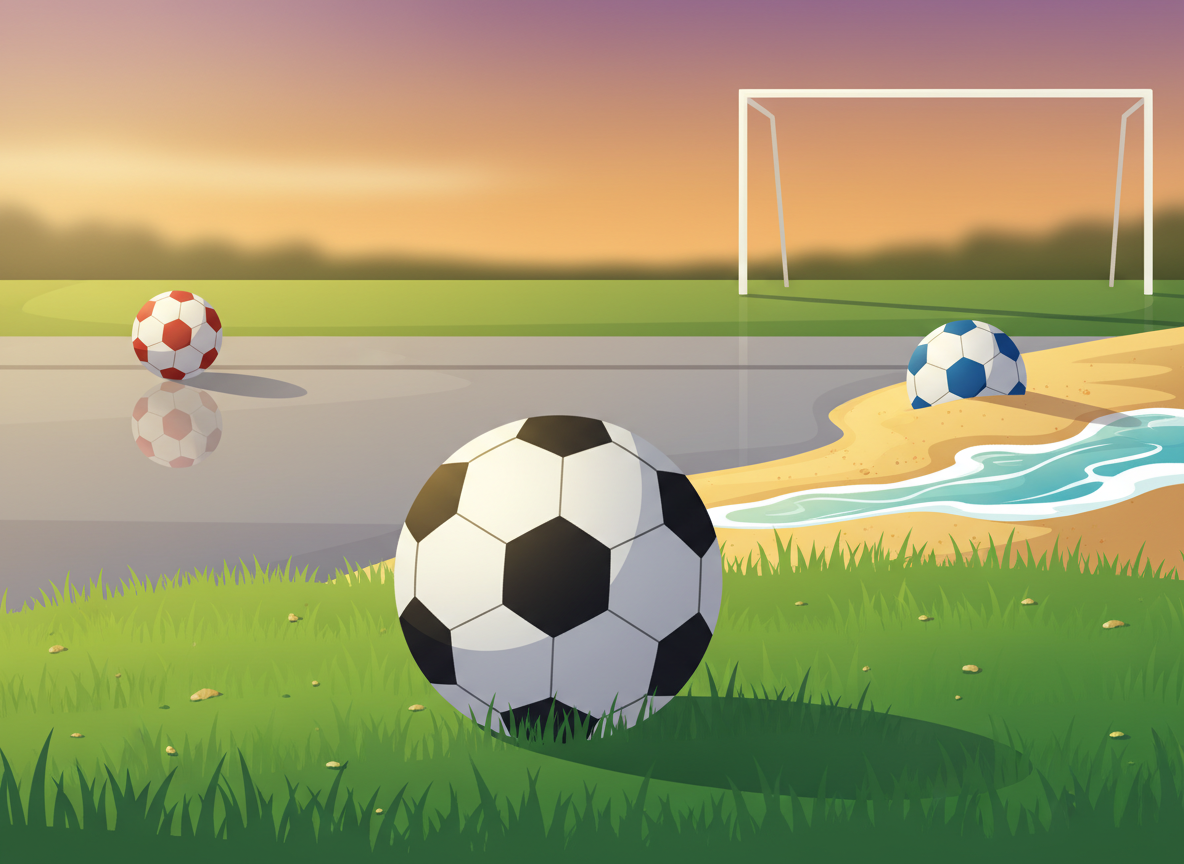
Futsal Balls for Indoor Hard Surfaces
If your game moves indoors, you need to switch your gear immediately. Futsal balls feature a different construction with a heavy bladder to reduce bounce on hard gym floors. Using a regular soccer ball indoors creates too much speed and compromises the longevity of the stitching.
Indoor surfaces are often made of synthetic flooring or polished wood. While these aren’t as rough as the street, the high-speed friction still generates heat. Futsal-specific balls handle these conditions much better than their outdoor cousins.
Avoiding Abrasive Surfaces Like Concrete and Asphalt
I’ve watched an entire team equipment budget get blown because players used expensive match equipment on concrete during warm-ups. Abrasive surfaces like asphalt act like sandpaper on the outer shell of the ball. The constant friction wears down the casing at an accelerated rate, creating rough patches within weeks.
This deep scratching doesn’t just look bad; it actually alters the shape and aerodynamics of the ball. Once the underlying layers are exposed, the bladder is at high risk of popping. If your team must practice on the street, always use a specialized street ball designed for high-impact durability.
When to Use Different Ball Types
The smartest strategy for any athlete is to maintain a “quiver” of equipment for different scenarios. Keep your high-quality match soccer gear exclusively for grass or turf matches. For solo practice on harder surfaces, invest in an inexpensive training version that can handle the abuse.
This approach ensures your primary equipment stays pristine for years. You can see the clear differences in how each environment affects your gear in the comparison below.
| Surface Type | Recommended Ball | Primary Benefit |
|---|---|---|
| Natural Grass | Match Ball | Maximum Longevity |
| Artificial Turf | Training/Match | Low Friction |
| Concrete/Asphalt | Street/Rubber Ball | Abrasion Resistance |
| Indoor Gym | Futsal Ball | Controlled Bounce |
By respecting the surface, you respect the craft of the sport. Choosing the right soccer balls for each environment is a sign of a knowledgeable player. Protect your gear, and it will perform for you when the whistle blows.
Soccer Ball Maintenance Tips for Proper Storage
Have you ever wondered why some balls last for years while others warp after just one season? Many players toss their gear in the garage without a second thought. I have seen expensive equipment ruined simply because it was left in the wrong place.
Unless you are at a club, you probably keep your gear at home. Most people use a garage or a porch. These spots do not protect your equipment from rain or heat. Proper storage is the secret to making your equipment last.
How to Deflate Your Ball for Long-Term Storage
If you are not playing for weeks or months, let your equipment rest. I recommend deflating the ball to about 50% of its normal pressure. This gives the internal bladder and the outer shell a break from tension.
Use a pro-grade pump and an oiled needle to release the air slowly. You do not want it completely flat. Keep just enough inside to maintain the basic shape. This care soccer ball step can add years to its functional life.
Protecting Your Ball from Weather Conditions
Extreme conditions are the true enemy of your gear. High heat can actually melt the adhesives that hold the panels together. This causes the soccer ball to lose its shape or peel.
Cold conditions are just as bad. Freezing temperatures make the bladder brittle and more likely to leak. Moisture from rain or humidity can also damage the outer casing over time.
Best Storage Locations and Practices
I found that a cool, dry closet is much better than a damp shed. I store my balls away from direct sunlight to prevent the colors from fading. This simple choice has kept my gear game-ready for many years.
Never store your balls in a cramped space where other heavy items press against them. Constant pressure from one side can create permanent flat spots. Even a pro player cannot fix a lopsided ball once the shell is warped.
Maintaining Air Pressure During Storage
Following these soccer tips will save you money over time. While active players do not need to deflate every day, long-term care is vital. This information helps you avoid buying a new soccer ball every single season.
Good soccer habits start with how you treat your gear when it is not in use. A little bit of care soccer ball maintenance pays off. You will notice the difference in how the ball feels during your next big game.
| Storage Location | Climate Impact | Longevity Rating | Recommendation |
|---|---|---|---|
| Garage | High Temperature Shifts | Low | Avoid |
| Indoor Closet | Stable and Dry | High | Best Choice |
| Outdoor Shed | Humidity and Dampness | Moderate | Use Sealable Bag |
| Car Trunk | Extreme Heat/Cold | Very Low | Never Use |
Damaging Behaviors to Avoid
You might think your gear is invincible, but certain habits are silent killers for its lifespan. Even with the best cleaning routine, one bad habit can undo all your hard work. I have spent decades watching how players treat their equipment, and the results are often heartbreaking.
It is easy to get caught up in the heat of training or the exhaustion of a match. However, the way you treat your equipment during your “off” moments defines how long it lasts. Let’s look at the behaviors that turn a pro-level sphere into a backyard relic.
Never Stand or Sit on Your Soccer Ball
I have seen it a thousand times during water breaks. A tired player casually plops down on their soccer ball like it is a cushioned stool. While it might feel convenient, you are actually crushing the very soul of your equipment.
Standing or sitting applies a type of force that the construction was never designed to handle. This behavior leads to a permanently warped shape. Once the internal bladder is compressed this way, it may never return to a perfect sphere again.
You end up with an oblong ball that wobbles when you try to pass it. No one wants to play a serious game with a piece of equipment that rolls like a literal egg. Avoid using it as furniture to ensure it stays in top condition for years.
Limiting Wall Practice to Prevent Damage
Solo practice is a fantastic path to mastery, and using a wall is a classic training technique. It helps you develop those quick touches and sharp reflexes that set elite soccer talent apart. However, there is a hidden cost to this repetition.
Kicking a ball forcefully against a flat, unyielding wall over and over creates localized stress. The repetitive force at the same angle can cause severe damage to the panels and stitching. Over time, these sessions will distort the shape of the casing.
If you love solo drills, consider using a dedicated practice ball for these sessions. This allows you to keep your primary match balls pristine for actual competition. You could also invest in a rebounder net to reduce the harshness of the impact.
Understanding Impact Pressure vs. Sustained Pressure
Why can a ball survive a 70-mph strike but fail when you sit on it? It all comes down to the science of pressure and how it is distributed. When you kick it, the impact is brief and the energy disperses quickly across the surface.
Sitting, however, provides sustained, concentrated weight that the internal structure cannot fight back against. I have learned that even a few minutes of sitting causes more damage than hundreds of kicks. Proper care means respecting the engineering behind the craft.
| Behavior | Type of Force | Long-Term Impact |
|---|---|---|
| Power Kicking | Brief Impact | Normal wear and tear |
| Sitting/Standing | Sustained Weight | Warped internal structure |
| Wall Drills | Repetitive Hard Impact | Stitching stress and flat spots |
Protecting your gear ensures it remains a reliable partner on the soccer pitch. Treat your equipment with respect, and it will reward you with years of consistent performance. Remember, every time you choose a real seat over your gear, you are extending its life.
Conclusion
Implementing these soccer ball maintenance tips doesn’t require a professional staff or expensive tools. These are straightforward practices any of you players can start using during your very next training session. When you invest just a few minutes after each game to clean your ball, you are protecting an investment that lasts for years.
This simple care directly impacts your performance on the field. I’ve shared this information because I’ve seen how the right gear habits separate a great team from the rest. The difference between balls that last and those that fail isn’t the brands you buy, but the pro level of care you provide.
Think about the collective hours you spend with your soccer equipment over many days and weeks. It makes sense to treat this ball with respect instead of placing new orders every few months. Your ball should be a reliable partner in every soccer match you play.
Whether you have a high-end model in your cart or an old favorite in your bag, commit to these tips. This content represents years of experience designed to keep your game consistent and your soccer skills sharp. Great gear should last for many years if you follow the right steps.
Maintaining your ball ensures that your touch and control remain predictable during training. I want you to avoid the frustration of using balls that have lost their shape. Help your team by keeping the soccer gear in top condition so everyone can focus on their skills.
By using this information daily, you ensure your ball stays ready for action for years. This content is your guide to getting the most out of your ball every single one of these days. Spend the hours on your development rather than worrying about your equipment.