
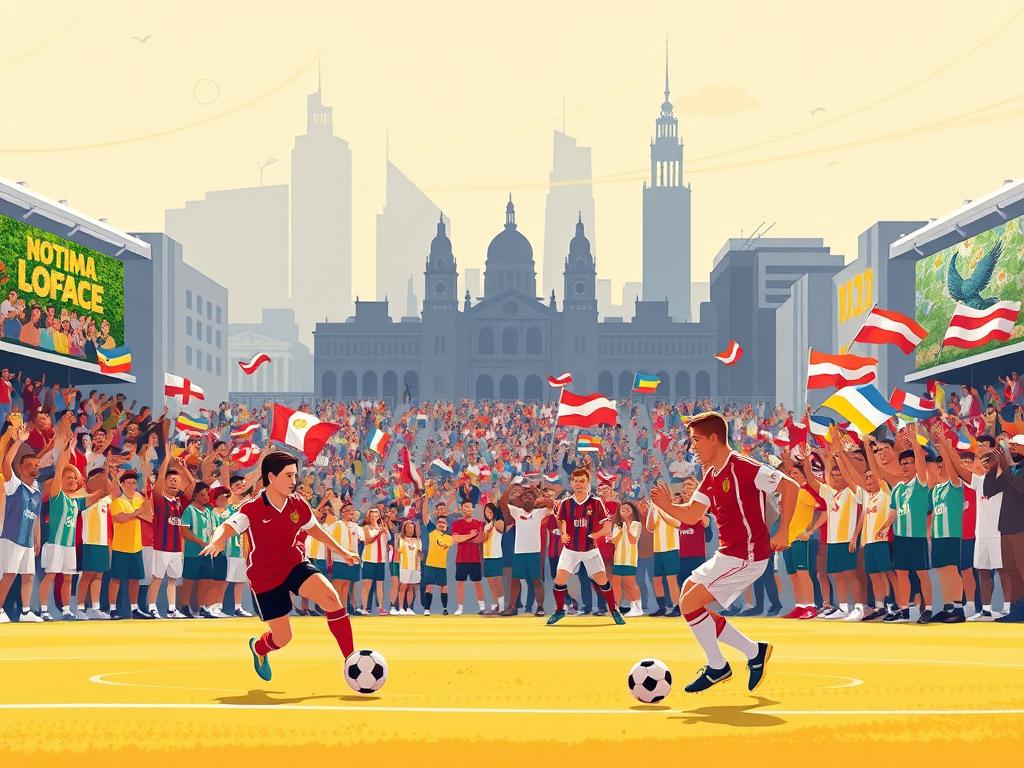
I still remember the hush before a World Cup penalty kick; that pause shows how soccer’s role in national identity can grip whole societies. Fans hold breath, flags rise, and a match becomes a public memory that outlasts the final whistle.
Across the world, big tournaments concentrate attention and turn routine fixtures into shared moments. Major events like the FIFA World Cup and continental cups let countries test what they stand for, and governing bodies often shape those stories with rules and symbols.
We will move from global patterns to focused cases, including Italy’s heated moments, and then look at hard data so you can trust the findings. Along the way, I’ll show how teams and small identity cues influence fans’ choices and why some games become lasting milestones while others fade.
To learn about my background and why I care about these stories, see who I am.
Key Takeaways
- Major tournaments turn matches into collective memory.
- Soccer acts as a mirror for society and political symbolism.
- Governing bodies and events shape national narratives.
- Case studies and data will link moments to measurable effects.
- Small identity cues can sway large groups of people.
How global politics, tournaments, and governing bodies shape national identity through soccer
When FIFA suspends a nation, the pitch becomes a stage for political legitimacy. That happened on Feb. 28, 2022, when FIFA banned Russian teams. The send-off shows how a governing body can decide who appears on the world stage.
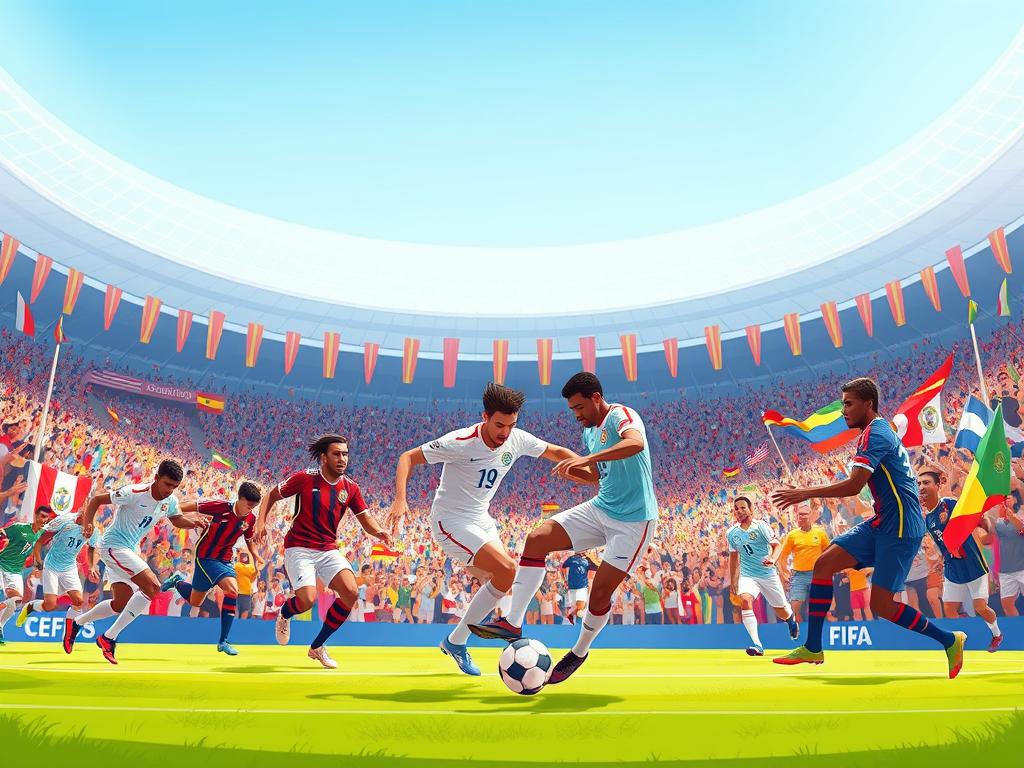
Small choices turn matches into statements. Ukraine printing Crimea on a Euro jersey made territory visible during a match. The 1969 El Salvador–Honduras qualifiers showed how a qualifying tie can amplify simmering conflict.
“Sportswashing” is simple to explain: a country uses tournaments to burnish its image while critics point to rights issues. Qatar 2022 is the clearest recent example. Ownership links matter too — the Emir’s stake in PSG shaped fan debate and even club-level pressure around players and Champions League results.
| Action | Example | Political effect | Year |
|---|---|---|---|
| Ban by governing body | Russian suspension | Signals illegitimacy | 2022 |
| Kit messaging | Ukraine jersey | Territorial claim visible | 2020 |
| Multi-hosting | US–Mexico–Canada | Shared pride, split costs | 2026 |
Governments weigh attention and cost before bidding. For fans, those calculations shape which teams you watch and which players get global spotlight.
Italy as a living case study: unity, memory, and regional divides
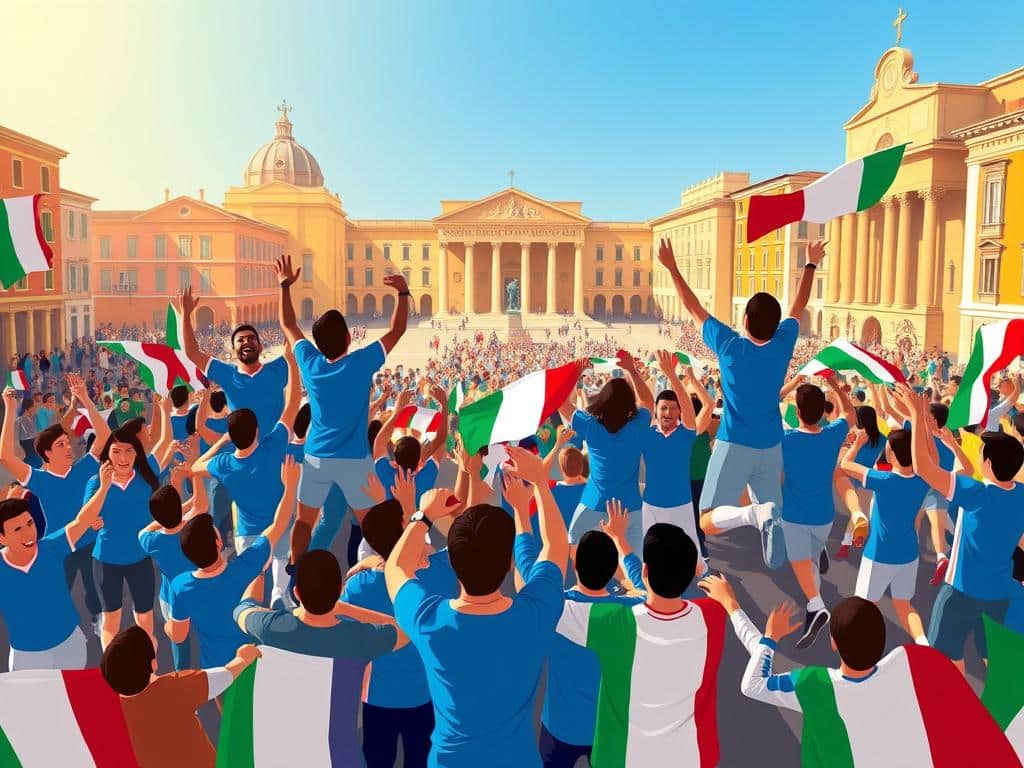
Streets filled with flags after 1982 — that year the game stopped Italy and rewrote daily life. Balconies became flagpoles. Squares swelled. The 1982 world cup final drew about 32 million viewers on Italian TV. That number still echoes.
La Nazionale as a cultural glue: 1982 celebrations, shared symbols, and mass viewership
For a few hours, the national team made politics quiet. People from different parties watched the same match. Fans chanted together. The team became a common place for pride.
When identity fractures: regionalism, ultras politics, and anthem controversies
Unity frayed over the next years. Booing rose in Verona and Florence. In 1985 Verona’s curva taunted Napoli. Parma saw violent clashes in 1991. Milan hosted mass nationalist rallies in 1993. Anthem debates followed. Some players did not sing, and that question became a test of loyalty.
- Thousands flagged Milan in 1993, pushing a stitched pride.
- Right-wing groups trailed the team, sparking fights (Milan vs. Scotland, 2005).
- Banners insulted southerners, turning some matches into social flashpoints.
La Nazionale is still glue and mirror. It holds collective memory and reveals the fractures of modern society and country.
What the data says about soccer’s role in national identity
Big tests and tiny labels both flip how fans decide who to back. A Forza Football experiment sampled over 400,000 fans across 35 countries. That size lets us trust the numbers as a solid fact.
Experimental evidence: nationality primes increase in-group support among fans
Showing nationality nudged in-group voting up by 3.6%. That is clear and repeatable. It means a small cue boosts support across the world.
Club identity’s weaker pull and the backlash effect after player transfers
Displaying club hardly moved aggregate votes. Fans default to club thinking, so a club label often blends into the background.
Transfers trigger a stronger reaction. Reminding fans that a former in-group player now wears a rival badge cut support by 6.1%. Think Mohamed Salah leaving AS Roma for Liverpool.
From ballots to behavior: applying social identity theory beyond the field
These shifts matter off the field. Small nudges change votes, jersey sales, and matchday noise. A Belgian fan, for example, will back Kevin De Bruyne more when nationality is visible, despite club rivalries.
- Scale: 400,000+ fans, 35 countries — robust sample.
- Mechanism: nationality +3.6%; club ~0% aggregate.
- Backlash: transfers −6.1% for former home supporters.
| Measure | Effect | Example |
|---|---|---|
| Nationality cue | +3.6% | De Bruyne, Belgian fans |
| Club cue | ~0% | Mixed club loyalties |
| Transfer reminder | −6.1% | Salah after Roma → Liverpool |
Practical takeaway: labels change behavior fast. Teams, brands, and fans can use that fact for smarter ballots, campaigns, and matchday moves.
The United States lens: rivalry, representation, and shared stages
When the USMNT faces Mexico, history and migration meet on the pitch. That match often becomes a recurring check on how people here see the team. Pressure jumps when games happen in Mexico City; place and time matter.
The USWNT proved how sustained success draws attention beyond sports. Their $24 million equal pay settlement with U.S. Soccer shows how on-field wins can shift policy. That outcome changed talk around fairness for a whole country.
What to watch and why it matters
- Rivalry matches shape headlines and locker-room narratives for months.
- Co-hosting the 2026 world cup will mix crowds and blur borders; fans in multiple cities get a front-row seat.
- Academic voices, like associate professor Paul Alonso and colleagues, link these moments to broader cultural shifts.
| Moment | Effect | Example |
|---|---|---|
| USMNT vs Mexico | Regional pressure rises | Mexico City crowds amplify stakes |
| USWNT settlement | Policy and public debate | $24 million equal pay agreement |
| 2026 co-hosting | Shared stages, mixed crowds | Venues like Atlanta under consideration |
Watch the next match like an analyst. Notice chants, broadcast framing, and player backstories. Those small signals tell you how a team becomes part of daily talk and local pride.
Conclusion
Every match is a tiny stage where flags, chants, and choices tell a larger story. That story links fans, players, and teams to a larger sense of national identity.
The fact matters: simple cues change behavior—nationality nudges boost support by 3.6%, and club reminders can cut backing by 6.1%. Italy’s 1982 peak and later fractures show pride and split loyalties can coexist.
Governance decisions—sanctions, hosting plans, and how the World Cup is staged—shape what people see and feel. Co-hosting 2026 will test whether multiple countries can share a stage and still spark strong place-based pride.
Next game, watch the badges, chants, and camera lines. They are small parts of a bigger question about who we are and how sport helps answer it.