
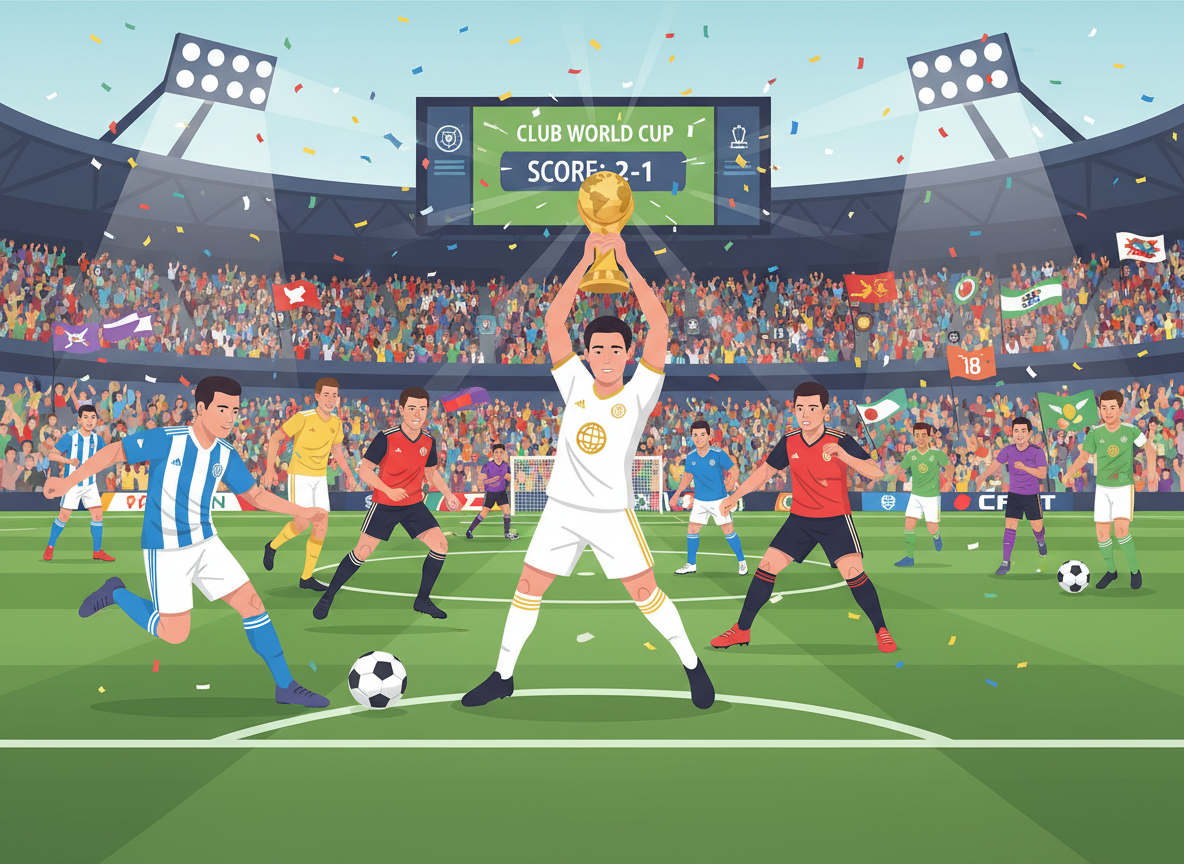
What if the most prestigious trophy in global football started as an experiment few believed would last? I still remember when the idea of a true world champion seemed like a dream.
The journey began in Brazil back in 2000. That’s when the first FIFA Club World Championship crowned Corinthians as its pioneer champion. It was a bold new chapter.
Look at the landscape now. Real Madrid stands alone with a record five titles. Their dominance tells a story of tactical evolution and sheer will.
I often reflect on this transformation. It’s more than just a list of names. It’s a chronicle of how the game’s mental and strategic peaks are conquered. You can feel the weight of history in every final.
Key Takeaways
- The tournament began in 2000 with Corinthians winning the inaugural event in Brazil.
- Real Madrid holds the record for the most victories in the competition’s history.
- The FIFA Club World Cup has evolved from a novel idea into football’s ultimate club prize.
- Each champion team represents a unique story of tactical and psychological mastery.
- The competition’s format has changed to include top teams from every continent.
- Understanding this history provides insight into the global growth of the sport.
- The pursuit of this title defines eras and cements legendary legacies.
Overview of the Club World Cup Journey
I recall the early debates about its place in the calendar; now, its evolution is undeniable. This journey isn’t just a timeline. It’s a story of how football decided to crown a true global champion.
You can trace the ambition in every change. The competition has constantly adapted to fit the modern game.
Evolution of the Competition Format
The structure has been completely reshaped. It began as an annual event with just a handful of teams. The boldest shift comes in 2025.
That’s when it becomes a massive quadrennial spectacle. This new format ensures a more inclusive and dramatic global stage.
| Era | Frequency | Teams | Notable Shift |
|---|---|---|---|
| Inaugural (2000) | One-off | 8 | Launched as the FIFA Club World Championship |
| Annual Era (2005-2024) | Every Year | 7 | Established a consistent, intercontinental playoff |
| New Era (2025+) | Every 4 Years | 32 | Expanded to a full-scale, month-long tournament |
Defining Milestones in Global Club Football
Every milestone reflects growing ambition. The first tournament in 2000 was a statement of intent. It proved the concept had weight.
Later changes answered the demand for a true world test. Each adaptation aimed to challenge the very best. The goal was always to captivate fans everywhere.
Club World Cup’s Inauguration and Early Years
The year 2000 marked a bold experiment: bringing continental champions together on one stage for the first time. I remember thinking it was a fragile dream. Yet, the first FIFA Club World Championship in Brazil made it real.
The First Edition and Historic Moments
That inaugural event was a massive undertaking. You could feel the weight of history in São Paulo and Rio. Corinthians’ victory wasn’t just a win; it was a proof of concept for a global crown.
Challenges and Breaks in the Tournament Timeline
Then, everything stalled. The competition faced a sudden four-year break starting in 2001. The collapse of FIFA’s marketing partner, ISL, was the cause.
It was a difficult period. Every year the event was absent, fan hunger grew. The football world remained fiercely committed to this idea.
| Period | Key Event | Impact on the Competition |
|---|---|---|
| 2000 | First FIFA Club World Championship | Launched the global club tournament in Brazil. |
| 2001-2004 | Hiatus | No tournament due to ISL collapse; created uncertainty. |
| 2005 | Relaunch | The event returned as an annual fixture, solidified. |
This pause, ironically, strengthened the resolve to crown a true world champion. The stage was set for a dramatic return.
The Role of FIFA in Shaping Club Tournaments
The story of how FIFA shaped international club football is filled with bold ideas and stubborn persistence. I remember learning about the early doubts. Many thought a true global event was impossible.
FIFA’s Initial Proposal and Early Skepticism
Long before the modern era, visionaries pushed for change. In 1951, FIFA president Jules Rimet was asked about involvement in the Copa Rio. That was an early sign of ambition for a fifa club concept.
Then, in 1967, Stanley Rous proposed expanding the Intercontinental Cup. He wanted an all-confederations tournament. The idea faced political hurdles and skepticism across the world.
You can see how these early steps mattered. They laid the groundwork for today’s competition. The persistence of FIFA in organizing this fifa club event drove growth in international football.
| Year | Proposal | Key Figure | Outcome |
|---|---|---|---|
| 1951 | FIFA involvement in Copa Rio | Jules Rimet | Early discussion; no direct action |
| 1967 | Expand Intercontinental Cup to all confederations | Stanley Rous | Proposal noted; delayed for decades |
| 2000 | Launch FIFA Club World Championship | FIFA Leadership | First unified global tournament realized |
This journey shows how a fifa club vision became reality. The competition we see now honors those early dreams.
Historical Highlights and Record-Setting Finals
I still get chills thinking about the nights when history was written on the pitch. You can feel the weight of the moment in every pass and tackle. These matches define eras.
The intensity of a world cup final is truly unmatched. Look at the 2022 decider. Real Madrid and Al-Hilal combined for a breathtaking eight goals in a 5-3 thriller.
Showcase of Memorable Matches
That drama is what makes this tournament so special. I remember the 2025 cup final just as vividly. Chelsea’s commanding 3-0 victory over Paris Saint-Germain was a masterclass.
Every final serves as the ultimate showcase for global talent. It proves this competition is the pinnacle. You witness the highest skill level on the world stage.
The history of this tournament is built on such moments. They define legendary careers and create stories we share for years. That’s the power of a great final.
Transformation in Tournament Structure Over the Years
I often think about how the tournament’s heartbeat changed from a yearly pulse to a grand, four-year crescendo. This wasn’t a minor tweak. It was a complete reimagining of the competition’s entire rhythm.
From Annual Events to the 32-Team Expansion
The boldest shift arrived in 2025. The event moved from an annual fixture to a quadrennial spectacle. It also expanded dramatically to feature 32 teams from six confederations.
This new format is a game-changer. It redefines the competition by opening the door wider. More teams from across the world now have a direct path to the ultimate prize.
You can see the ambition. The schedule now mirrors the prestige of the international game. This elevates the entire tournament to a new level of global significance.
The inclusion of 32 teams promises a more diverse and unpredictable environment. It’s the most significant development in the history of this event. Fans are right to expect a thrilling new era.
Insights from the club world cup winners list
You can feel the weight of legacy when you scan the names of the teams who have lifted the trophy. I often sit with that simple column of victors. It tells you more than just who won; it reveals eras of dominance and moments of brilliance.
Record-Holding Clubs and Their Achievements
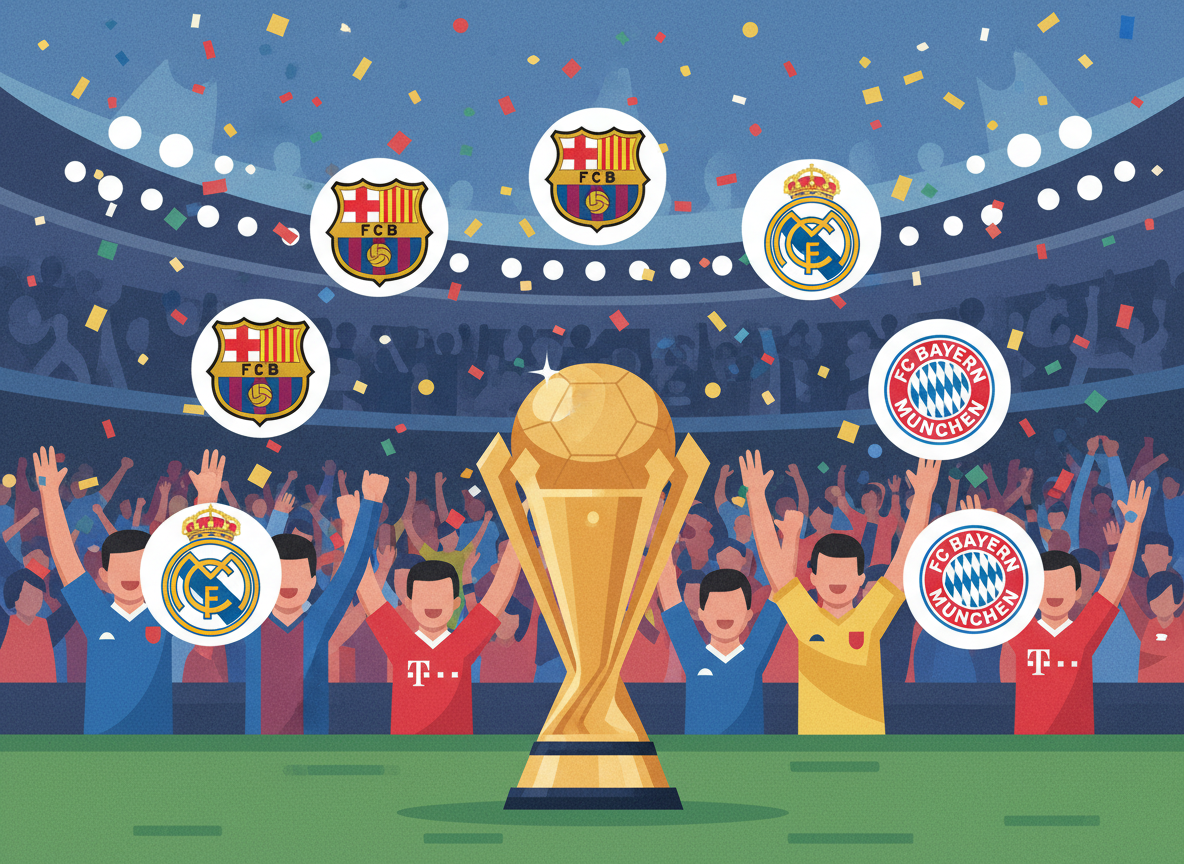
Real Madrid’s name appears five times on that list. That’s a staggering record of consistency at the highest level. I find it equally impressive that Barcelona has secured the honor three times.
These aren’t just numbers. They are testaments to sustained excellence and a deep understanding of the competition. When you see those clubs at the top, you recognize a pattern of tactical mastery.
Notable Performances in Finals
The finals themselves are where legends are cemented. You remember the sheer will displayed in those matches. It’s where tactical plans meet immense pressure.
The best sides find a way. Every entry on that list represents a year of dedication. Studying these champions teaches you about the sport’s evolving heart.
You see how the global game’s balance has shifted. Yet the pursuit of that ultimate title remains the same. The winners show us what it takes to be the best.
Real Madrid: The Dominant Force in Club History
I’ve always been fascinated by dynasties, and few in sport compare to the reign we’ve witnessed. When you look at the landscape of this competition, one name defines its modern era. Their presence alone reshapes the ambition of every other team.
An Analysis of Their Record Titles
Their five victories tell a story of sustained excellence. They claimed the trophy in 2014, 2016, 2017, 2018, and 2022. That’s an incredible run of success in less than a decade.
I admire their consistent winning mentality. Each title was treated as the ultimate priority. This mindset separates great sides from legendary ones.
You can see their record as a global benchmark. Other elite clubs measure themselves against this standard. It’s a testament to their deep understanding of the competition.
The legacy of Real Madrid is built on these titles. They prove what’s possible with the right blend of skill and will. For any fan, studying this period is a masterclass in dominance.
European Titans Versus South American Powerhouses
For me, the most compelling narratives have always emerged from the clash of continental giants. This rivalry forms the very soul of the event. You feel it in every tense moment of a decisive match.
I remember the 2000 final vividly. Corinthians defeating Vasco da Gama was a brutal, beautiful battle. It showcased the fierce nature of these continental duels for global supremacy.
That spirit continues today. Look at Manchester City’s 4-0 victory over Fluminense in 2023. It was another chapter in this enduring story between two footballing hemispheres.
Competitive Rivalries and Tactical Battles
Watching these champions face off is the ultimate test in this competition. It’s about tactical endurance and physical will. Each side brings a distinct philosophy to the pitch.
You notice how these two regions have dominated the history. They create a legacy of high-stakes matches. Every final becomes a masterclass in football strategy for the whole world to see.
For any fan, these battles offer a deep lesson. They show what it takes to conquer the globe and join the ranks of true champions.
Modern Expansion: The 2025 Tournament Revolution
Imagine a football revolution landing on American soil, reshaping the very idea of a global championship. The 2025 edition was that moment. It wasn’t just held in the United States; it featured a bold new format with 32 teams.
This shift felt monumental. I remember thinking how it would change the event’s rhythm and reach. You could sense the ambition in every detail.
Impact of the 32-Team Format on Global Representation
The expansion changed everything. More continents now have a direct path to the highest level. This format ensures the tournament truly reflects the global game.
You see a wider range of styles and stories. It’s no longer just the usual suspects. I believe this inclusivity is vital for the sport’s growth across the world.
Transforming the Fan Experience in the United States
Hosting in the United States was a masterstroke. It introduced the best teams to a massive new audience. The energy in American stadiums was electric.
This move does more than host a tournament. It builds a lasting legacy. You can feel soccer’s roots deepening here, creating a world-class experience for everyone.
Influence of the Club World Cup on U.S. Soccer Trends
I’ve been watching a subtle but powerful change take root in American stadiums and backyards. The presence of a major world cup on our soil did more than host games. It ignited a cultural spark for the sport of soccer.
Growing Interest in Soccer at Home
You can feel the momentum building. FIFA President Gianni Infantino has spoken about this very growth. He sees the U.S. embracing soccer like never before.
I have seen this excitement change how families engage with the game. Kids now dream of a clear path of glory, inspired by seeing the best compete here. This tournament provides that visible, aspirational ladder.
The influence is undeniable. It brings the highest level of the world game to our doorstep. This visibility fuels participation and passion, shaping the future of American soccer.
Lessons Learned from Tournament Expansions and Format Shifts
The decision to take a year off in 2024 taught me a valuable lesson about ambition. It wasn’t a sign of weakness, but a strategic pause. The goal was to build something truly monumental for the future.
That break showed the competition valued quality over constant repetition. You can’t just keep adding games year after year. Sometimes, you must step back to prepare for a giant leap forward.
Every expansion teaches us that a tournament must evolve to stay relevant. The 2025 edition, with its new 32-team format, is the perfect example. Learning from past shifts allows organizers to refine the entire experience.
| Era | Key Action | Core Lesson |
|---|---|---|
| Pre-2024 | Annual schedule | Consistency builds tradition, but can limit growth. |
| 2024 | Strategic hiatus | Quality preparation is more valuable than mere presence. |
| 2025 Onward | 32-team expansion | Inclusive innovation is key to long-term survival and prestige. |
These lessons are the blueprint for the future. They prove a successful competition must be willing to innovate. By adapting, the tournament secures its legacy as the ultimate standard-bearer.
Conclusion
As we close this chapter, the true weight of what these teams have accomplished comes into sharp focus. Looking back, I’m struck by how each group of winners has carved its own piece of football history.
I hope this journey has given you a deeper appreciation for that gleaming trophy. Securing the world cup title represents the ultimate, definitive test in football.
Every squad that raises it joins an exclusive circle of champions. They’ve proven themselves against the best the planet has to offer.
You now see why this is the dream that fuels every professional locker room. It’s the pinnacle, the proof of global mastery.
Moving forward, the legacy of these triumphs will light the way for the next generation. The quest to be called the best never ends; it only evolves.