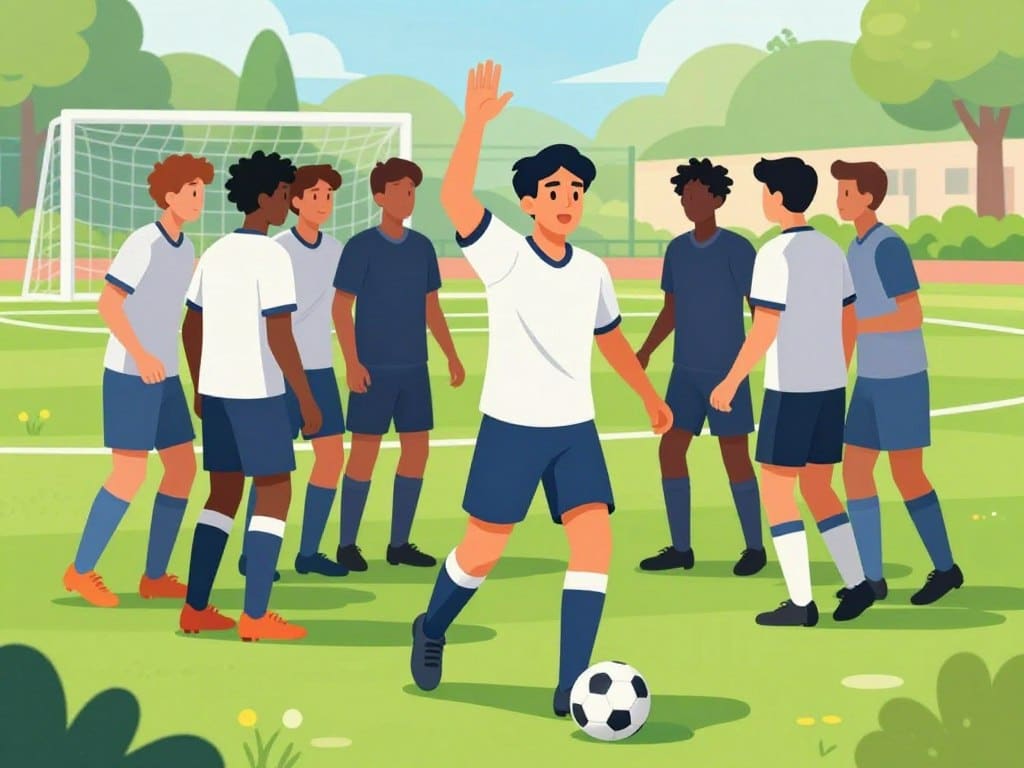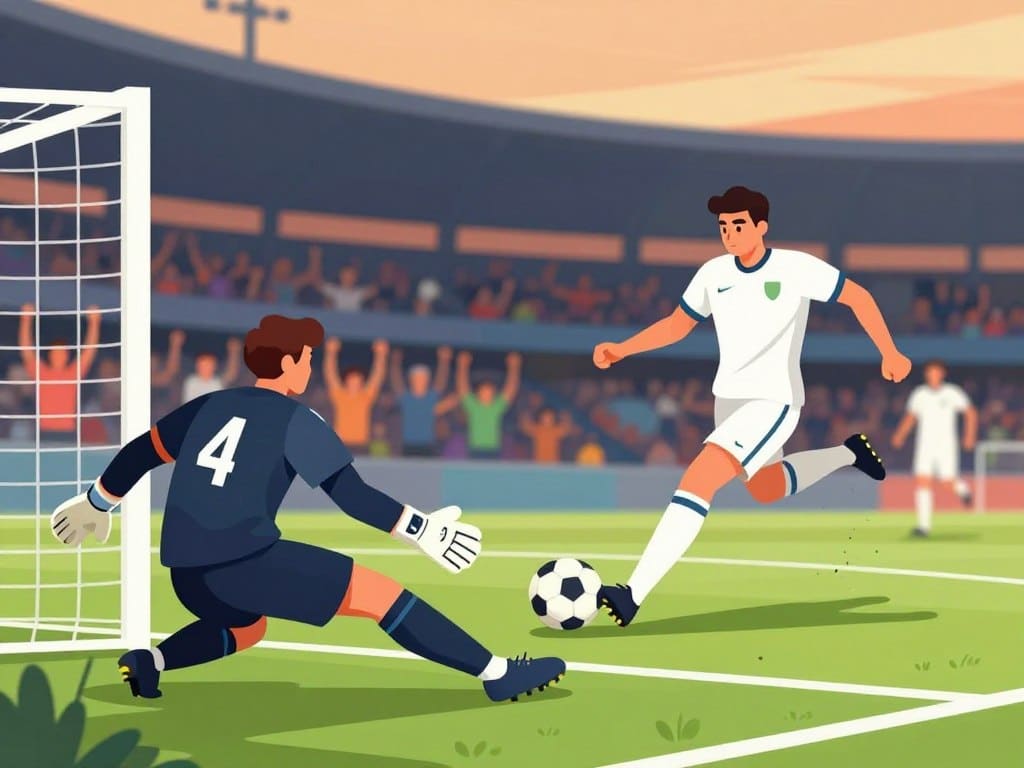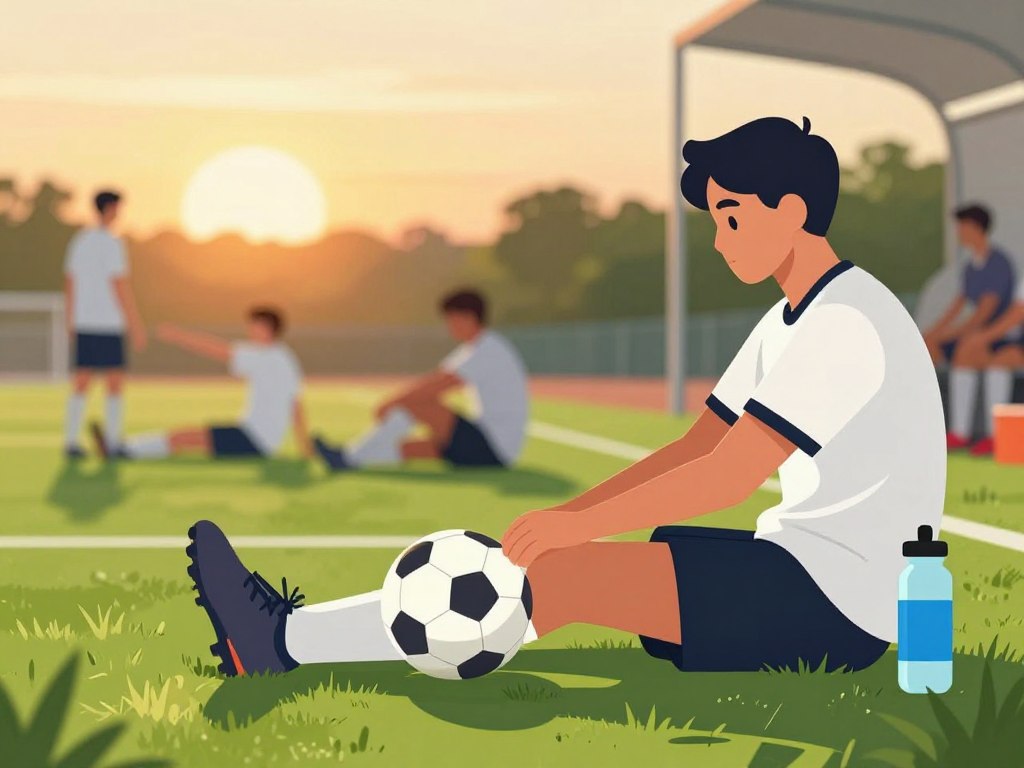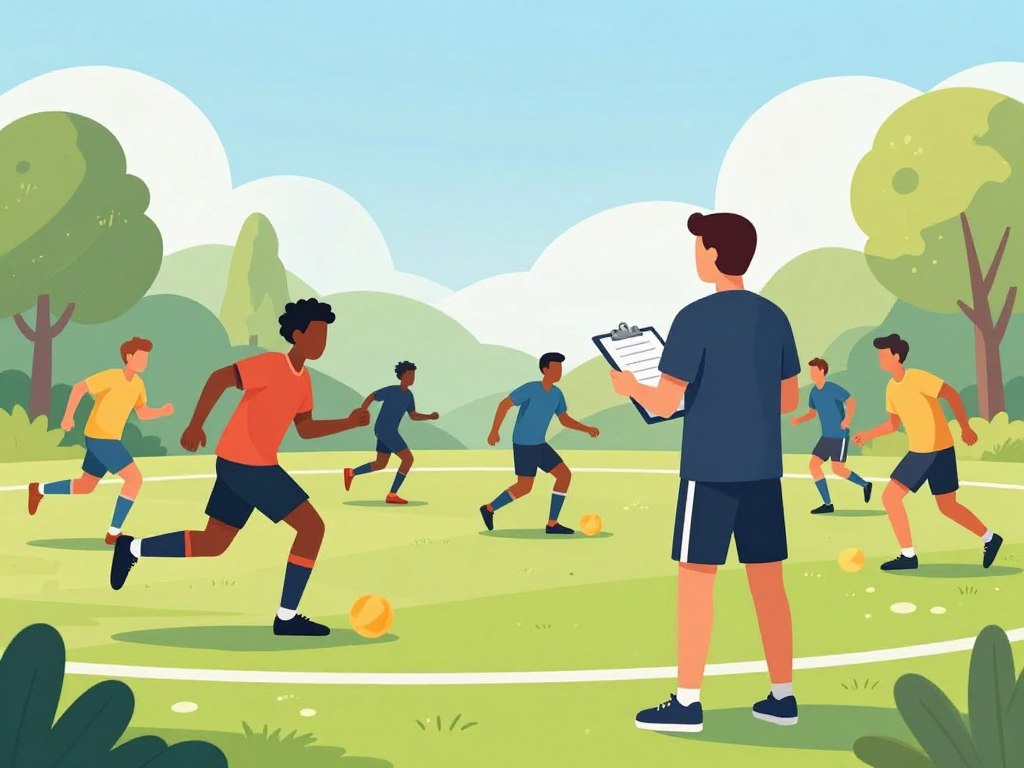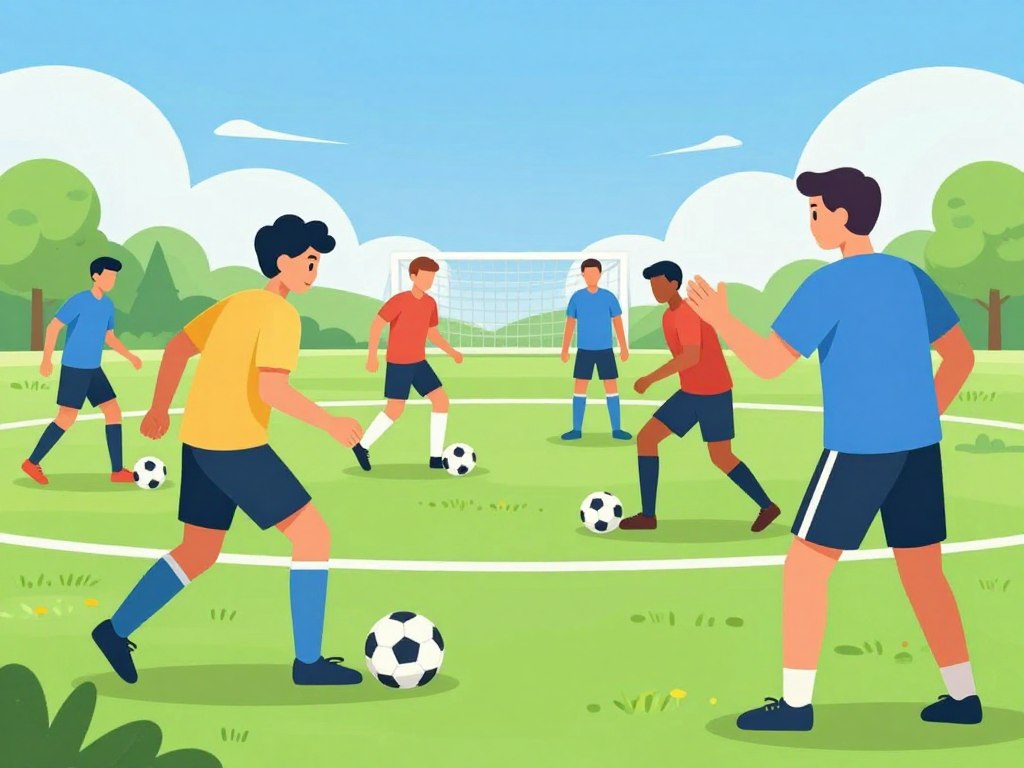

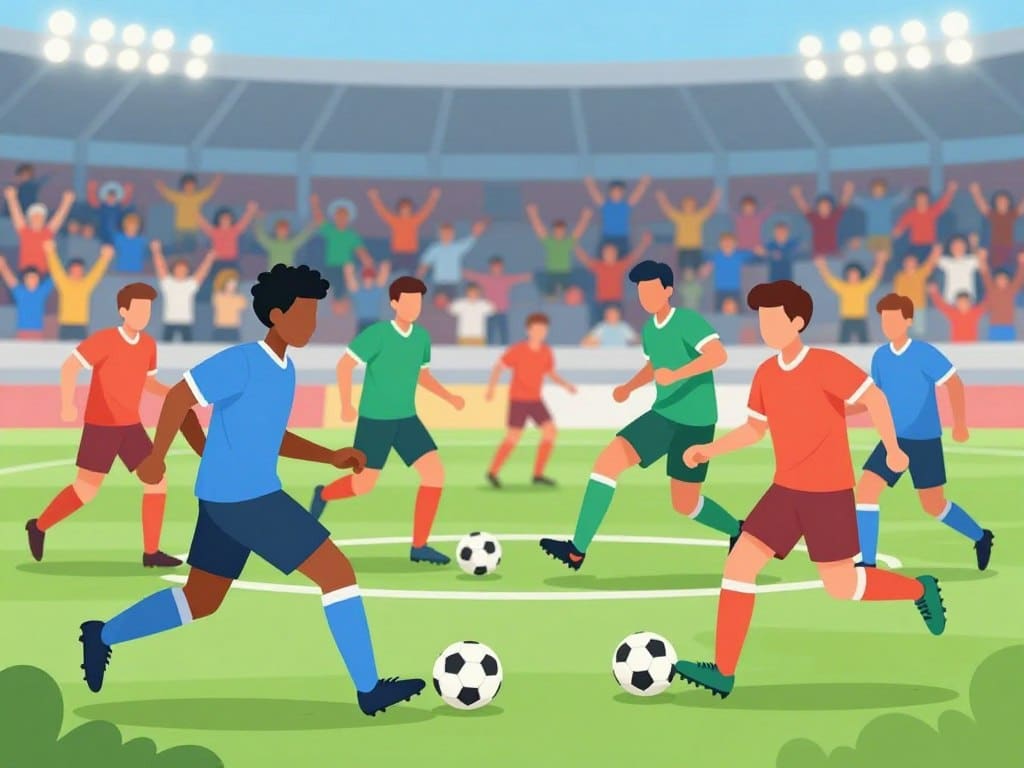
Ever wondered why two evenly matched teams end up decided by one split-second mistake?
I call that split-second gap the quiet advantage—the art of keeping attention on the next play instead of the scoreboard or a past error.
Pre-game nerves are normal: my heart races, breath shortens, muscles tighten. What separates good players is how they manage that spike and stay useful when the crowd gets loud.
Focus here means scanning, a sharp first touch, and quick decisions; it’s not about being emotionless. I remember one match when a lazy defensive step cost us a goal—after that I treated focus like a habit, not luck.
In this guide I’ll give pre-match habits, in-game reset tools, and simple training drills so focus becomes repeatable. If you want more on building mental toughness, see my practical notes at building mental toughness.
Key Takeaways
- Focus wins small margins: attention to the next job beats dwelling on errors.
- Manage nerves with simple routines and breath work.
- Use in-game resets to recover quickly after mistakes.
- Train decision speed with specific drills to boost performance.
- Make focus a habit so it shows up more often than luck.
Why Focus Wins Games When Skills Are Equal
A single lapse in attention can turn a tidy build-up into a giveaway in seconds. On the field that looks like ball-watching for two beats, losing your runner, or switching off on a throw-in.
What a lapse costs: a free cross, a late tackle, a missed switch. Those errors aren’t punished because of technique; they’re punished because the other side noticed first and exploited the gap.
What a lapse in focus actually costs
Rushed passes and second-guessing follow a mental slip. Players who overreact after a mistake often force risky dribbles and compound the problem.
How sharp concentration improves decisions, speed of play, and confidence
When you scan early, you receive cleaner and play quicker. The ball seems to slow because your mind is already one step ahead.
- Scan before the pass to create space for better decisions.
- Choose the simple option first to stabilize play; keep the risk for structured moments.
- Rack up small wins—clean clearances and good angles—to rebuild confidence fast.
| Situation | Lapse Outcome | Concentrated Outcome |
|---|---|---|
| Throw-in on halfway line | Opponent wins second ball, quick counter | Proper mark, safe pass, play retained |
| Turnover near box | Late tackle or conceded goal | Immediate cover, simple clearance |
| Attacking transition | Player isolates and forces risky dribble | Clean support, better decisions, shot or assist |
Know Your Distractions Before They Control You
Distractions arrive in small doses: a shout from the stands, a slick tackle, or a creeping doubt. I separate them into two clear buckets so you can act fast when the noise rises.
External triggers: what pulls your eyes away
Fans, sideline chatter, weather shifts, and phones are the usual culprits. They sneak in at dead-ball moments—throw-ins, corners, or when you argue a call.
Quick fix: label the interruption (crowd, ref, weather) and say a one-word cue to yourself—then look up and scan the field for the next open option.
Internal triggers: thoughts that hijack the mind
Anxiety and negative thoughts sound like scripts: “Don’t mess up” or “Coach is watching.” Those lines steal attention and make you play safe.
Use a short mantra—something like “Next ball” or “Scan and play”—to break the loop and return to the present.
Spot your focus triggers fast
- Signs: jaw tight, breath shallow, you stop scanning.
- Label it, then task it: name the feeling, then name your next job.
- Practice this in warm-ups so it works in any game situation.
| Type | Example | Immediate Response |
|---|---|---|
| External | Sideline noise | Label “noise”, scan, pass |
| Internal | Anxiety or doubt | Mantra “Next ball”, breathe |
| Condition | Wet pitch | Adjust touch, slow game down |
Mental Preparation That Starts Before You Arrive at the Field
What you do before you walk onto the field often decides how you play under pressure. A simple, repeatable routine signals your brain that it’s game time and reduces last-minute panic.
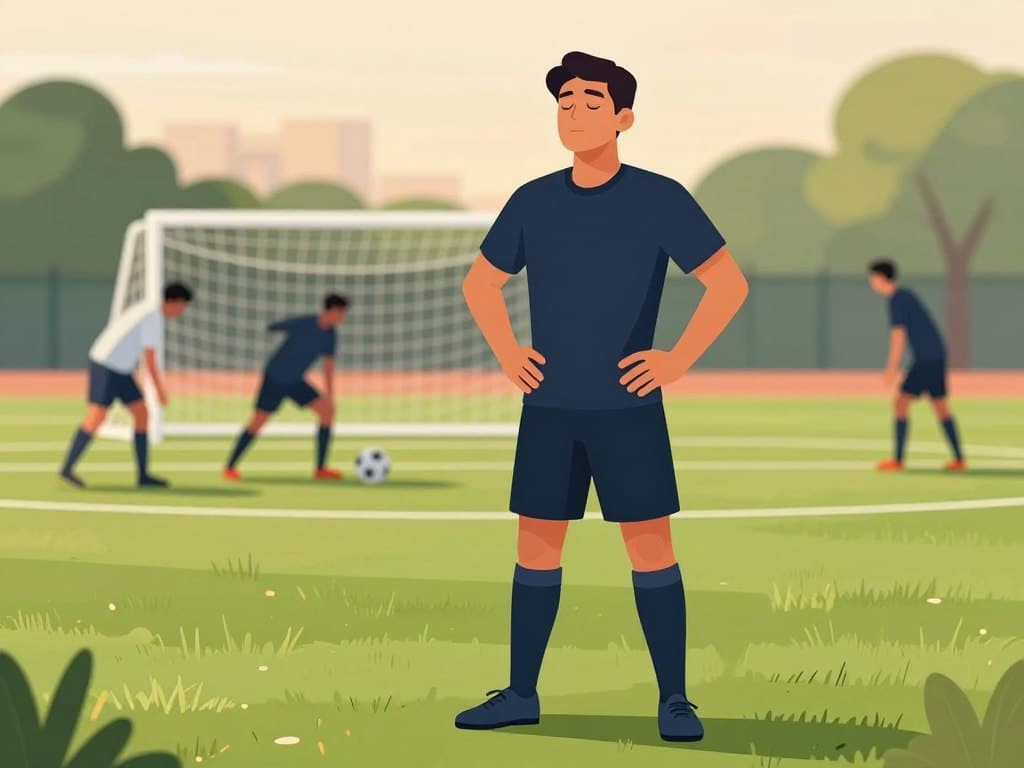
Build a consistent pre-match routine that signals “game time”
Template (10–45 minutes):
- Hydration check and quick snack.
- Tactical note on one index card (one line only).
- Light mobility, 5–10 minutes of movement.
- Two-minute box breathing as a reset.
- 30–60 second visualization loop of successful plays.
Visualization and positive self-talk
Make visualization specific: picture your first two touches, winning a 1v1, and a calm pass under pressure. Repeat short mantras like “I’ve trained for this,” or “Next ball, do the job.”
Protect your environment
Put your phone away 60–90 minutes before kickoff. Avoid sideline drama and social feeds. Let light movement and these cues carry your motivation into the game.
| Step | Time | What to do |
|---|---|---|
| Pre-drive | 10–20 min | Hydrate, index card reminder, simple mantra |
| Arrival | 10–15 min | Mobility and short passing, box breathing |
| Before kickoff | 2–5 min | Visualization loop: first touch, duel, calm recovery |
Controlled Breathing to Stay Calm in the Present Moment
When the pitch gets loud and your heartbeat jumps, your breath is the easiest control you own. Using simple breathing tools brings your body back and pulls attention into the present moment.
Box breathing you can use in the locker room, warm-up, or at stoppages
Box breathing is coachable and repeatable. Follow this step-by-step to get started:
- Inhale for 4 seconds—fill low and tall.
- Hold for 4 seconds—stay relaxed, not tight.
- Exhale for 4 seconds—longer out than you think.
- Hold for 4 seconds—reset the rhythm.
- Repeat for 2–3 minutes or until you feel steadier.
Breathing cues that relax tight muscles and quiet racing thoughts
Use this shorter option at stoppages: one slow inhale, one longer exhale while you drop your shoulders and unclench your hands. That quick deep breathing cycle is enough to reset posture and attention.
| Moment | Version | Immediate Effect |
|---|---|---|
| Locker room | 2–3 min box breathing | Controlled breathing lowers rush and centers intent |
| Before set piece | One slow inhale + long exhale | Soft shoulders, clearer focus |
| After a missed chance | One deep breathing cycle | Steady hands, present moment scan |
Try simple cues: “long exhale = soft shoulders,” “inhale = tall posture.” Say them silently to link breath, body, and thoughts so your mind returns to the next task.
Why it helps performance: calmer breathing leads to cleaner first touches and less rushing because you stay in the present moment and maintain better focus on the next play.
staying focused during soccer matches When the Game Gets Chaotic
Chaos on the pitch feels fast and noisy; I coach myself to shrink the scene into one short job at a time. Frantic transitions, second balls, teammates yelling, and a scoreboard tug can all pry attention away from what you control.
Switch to process goals: instead of chasing the scoreboard goal, pick one clear task—“win the next duel,” “be first to second ball,” or “play the simple outlet.” Those tiny wins calm the mind and rebuild momentum.
Use one-breath attention anchors
Try this anchor: “ball, body shape, next pass.” One breath maps to action—see the ball, set your body, decide the pass. It’s fast and repeatable under pressure.
Next-play reset
After a mistake: say “my bad,” take one breath, scan, then pick one directive—“recover inside,” “press angle,” or “play early.” That if/then routine stops spirals and gets you back to the moment.
Trust your training in real time
If overthinking starts, narrow options to the highest-percentage choice you’ve done in training a thousand times. Quick cues by position help: defender—“clear lines,” midfielder—“scan then play,” forward—“arrive composed.”
| Chaos Sign | Process Goal | Quick Cue |
|---|---|---|
| Second balls | First to loose ball | “Win it” |
| Teammate shouting | Stay disciplined | “Ball, body, pass” |
| Scoreboard pressure | Control next action | “One job” |
Handling High-Pressure Situations Without Losing Your Edge
When the clock bites and noise rises, habits beat heroics every time. I’ve learned that the right cue and a calm body save more games than a last-ditch sprint.
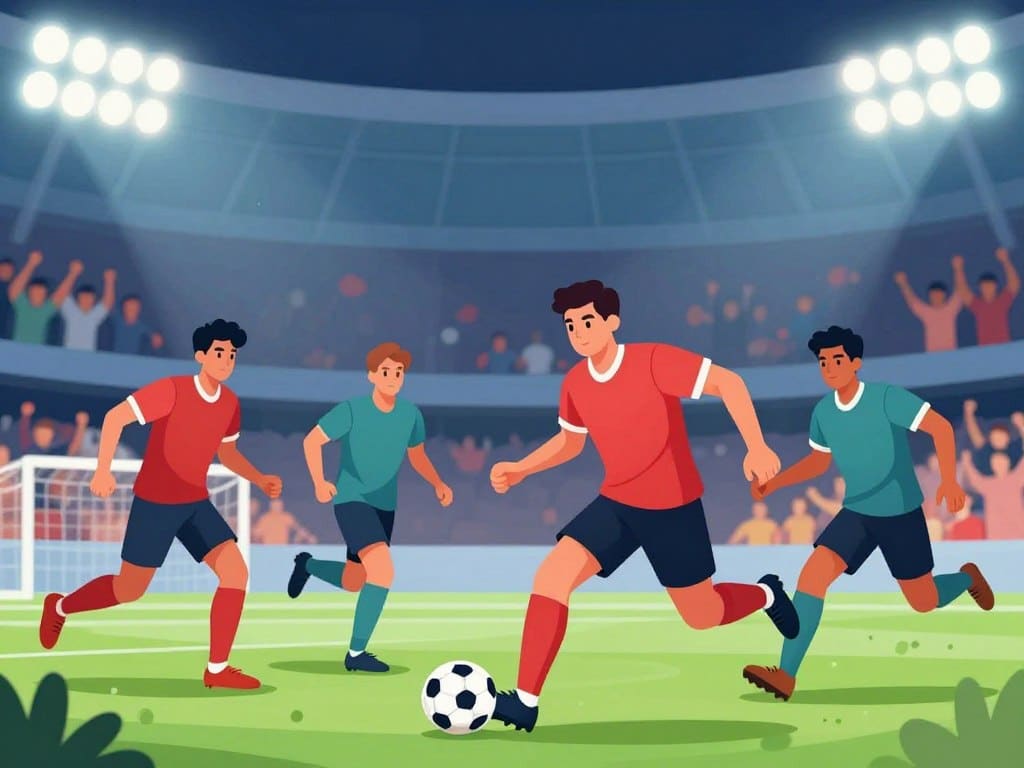
Three classic pressure phases
Protecting a lead: don’t collapse; shorten passing lanes and keep clear roles. Chasing a goal: push risk only in planned waves—don’t flood your shape. Late-game fog: decision fatigue makes clean options look hard; simplify.
Late-game checklist
- Shorten choices: one or two outlet options only.
- Communicate early: quick calls prevent panic.
- Reset shape before you commit to a sprint or tackle.
Composure on set pieces, penalties and 1v1s
Set pieces: pick your mark, confirm the line, take one breath, then watch the ball and attack your space. Penalties/1v1s: slow your breathing, pick one clear plan, and commit—hesitation kills confidence.
| Situation | Quick Plan | Cue |
|---|---|---|
| Protecting lead | Control tempo, safe passes | “One job” |
| Chasing goal | High support, timed pressure | “Simplify” |
| Penalty / 1v1 | Breathe, pick spot, commit | “Do it” |
Mental resilience shows after a blown chance: your next action is to be useful—press, cover, or call. Confidence grows from practice and a single, trusted cue; that’s how a player stays calm and lifts performance in key moments.
Training Drills That Build Maintaining Focus Like a Skill
Treat attention as a muscle: give it short, intense reps in training. I use simple constraints that force players to scan, call, and decide fast. These drills help translate calm practice into clear choices when the heat is on.
Small-sided games that force scanning and quick choices
Run 3v3 or 4v4 with one-touch bonuses and a rule to call a name before passing. Why: it rewards scanning and communication and makes decision speed visible.
Chaos drills: mimic transitions and time pressure
Set up transition waves—attack for 20s then defend immediately. Add a 2-touch limit or a 6-second scoring window. Why: these drills help players cope with frantic moments and sharpen game-speed thinking.
Cognitive exercises to stretch attention and resilience
Solo or group: juggle while counting backward, or pass while the coach calls colors to force divided attention. Why: mental training trains split attention and boosts mental resilience under fatigue.
- Mistake reset: after a turnover, get into shape within three seconds; this builds quick recovery habit.
- Progression: increase pressure or reduce time as players improve to keep skills challenged.
| Drill | Why it helps | Level |
|---|---|---|
| 3v3 one-touch bonus | Encourages scanning and fast passing | All levels |
| Transition waves | Mimics real game chaos and decisions | Intermediate+ |
| Juggling + counting | Improves divided attention and calm under pressure | Individual |
Mindfulness and Meditation for a Stronger Mental Game
I keep mindfulness practical: notice what the mind and body are doing, then return to the job at hand. That simple habit helps you react, not overreact, when a bad call or a noisy sideline tries to pull you off task.
Mindfulness basics for athletes: awareness without overreacting
Mindfulness here means spotting nerves, fatigue, or anger and letting them be data — not drama. For example, if frustration flares after a foul, name it (“annoyed”), take one breath, and move to your position. You stop arguing and start playing.
Short pre-game meditation to reduce anxiety and sharpen focus
Try this 3–5 minute routine in the locker room or car:
- Sit with eyes soft; breathe naturally for 30 seconds.
- Count exhales from 1–10; if the mind wanders, return to the count without fuss.
- Repeat one short mantra: “Next play,” “Calm and ready,” or “See it early.”
Why it works: this quick practice lowers anxiety, improves attention to the present moment, and strengthens the mental game so decisions feel cleaner under pressure.
| Step | Time | Immediate Effect |
|---|---|---|
| Soft eyes + natural breath | 30 sec | Reduces tension; clears short-term overload |
| Count exhales | 2–4 min | Builds return-to-present skill; lowers anxiety |
| Mantra | Throughout | Provides quick anchor to stay calm and act |
| Rehearse in warm-up | 1–2 reps | Turns mental training into reliable preparation |
Use this routine regularly and it becomes a short reset you can call on in play. For tactical follow-through, pair it with situational cues from training; try reading about counter-attacking triggers in this counter-attacking tactics guide to link calm decisions with game actions.
Physical Habits That Support Focus and Performance
Good decisions late in the game start with what you did the day before. Your body plays a quiet but powerful role: when fuel or fluids drop, concentration slips before your legs feel tired.
Nutrition and hydration habits that help concentration stay steady
Match-day meals: choose familiar carbs plus a light protein 2–3 hours before kickoff. Think toast with peanut butter or a small chicken wrap—no experiments that could upset your stomach.
Small top-ups at halftime or a 60–75 minute mark help sustain attention. A banana, a sports gel, or a 100–200 kcal snack keeps blood sugar stable so your mind stays sharp.
Hydration cues: start drinking early. Sip steadily through the morning and the warm-up. Don’t wait until the break to refill; that’s too late for mental performance.
Why sleep, rest, and recovery protect decision-making late in games
Sleep loss reduces scanning and raises errors. When I’m short on sleep, I notice I stop checking runners and I force risky passes.
Protect the night before a game like you protect training time: wind down early, limit screens, and aim for consistent sleep windows across the week.
Recovery across the week matters too—easy days, planned rest, and good nutrition keep your body sharp at game time so your focus lasts the full 90+ minutes.
- Pre-game: familiar meal 2–3 hours out; small top-up 45–75 minutes in.
- Hydration: sip every 15–20 minutes before kickoff; add electrolytes in hot conditions.
- Weekly: protect sleep 2 nights before competition the way you protect practice.
| Issue | Likely Cause | Quick Fix |
|---|---|---|
| Focus fades ~60–70 min | Low carbs or dehydration | Small snack + sip electrolyte drink |
| Late-game poor decisions | Accumulated fatigue / poor sleep | Prioritize rest that week; use naps pre-game if needed |
| Early anxiety and loss of scan | Under-fueled morning or caffeine spike | Light balanced meal; limit late coffee |
Self-audit: if your attention drops at the same time each game, log your last meal, fluid intake, and sleep for three games. Fix the physical inputs first—mental toughness is easier to train when the body is set up to perform.
Tools, Music, and Technology That Can Help You Stay Mentally Locked In
A short, deliberate audio routine helps me arrive calm and ready to act.
Music as a practical tool: pick one playlist to settle nerves and one to raise energy. Listen while you tape, stretch, or lace boots; then remove headphones before warm-up so you reconnect with teammates.
Match-day soundtrack strategies
Choose steady-tempo songs for calm and switch to higher tempo closer to warm-up if you need hype. Match the playlist to your role—defenders may prefer steady beats; forwards might want shorter, punchy tracks.
Using apps without adding distractions
Use mental training apps for short, specific sessions: a 5-minute breathing clip, a 3-minute visualization, or a quick mindfulness reset earlier in the day.
- Time boundary: put your phone away 60–90 minutes before kickoff to avoid sideline noise and social feeds.
- Pairing trick: end your last song, then do one minute of deep breathing so you step into warm-ups calm and switched on.
- Keep tech minimal: use apps as a tool, not a habit; set timers and avoid endless scrolling.
| Tool | Use | Quick rule |
|---|---|---|
| Playlists | Regulate energy and motivation | Two lists: calm + hype; cutoff before warm-up |
| Mental training app | Guided breathing or short mindfulness | 5-minute sessions earlier in the day |
| Phone | Carry only essentials | Away 60–90 minutes pre-game |
Why this helps: having clear tech rules makes the tool serve your routine, not the other way around. Use music and apps to prime attention and motivation, then let your training and teammates finish the job on the pitch.
Conclusion
Small, repeatable actions decide more games than big, dramatic plays. When skills are close, focus protects decisions, effort, and composure so performance stays steady under pressure.
Next-match plan you can copy: one clear pre-match routine element (hydration + a 30‑second visualization), one breathing reset at stoppages (one long exhale), one in‑game anchor phrase—try “ball, body, pass”—and one post-match note to jot.
Confidence is a byproduct of process, not a mood to wait for. Build the same simple routine each match and your ability stay reliable; your mental game will follow.
After the final whistle, take two minutes: what distracted you, what helped, and one change for the next match. Keep showing up—useful players win more often than flawless ones.