
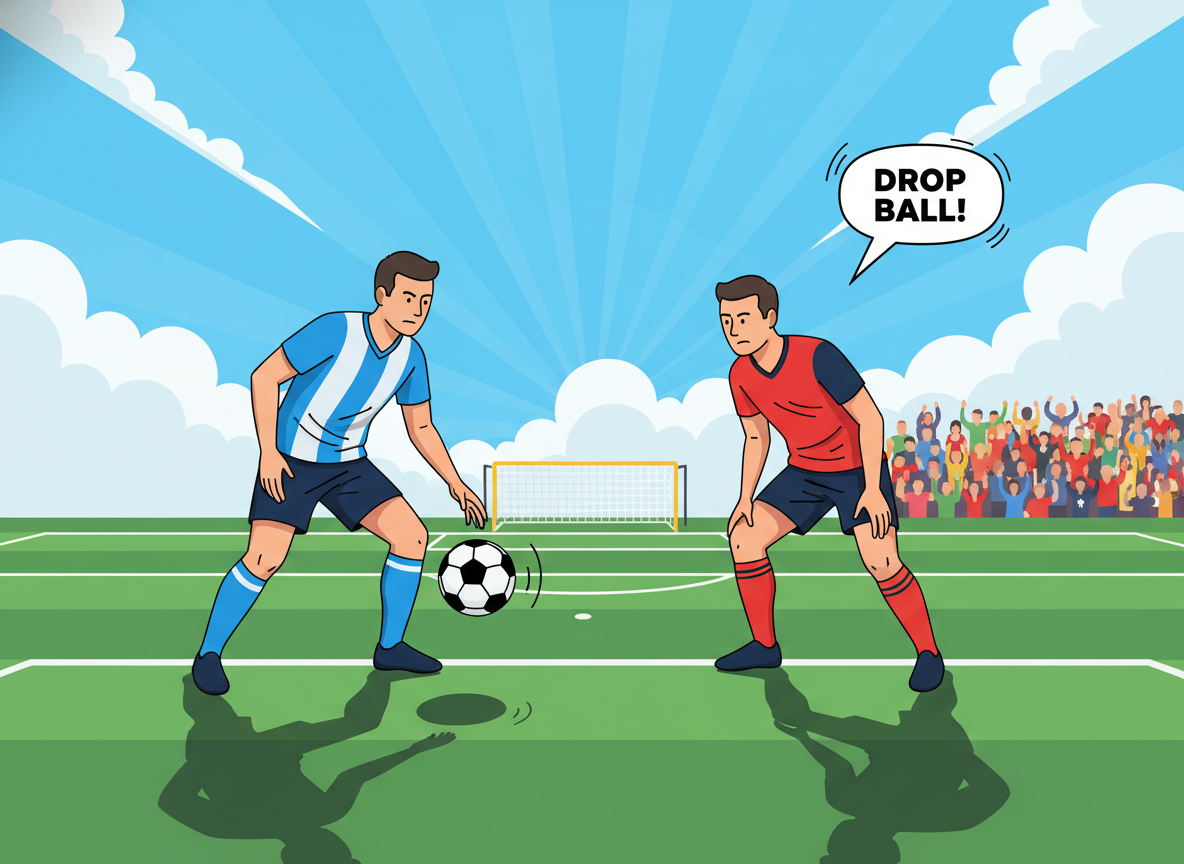
Did you know that before 2019, a specific restart was responsible for dozens of aggressive confrontations on the pitch each season? I still remember the tension it created.
That chaotic scramble is gone. The game has evolved, and understanding this shift is essential for any player or coach today.
Since that update, the procedure has transformed from a contested free-for-all into a structured and fair restart. The rhythm of play is now protected.
The referee dictates the action based on clear criteria within the official laws of the game. This prioritizes the team last in possession, ensuring fairness across the entire field.
Key Takeaways
- A major rule change in 2019 officially abolished the contested dropped ball to prevent injuries and arguments.
- The restart is now a structured procedure, not a physical scramble for possession.
- The referee has specific guidance from the laws of the game to decide how to restart play.
- The team that last had the ball is typically given possession to resume the action.
- This evolution makes the game safer and helps maintain its natural flow.
- Knowing these details helps players and coaches adapt their mental approach to stoppages.
- The 2025/26 laws provide the latest, clear framework for these situations.
Unpacking the Changes in Soccer Regulations
Watching a goalkeeper nervously glance at the official while holding the ball is a whole new drama now. The evolution extends far beyond that one restart procedure. It reshapes how we manage stoppages across the entire pitch.
I find it interesting how these adjustments aim to protect the game’s rhythm. They clarify roles for every match official and player on the field play.
Revised Procedures and the Rationale Behind Them
Take the eight-second rule for the team goalkeeper. Law 12 now mandates a corner kick awarded for holding the ball too long. The referee signals the final five seconds with a raised hand.
This visual countdown prevents time-wasting clearly. The rationale is simple: keep the ball play moving. If play stopped inside the penalty area, the ball is dropped for the defending team goalkeeper.
This ends ambiguity and hands possession back safely. The old indirect free kick punishment is largely gone.
Impact on Players, Referees, and Teams
For a goalkeeper, this changes the mental clock. Every second of control is now public, dictated by the referee‘s signal. It demands quicker decision-making under pressure.
For the defending team, it means predictable restarts. When play restarted after a stoppage, they know the procedure. This reduces arguments and lets the team focus on strategy.
The laws game updates make the penalty area a zone of clarity. Everyone understands the consequences, making the match fairer and faster.
Mastering the Soccer Drop Ball New Rules on the Field
The difference between chaos and control during a stoppage often comes down to one simple rule: location. Knowing exactly where the play stopped dictates everything that follows.
Differentiating Between Penalty Area and Field Play
If the halt happens outside penalty area, the restart is straightforward. The referee drops the ball for the team last touched it. This rewards the side that had possession.
Inside the box, it’s different. When the ball penalty area is involved, only the goalkeeper of the defending side can receive it. This protects the defense and keeps the field play safe.
Step-by-Step Guide for Players and Officials
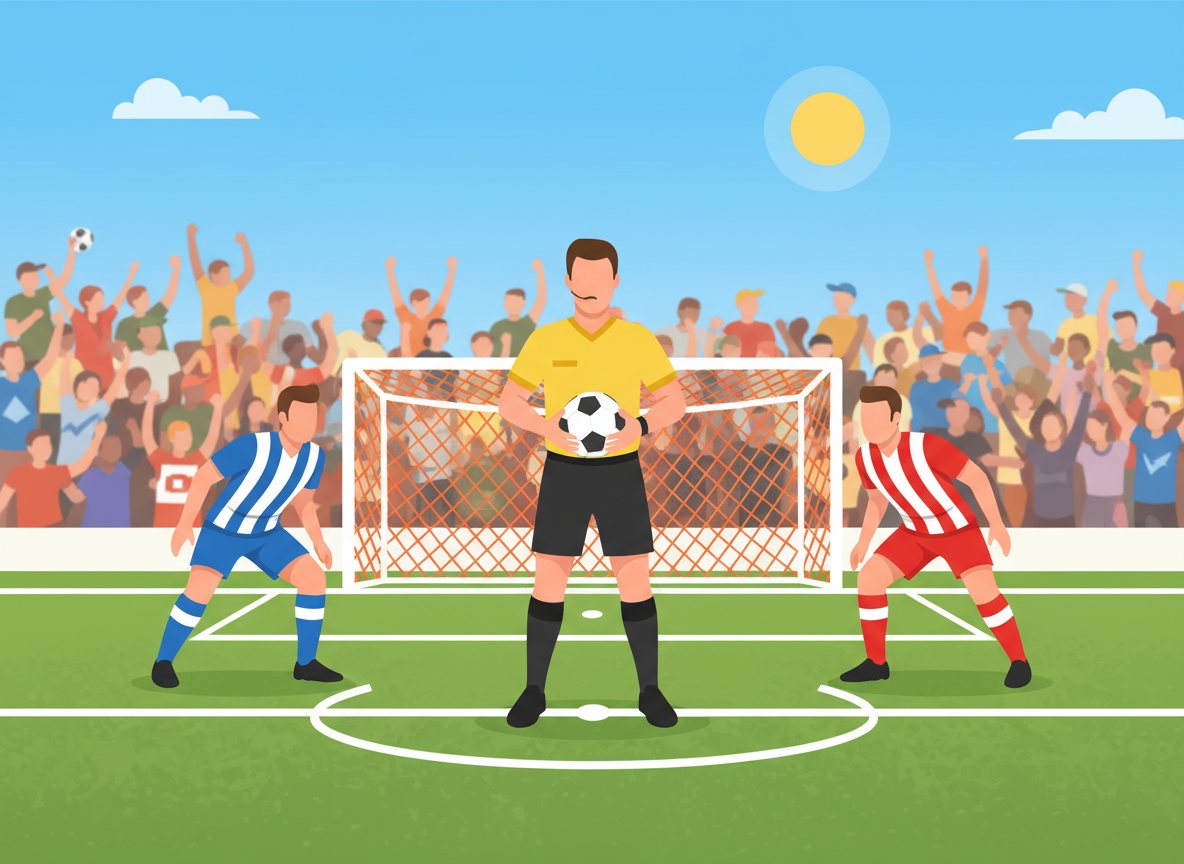
When the official signals for a restart, all other players must stay back. The laws game require a four-meter circle. Only one player from the designated team steps forward.
I always remind my teammates that the ball dropped player must wait. Contact is only allowed after the play touches ground. The referee determines who would gained possession if the situation is unclear.
Mastering this isn’t just about the rules. It’s a mental discipline that keeps the game fair and flowing for everyone involved.
Practical Game Scenarios and VAR Insights
When the video assistant referee gets involved, the simple act of resuming play becomes a strategic chess match. I’ve noticed teams now have a brief huddle, recalculating their approach based on where the ball will be dropped.
Examples of How the New Rules Affect Restart Strategies
Imagine a corner kick awarded is overturned after review. The referee drops the ball where the initial call was made. This rewards the team last touched the ball before the error.
Their player team instantly shifts from defending a set piece to launching an attack. It’s a complete mental flip.
| VAR Scenario | Location of Incident | Restart Procedure |
|---|---|---|
| Penalty decision reversed | Inside the penalty area | Dropped ball for the defending goalkeeper |
| Goal kick call overturned | Outside the penalty area | Ball dropped for the team last in possession |
| Offside stops a promising attack | Anywhere on field play | Play restarted with an indirect free kick |
| Unclear who last touched ball before review | Point of stoppage | Referee decides which side would gained possession |
VAR Decisions, Dropped Ball Locations, and On-Field Situations
The match official now often explains the decision to everyone. This clarity helps the player who would gained the advantage understand the call.
If play stopped in the box, the goalkeeper always receives it. This protects the defense, even if their team did not last touched it. The laws game ensure the team that would gained possession gets a fair restart, keeping the ball play flowing.
Watching the play touches ground after a long review is fascinating. It tests a player‘s focus and readiness to adapt instantly.
Conclusion
I’ve learned that true game intelligence shines through when play halts unexpectedly. Your mental map must instantly identify the location and which player or team last touched the ball. This awareness turns confusion into control.
Whether you’re in the penalty area or midfield, knowing who receives the dropped ball is a crucial skill. The referee drops it for one player from the designated side, rewarding possession. Your player team must be ready.
Practice these scenarios. When the official stops the action, a seamless transition back relies on composure. Focus on the mental game; it’s as vital as physical performance.
I hope this guide helps you navigate every corner kick and restart with confidence. Remember, the modern laws keep the game flowing fairly for everyone on the pitch.