
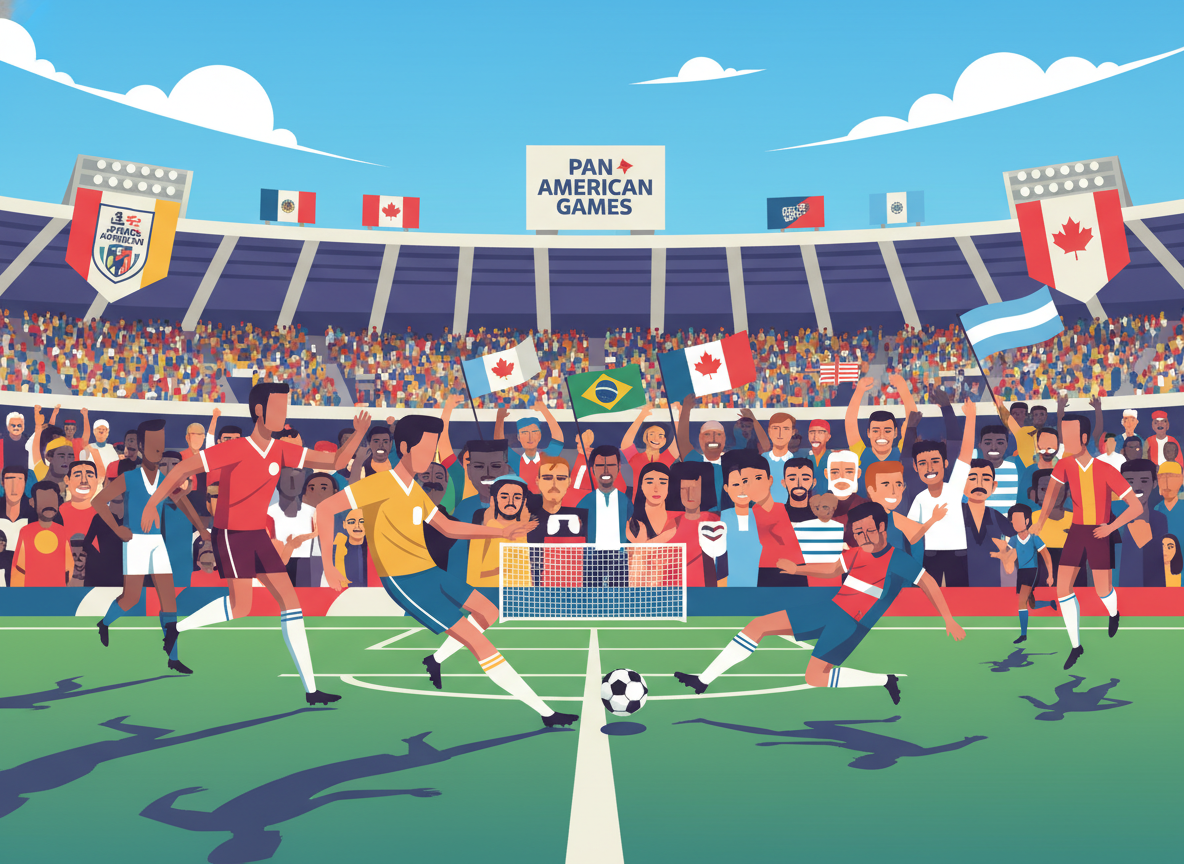
What if I told you that a single tournament could capture the heart of an entire continent? I still remember the thrill of learning about its beginnings; it feels like uncovering a hidden chapter in our shared sports story.
The first edition was held in Buenos Aires back in 1951. That event set a powerful stage. It was more than just a competition; it was the birth of a movement.
Today, it’s a massive spectacle. Over 5,000 athletes come together every four years. The Pan American Sports Organization, or PASO, guides it all. This sports organization ensures integrity, connecting it to the broader international olympic spirit.
I find it fascinating. Football has been a cornerstone from day one. Watching it evolve, you see how it shaped the american sports landscape. This multi-sport event became a premier showcase for talent across the western hemisphere.
It’s a legacy built on unity and competition. One that continues to inspire athletes and fans like us.
Key Takeaways
- The inaugural competition took place in Buenos Aires in 1951, marking the start of a major continental tradition.
- The Pan American Sports Organization (PASO) is the governing body, upholding the values of the international Olympic movement.
- This quadrennial event now features over 5,000 athletes competing in dozens of sports.
- Football has been a foundational sport within the tournament since its very first edition.
- The event has grown from a humble beginning into a significant showcase for talent across the Americas.
- It fosters a unique sense of unity and friendly rivalry among diverse nations and their dedicated athletes.
Historical Foundations and Early Years
The foundation was laid not with grand stadiums, but with the grit of amateur athletes from across the hemisphere. I often reflect on the 1951 tournament in Buenos Aires. It featured squads from various countries, all playing for pride more than prize.
Inaugural Matches and Early Tournament Formats
It’s incredible to think the competition used a league format for many years. Teams played each other in a round-robin style. This was a stark contrast to the knockout brackets we see today.
That structure demanded endurance. It tested squads over a longer period of time.
Pioneering Moments and Initial Challenges
The second edition in Mexico City in 1955 showcased growing ambition. National Olympic committees worked tirelessly behind the scenes. They faced huge logistical hurdles getting athletes to each host city.
Every four years, this tradition brought nations together. It was a vital time for testing regional rivalries. The spirit of the movement always shone through the challenges.
Defining Moments in pan american games soccer history
It’s in the shock upsets and surprise medal finishes that a tournament’s true character is revealed. I still remember reading about the 1959 event in Chicago. That story captures the essence of why we watch.
Historic Upsets and Breakthrough Performances
That year, seven squads competed. The United States team secured a surprising bronze medal. They faced seasoned international competition.
This moment was a true breakthrough. It showed that any team could rise. The pursuit of a medal drives players to their peak.
These games held in different cities often produce unexpected results. They define the legacy for years. Every performance adds a new layer to the narrative.
| Aspect | 1951 Buenos Aires | 1955 Mexico City | 1959 Chicago |
|---|---|---|---|
| Number of Football Teams | Not specified | Not specified | 7 |
| Notable Achievement | Inaugural event | Growing ambition | US bronze medal |
| Impact on Legacy | Established the tradition | Strengthened continental bonds | Proved underdogs could contend |
The city of Chicago remains a significant place in this history. It hosted one of the most memorable upsets. Athletes from various countries have created similar stories.
I find it inspiring how this continental event challenges the status quo. Every medal won represents countless hours of sacrifice. It’s the unwavering commitment that shines through.
Evolution of Competition and Tournament Formats
I often think about the pivotal shifts in format that transformed how we watch continental football; the structure itself dictates the rhythm and tension of every match.
Transition from League to Group Formats
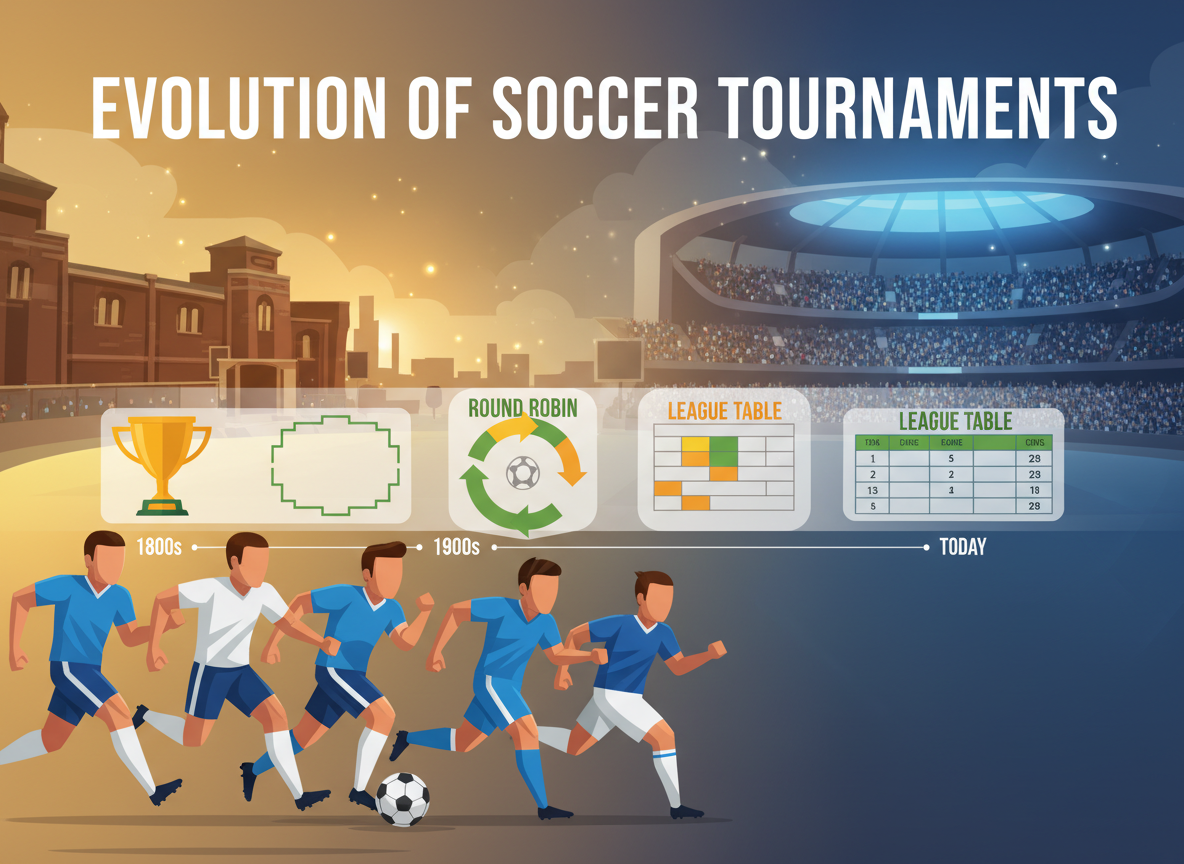
Early editions used a simple league system where every team played each other in a round-robin style. It was a marathon test of consistency.
The 1983 event in Caracas marked a turning point when organizers introduced group stages. This change increased the stakes for every single game.
I recall the 1995 tournament in Mar del Plata, which showcased this new format brilliantly. The group phase created must-win scenarios from the very start.
Comparison of Men’s and Women’s Tournament Structures
The women’s competition began in 1999. It was a landmark moment for equity in sport. The Pan American Sports Organization ensured both tournaments received equal footing.
While the men’s event has deeper roots, the women’s bracket quickly gained prestige. Both now follow similar group-to-knockout progressions.
I recall the 2003 games in Santo Domingo, where the format continued to evolve to accommodate more teams. National Olympic committees work tirelessly to prepare their squads every four years.
These adaptations reflect soccer’s broader impact on culture. The format evolves to meet the demands of athletes and fans alike.
Legendary Performances and Underdog Triumphs
Sometimes, the most unforgettable stories aren’t written by the favorites, but by those who defy every expectation. I’ve always been drawn to these moments. They remind us why we love sport.
The spirit of competition shines brightest when the unexpected happens.
The 1959 US Bronze-Medal Upset
I still remember learning about the legendary 1959 upset. The United States squad defeated Brazil with a stunning 5-3 scoreline.
This wasn’t just a win. It was a statement. Players like Ed Murphy led their team to an improbable bronze medal.
That performance remains a defining highlight. It proved any team could rise on this continental stage.
The 2007 edition in Rio de Janeiro continued this tradition. The host city provided a spectacular backdrop for new underdog tales.
Even facing strong sides like Costa Rica, the passion of the athletes is inspiring. Every medal represents immense dedication.
| Year | Notable Underdog | Achievement | Lasting Impact |
|---|---|---|---|
| 1959 | United States | Bronze Medal (Beat Brazil 5-3) | Proved any team could contend for the podium |
| 2007 | Various Emerging Squads | Strong performances in Rio | Highlighted the event’s competitive depth |
| Other Editions | Costa Rica & Others | Unexpected wins & close matches | Cemented reputation for surprise results |
These moments define the legacy of the pan american spectacle. They motivate the next generation of players and fans.
I find it remarkable. The american games are a true stage for historic performances.
Cultural Impact and Psychological Lessons for Players
Have you ever considered how a mascot can become the heart of a continental celebration? I often think about the 1979 pan american games in San Juan. That’s when mascots were first introduced, adding a unique layer of cultural identity.
How Pan American Games Soccer Shaped American Mindsets
The psychological lessons learned here are profound. Players navigate immense pressure representing their countries. This pan american stage teaches them to embrace challenge with confidence.
I believe the impact extends far beyond the pitch. It influences how competitors from different nations interact and grow. The host city of San Juan set a new standard for celebration.
As an international olympic event, it provides a unique environment. Athletes develop the mental toughness required for elite competition. It’s a transformative experience that fosters unity.
The legacy is deeply rooted in psychological growth. These lessons stay with players throughout their careers. Every host city for the american games adds to this rich tapestry.
Statistical Insights and Data-Driven Analysis
Numbers have a way of telling stories that words sometimes can’t capture. I find the data from this continental event incredibly revealing. It shows patterns of dominance, growth, and surprise.
Medal Tables and Record-Setting Achievements
Looking at the medal tables is always insightful. The United States often leads the total count. Brazil has a strong history, particularly in this sport.
Record-setting performances are tracked by the sports organization. These numbers highlight the event’s competitive evolution over the years.
| Country | Gold Medals | Silver Medals | Bronze Medals | Key Host City |
|---|---|---|---|---|
| United States | 18 | 12 | 10 | Chicago 1959 |
| Brazil | 15 | 8 | 7 | Rio de Janeiro 2007 |
| Mexico | 6 | 9 | 11 | Mexico City 1955 |
| Argentina | 5 | 7 | 9 | Buenos Aires 1951 |
Country Profiles and Tournament Trends
Analyzing country profiles over time is fascinating. The United States consistently earns many medals. Brazil’s prowess is well-documented.
Tournament trends show the competition getting tougher every four years. The recent edition in Santiago continued this legacy. National Olympic committees use this data to prepare their athletes.
I believe the panam sports movement and international olympic values are reflected in these statistics. Each host city, from Mar del Plata to Santo Domingo, leaves a unique mark on the data.
Conclusion
What endures is not just the record of winners, but the collective memory forged by every participant. I find myself reflecting on how this continental event has shaped our american sports landscape over the years.
The dedication of the Pan American Sports Organization and the International Olympic Committee ensures it remains a premier platform. It inspires athletes from all countries to strive for excellence in every edition.
Looking ahead, the panam sports movement will continue to evolve. Each future host city promises a new stage for competitors to chase their medals.
I’m grateful to have explored this rich history. The spirit of these games—of unity and fierce passion—is a story far from over. It lives in every athlete who takes the field.