
Did you know the original 1863 FA laws described a “fair catch” to stop play? That archaic rule evolved into the dynamic restart we know today.
I still remember the first time I saw a quick free kick completely flip a match’s momentum. It wasn’t just a whistle; it was a spark.
When you truly grasp how a free kick functions, your perspective shifts. You stop seeing it as a mere pause. You start seeing a massive, untapped opportunity.
The beautiful game has evolved so much since those first rules were written. But the core truth remains: every restart is a chance to influence the flow.
I want to help you master these moments. Understanding the laws lets you keep opponents guessing. It gives you total control over your team’s rhythm and tempo.
Every one of these situations, whether for a direct shot or for mastering the art of curling the, is a door. I’m here to help you walk through it.
Key Takeaways
- The modern free kick evolved from a 19th-century “fair catch” rule.
- A quick restart can dramatically change the momentum of a match.
- Viewing a free kick as an opportunity, not a pause, is a mental game-changer.
- Mastering the rules provides a strategic advantage and controls the game’s rhythm.
- Each free kick situation is a chance to directly influence the score and flow of play.
- Understanding the laws allows you to act decisively and keep the opposing team off-balance.
- The psychological readiness of your team is as important as the technical execution.
Understanding the Quick Free Kick Rules in Soccer
For me, the real magic of a restart begins before the ball is even placed. That whistle isn’t just a call for a violation; it’s a door swinging open. Your team gets a protected space to act, a moment of pure, sanctioned opportunity.
What Makes Free Kicks “Quick”?
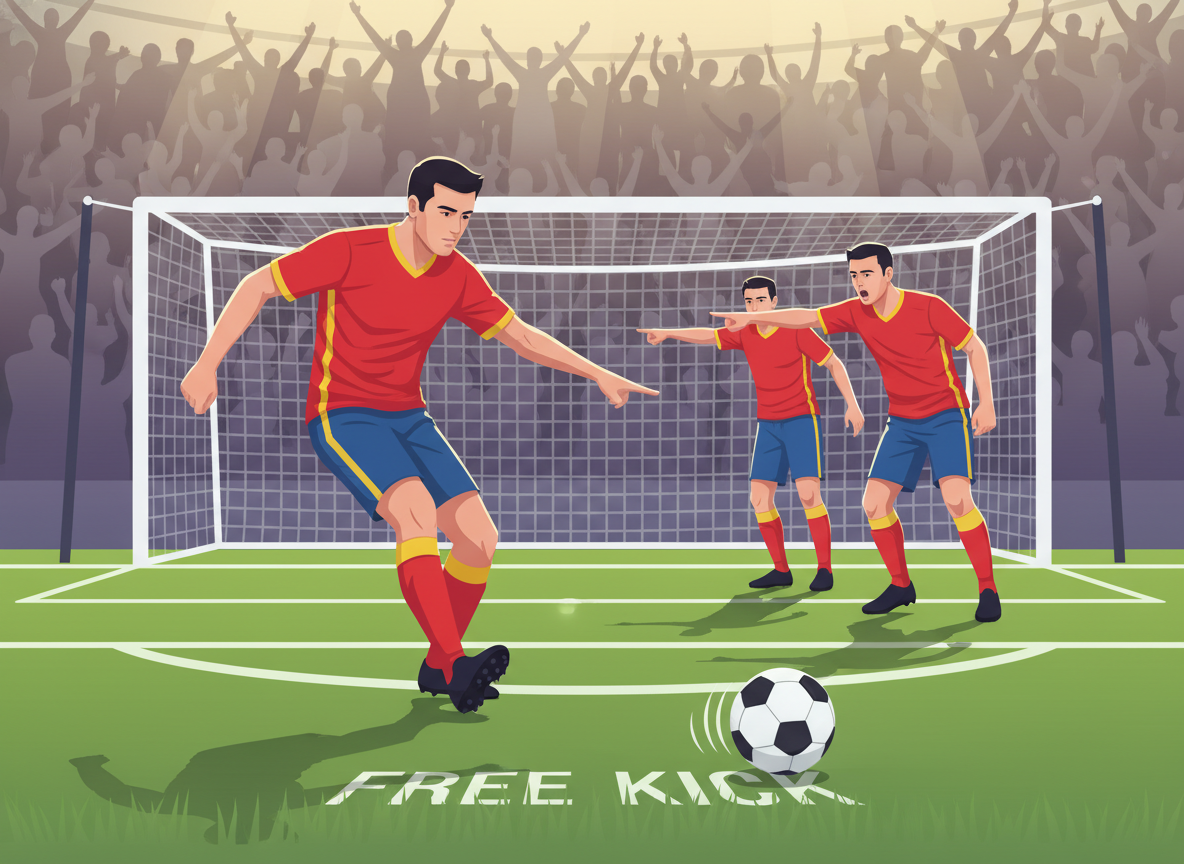
It’s all about choice and tempo. A standard restart waits for the referee’s formalities. A quick one bypasses that. You seize the chance the instant the whistle blows, while the other side is still talking or turning.
This move bets on your team’s awareness against their disorganization. It’s a powerful psychological tool, shifting momentum before a defensive wall can even form.
Key Considerations for a Rapid Restart
First, the ball must be completely stationary. That’s a non-negotiable part of the rules. You can’t legally restart if it’s rolling.
Your next thought should be vision. Where is the space? Who is ready? Rushing without a plan sends the ball into trouble. But a calculated, immediate free kick can slice through a scattered defense.
It’s a balance of speed and smart play. You control the rhythm, forcing the opposition to react to you.
Historical Evolution of Free Kicks in Soccer
I often think about how different the sport must have felt when a ‘fair catch’ was the law of the land. That 1863 rule feels like a relic from another world. It set the stage for everything that followed.
From Early FA Laws to Modern Play
The original concept was simple. A player made a fair catch, and the game stopped for a restart. That was the first seed of our modern free kick.
Over decades, local rules gave way to a single, universal system. This standardization was crucial. It meant every match, everywhere, operated under the same principles.
Impact of Rule Changes on Game Strategy
As the pace of play increased, so did the need for order. A structured restart became non-negotiable for safety and fairness. Every team had to adapt.
Their entire tactical approach evolved around these moments. The modern free kick isn’t just a punishment; it’s a strategic pivot point woven into the fabric of the game.
Differences Between Direct and Indirect Free Kicks
Picture this: you’re awarded a restart, but can you shoot for glory, or do you need a teammate’s touch first? That split-second question defines the entire strategic weight of the moment.
Knowing the answer separates reactive players from proactive ones. It’s the core tactical difference every team must master.
Definition and Typical Offenses
A direct free kick is your green light. You can score a goal directly from the shot. These are usually given for contact fouls like a reckless tackle.
An indirect free kick requires a second player to touch the ball before a score counts. This rule often punishes technical offenses.
Think about the goalkeeper. The 1992 back-pass rule means they can’t handle a deliberate kick from a teammate. Violating this results in an indirect free kick.
Holding the ball for over six seconds draws the same call. These aren’t moments of violence, but lapses in discipline.
Referee Signals and How to Recognize Them
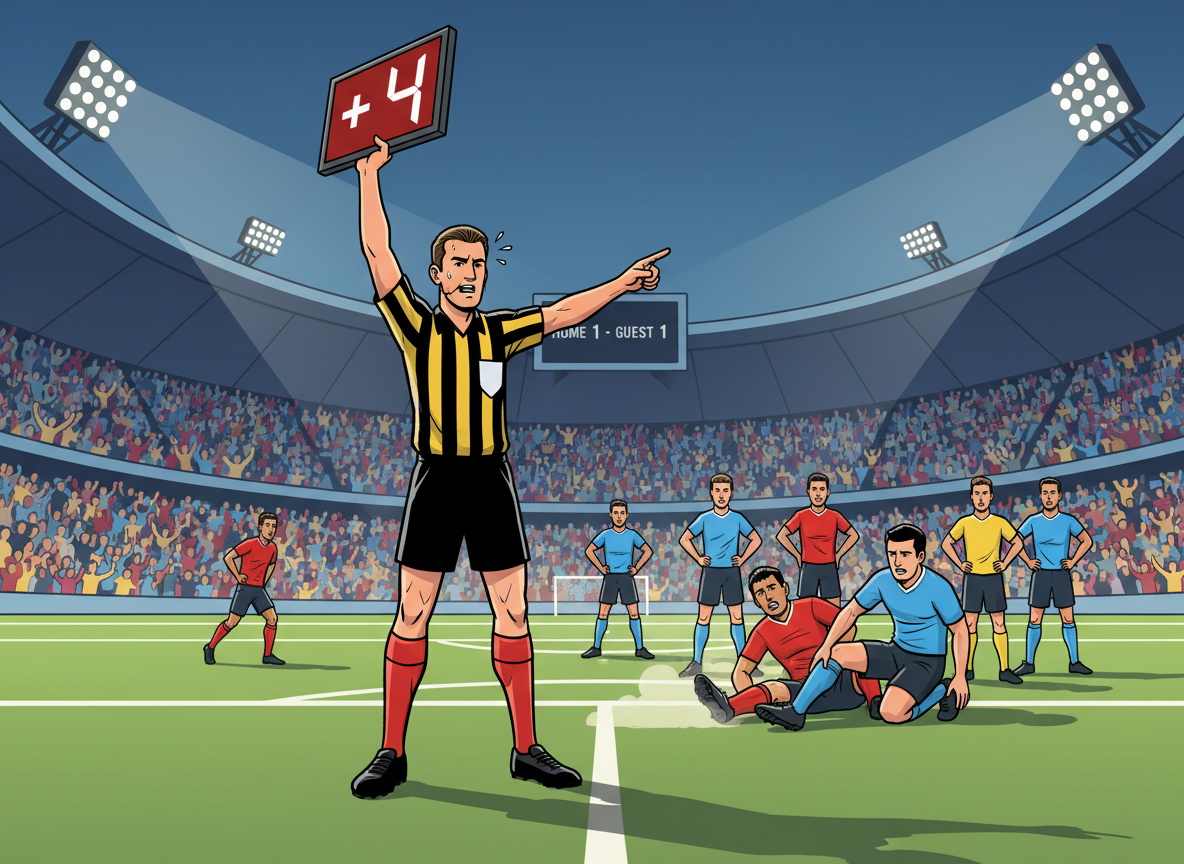
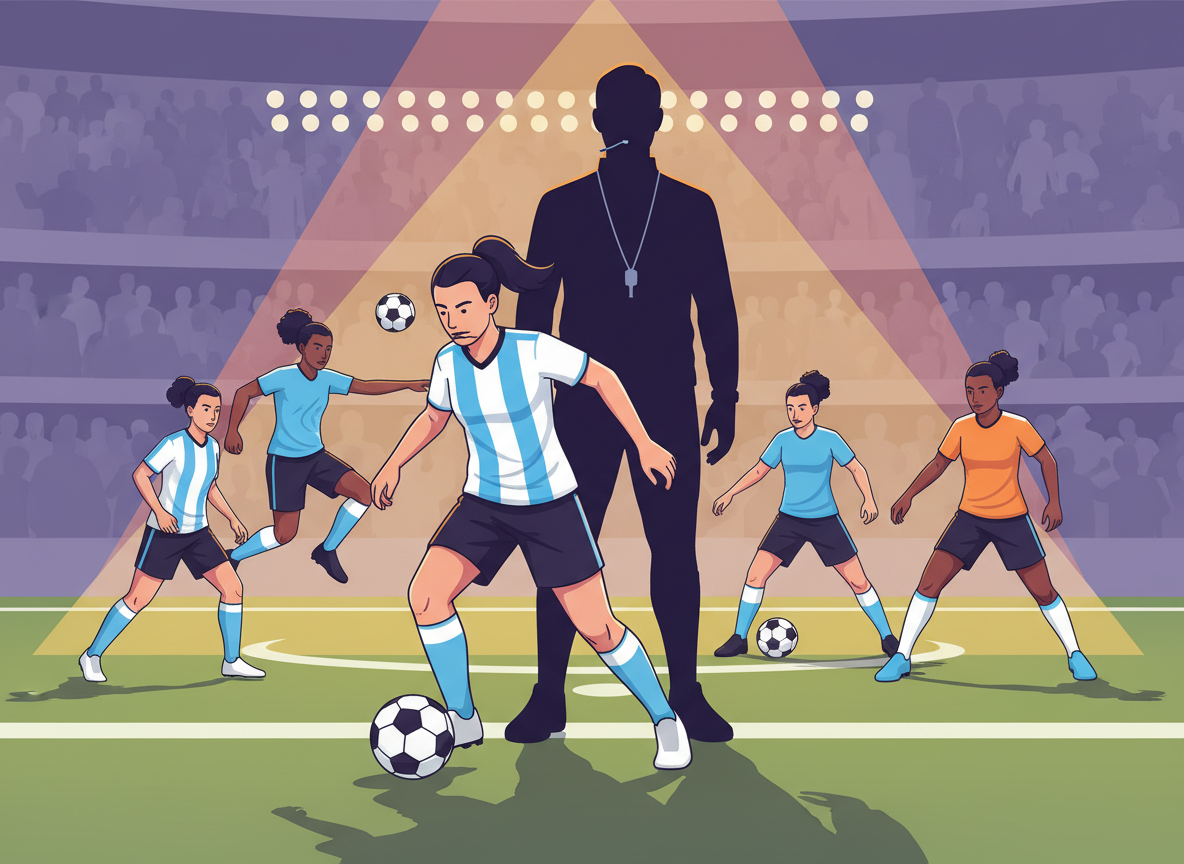
I always train my eyes on the official. Their signal tells you everything. For an indirect free kick, the referee raises one arm straight up.
That raised arm is a silent command. It shouts that a direct shot is illegal. No signal? You likely have a direct free kick and a chance to strike.
Reading these referee signals is a fundamental skill. It turns confusion into clear, decisive play.
Rules and Procedures for Taking Quick Free Kicks
I’ve learned that success in these moments hinges on two non-negotiable elements: ball placement and opponent distance. Getting this right turns a simple restart into a potent weapon.
Ball Placement and Required Distances
The ball must be completely still. That’s your first checkpoint. If it’s rolling, the referee will call for a retake.
Your opponent must retreat at least 9.15 meters away. That’s the standard ten yards. The only exception is if they are standing on their own goal line.
I always remind my teammates about the one-meter rule. If a defensive wall of three or more players forms, you must stay one meter back. This keeps the play fair and orderly.
When Is a Quick Kick Legally Permitted?
You can take your chance immediately if the ball is stationary. But what if an opponent is inside the required distance?
If they intercept your pass from that spot, the official often allows the action to continue. It’s a judgment call that favors the flow of the game.
Inside the penalty area, the rule shifts. The defending team must remain outside the area until the ball is live. This ensures a clean restart for the attacking side.
| Requirement | Distance | Key Condition |
|---|---|---|
| Opponent Distance | 9.15 meters (10 yards) | Unless standing on own goal line |
| Attacker from Wall | 1 meter | If wall has 3 or more players |
| Ball State | Stationary | Must be completely still before the kick |
| Defenders in Penalty Area | Outside the area | Until the ball is in play |
When to Use a Quick Free Kick During a Match
Seizing the right second for a restart feels like catching the defense napping. It’s about reading the game’s emotional temperature and acting before it cools.
Spotting Opportunities on the Field
I always tell my teammates to watch the other side. Are they arguing with the official or slow to form a wall? That’s your signal. A rapid pass to a open player is often smarter than a hopeful direct free kick shot.
Sometimes, the best move isn’t toward the goal. It’s about shifting the ball into a more dangerous area before the defense recovers. You exploit space they haven’t yet covered.
Keep an eye on the goalkeeper, too. If they’re off their line or distracted, a sudden shot can test them. It turns a standard free kick into a moment of real surprise.
When your team is under pressure, a fast restart can change everything. It helps you regain control and push your line forward. You reset the rhythm on your own terms.
| Scenario | Key Action | Expected Advantage |
|---|---|---|
| Opponent distracted by referee | Pass to a teammate in space | Exploit disorganization before a wall forms |
| Goalkeeper out of position | Take an immediate shot on goal | Catch keeper off-guard; higher scoring chance |
| Team needs to relieve pressure | Quick, short pass to maintain possession | Regain game control and shift momentum |
Mastering these moments is less about the rules and more about perception. You see the chance where others see only a stopped clock.
Tactical Advantages of a Quick Free Kick
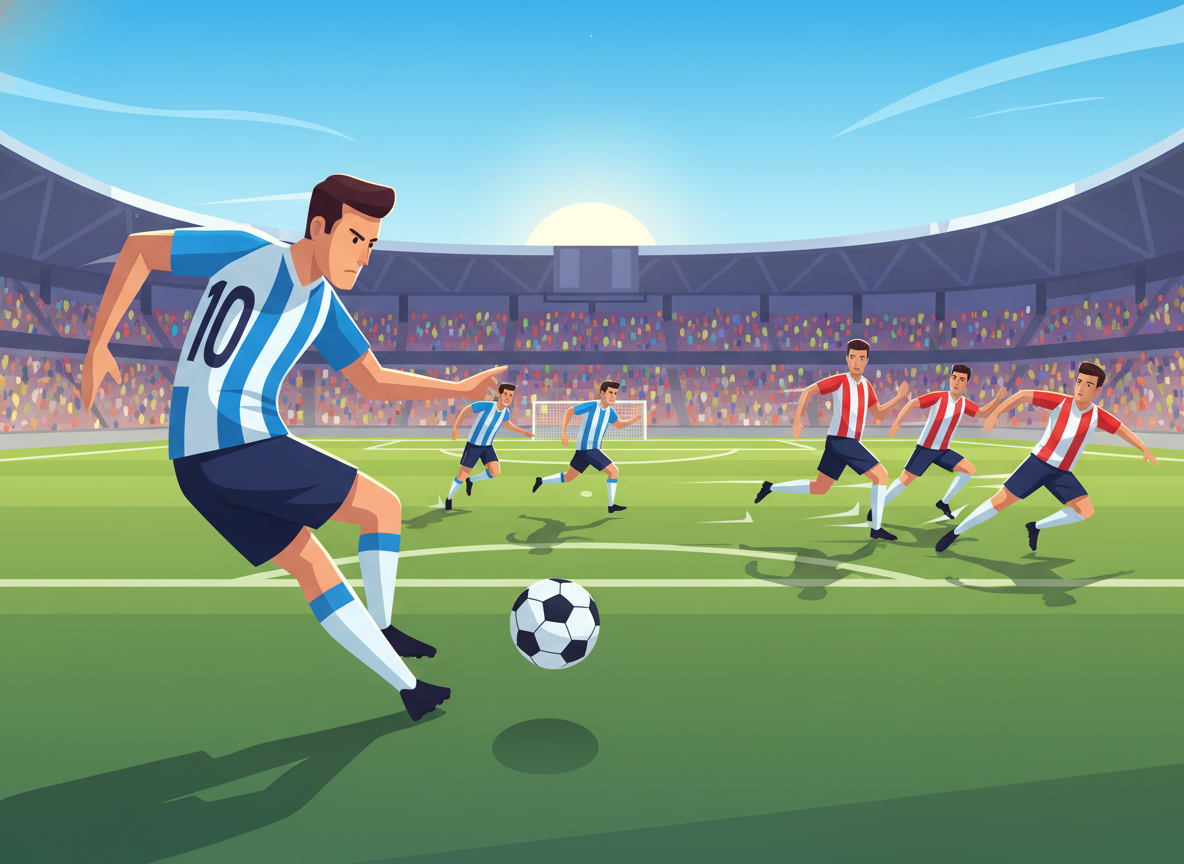
The true power of a restart isn’t in the whistle; it’s in the chaos you create before order is restored. I believe the tactical edge lies in that split-second decision to act, not wait.
Specialists like David Beckham or James Ward-Prowse show how a direct free kick can be a lethal weapon. But sometimes, the smarter move is the immediate one.
Creating Surprise and Exploiting Gaps
The element of surprise is everything. It catches the defending team off guard while they’re arguing or turning.
You exploit gaps before a wall can form. This turns a simple foul into a high-quality chance at goal. The psychological impact rattles the goalkeeper and the entire defensive unit.
Mistakes in the penalty area often follow. You force the opponent to react to your play.
Comparing Set Pieces and Spontaneous Play
When you compare a planned set piece to spontaneous action, the difference is stark. A quick restart is the ultimate tool for breaking defensive lines.
It’s about reading the game and seizing the moment. The referee blows the whistle, and you move.
| Aspect | Planned Set Piece | Quick Spontaneous Restart |
|---|---|---|
| Preparation | Routine & player positioning | Instinct & immediate vision |
| Tempo | Controlled, deliberate | Fast, disruptive rhythm |
| Defensive Response | Organized wall ready | Disorganized, scrambling players |
This spontaneity bypasses standard rules of engagement. You put the ball into play before the other side can think.
That’s how you turn a stoppage into a strategic advantage. It’s a mental game as much as a physical one.
Practical Techniques for Executing a Quick Free Kick
I always tell my teammates that the right technique isn’t about strength alone; it’s about controlled intention. The moment after the whistle is your canvas. Your foot is the brush.
Choosing the Right Striking Technique
For bending the ball around a wall, I rely on the inside-foot curl. It wraps around the ball, creating spin for accuracy. This is my go-to for a precise direct free kick attempt.
When pure force is needed, I switch to my laces. A driven shot with the instep creates unpredictable movement. It’s very difficult for any goalkeeper to track.
Balancing Power and Precision
This balance is a practiced skill. It starts with your plant foot. Its position dictates your entire strike’s line and elevation.
Your follow-through seals the deal. A clean contact point is non-negotiable. It ensures the ball travels exactly where you intend, even under pressure.
The best technique is the one you can repeat. Consistency turns practice into reliable match-day execution.
| Technique | Primary Purpose | Key Contact Point | Ideal Situation |
|---|---|---|---|
| Inside-Foot Curl | Accuracy & Bend | Inside arch of the foot | Shooting around a defensive wall |
| Laces Drive | Power & Speed | Top of the foot (instep) | Beating the goalkeeper from distance |
| Placed Pass | Precision & Weight | Inside of the foot | Quick restart to a teammate in space |
Training and Set Piece Routines for Free Kicks
Our most effective set pieces always start with a simple question in practice: ‘What if we took it now?’ I structure our sessions into short, intense blocks. Each block focuses on decision-making and technique for every restart we might face.
We run drills where a coach acts as the referee, signaling a foul. The players must then decide in seconds. Is this a moment for a rapid pass, or should we set up for a direct free kick? This pressure builds the awareness we need.
Drills to Improve Speed and Accuracy
Repeating set piece routines is crucial. It helps the entire team understand where to move when we earn a restart in the attacking half. This isn’t just about kicking a ball; it’s about choreographed movement.
That repetition builds the muscle memory required to execute under real match pressure. I find that by simulating game stress, my players stay calm. They learn not to rush and lose possession.
We practice different contact points on the foot. We work on bending the ball around a wall and driving it with power. The goal is consistency, so every shot or pass has a clear intention.
Common Infringements and Penalties in Free Kick Situations
Mistakes during a restart can feel like a gift to the other side; I’ve watched games turn on a single, avoidable error. Knowing the boundaries keeps your advantage intact.
It’s about discipline in those charged moments. A small lapse can swap opportunity for frustration.
Violations of the Distance and Wall Requirements
Defenders must give space. The required distance is 9.15 meters from the ball.
If an opponent blocks a rapid restart, the official will caution them. This yellow card is for delaying the game.
Attackers have rules too. Coming within one meter of a defensive wall results in an indirect free kick for the other team. It’s a costly mental error.
Referee Disciplinary Actions and Retakes
I have seen many matches where a restart was called back. The ball must be completely still.
If it’s rolling, the referee orders a retake. The same applies if the kicker touches the ball twice.
That double contact gives the opponents an indirect free kick. Inside the penalty area, the stakes rise. A direct free kick foul there leads to a penalty kick.
| Infringement | Referee Action | Result |
|---|---|---|
| Opponent within 9.15m / delays restart | Caution (Yellow Card) | Retake or Indirect Free Kick |
| Attacker within 1m of wall | Award Indirect Free Kick | Possession to defending team |
| Ball not stationary at kick | Signal for Retake | Restart is repeated |
| Kicker touches ball twice | Award Indirect Free Kick | Opponents gain possession |
| Direct free kick foul inside own penalty area | Award Penalty Kick | Shot from the penalty spot |
Modern Technology’s Role in Free Kick Management
The white foam line on the pitch is a small detail, but it represents a huge shift in how we manage the game’s most tense moments. I have watched technology become a silent partner to the officials on the field.
It doesn’t call the foul, but it helps enforce the rules with new precision. This changes the entire environment around a restart.
VAR and Vanishing Spray: Enhancements in Enforcement
Video Assistant Referee, or VAR, is a major addition. It reviews decisions for a clear and obvious error. This system is used in four specific cases.
These include penalty decisions or a direct red card during a free kick situation. It aims for fairness, but it can pause the natural flow of a match.
I have noticed that vanishing spray helps keep the wall at the correct distance. Players still creep forward sometimes, but the line is a visual anchor for the referee.
Modern officials also use communication headsets. They coordinate with assistants in real time. This ensures every restart follows the official procedures.
While these tools assist the referee, the core job remains with the people on the pitch. They must manage the wall and ensure the ball is stationary.
I believe these innovations have made the game fairer. They add a layer of accountability that benefits every team and player.
| Technology | Primary Function | Impact on Free Kick Management |
|---|---|---|
| VAR (Video Assistant Referee) | Review clear & obvious errors in key decisions | Adds fairness but can disrupt spontaneous restart opportunities |
| Vanishing Spray | Mark exact distance for defensive wall | Provides a visual standard, though players may still encroach |
| Communication Headsets | Link referee with assistant officials | Ensures coordinated enforcement of rules across the entire pitch |
Integrating Quick Free Kick Strategies into Game Plans
Integrating restart strategies isn’t about adding plays; it’s about cultivating a mindset of readiness. I teach my squad to view every whistle as a dual opportunity. They must decide instantly: exploit the space now or set up for a deliberate set piece.
This philosophy turns reactive moments into proactive advantages. Your team controls the tempo, not the other way around.
Coaching Tips to Maximize Set Piece Opportunities
I coach my players to scan the field the moment the official blows the whistle. Their first look should be for an open teammate, not the goal. A rapid pass can be more valuable than a hopeful shot.
We drill this decision until it’s instinct. If the defensive wall isn’t set, that’s our signal to move. The referee enforces the distance, but we must act before they finish.
Discipline is crucial. I remind them the ball must be still. A rushed restart that rolls is a wasted chance. We practice placing it cleanly for immediate contact.
Adapting Tactics Based on Opponent Behavior
Reading the other team is half the battle. Are they arguing or slow to retreat? That’s a green light for a fast free kick. If they’re disciplined and form a tight wall, we switch plans.
We have practiced routines for both scenarios. This flexibility is key. It ensures we’re always prepared to capitalize on any foul.
The best game plans absorb the flow of the match. You adapt your tactics based on what you see. This turns every free kick into a calculated move, not a guess.
Conclusion
As we wrap up, I want you to carry this thought onto the pitch: every stoppage is a blank slate. Mastering the quick free kick rules in soccer goes beyond technique. It’s about feeling the mental flow of the game.
I hope this guide helps you see each free kick as a genuine chance. You can outthink an opponent and create something special. The rules exist to keep things fair, but your skill in using them defines your edge.
Whether you’re on a team, coach from the sideline, or cheer from the stands, these details matter. They reveal the sport’s tactical beauty. Keep refining your routines.
Stay alert to the official’s signals. Always watch for that split-second opening. It can change everything.