
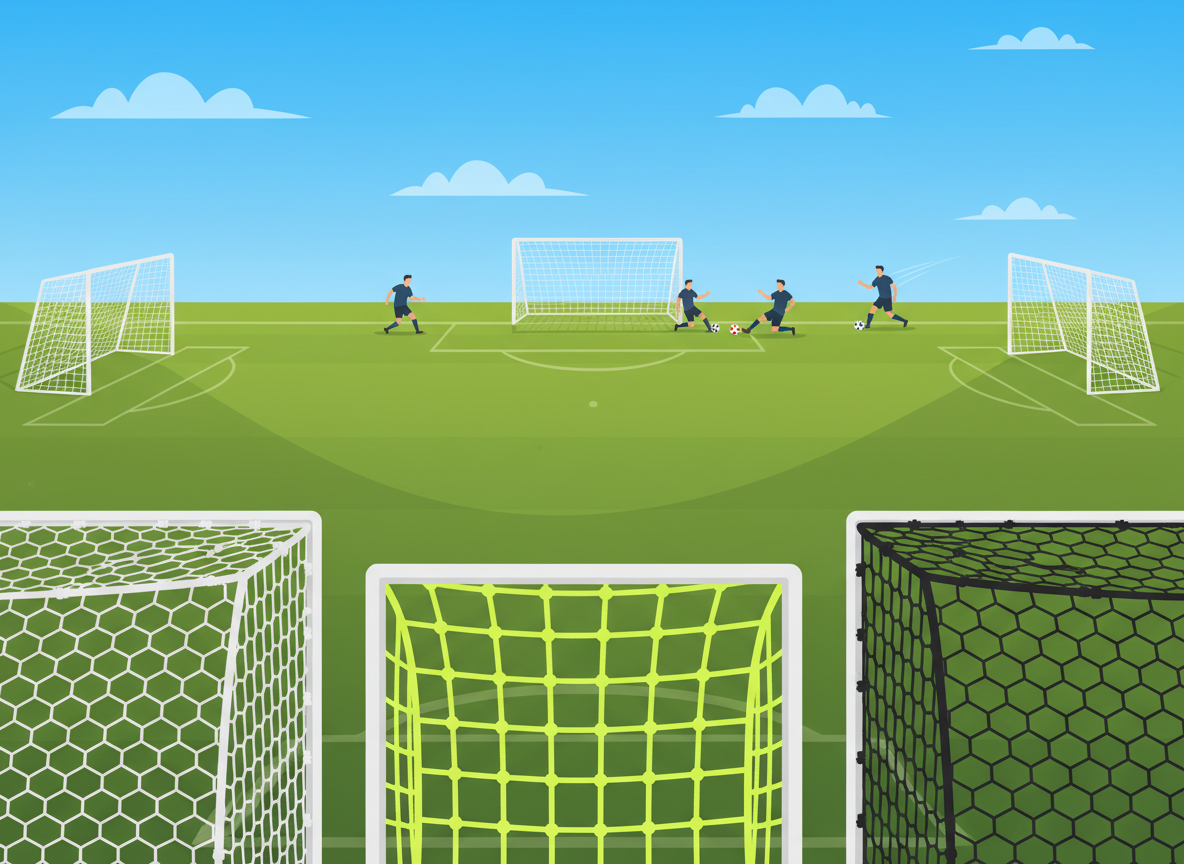
I’ve watched thousands of balls fly into different soccer goal net types over the years. I quickly discovered that the mesh construction significantly alters how the game feels… and most enthusiasts overlook that. You might wonder why there are so many variations when a simple barrier is just supposed to stop the ball.
The truth is, these configurations evolved for specific reasons. Backyard practice sessions require a different arrangement than the high-stakes stadium matches you see on television. I’ll walk you through the three primary styles—straight back, box, and continental—so you can select yours wisely.
This guide investigates everything from material thickness to mesh dimensions. Most options utilize polyethylene ranging from 2.3mm to 5mm for maximum durability. Even the hole size matters, with standard 120mm openings or smaller 60mm versions for extra security on the pitch.
By the end, you’ll know exactly which version fits your field and budget. No fluff or sales pitches—just real insights from someone who knows how high-level play is impacted by quality equipment. Use this knowledge to transform your pitch into a professional-grade arena.
Key Takeaways
- Differentiate between straight back, box, and continental setups for your specific field.
- Choose material density based on the frequency and intensity of your matches.
- Select mesh dimensions to balance clear visibility with long-term durability.
- Match all pitch equipment to the specific age and skill level of the participants.
- Evaluate your budget against the long-term life of heavy-duty polyethylene strands.
- Identify the right configuration to ensure your scoring area meets league standards.
Why Choosing the Right Soccer Net Makes a Real Difference
I’ve learned that the right soccer net does much more than just stop a ball; it defines the integrity of your game. Most people focus only on the frame, but the mesh is what actually keeps the ball in play.
When you are choosing right, you avoid the frustration of balls bouncing out unpredictably. I have seen sagging nets dampen a team’s spirit, making even the most impressive goals look sloppy and unimpressive to the crowd.
A professional net creates a crisp, consistent response to every strike. This reliable feedback helps players develop better shooting techniques and ensures that scoring goals remains a rewarding experience for everyone involved.
| Feature | Quality Choice | Poor Choice |
|---|---|---|
| Ball Response | Consistent Bounces | Unpredictable Pop-outs |
| Field Look | Taut and Professional | Sagging and Sloppy |
| Durability | Weather Resistant | Tears Mid-Season |
Investing in a high-quality net now means you won’t have to deal with embarrassing game-day repairs. It is truly the best way to save time, money, and your reputation on the field.
Understanding the Three Primary Soccer Goal Net Types
Let’s pull back the curtain on the three main designs that define how your favorite goals look. I’ve seen many teams settle for the wrong gear because they didn’t know these different types existed. Whether you are setting up a backyard pitch or a league stadium, matching the netting to your setup is a total game-changer.
Straight Back Nets: Budget-Friendly and Versatile
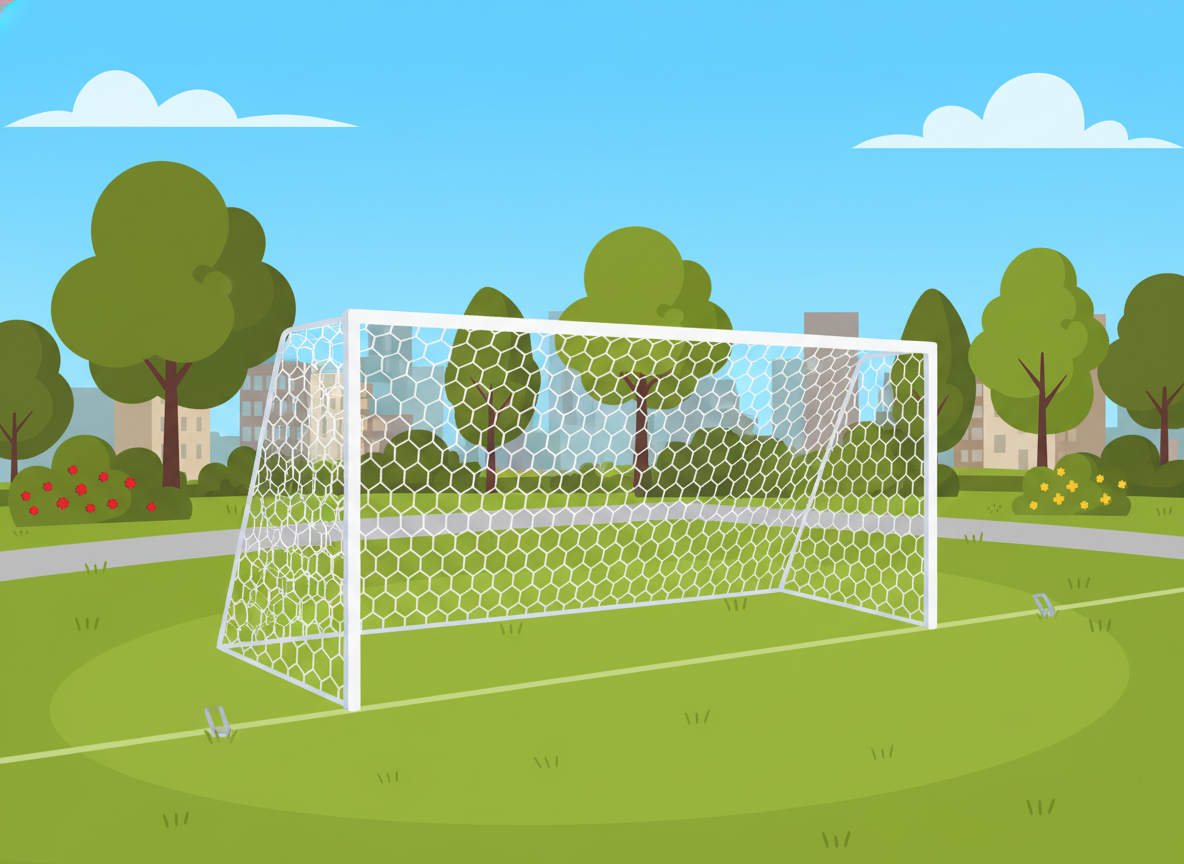
Straight back nets are the minimalist’s dream. They don’t require fancy D-brackets; instead, the material hangs directly from the crossbar and stakes into the grass. I recommend these for training sessions and casual play because they are highly affordable and simple to setup.
You’ll usually find these in 2.3mm or 3mm thickness. While they might not have that “stadium snap,” they get the job done for local players on a budget. They are the perfect choice for those who need to move their gear frequently—just pull the pegs and go!
Box Nets: The Professional Stadium Choice
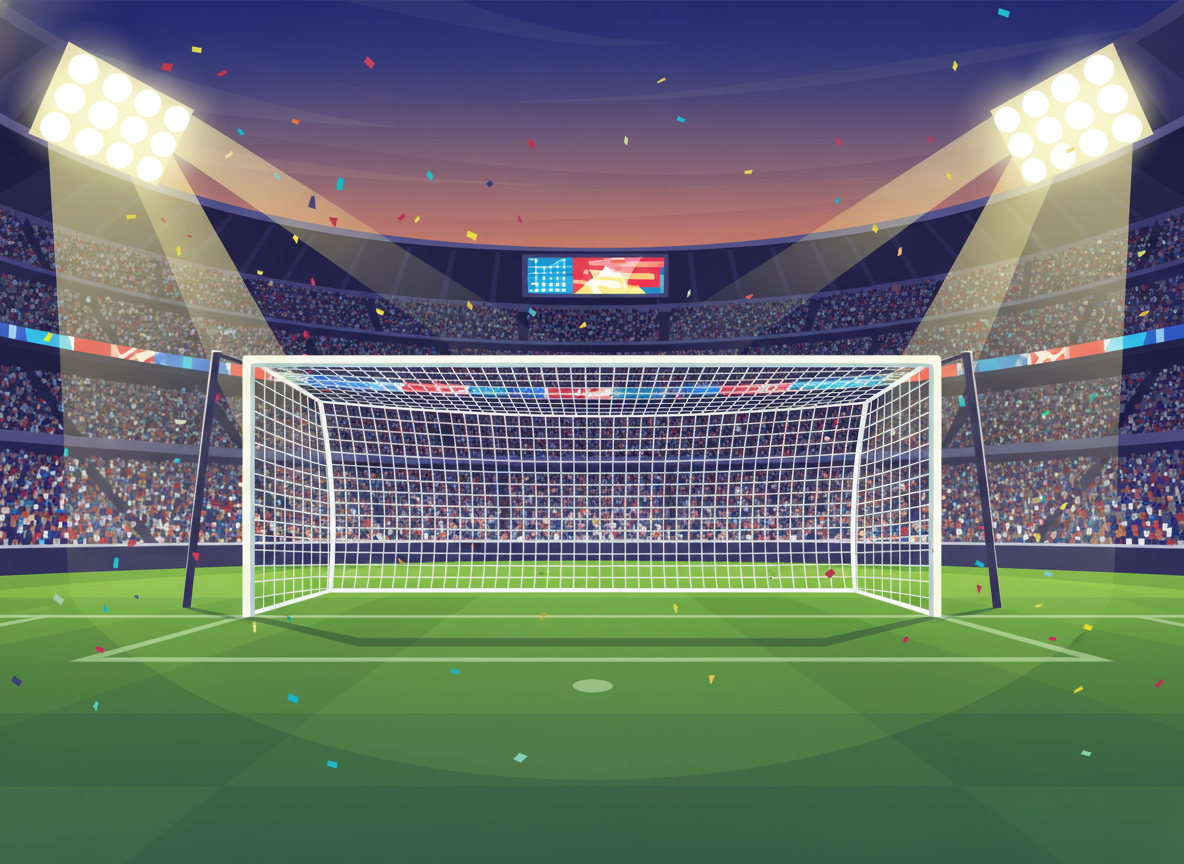
Ever notice how professional matches feature that crisp, rectangular shape? That’s the box net at work. These use a bottom frame and back stanchions to keep everything taut and rigid behind the line.
This style is built for the high-intensity level of play seen in elite leagues. Because they face powerful shots, they use heavy-duty 3.5mm to 5mm construction. They look incredible and boost team morale, making every soccer goal feel like a world-class moment… just like in the Premier League!
Continental Nets: The Classic Standard Design
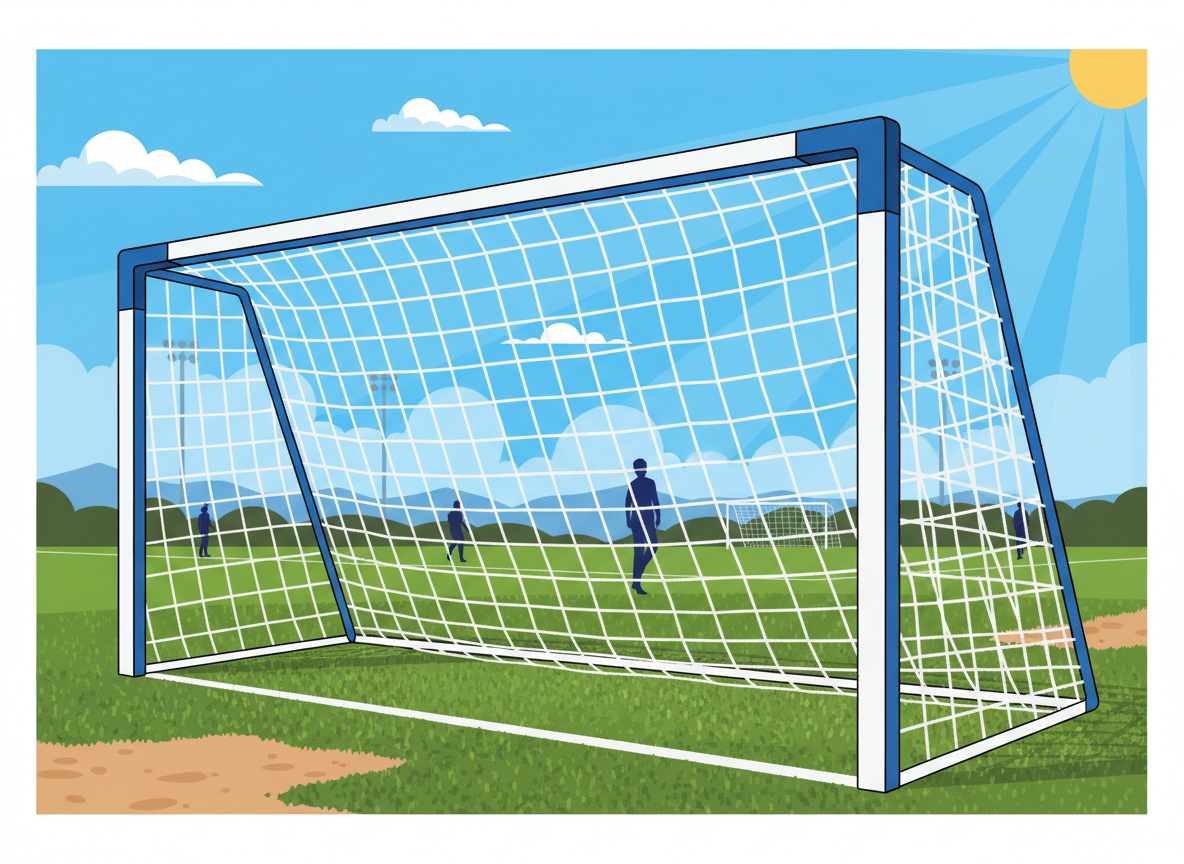
Continental designs are the bread and butter of the soccer world. These use D-brackets or “elbows” on the goalposts to give the net some depth at the top. They are the go-to choice for grassroots leagues because they balance durability with a traditional look.
Typically made with 2.5mm twisted knotless material, these provide great resilience for weekend goals. Understanding these types soccer nets ensures your field looks ready for action. Choosing between these types soccer nets depends on your specific goalposts, but they always deliver that classic feel for your professional matches. These nets really bring a sense of history to any local pitch!
Soccer Goal Net Types by Portability and Installation
I’ve found that the way goals are installed matters just as much as the strength of the mesh itself. Beyond the style of the netting, you need to consider if you are setting up flexible gear or fixed installations for your field.
Portable Soccer Goals for Flexibility
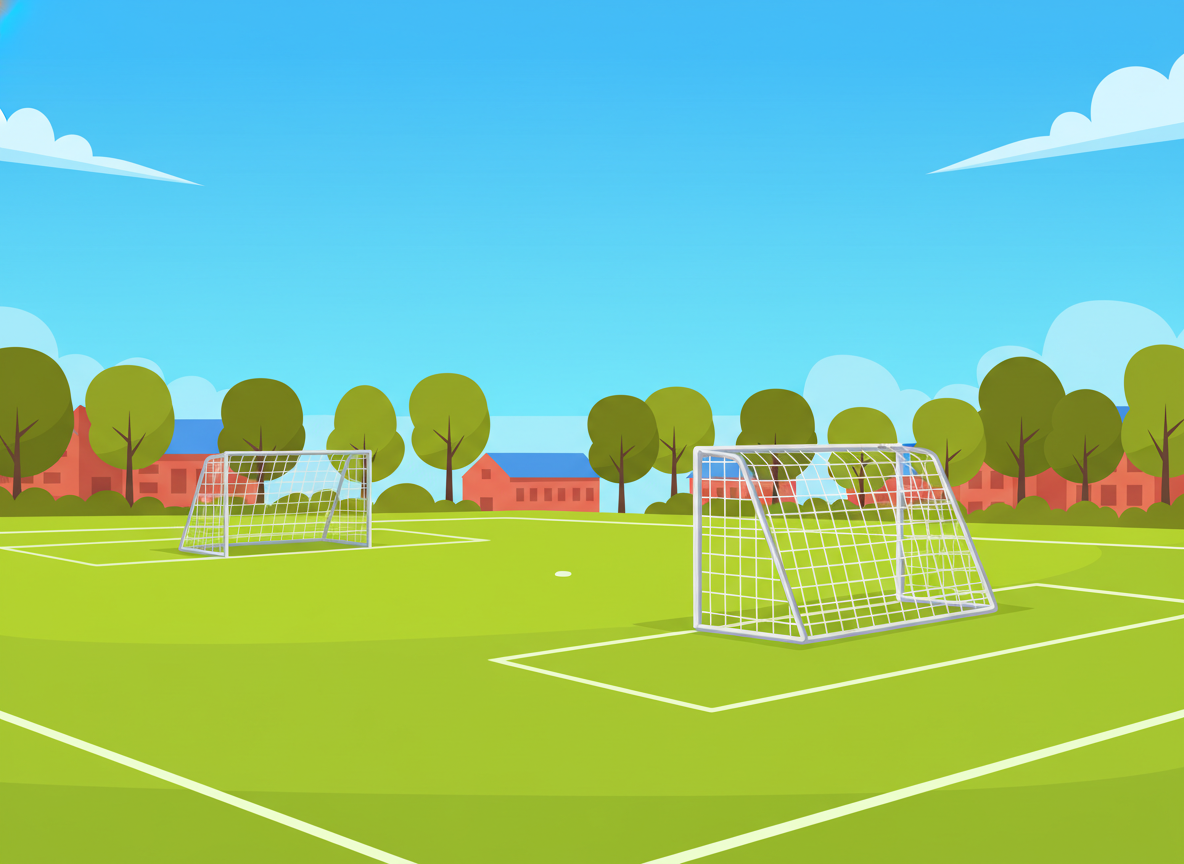
Portable soccer setups change everything if you share fields with other sports or different age groups. I’ve watched coaches transform a multi-use field in under ten minutes using these lightweight soccer goals.
They are absolute game-changers for schools with limited space. These systems usually feature aluminum frames that balance durability with movability. They work perfectly for a training session that moves between different locations or indoor areas.
You can literally pack these nets up after play and store them securely. This protects your investment from weather damage and vandalism. For ultra-portable needs, consider foldable or pop-up portable soccer options for the beach.
Permanent Goals for Dedicated Fields
Permanent goals make sense when you have a dedicated field that doesn’t need to accommodate other events. These are anchored into the ground with concrete footings or ground sleeves. This provides rock-solid stability for competitive soccer goals and high-speed shots.
The trade-off? You sacrifice flexibility for maximum durability and that professional stadium feel players love. Permanent installations let you invest in heavier-duty nets and frames since you aren’t moving them.
Since you aren’t constantly taking them apart, these nets often last much longer against the elements. If you have the space, avoiding the assembly process of portable soccer gear is a massive time-saver. These goals are best for teams practicing in dedicated, secure spaces.
Matching Net Size to Age Groups and Playing Levels
Scaling the field of play is the secret weapon for developing world-class technique in young players. I have found that choosing the right size net ensures the challenge remains engaging rather than discouraging.
When the target matches the athlete’s physical reach, they develop better spatial awareness and confidence. If the net is too large, goalkeepers feel helpless, and strikers never learn to aim for the corners.
Mini Nets for Ages 3-4: Starting Small
For toddlers just starting out, you are looking at mini nets around 3 to 4 feet wide. I have seen these mini setups turn simple backyard fun into legitimate skill-building sessions without overwhelming little athletes.
Smaller goal sizes at this stage allow children to experience immediate success while learning the basics of kicking. These different sizes create approachable targets that keep the focus on movement and basic coordination.
Kids Nets for Ages 5-7: Building Skills
Once kids gain better motor skills, they need a step up to 4 or 6-foot widths. This specific size allows them to practice more precise shots and learn basic goalkeeping fundamentals in a realistic way.
At this age group, having the right size net encourages children to think about where they are placing the ball. This makes backyard games feel like a productive training environment rather than just random kicking.
Youth Nets for Ages 8-10: League Ready
In youth leagues, you will typically encounter nets that are 6 to 8 feet wide. These standard sizes match official competition requirements, helping kids practice on goals that mirror actual match conditions perfectly.
Using these specific net sizes helps developing athletes improve their shooting accuracy as the game becomes more competitive. At this size, goalkeepers can finally begin to use diving techniques effectively to cover the frame.
Full-Size Nets for Competitive Play
Full-size nets measure 8 feet tall by 24 feet wide for high school, college, and professional matches. Just as you might wonder what size soccer ball do adults, knowing the standard goal size is vital for serious training.
These massive net sizes are the ultimate standard for older players who have the power to cover the distance. When you reach this level, the 18 to 24-foot goal sizes provide the professional challenge required for high-stakes competition.
| Age Range | Net Width | Level | Key Focus |
|---|---|---|---|
| 3-4 Years | 3′ – 4′ | Toddler | Discovery |
| 5-7 Years | 4′ – 6′ | Kids | Coordination |
| 8-10 Years | 6′ – 8′ | Youth | Accuracy |
| 12+ Years | 18′ – 24′ | Competitive | Mastery |
Net Materials That Withstand Heavy Use
Have you ever wondered why some nets turn brittle after one summer while others stay strong? I’ve seen countless fields where a cheap net simply falls apart after a single season. The material choice is what separates long-lasting gear from absolute junk. If you want to avoid buying a new net every single spring, you need to understand the science behind the twine.
High-quality netting is almost always made from polyethylene. It is lightweight but stays tough through daily practices and freezing winter storage. I prefer this over polypropylene because it handles the sun’s UV rays much better. While other materials might get flaky and snap, polyethylene remains flexible and strong even in harsh climates.
The construction style also matters more than most people think. Braided nets are far superior to twisted ones because they absorb impact without fraying. This small detail ensures the structure remains intact even after thousands of high-speed strikes against the goal. It’s all about finding that perfect balance between flexibility and raw strength.
Why Polyethylene Dominates Soccer Netting
In my time exploring different pitches, I’ve noticed that polyethylene nets dominate the market for good reasons. This material doesn’t just resist water; it thrives in it. Whether it is a humid summer morning or a snowy winter afternoon, these nets keep their shape perfectly. I’ve watched them withstand years of abuse without showing any signs of significant degradation. It’s the ultimate choice for any club looking to maximize their budget over several seasons.
Twine Thickness Guide: 2.3mm to 5mm
Now, let’s talk about twine thickness, which is measured in millimeters. This measurement is the best predictor of durability. For recreational play or practice sessions, 3mm netting is a solid middle ground. It provides enough strength without making the frame too heavy to move. When you step up to 4mm or 5mm, you are getting professional-grade strength. Thicker netting options handle the powerful shots of elite players and resist accidental snags from cleats much better. Choosing the right durability level ensures your investment actually lasts through every strike.
| Twine Thickness | Recommended Use | Level of Play | Key Advantage |
|---|---|---|---|
| 2.3mm – 3.0mm | Backyard & Practice | Recreational | Lightweight & Portable |
| 3.5mm – 4.0mm | League Matches | Competitive | High Impact Resistance |
| 4.5mm – 5.0mm | Professional Stadiums | Elite | Maximum Longevity |
Mesh Size and Shape Options Explained
I’ve often found that the mesh dimensions and shape are overlooked when buying gear. These gaps influence how the ball reacts and how long your soccer nets survive.
Standard 120mm Mesh for Strength
Standard 120mm mesh is the popular choice for pro fields. It provides an ideal size for clear visibility during the match. This robust spacing ensures the nets withstand heavy shooting from elite players.
I appreciate how these openings balance strength with a great view of the action. This classic measurement has proven its durability over decades of professional use.
Small 60mm Anti-Hooligan Mesh
High-security stadiums install 60mm mesh for safety. This smaller size serves as anti-hooligan netting by preventing people from climbing the goals. It also shields the goalkeeper from any objects thrown during a match.
I have seen this tight weave used effectively in professional arenas. It creates a superior barrier while still performing its primary job of catching every score.
Hexagonal vs Square Mesh Patterns
Hexagonal mesh offers a professional look that I find very stylish. Its unique structure distributes impact forces better than square patterns. This design improves stability and extends the net’s lifespan significantly.
Meanwhile, square mesh remains the traditional standard for local parks. It provides a traditional appearance and reliable support for every game. Choosing between them often comes down to your budget and desired aesthetic.
| Mesh Type | Size / Dimension | Primary Application | Major Benefit |
|---|---|---|---|
| Standard Square | 120mm | Professional / Youth | Maximum visibility |
| Anti-Hooligan | 60mm | High-Security Areas | Climbing prevention |
| Hexagonal | 120mm | Elite Stadiums | Tension distribution |
How to Select the Right Net for Your Specific Needs
I have found that picking right comes down to three simple tests most people forget until it is too late. To find the right soccer setup, you must look at your unique situation carefully. Every field is different, and your equipment should reflect that reality.
Assess Your Playing Environment
First, evaluate your actual field surface. Are you setting up on natural grass, artificial turf, or concrete? I have seen people buy permanent nets goals for fields they do not even own, creating transportation nightmares.
If you deal with heavy rain or sun, choose UV-resistant polyethylene. This keeps your net from becoming brittle and snapping during a match. High-quality materials survive the elements much longer than cheap alternatives.
Determine Required Durability Level
Honestly determine your durability level based on how often you play. Whether ‘re running a daily training session or a weekend game changes everything. I recommend matching twine thickness to your usage:
- Backyard Fun: 2.3mm to 3mm twine handles casual shots easily.
- Club Practices: Use 4mm thickness to survive frequent high-velocity impact.
- Pro Matches: Heavy-duty 5mm twine offers the best longevity for competitive use.
Factor in Storage and Transport
Consider whether ‘re moving the goal regularly or leaving it on the field. Portable designs that fold save you from weather damage and prevent theft. This is vital for coaches who do not have a locked facility.
Picking right means matching your storage space to the nets goals for a stress-free experience. Choosing the right soccer net now prevents expensive mistakes and keeps the game moving forward for your team.
Setting Up and Installing Your Soccer Net Correctly
Have you ever seen a goal tip over during a game? It’s a scary sight I’ll never forget, and it almost always happens because someone skipped the anchoring step. Safety isn’t just a suggestion; it is the most vital part of your soccer net setup.
For a standard straight back, simply drape the net over the goal post crossbar. Then, secure it to the ground using heavy-duty pegs spaced every 12 to 18 inches. This spacing maintains consistent tension and prevents messy, sagging sections during play.
Box nets require more care to keep that professional, rectangular look. You must attach the mesh to the frame and back support stanchions using proper ties. Avoid using knots that create wear; instead, use clips to keep the soccer net taut and rigid.
Continental goals use D-brackets to create that classic, sloping drape from the goal post. Hook the top securely before pegging the bottom into the ground for a perfect finish. Always double-check your frame stability with sandbags or stakes before the whistle blows.
Taking fifteen extra minutes ensures the net stays safe and secure. I always tell coaches that a properly installed soccer net prevents injuries and makes the field look like a professional stadium.
| Net Style | Attachment Point | Key Hardware | Tension Level |
|---|---|---|---|
| Straight Back | Crossbar | Ground Pegs | Moderate |
| Box Style | Stanchions | Net Clips | High |
| Continental | Elbow Brackets | Ground Pegs | Moderate |
Maintaining Nets to Extend Their Lifespan>
Here’s a secret I’ve learned from years on the pitch: fifteen minutes of monthly care can double or triple your nets‘ usable life. I regularly inspect nets at attachment points—where they connect to posts and crossbars—because that is where failures usually start. Look for fraying or stretching that indicates the material is breaking down before it fails during your sessions.
Cleaning nets might seem excessive, but dirt and mud actually accelerate UV degradation over time. A simple rinse with a garden hose removes destructive particles. This small effort drastically helps to improve durability and keeps your field looking professional.
- Store your net in a dry, dark location like a garage during the long off-season.
- Use specialized clips or Velcro instead of tying tight knots directly on the netting.
- Remove equipment during extreme winter weather to prevent ice from snapping the fibers.
The biggest mistake involves leaving gear out year-round in harsh weather. Winter ice and intense summer sun make fibers brittle and prone to tearing. A well-maintained net can serve you for seven seasons instead of just two.
Critical Safety Tips for Soccer Goal Nets
I have witnessed preventable accidents that changed how I view setting up soccer goals. The most critical rule is simple: always anchor your goal securely using ground stakes or heavy weights. Unanchored frames can tip forward, posing a massive danger to young players who might accidentally hang on the crossbar.
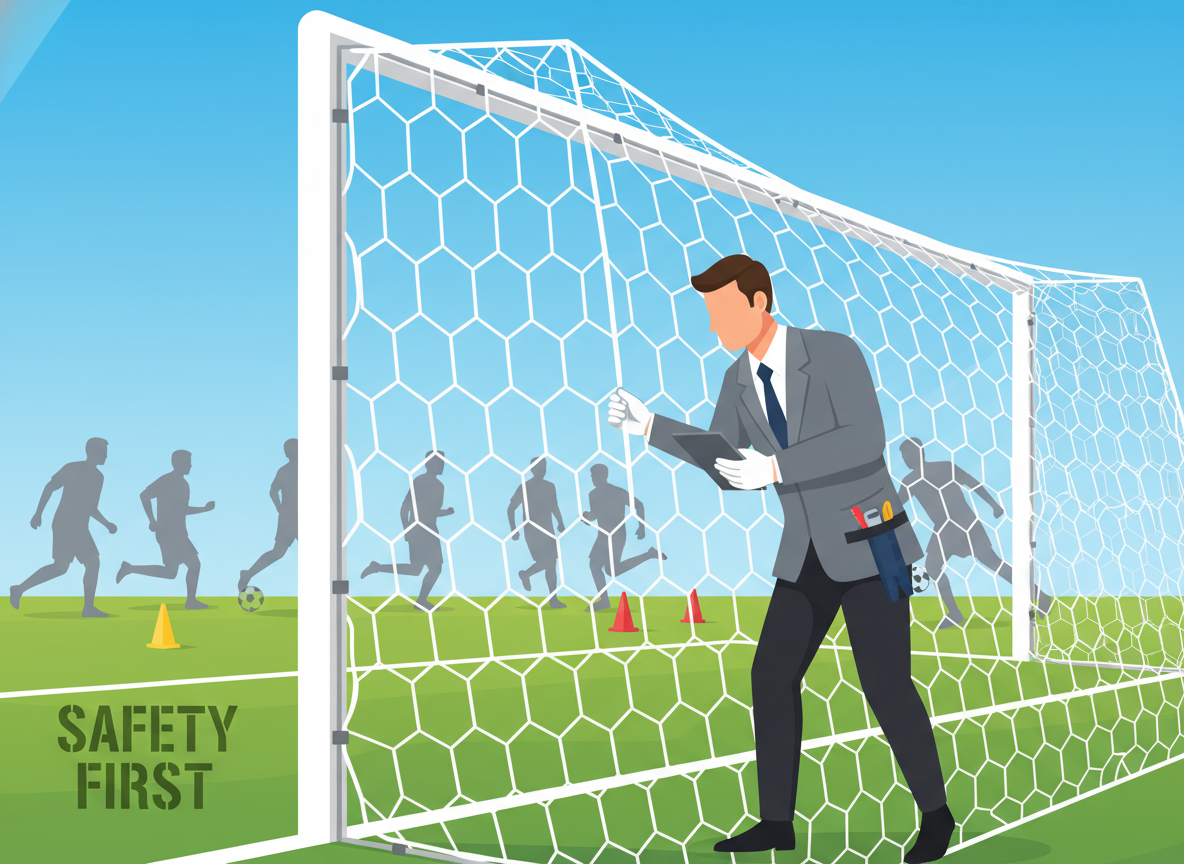
Before every play, I recommend inspecting the net for holes or snags. A loose net can easily entangle feet, leading to trips when chasing a ball at high speed. Securely anchored goals ensure that the goal stays upright while players focus on the match.
| Safety Check | Frequency | Primary Benefit |
|---|---|---|
| Anchoring | Before every use | Prevents tipping |
| Mesh Integrity | Weekly | Prevents tripping |
| Net Tension | Monthly | Ensures durability |
Conclusion
I’ve shown you how different types soccer enthusiasts often overlook can change your training sessions. Whether you’re setting up a soccer goal for small-sided games or preparing for professional matches, your choice matters. Picking the right soccer setup improves how teams play and ensures safety on the ground.
Your practice and shooting drills will thrive when the net matches the level of play. From portable soccer solutions to a permanent goal post, you now have the guide to succeed. High-quality netting and a sturdy frame make a great option for longevity in various leagues.
The nets used in professional stadiums aren’t always the best nets used for your specific training. For small-sided games, focus on mobility and durability while checking the sizes needed. Choosing right means your players enjoy the game with reliable soccer goals.
I hope this look at different types of soccer nets helps you decide whether ‘re upgrading or starting fresh. Remember, well-maintained nets goals provide years of fun for your teams. Now, go out and find the perfect types for your goals to enhance every play!
| Net Type | Primary Use Case | Main Advantage |
|---|---|---|
| Straight Back | Backyard Training | Budget-Friendly |
| Box Nets | Professional Matches | Maximum Space |
| Continental | Club Leagues | Classic Aesthetics |
| Portable | Small-Sided Games | High Flexibility |