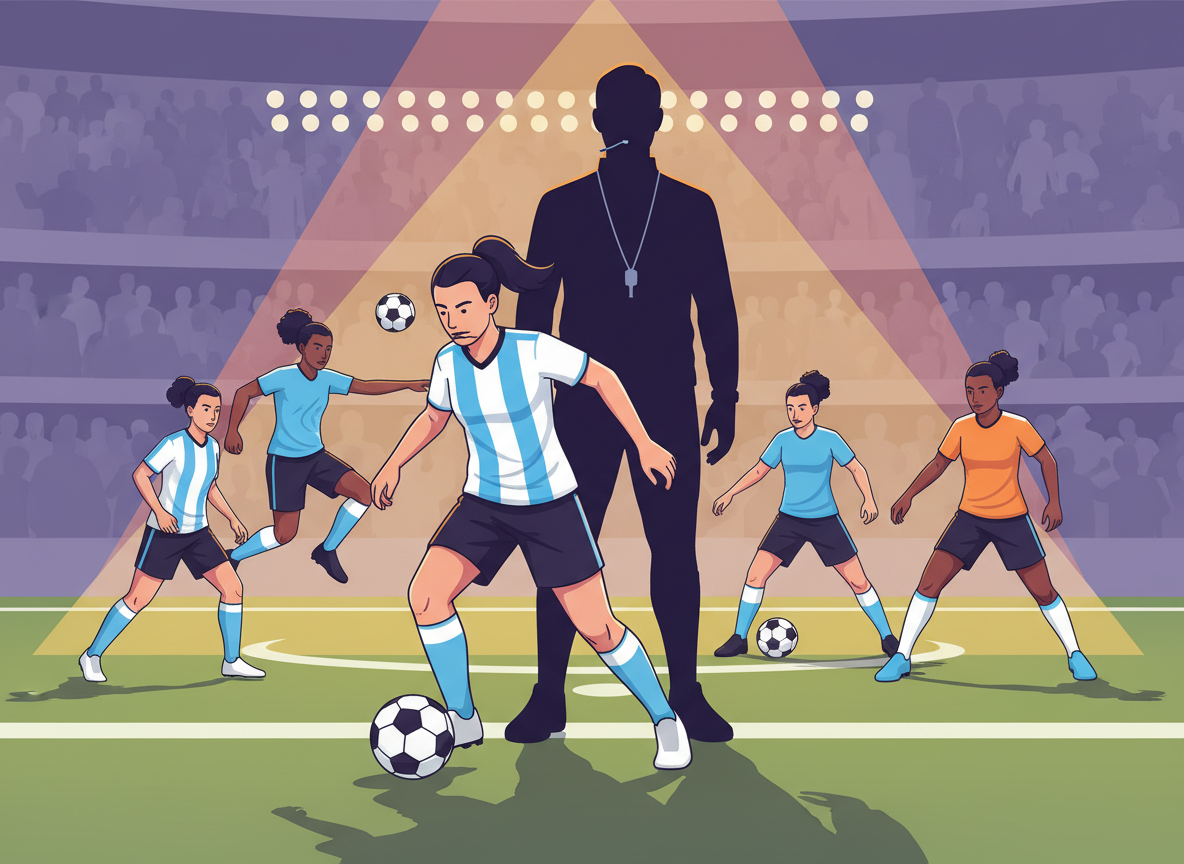

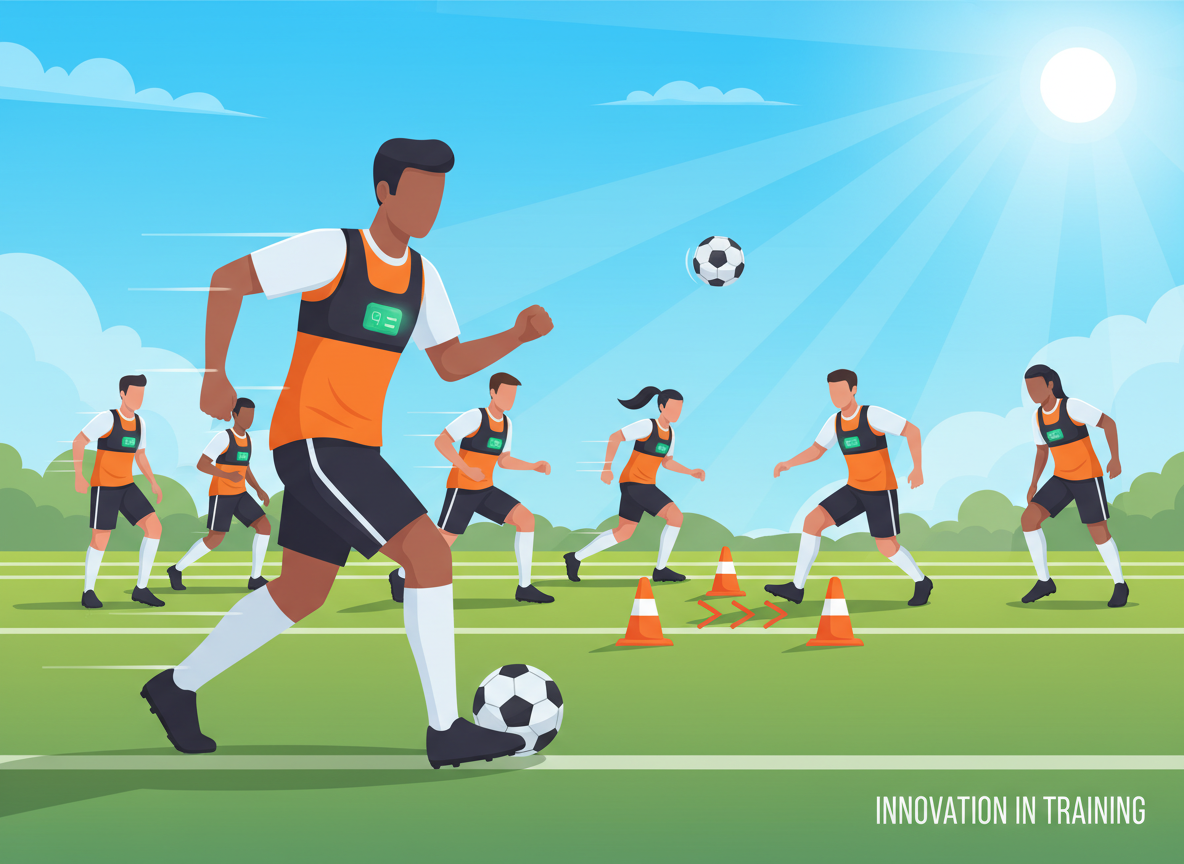
Imagine stepping onto the pitch while your gear silently communicates with a satellite to track every heartbeat and sprint. Integrating wearable tech for soccer training has shifted from science fiction to a standard tool for those wanting a competitive edge. I have seen how this technology transforms raw effort into precise data, helping you avoid injuries and peak at the right moment.
At Lehigh University, researchers use these devices to help student-athletes return from injury faster than ever before. This objective data helps players understand their physical limits and hidden potential. It is no longer about just working hard; it is about how training smarter can lead to elite performance on the grass.
What if you could see your muscle fatigue levels in real time through advanced technology? With the tools available today, you can stop guessing and start measuring your progress with total confidence. This shift in soccer culture ensures that your physical performance remains top-tier throughout the entire grueling season.
Key Takeaways
- GPS trackers provide real-time data to help you make better decisions on the field.
- Monitoring physical strain is essential for long-term injury prevention and safety.
- Recovery times significantly decrease when coaches use objective muscle oxygen data.
- Modern gadgets are now affordable and accessible to both youth and professional athletes.
- Smart equipment helps you refine specific skills like ball striking and top-end speed.
- Data-driven insights allow for personalized programs tailored to your unique body needs.
Why Wearable Tech for Soccer Training Changes Everything
I’ve seen how a Lehigh football player beat a year-long injury timeline using nothing but smart data. He tore his ACL in the first game, but wearable technology cut his recovery time nearly in half. Instead of waiting a full year, he was back on the field in just six months.
Before these tools existed, coaches relied on observation and gut feelings to judge fitness. Now, athletes use muscle oxygen sensors to get a real-time look inside their bodies. These devices remove the guesswork and help prevent serious injuries before they happen.
Modern training uses artificial intelligence to translate raw data into actionable advice. It tracks how well you sleep and how stressed your body feels each morning. This allows you to make smarter decisions about when to push and when to rest.
We no longer treat the performance of elite athletes as a mystery. With deep data and consistent training, you can see trends that were once completely invisible. Using wearable technology is the ultimate way to unlock your true performance potential.
| Feature | Traditional Coaching | Wearable Tech Approach |
|---|---|---|
| Monitoring | Visual observation | Real-time sensor data |
| Recovery | Fixed timelines | Data-driven milestones |
| Insights | Educated guesses | AI-powered analytics |
| Focus | On-field movement | Total health & workload |
Core Types of Wearable Technology Devices for Soccer
Let me break down the five main categories of wearable tech you’ll encounter in training—each one serves a distinct purpose in elevating your game. I’ve seen how these devices transform raw effort into visible performance gains on the pitch.
The modern soccer world isn’t just about how hard you run anymore. This technology allows us to see the “invisible” work that happens during a ninety-minute match.
GPS Trackers and Movement Sensors
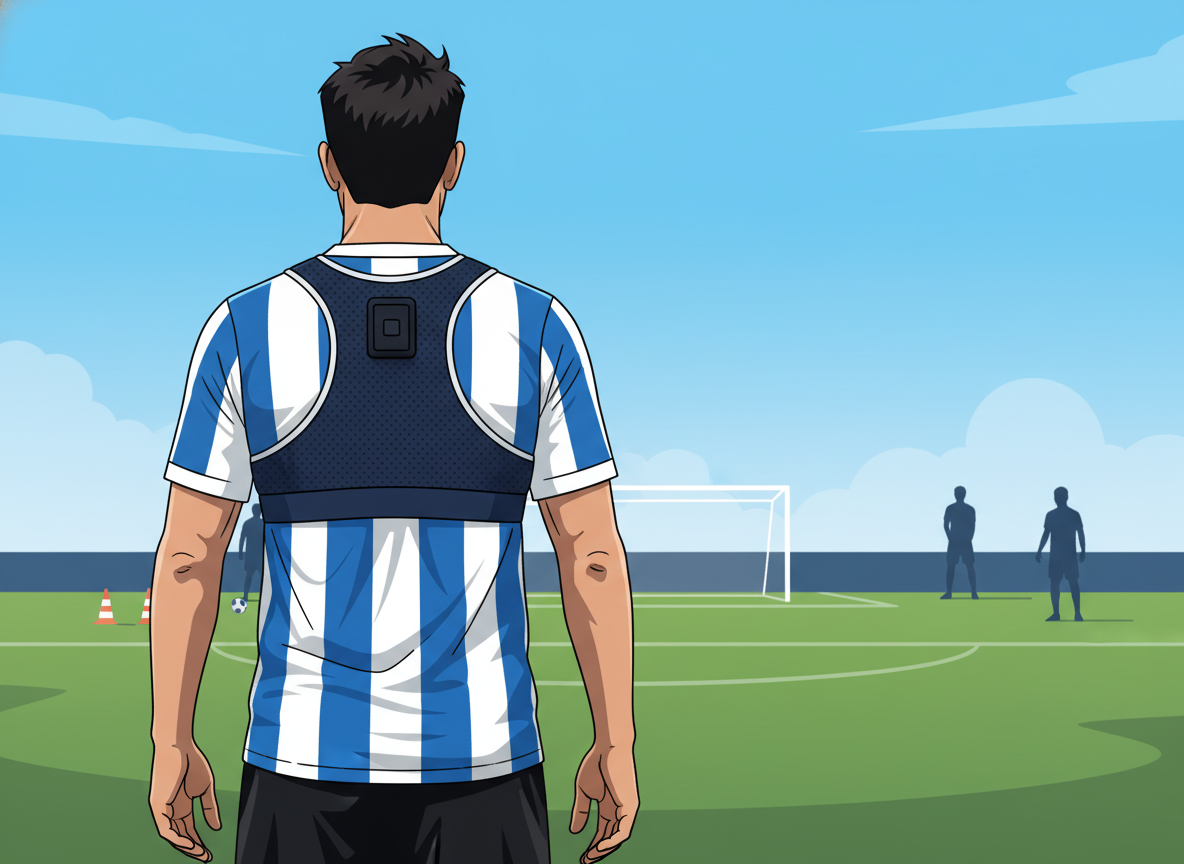
These gps trackers usually sit right between your shoulder blades in a specialized compression vest. They record every meter you cover and every high-speed sprint you make during a session.
By using internal motion sensors, they even capture your sudden movements and directional changes. This helps players and coaches understand the physical load on the body to prevent burnout.
Heart Rate Monitors and Biometric Wearables
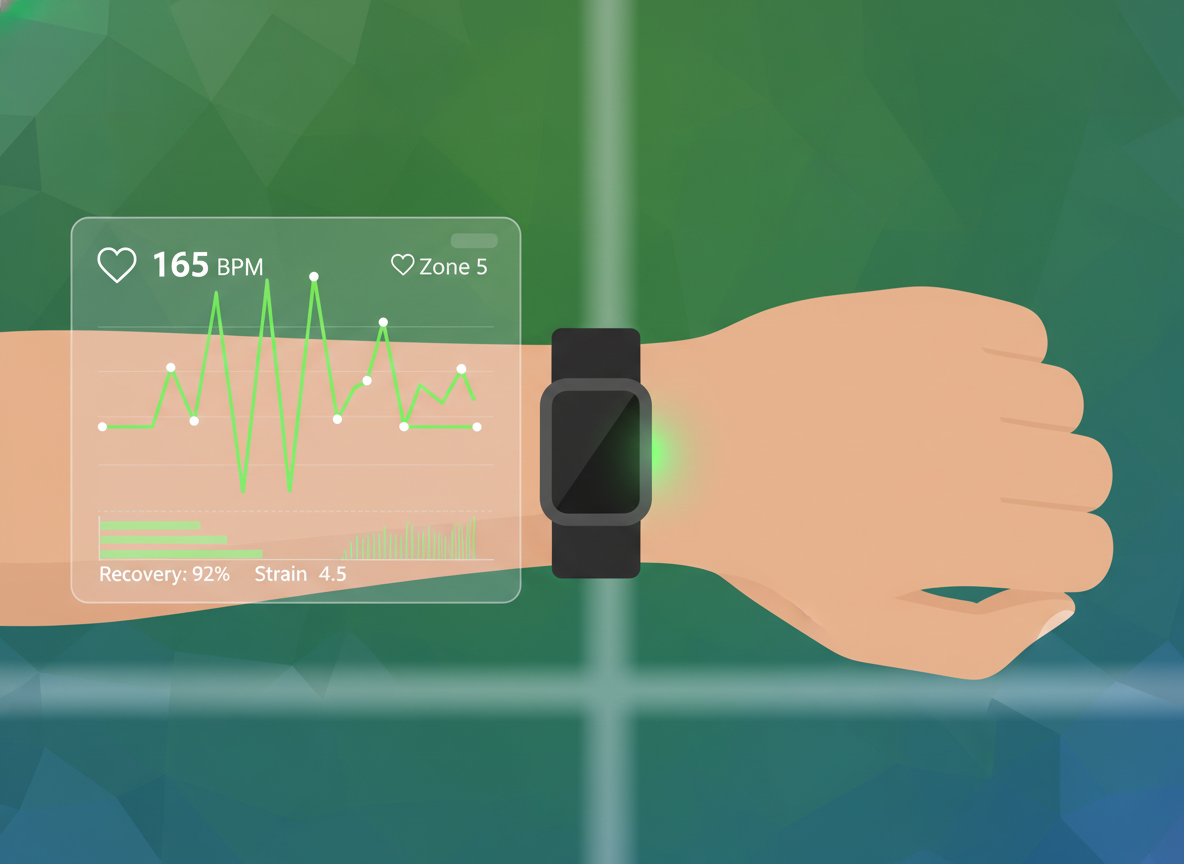
The best heart rate monitors do more than just count beats; they tell your body’s complete story. Many trackers, such as the WHOOP wristband used by elite college teams, monitor your sleep patterns and resting heart rate.
These devices provide a “recovery score” each morning. It tells you exactly how much intensity your heart can handle before you even step onto the grass.
Muscle Oxygen Saturation Sensors
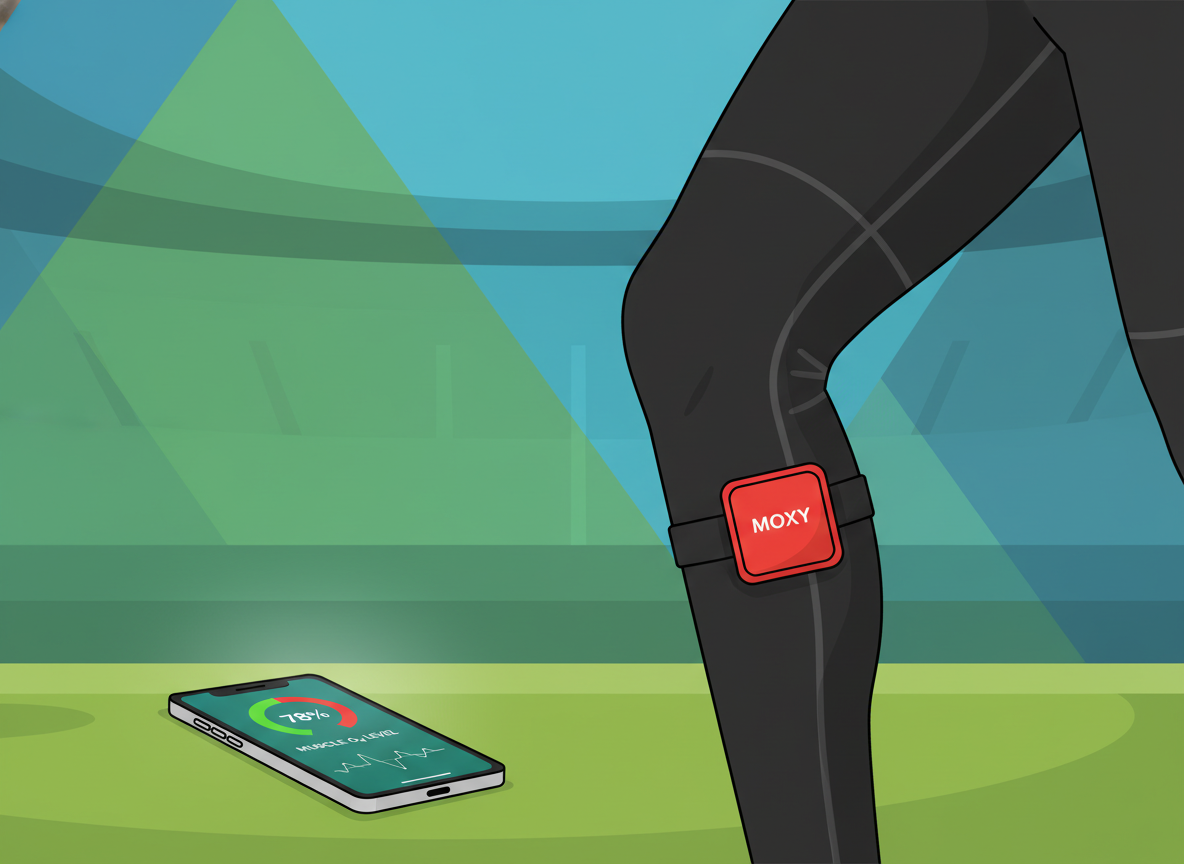
These specialized sensors are absolute game-changers for anyone returning from a long-term injury. Unlike standard gps trackers, they measure how much oxygen is actually reaching your muscle tissue during exercise.
This technology gives trainers the precise data they need to manage a safe rehabilitation period. It ensures you aren’t pushing a healing muscle beyond its current capacity.
Smart Soccer Balls with Built-In Sensors
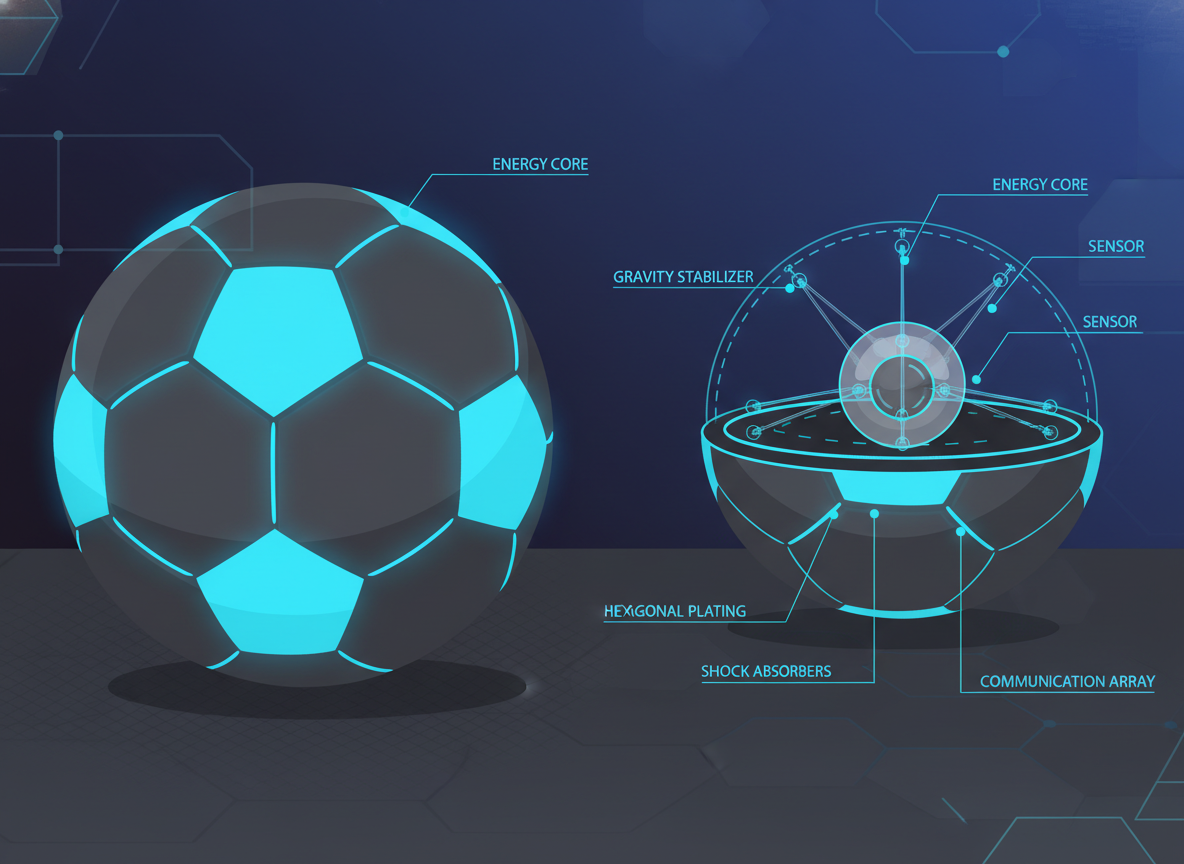
Imagine a ball that gives you instant feedback on your technique! Smart soccer balls contain internal motion sensors that count your total touches and measure the power of your strike.
These sensors sync with mobile apps to track your progress over time. They turn a simple solo session into a data-rich learning experience.
Reaction Training Lights and Visual Systems
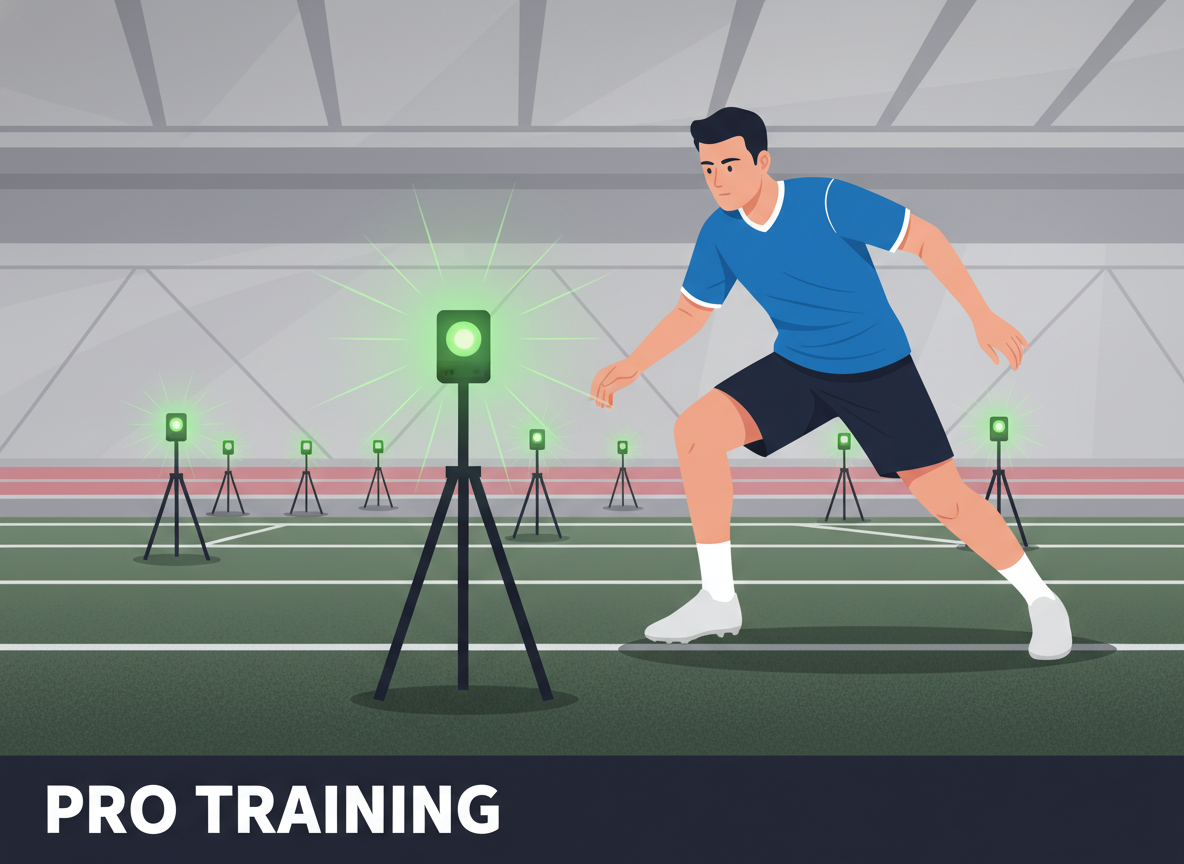
Soccer is a mental race, and these devices help you win it. Reaction lights create unpredictable visual and auditory stimuli that force you to respond in a split second.
Using these sensors regularly will sharpen your cognitive processing and physical performance. It mimics the chaotic nature of a real match, where every millisecond counts.
How GPS Trackers Monitor Distance, Speed, and Movement Patterns
Have you ever noticed that small pod tucked into a vest between a player’s shoulder blades? These gps trackers act as the “black boxes” of soccer, capturing every explosive sprint and subtle shift you make. This gps technology doesn’t just record where you go; it creates a vivid map of your movement patterns during high-intensity training.
The data flows instantly to apps that coaches monitor on the sidelines. They can see if players are hitting their top speed or if they are starting to fade. By tracking these metrics, the staff can make quick tactical adjustments to improve overall team performance.
| Metric Type | Average Range | Key Data Insight |
|---|---|---|
| Total Distance | 8 – 12 Kilometers | Overall Workload |
| Top Speed | 20 – 22+ mph | Sprint Capacity |
| High-Intensity Runs | 40 – 60 Sprints | Game Intensity |
I have found that the real magic happens when you look at the long-term patterns. By setting a baseline at the start of the season, coaches can see how your conditioning evolves. This helps identify movement patterns that matter, like whether you are making effective runs or clustering too close to teammates.
- GPS trackers capture every subtle positioning adjustment that defenders often miss.
- Real-time feedback identifies whether you are maintaining intensity or losing your edge.
- Concrete numbers reveal your acceleration and deceleration habits for performance reviews.
- Workload adjustments prevent injuries if data shows a drop in sprint distance over time.
The beauty of this gps setup is that you are no longer guessing about your fitness. You have clear numbers showing exactly where you stand on the pitch. It helps players focus on specific training goals to ensure they stay at peak condition until the final whistle.
Heart Rate Data and Sleep Tracking for Recovery Optimization
Did you know that the single biggest factor affecting your performance isn’t how hard you train, but how well you bounce back? It is a secret I have seen play out on the pitch time and again. Heart rate monitors reveal the hidden truth about your body’s internal needs after a match.
At Lehigh University, the women’s soccer coach outfitted every player with a WHOOP wristband. This wearable technology collects data on sleep patterns, blood-oxygen levels, and skin temperature. The results were eye-opening for the athletes and changed how they viewed rest.
They found that recovery is the primary driver of high-level performance. It isn’t just about lounging on the couch after practice. It includes reaching deep sleep stages where your body repairs muscle tissue and locks in new skills.
Monitoring your heart rate 24/7 allows you to track resting levels and heart rate variability. If these numbers are off, it is a massive red flag for overtraining. Understanding these metrics helps you build resilience in soccer by knowing when to rest.
Modern athletes use this data to decide when to push hard and when to dial back. High-quality monitoring ensures you do not hit a wall before the big tournament. This wearable technology also helps manage calories and hydration for better recovery.
Your heart rate tells a story of stress, health, and readiness. By analyzing this data daily, you ensure you stay in peak condition. Athletes who listen to their bodies always stay ahead of the competition.
| Recovery Metric | What It Tracks | Impact on Soccer |
|---|---|---|
| Resting Heart Rate | Beats per minute at rest | Indicates cardiovascular fitness and stress. |
| Deep Sleep Stage | Time spent in physical repair | Crucial for muscle growth and tissue repair. |
| Heart Rate Variability | Time gap between heartbeats | Measures nervous system readiness for intensity. |
| Skin Temperature | External body heat levels | Can signal early signs of illness or strain. |
Reaction Training Technology for Faster Decision-Making
Reaction training technology has flipped the script on how we prepare for the chaos of a live match. I have seen how these blinking pods turn a standard session into a high-stakes puzzle for your brain. It is about sharpening your mental processing just as much as your physical speed.
Soccer is a sport of milliseconds. Your brain must process a massive amount of data before your feet even move. Using advanced technology allows you to simulate that pressure every single day during training.
How Reaction Lights Improve Cognitive Skills
These devices use visual and auditory cues to keep players on their toes. When a light flashes, your brain must perceive the signal and send an instant command to your muscles. This process significantly reduces your reaction time over several weeks of use.
Random sequences force you to respond explosively to unpredictable cues. This constant challenge improves your concentration and your ability to make better decisions when the game is on the line. You are essentially teaching your nervous system to stay calm in the storm.
| Stimulus Type | Training Benefit | Movement Focus |
|---|---|---|
| Visual Lights | Faster Perception | Acceleration |
| Auditory Tones | Sensory Awareness | Directional Changes |
| Random Patterns | Mental Agility | Deceleration |
Integrating Reaction Drills into Practice Sessions
You can easily add these tools to your daily practice to boost your skills. Start with simple agility drills, like zig-zag running, where a light tells you which direction to turn. This creates a realistic environment where you cannot pre-plan your movements.
Advanced integration involves combining reaction training with ball-handling exercises. Imagine dribbling through a course while waiting for a specific color to trigger a pass or a shot. This forces players to maintain control of the ball while scanning the field for cues.
Coaches often use these lights for dynamic 1v1 scenarios. One light triggers the attacker’s move, and another signals the defender to react. This method builds a lower reaction time and prepares you for the sudden shifts of a real opponent.
Performance Data Analytics That Drive Real Results
I’ve often found that wearing a tracker is just the first step. The real work starts when you actually look at the performance data. Collecting this data helps you find those tiny gaps in your game that you didn’t even know existed.
Numbers on a screen can feel overwhelming at first. However, the right tools make these statistics clear and easy to understand. You can quickly see if you are reaching your peak or if you need to push harder during practice.
Mobile Apps for Player Progress Tracking
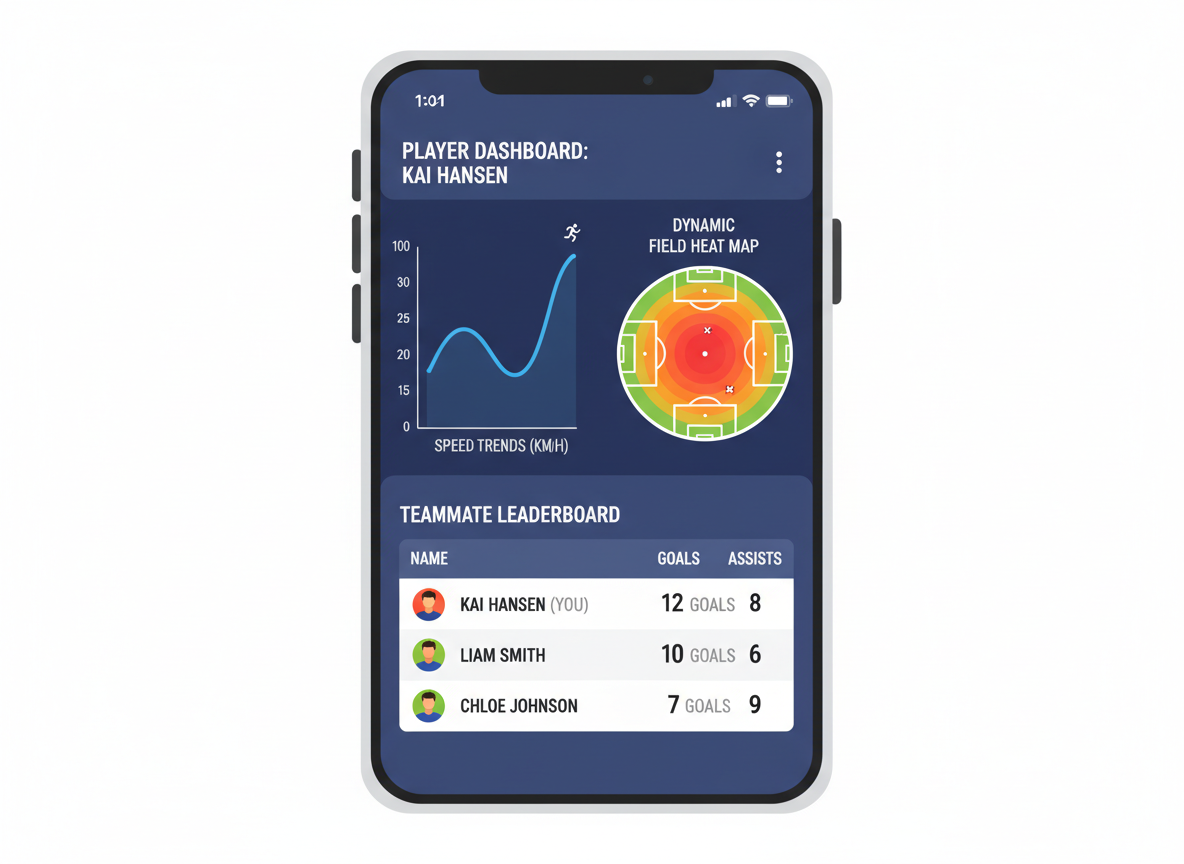
Modern soccer performance tracking apps turn raw numbers into a story you can follow. As players, we use these apps to see how our performance stacks up against global benchmarks. You can easily track your kicking accuracy or see how your sprint time improves over several months.
These dashboards offer visual proof of your hard work. Seeing your recovery time shorten or your top speed increase provides a huge boost to your motivation. It turns the grind of training into a measurable game of personal growth.
Tactical Analysis Software for Coaches
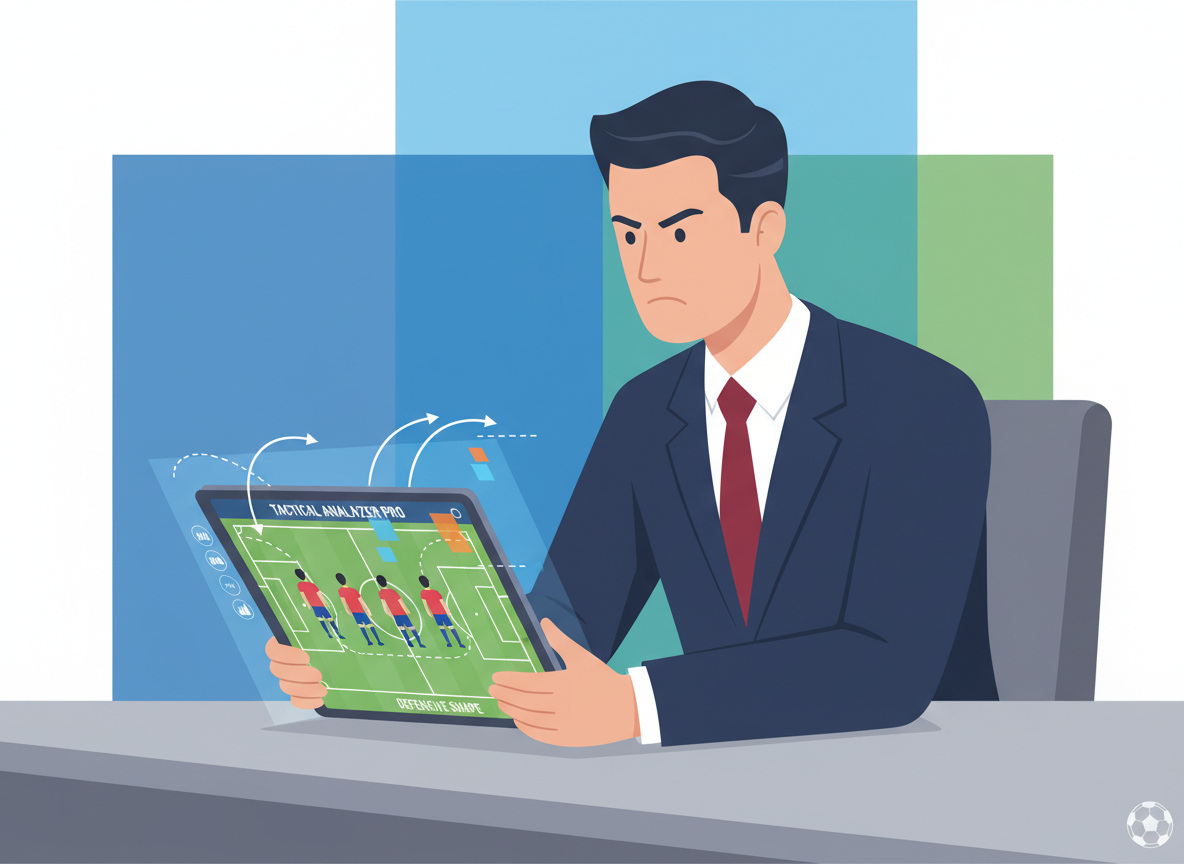
For coaches, the view from the sideline only tells half the story. That is why soccer coaching analysis software is a total game-changer for the modern team. This software allows you to study tactical patterns and even elevate your coaching with video analysis for using your tracking metrics.
Analyzing how your defense presses can reveal hidden gaps in the formation. You can see if players are closing down space effectively or leaving room for opponents. This high-level view ensures your strategies are based on facts rather than just feelings.
Turning Raw Data into Actionable Training Adjustments
The main goal is to turn performance data into proactive training choices. When coaches see that player performance is dipping late in a session, they can adjust the drills. Using this data allows players to stay sharp and avoid unnecessary fatigue.
Analyzing the data ensures that every minute on the pitch has a clear purpose. Smart coaches look at the data to modify intensity levels in real-time. This keeps the whole team healthy and ready for the next big match.
By identifying tactical trends, you can fix positioning errors before they become habits. This approach ensures your performance data leads to performance gains on the scoreboard. It is the ultimate way to stay one step ahead of the competition.
Injury Prevention Through Real-Time Monitoring
Imagine if your soccer gear could tell you that an injury was coming before you felt a single twinge of pain. This isn’t science fiction; it is the reality of modern sports medicine.
By using smart tools, athletes can now spot danger zones in their bodies during every sprint and tackle. Effective injury prevention is no longer just about luck or stretching.
It is about watching the numbers to ensure your body stays in peak condition throughout the season.
ACL Recovery and Rehabilitation Success Stories
Let’s look at a real success story that proves wearable technology works. A football player at Lehigh University suffered a devastating ACL tear, which usually takes a full year to heal.
However, his team used muscle oxygen sensors to track his progress. These tools showed exactly how well oxygen reached his tissues during his rehabilitation exercises.
Because the sports medicine team had objective data, they knew he was safe to return. He was back on the field in just six months instead of twelve!
Detecting Overtraining and Muscle Imbalances
Did you know that many injuries happen because one leg is stronger than the other? If your quads are overtrained compared to your hamstrings, you are at a high risk for a tear.
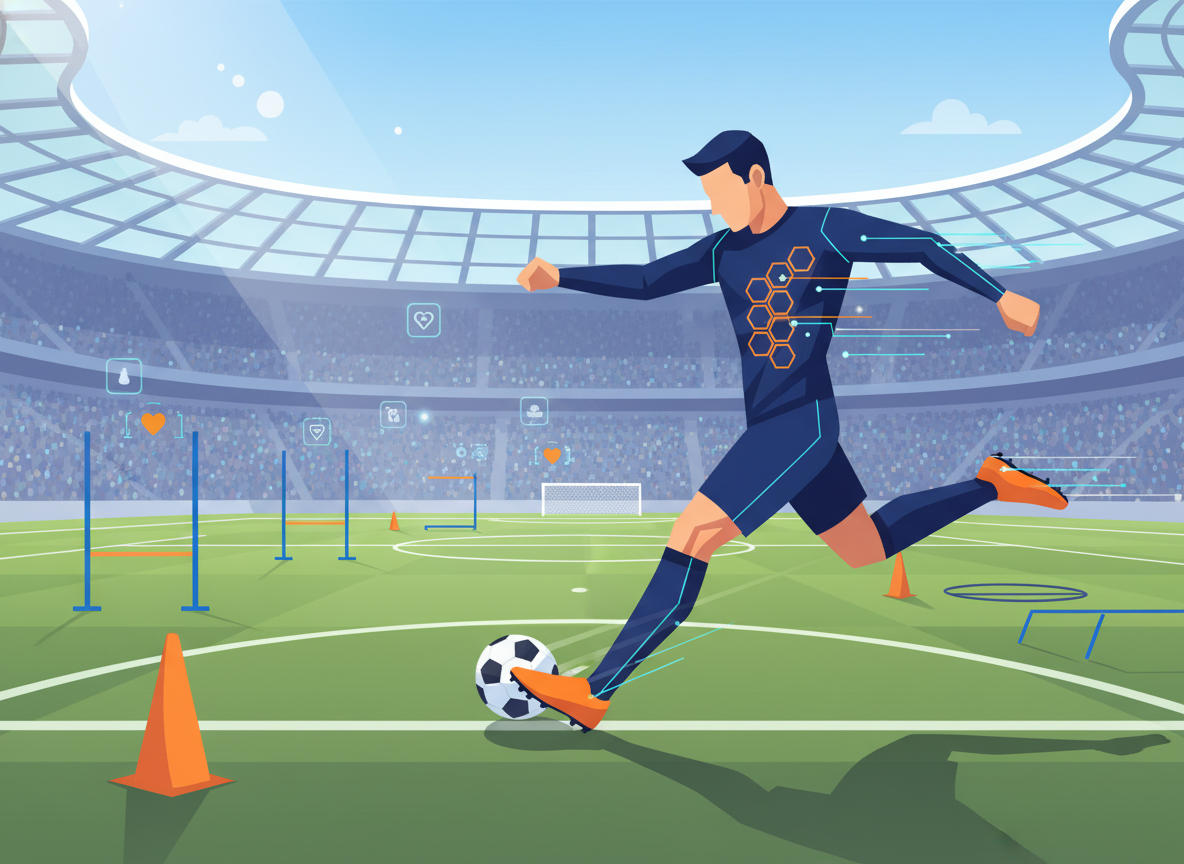
Wearable technology tracks your movement patterns to find these hidden imbalances before they cause an injury. I find it fascinating that we can now catch these injuries before they even happen.
Through constant monitoring, apps can also alert you when your fatigue levels are too high. This proactive approach to health helps you adjust your training before you get hurt.
Using data allows athletes to train harder while staying safer than ever before. It’s all about working smarter to stay in the game you love.
| Risk Factor | Detection Method | Prevention Goal |
|---|---|---|
| Muscle Imbalance | Biomechanical Analysis | Prevent ACL injuries |
| Overtraining | Fatigue Monitoring | Optimize health and rest |
| Tissue Healing | Oxygen Saturation | Faster rehabilitation |
| Movement Patterns | Wearable sensors | Strong injury prevention |
| Joint Stress | Impact Tracking | Reduce chronic injury |
Implementing Wearable Tech in Your Training Program
You’ve seen the data, but how do you actually start using these devices on the pitch? Integrating wearable tech into your daily routine is where the real transformation begins. It is not just about strapping on a gadget and running around the field.
You need a plan that turns those blinking lights into better performance on game day. Whether you are a solo athlete or part of a full squad, the right strong, approach makes all the difference. Success comes from knowing how to handle the numbers you collect.
Individual Player Use vs Team-Wide Implementation
You have two main paths when starting your journey with these smart devices. Individual players often use them for self-monitoring to find personal recovery secrets. It is a great way to see how your own body reacts to different drills.
On the flip side, a team setup allows coaches to manage everyone at once. This implementation helps balance the workload across the entire roster. You can see who is ready for more intensity and who needs a break.
| Approach | Best For | Primary Benefit |
|---|---|---|
| Individual | Self-motivated athletes | Personal recovery insights |
| Team-wide | Tactical squads | Balanced workload management |
| Hybrid | Competitive clubs | Comprehensive performance tracking |
Setting Baseline Metrics and Tracking Progress Over Time
To see real progress, you must know where you started. I always recommend that coaches collect baseline readings at three specific intervals. These are the preseason, mid-season, and postseason marks.
This time-based tracking shows how athletes adapt to the training load. If the data shows that player performance is lagging, you can spot the trouble early. This helps you pull back to prevent a nasty injury before it happens.
At Soccer Stars, these tools help personalize sessions for different levels. Some kids might be tackling advanced drills in specific areas while others focus on basics. This ensures no one feels left behind during the season.
Choosing the Right Wearable Tech for Your Goals
Choosing the right wearable technology isn’t just about buying the most expensive gear; it’s about aligning tools with your personal goals. I’ve seen that the best results come when you match the gear to your specific needs. Every player has different priorities on the pitch.
If you want to boost your performance through better fitness, gps trackers are your bread and butter. These devices show your sprint intensity and total distance. You can quickly see if your work rate matches your position’s specific demands.
Maybe you are coming back from an injury? In that case, sensors that monitor muscle oxygen or recovery trackers are better. They help players know exactly when their bodies are ready to go full speed again without the risk of overtraining.
Are you looking to sharpen your touch? Smart balls can measure your strike accuracy in seconds. Selecting the best technology for your performance allows you to focus on your specific goals. Using modern wearable technology effectively requires a clear plan for your development.
| Category | Recommended Devices | Primary Training Goal |
|---|---|---|
| Fitness | GPS Trackers | Speed and Stamina |
| Skill | Smart Soccer Balls | Kick Accuracy |
| Cognition | Reaction Lights | Decision Making |
| Recovery | Heart Rate Monitors | Sleep Quality |
- Start with a single tool that addresses your biggest training weakness first.
- Combine multiple devices to get a full picture of your physical and mental state.
- Expand your technology toolkit gradually as you begin to see measurable results.
- Ensure the data provides actionable insights rather than just interesting numbers.
Wearable Technology for Youth Soccer Development
At Soccer Stars, I have seen firsthand how wearable technology helps kids and coaches get more out of every practice. It measures real performance and spots areas for improvement instantly. This makes the learning process safer and much more fun for everyone involved.
By using these tools, we turn every drill into a discovery session. Instead of guessing how hard a player is working, we see the facts. This data helps us guide the next generation of soccer stars with precision and care.
Building Confidence Through Measurable Progress
Youth players respond incredibly well to feedback they can actually see and celebrate. When a young athlete tracks their own metrics, they stop comparing themselves to teammates. Instead, they compete against their own past scores—a shift that builds genuine confidence.
Imagine a 10-year-old seeing their reaction time improve each week or their distance covered increasing on the pitch. This tangible progress keeps them motivated and excited about their development. Every small win recorded by a sensor becomes a building block for their self-esteem.
Balancing Technology with Team Spirit and Fun
I believe wearable technology should enhance the game, not replace the human touch. Gamification is a powerful tool in modern training. Fitness bands that light up when hitting goals turn a simple practice into an exciting adventure.
Coaches use this feedback to personalize challenges for different skill levels. This ensures advanced players stay pushed while beginners feel supported. Ultimately, early exposure to these methods gives them a head start in competitive soccer while protecting their confidence.
| Feature | Traditional Training | Tech-Enhanced Training |
|---|---|---|
| Progress Tracking | Visual observation only | Accurate data metrics |
| Motivation Style | External praise | Gamified achievements |
| Safety Focus | Reactive to pain | Proactive load monitoring |
At the end of the day, our goal is simple. We use these tools to support development while keeping the focus on connection. It is about falling in love with the sport while getting better every single day.
The Future of Wearable Tech in Soccer Training
I often think about how much the technology we use today will feel like ancient history in just a few years. Right now, many devices provide us with raw numbers but lack the context we need to make real training changes. The future of wearable technology is shifting toward artificial intelligence that tells you exactly what the data means for your next session.
Researchers like Dr. Seshadri are already developing next-generation wearable tech that goes beyond sports. These new tools focus on improving health and predicting injuries before they actually happen. Soon, wearable technology will be integrated directly into clothing or applied like a simple, temporary tattoo.
This evolution means amateur athletes can access the same insights that professional athletes enjoy. We are witnessing a massive shift in how technology supports our personal growth. Future devices provide a holistic view to ensure the future of sports remains safe, using smart wearable tech and data to make every player better with accessible wearable technology.
- Predictive Analytics: Systems that flag fatigue before a muscle strain occurs.
- Unified Platforms: Single apps that combine sleep, heart rate, and GPS metrics.
- Noninvasive Monitoring: Tools that guide rehabilitation for serious conditions without bulky gear.
| Feature | Current Tech | Future Vision |
|---|---|---|
| Insight Type | Raw Metrics | Actionable Context |
| Form Factor | Vests and Straps | Smart Fabrics |
| Data Access | Professional Only | Democratized for All |
Conclusion
The whistle has blown on old-school methods, and wearable technology is now taking the lead on the pitch. What used to be a luxury for professional sports is now an accessible reality for athletes at all levels.
These devices provide the objective data needed to improve performance by turning your physical effort into actionable statistics. Whether you use GPS trackers or reaction lights, you are making every part of your training count toward your growth.
Remember, wearable tech does not replace your natural talent or your coach’s intuition. Instead, it amplifies your existing skills by showing you exactly where you can improve with scientific precision.
As we look ahead, wearable technology will only get smarter and more integrated into the game. Soon, artificial intelligence will not just collect data; it will tell you exactly how to reach peak performance before you even start practice.
Start with one device addressing your primary training goals and master its output. As you understand the data, you can build a comprehensive system to stay elite in competitive sports.
Using wearable tech wisely allows you to play the game at levels you never thought possible. You are no longer just playing; you are evolving with every step you take.